Puno sits at 12,500 feet above sea level, which can cause altitude sickness. Arrive gradually if possible, stay hydrated, avoid alcohol initially, and consider altitude sickness medication. Take it easy your first day, eat light meals, and consider coca tea, a traditional remedy. Most visitors adjust within 1-2 days.
Puno is generally safe for travelers, though standard precautions apply. Be aware of your belongings in crowded areas and markets. The high altitude can affect judgment and energy levels, so take extra care. Local communities around Lake Titicaca are welcoming to respectful visitors interested in learning about their culture.
Tipping in Peru is appreciated but not mandatory. In restaurants, 10% is standard for good service if not included in the bill. Round up taxi fares or add small amounts. For tour guides and hotel staff, tips show appreciation for good service. In local markets, bargaining is expected rather than tipping.
Peru uses the nuevo sol (PEN) as its official currency. US dollars are widely accepted in tourist areas, hotels, and restaurants in Puno. ATMs are available, though they may have limited cash supplies. Credit cards are accepted at larger establishments, but cash is essential for local markets and smaller vendors.
The best time to visit Puno is during the dry season from May to September, offering clear skies and comfortable temperatures. June through August are peak months with coolest but driest conditions. The rainy season (December-March) brings afternoon showers but fewer crowds and lush landscapes around the lake.
Spanish is the official language throughout Peru. In the Puno region, Quechua and Aymara are also widely spoken among indigenous communities. English is limited outside of tourism establishments, so basic Spanish phrases are very helpful for communicating with local communities and vendors around Lake Titicaca.
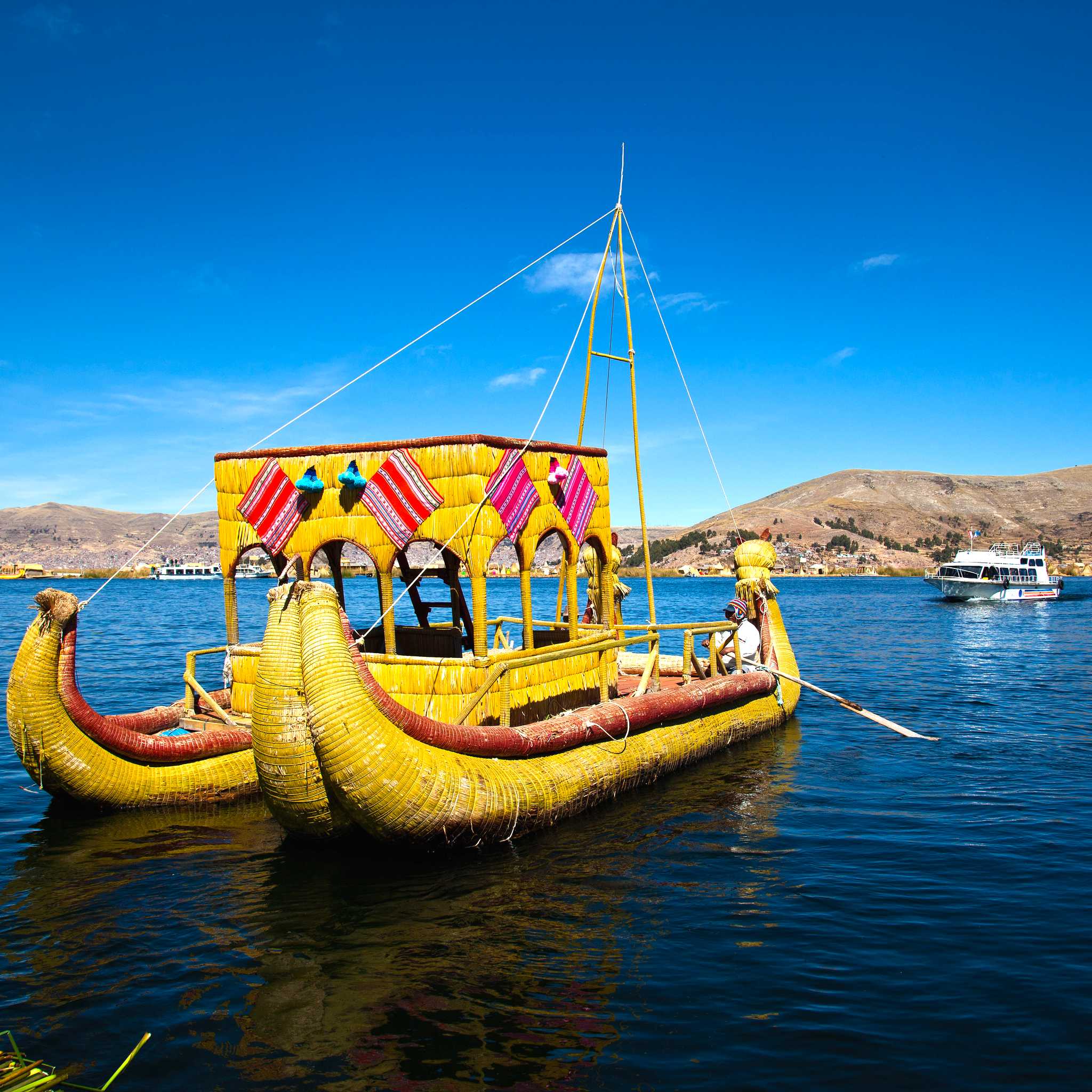
Lake Titicaca is the world's highest navigable lake at 12,500 feet elevation, straddling Peru and Bolivia. It's home to unique floating islands made entirely of reeds by the Uros people, and ancient cultures that have lived on its shores for thousands of years. The lake's deep blue waters and surrounding snow-capped peaks create breathtaking scenery.
Try quinoa dishes, fresh trout from Lake Titicaca, and traditional Andean potatoes. Local specialties include chuño (freeze-dried potatoes), alpaca meat, and various soups perfect for the high altitude climate. Street vendors offer traditional snacks, and restaurants serve hearty meals suited to the mountain environment.