Transferência de carro particular de Cadiz para Seville
em 1 h 20 min
por assento
confortável
Informações da Viagem
Partida
O seu motorista irá encontrá-lo no seu endereço em Cadiz.
- Serviço porta-a-porta
- Ajuda com a sua bagagem
Viagem
Você viajará com conforto por 1 h 20 min.
- Passeio turístico opcional
- Carro limpo e confortável
- Motorista profissional
- Água engarrafada
- Assentos infantis
- Preparado para pessoas com deficiência.
- Proibido fumar
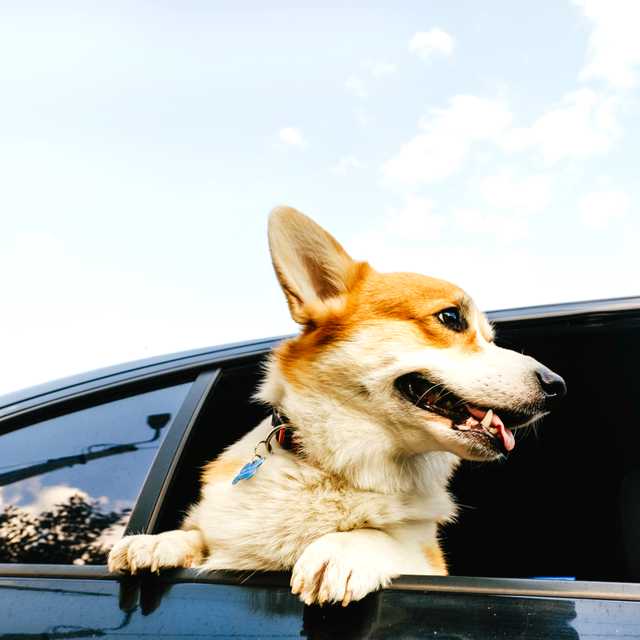
- Aceita animais de estimação
Destino
O seu motorista irá deixá-lo no seu endereço em Seville.
- Serviço porta-a-porta
- Ajuda com a sua bagagem
Overview: car trip from Cadiz to Seville
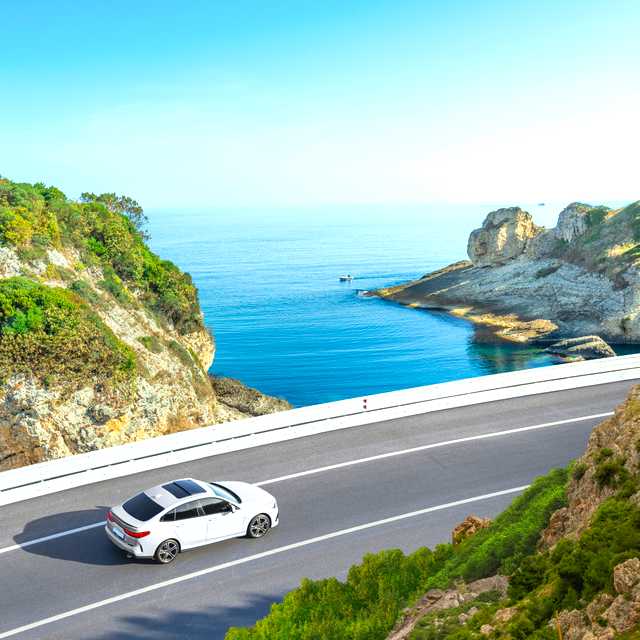
A road trip from Cadiz to Seville will take you inland from the southern coast of Spain about 75 miles (120 km) across the Andalusian countryside. The E5 highway directly connects Cadiz to Seville and takes you through olive and citrus groves as far as the eye can see. The generally arid climate of Andalusia means you’ll most likely be traveling on a sunny and dry day, so make sure your sunglasses and water bottle are nearby!
In Spain, the smaller towns are just as important as larger cities. For a well-rounded vacation, schedule a local experience at the Los Ribera Castle-Palace or Jerez de la Frontera on your way. Daytrip drivers are local experts and can get you and your family right to these cultural excursions with ease.
After a long day of sightseeing, you’ll be glad to have a driver who can take you directly to your accommodation and help with your luggage. Travel has never been so easy!
About Seville
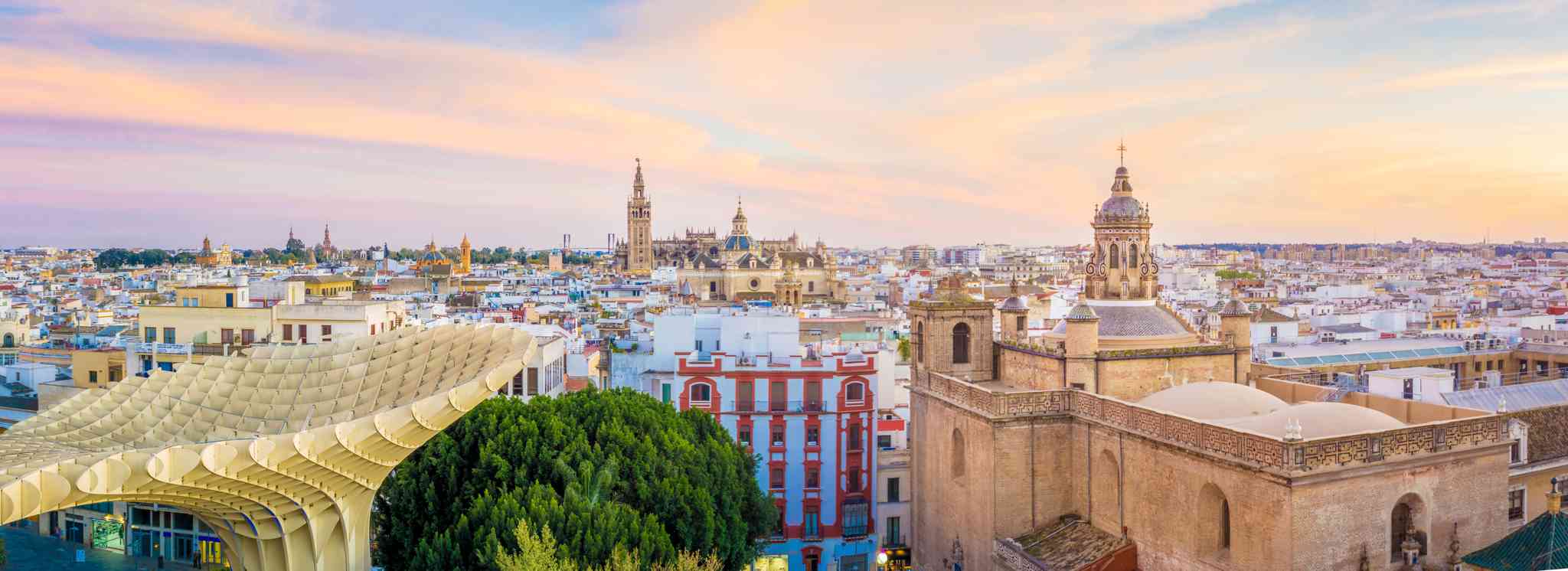
Three million people visit Seville each year, and it is easy to see why! The lively atmosphere and warm Mediterranean climate bring the city to life. Seville is the capital of Andalusia, an autonomous region that stretches from the coast of Cadiz to Seville, down to Malaga, and along the southeastern coast of Spain.
Seville through the centuries
Seville became an important river port city under Roman rule. Hispalis, as it was called by the Romans, grew its economy through trade and commerce on the Guadalquivir River. This is the only major river in Spain that is navigable and is an important source of freshwater.
As Roman rule subsided, the Visigoths briefly ruled Seville, followed by the Moors. The Moors brought Islam to the Iberian Peninsula and it is evident today in the development of Islamic architecture throughout Andalusia. From the 8th to 13th century, the Moors made major developments to Seville, including the Alcazar Palace. Elements of Islamic architecture are easy to spot: look for domes, geometric mosaics, and ceilings with muqarnas vaulting.
In the 15th century, Seville became an even busier port city as raw materials were imported from the Spanish colonies in Latin and South America. Seville became a gateway to the New World as traders used its inland port as a launching and return point. It is still the only river port in Spain.
The City of Oranges
Today, Seville is immediately recognized in photos for its orange tree-lined streets. In the 10th century, Genovese merchants brought over bitter orange trees from Asia, and the commonly held belief became that anyone who had an orange tree would bring happiness to their life. Seville’s 48,000 orange trees bloom in the spring and the fruit is harvested for orange marmalade that is enjoyed all over the world.
The origins of Flamenco
Flamenco originated in the Andalusia region of southern Spain, particularly in the provinces of Cadiz, Seville, and Huelva. The Gitano (Romani) community played a significant role in shaping Flamenco, bringing their music, dance, and oral traditions from their nomadic origins in India. Their intense moves and rhythmic complexity became integral elements of Flamenco.
Flamenco evolved organically over centuries, blending the influences of Andalusian folk music, Arabic melodies, and Romani rhythms. It became a form of spontaneous expression among marginalized communities, often performed at weddings, festivals, and intimate gatherings.
In the 20th century, Flamenco underwent a period of revival and gained international recognition as a symbol of Spanish culture and identity.
From Cadiz to Seville: travel tips
Follow these travel tips for the best experience on your trip from Cadiz to Seville!
Plan around the weather
Weather apps might not be able to tell you the exact weather conditions of a given day too far in advance, but having a general idea of the chance of rain, UV index, and expected temperature can go a long way toward making your trip as comfortable as possible.
Spain is especially hot in the summer, and you may not be acclimated to the weather. In this case, take it slow, drink plenty of water, and go out during times of the day when the sun is less intense. The early mornings and late evenings are best for those with sensitive skin or issues with the heat.
Dress for the occasion
Your outfit should also reflect the activities for the day. A wide-brimmed hat and sunglasses will protect your eyes, while long, loose-fitting clothes will keep the sun off your skin. Seville is a fairly flat city, but sturdy shoes are still a must. Break in any shoes you plan to bring before going on your trip. If you plan on using a bike to get around, make sure your flowy skirts and pants can’t get caught in the bike chain!
Have flexible timing
In Spain, it is not unusual to arrive up to an hour late to a social event. Being flexible with your dinner plans and open with your communication is crucial to having a positive experience while on your vacation.
If you are arriving in Cadiz from a cruise, take into account the time it will take to dock the ship and go through any customs or immigration lines. This may impact how quickly you can start your trip to Seville.
How to get from Cadiz to Seville
The distance from Cadiz to Seville is 75 miles (120 km), and the trip will take you from the southern coast of Spain inland to the capital of Andalusia. Check out these transportation options and pick the one that best fits your travel style and schedule.
Cadiz to Seville with a private driver
Flying out of Seville? A private driver is the fastest way to get to Seville, so if you are heading to the airport, using a direct transfer instead of public transportation will give you peace of mind. You also won’t need to allocate extra time for returning a rental car. Get right to your check-in desk with ease!
Your Daytrip driver will pick you up from your accommodation or cruise port in Cadiz and take you across the rugged landscapes of the Andalusian countryside safely to Seville. But getting to Seville is just half the fun! If your schedule allows, book some excursions to see on your way, like Medina-Sidonia or the Archaeological Ensemble of Italica.
Travel with confidence: Daytrip’s fleet of vehicles is insured, has children’s car seats and handicapped options, and is driven by professional drivers who speak both English and Spanish.
Cadiz to Seville by bus
Buses to Seville leave about once an hour from Cadiz. Tickets cost between $9.75 and $32.50 (€9-€30), and the trip takes about 1.5 to 2 hours. The Seville Bus Station Plaza de Armas is centrally located with plenty of connections, so getting a transfer to your accommodation from the bus station is easy. Check the public transit departure times online if you plan to arrive early in the morning or late in the evening. You can also take a taxi for the final leg of your journey if you’d like to go directly to your hotel or the airport.
Cadiz to Seville by train
Renfe operates direct train lines between Cadiz and Seville. The trip is about 90 minutes, and tickets are between $15 and $24 (€14-€22). Trains leave frequently, about once per hour, but it is worth ordering your tickets ahead of time during the busy season or if you are arriving from a cruise in which many people will want to travel at the same time. Alternatively, you can order the tickets at the station but may be in a standing-room-only situation for the entire trip if it is too crowded.
Once you arrive at Seville's Santa Justa Train Station, you will need to transfer to the public transit system or a taxi to your accommodation.
Things to do when you get to Seville
With such a short drive between Cadiz and Seville, you’ll have the rest of the evening to have a nice dinner of jamon iberico, gazpacho, and sangria. For the rest of your time in Seville, make sure to do these top things:
Go higher at the Seville Cathedral Complex
The largest Gothic cathedral in the world is right here in Seville. It looks out of place among Seville’s mostly Moorish and Islamic-style buildings. If you want those 360° views of Seville, you’d better start climbing! The Giralda Tower is 340 ft (104 m) off the ground and is included in the tour of the cathedral.
Visit the Royal Alcazar of Seville
Come see the oldest palace in Europe still in use. This UNESCO World Heritage site has guided tours and live reenactments of Seville’s most important historical events. HBO fans may also recognize the Royal Alcazar as the backdrop for seasons 5 and 7 of Game of Thrones.
Go out for drinks and dancing on the Guadalquivir River
The Guadalquivir River runs through Seville and is the lifeblood of both the economy and their source of freshwater in the arid Spanish climate. It is Spain’s only major navigable river and makes Seville the only river port in the country.
Along the promenade, you can find restaurants and bars with outdoor seating, where you can enjoy the breeze off the river on warm Mediterranean nights. Have a glass of sangria with your tapas before heading out to go dancing.
Learn Flamenco
Seville is the home of Flamenco dancing, so sign up for a week of classes to learn the basics with a partner. This upbeat, passionate dance has been performed in tablaos for centuries and is celebrated worldwide.
Visit the Museo De Bellas Artes De Sevilla
The Museum of Fine Arts of Seville was founded in 1839 and is located in a palace. It has works by Spanish artists from the medieval era to the 20th century, with a special emphasis on the Golden Age of Sevillian painting during the 17th century. With tickets only costing $1.60 (€1.50), it is well worth the price just to have an air-conditioned space during the hottest days of summer.
See ancient mosaics at the Lebrija Palace
The Lebrija Palace, also known as the Palacio de la Condesa de Lebrija, is a historic mansion located in the heart of Seville, Spain. One of the most remarkable features is its extensive collection of Roman mosaics, which were discovered beneath the palace during excavations in the 20th century.
These exquisite mosaics, dating back to the 2nd and 3rd centuries AD, depict scenes from Roman mythology, daily life, and history. They are beautifully preserved and displayed throughout the palace and are well worth the visit.
When is the best time to visit Seville
Seville is popular between March and October. During spring and autumn, the daytime temperature is between 64°F and 82°F (18°C to 28°C), and there is very little rain. Springtime in Seville is especially nice as you witness the city's thousands of orange trees in bloom.
When visiting in the summer, keep in mind that temperatures can exceed 95°F (35°C) on some days with a high UV index. Seville does not have a coastline or beach with a sea breeze, so it can be a challenge to cope with the heat. If you visit Seville in summer, do as the locals do and take a siesta for a few hours after lunch when the sun is the strongest.
Perguntas e Respostas sobre Viagens de Cadiz para Seville
Is Seville a walkable city?
Is Seville or Cadiz better?
Is there a direct train from Cadiz to Seville?
Is Cadiz worth a day trip from Seville?
How to get from Cadiz cruise port to Seville?
What is the best way to get from Cadiz to Seville?
Visite estes pontos turísticos no caminho
Bom saber
Crianças
Se estiver viajando com crianças, certifique-se de nos informar na reserva para que possamos providenciar os assentos infantis apropriados!
Animais de estimação
Animais de estimação são permitidos (e amados)! Só precisamos saber com antecedência. Você pode nos informar sobre eles na próxima fase da reserva.
Gorjetas
A gorjeta não está incluída nem é obrigatória, mas se você realmente gostou da sua viagem, pode mostrar sua apreciação ao motorista com uma gorjeta opcional (10% é suficiente).
Bagagem
- Bagagem grande
- 29x21x11 polegadas
- 74x53x28 cm
- Bagagem pequena
- 22x14x9 polegadas
- 56x36x23 cm
Cada passageiro pode levar uma mala despachada e uma bagagem de mão. Se estiver viajando com mais malas ou bagagem de tamanho grande, você pode ajustar isso durante a reserva.
Métodos de pagamento
Pague com cartão de crédito online ou em dinheiro diretamente ao seu motorista!
Perguntas frequentes
Se tiver alguma dúvida, aqui estão as respostas.Todo viajante merece uma visão real das culturas dos países que está visitando. E todo lugar incrível na Terra merece ser visitado e apreciado. Acreditamos que o conhecimento local único e a conexão humana real são insubstituíveis quando se trata de compreender verdadeiramente outra cultura.
Fomos destacados em
Viagens de um dia populares
Atendimento ao cliente