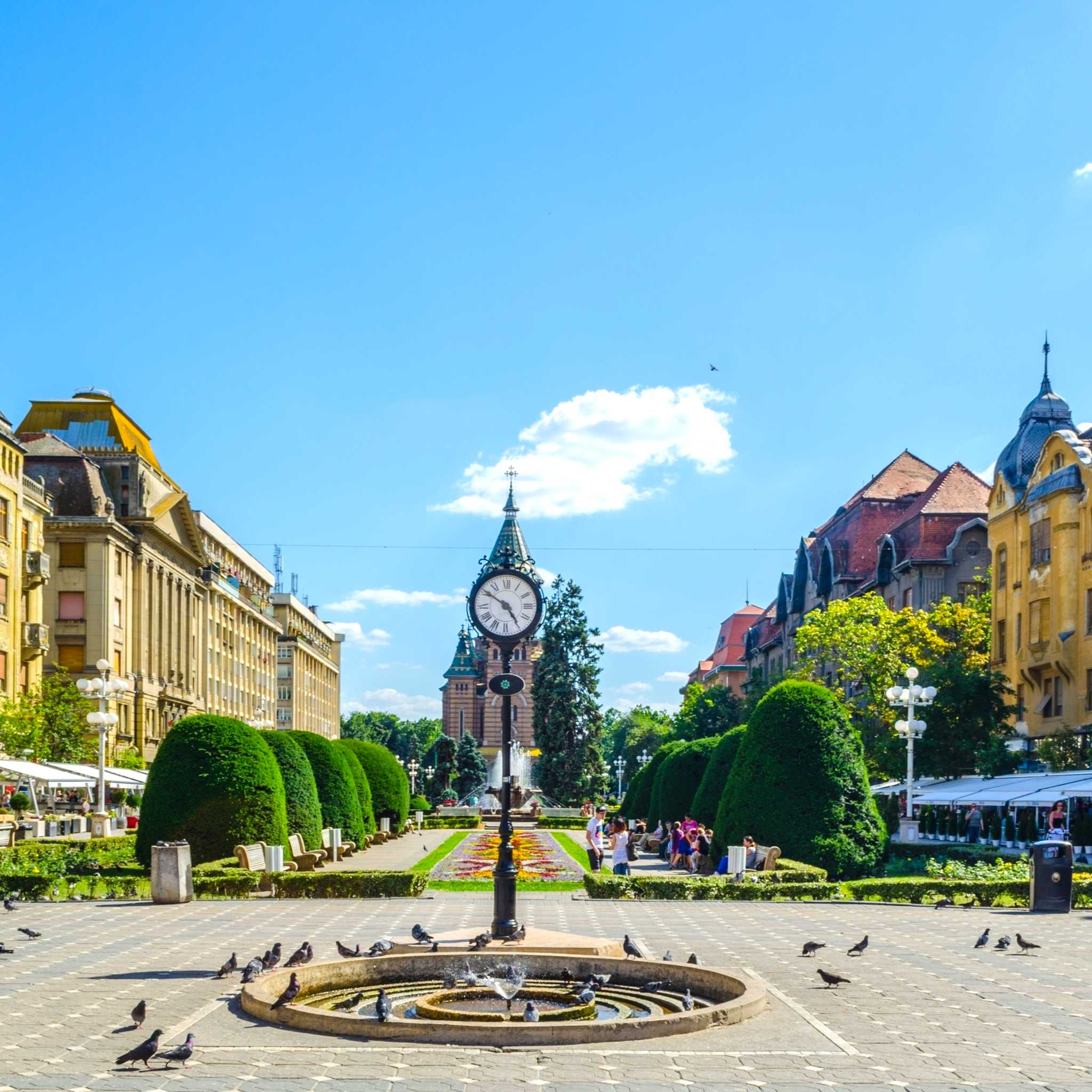
Yes. Vršac lies close to the Romanian border, roughly 77 km (48 miles) from Timișoara, making it a convenient day trip from either city. Whichever side you start from, going direct means no fixed timetables to work around, just your own pace between the Tower, the churches, and lunch in town.
Vršac sits about 84 km (52 miles) from Belgrade, and a private transfer typically covers the distance in roughly 1 to 1.5 hours depending on traffic. Public transport options exist but run less frequently and often involve connections, so a direct door-to-door ride keeps the day simple and predictable.
Half a day is enough to see the highlights: time at the Tower and its viewpoint, a walk through the two churches and the old marketplace, and a stop at the museum. With a private transfer from Belgrade, the full round trip still leaves room for a relaxed lunch in town before heading back.
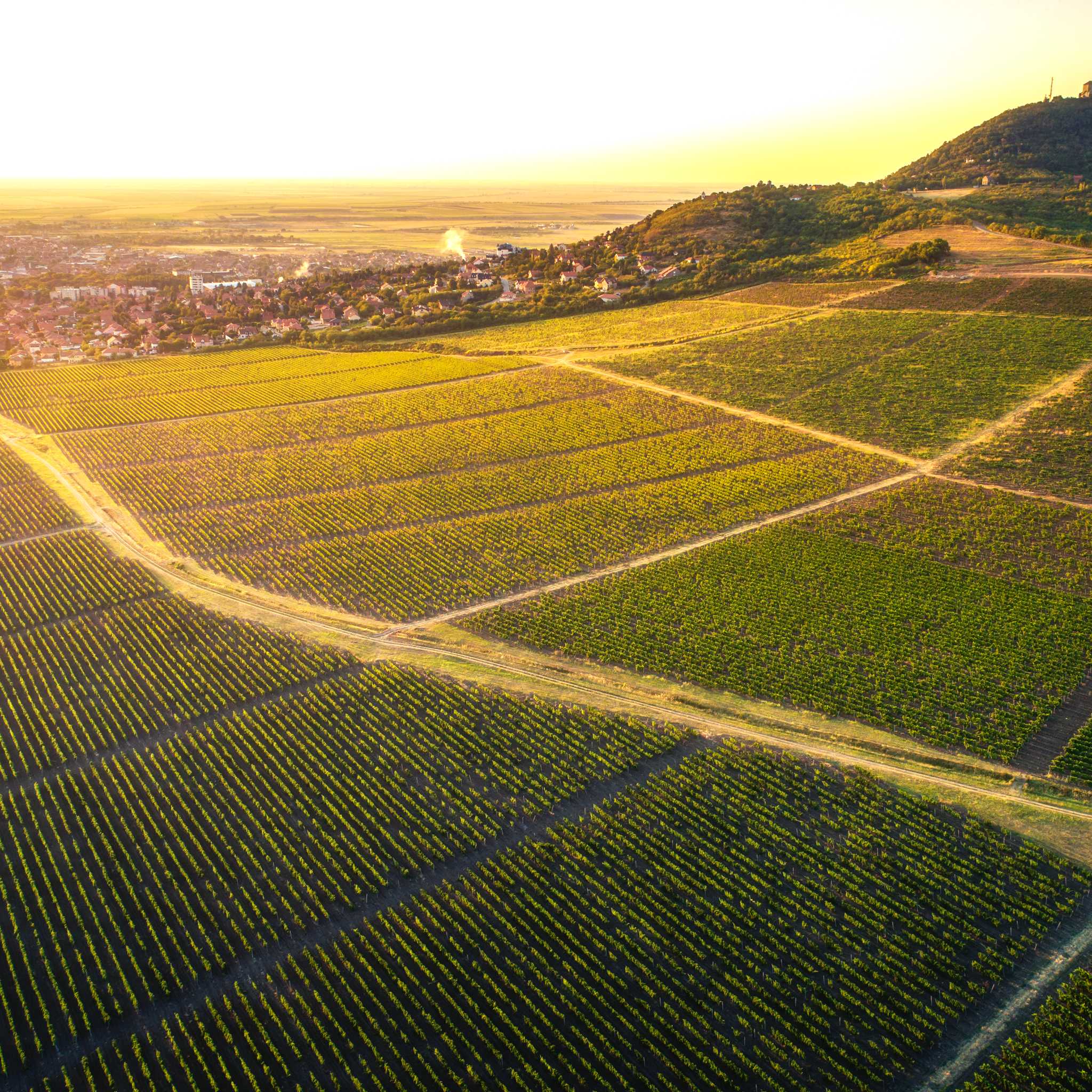
Yes, Vršac sits in one of Serbia's most established wine-producing areas, with vineyards stretching across the hills below the Tower. Many day-trippers pair a walk through town with a stop at a local winery for a tasting. Since you won't be the one driving, it's easy to enjoy a few pours responsibly and still get back to Belgrade comfortably the same day.
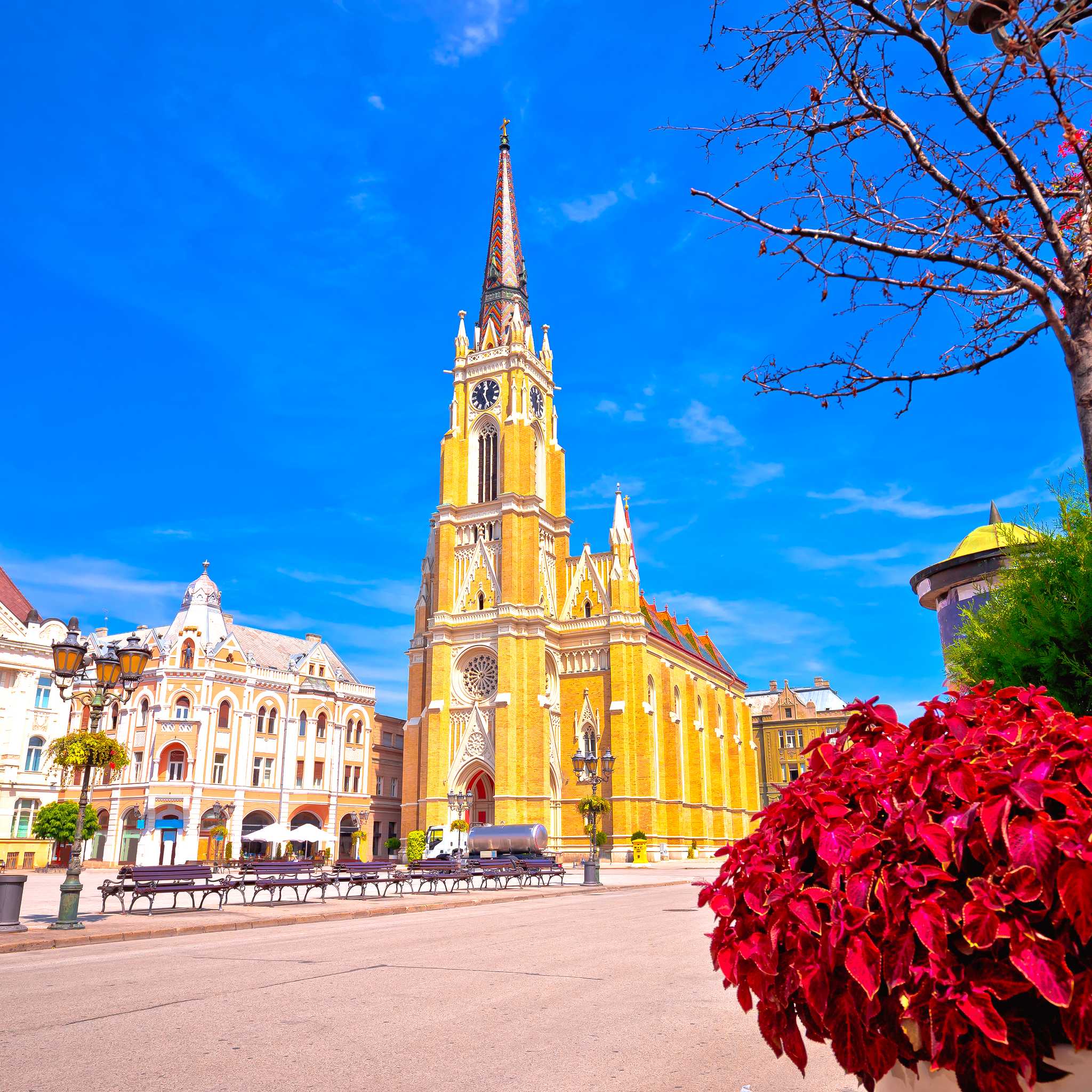
Start at the Vršac Tower, the hilltop fortress that gives sweeping views over the Vojvodina plain and the surrounding vineyards. In town, the neo-Gothic Roman Catholic Church, completed in 1863, is one of the largest and most elaborately painted churches in the region, while the 18th-century Orthodox cathedral holds vivid interior artwork by noted Serbian painters. The old marketplace is now a relaxed pedestrian square for a coffee stop, and the Vršac National Museum ties the town's story together, from its paleolithic roots to Ottoman rule and beyond.
Vršac packs centuries of history into one walkable town center, all watched over by a medieval fortress on the hill above it. Below the Vršac Tower, a neo-Gothic Catholic church painted floor to ceiling and a color-rich Orthodox cathedral sit just minutes apart. It's a quieter, uncrowded alternative to Serbia's busier stops, and its layered past, shaped by Ottoman rule and a strong German influence in the early 1900s, gives the town real character for a single afternoon.