转移国家Italy威尼斯威尼斯 到 罗马

私人汽车接送从 威尼斯 到 罗马

527km
单程
每人起价 €166
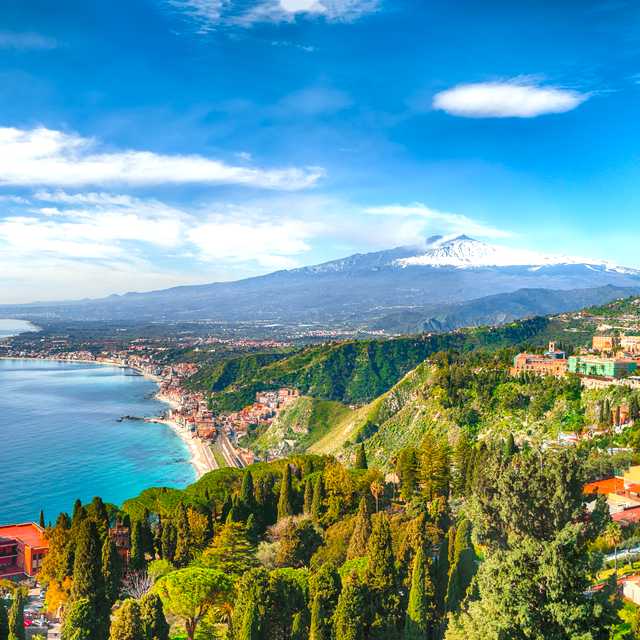
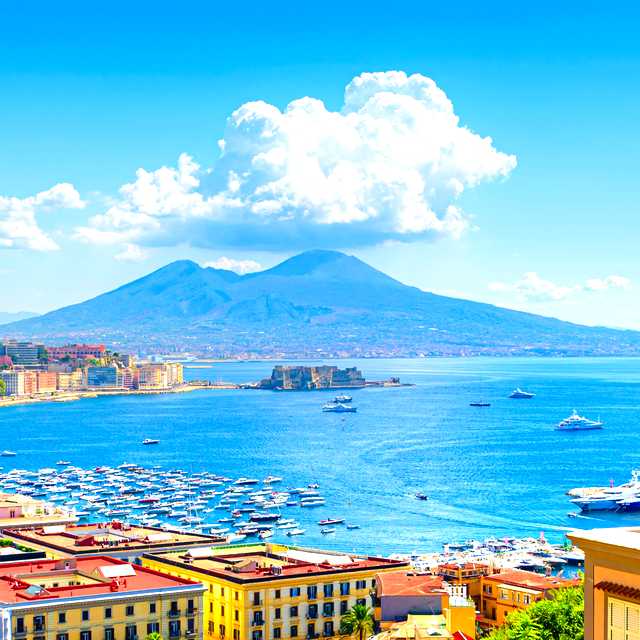
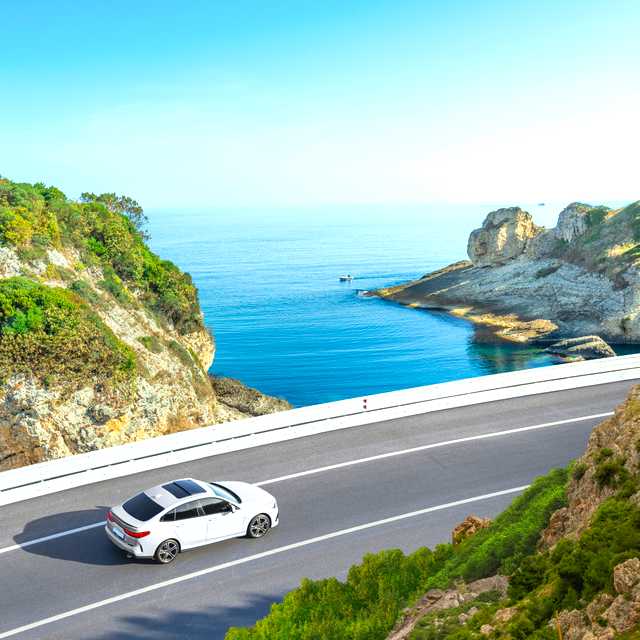
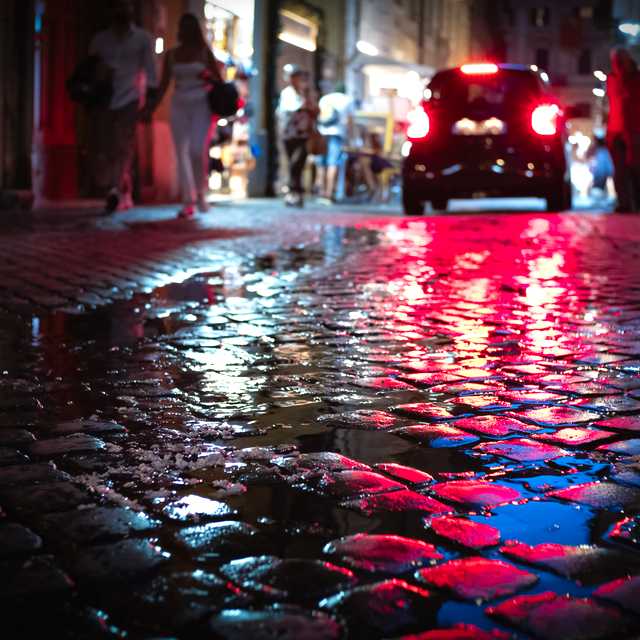
罗马 的风景 - 从 威尼斯 出发的私人 一日游 - 照片 1
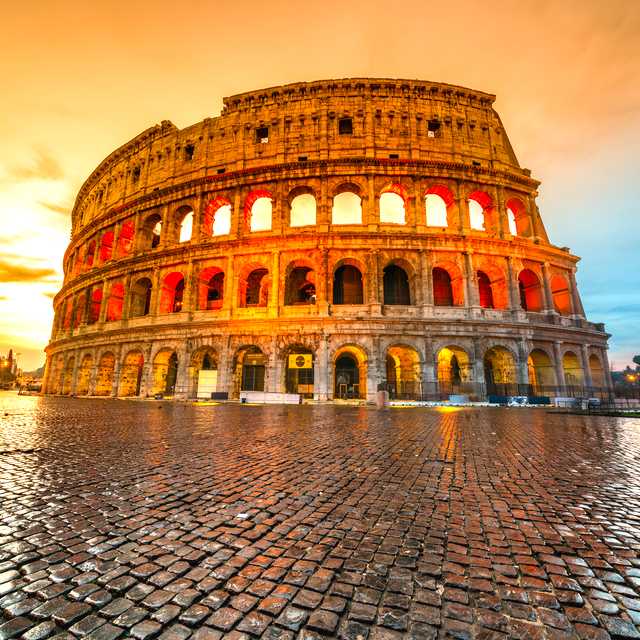
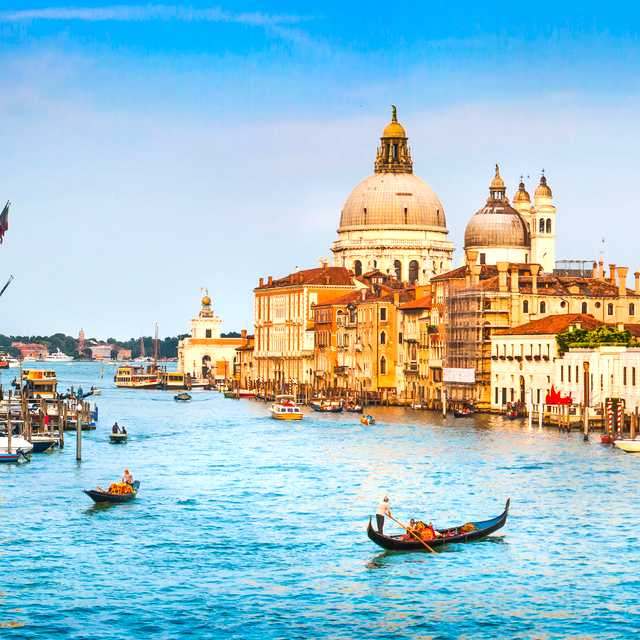
罗马 的风景 - 从 威尼斯 出发的私人 一日游 - 照片 2
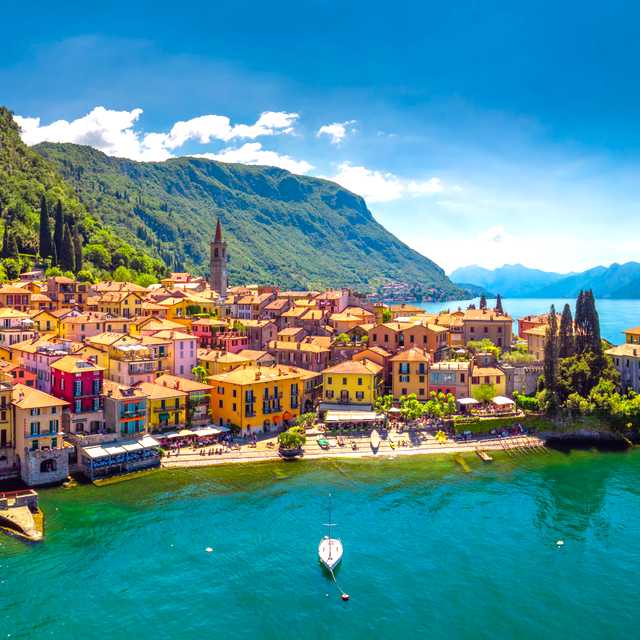
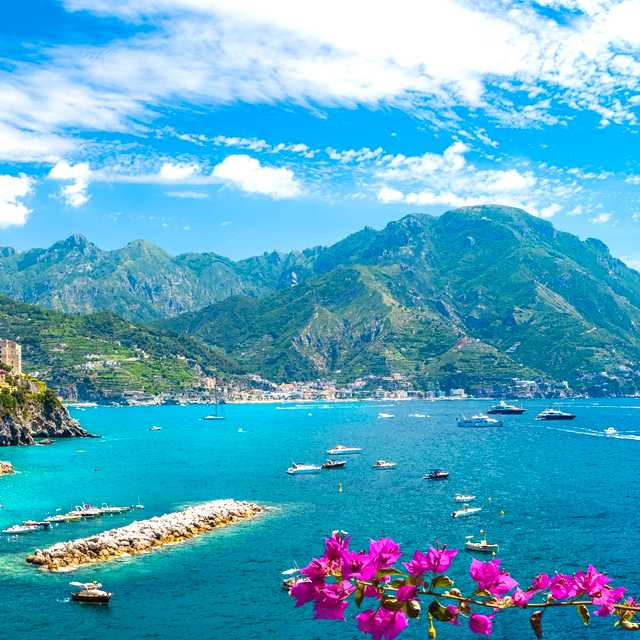
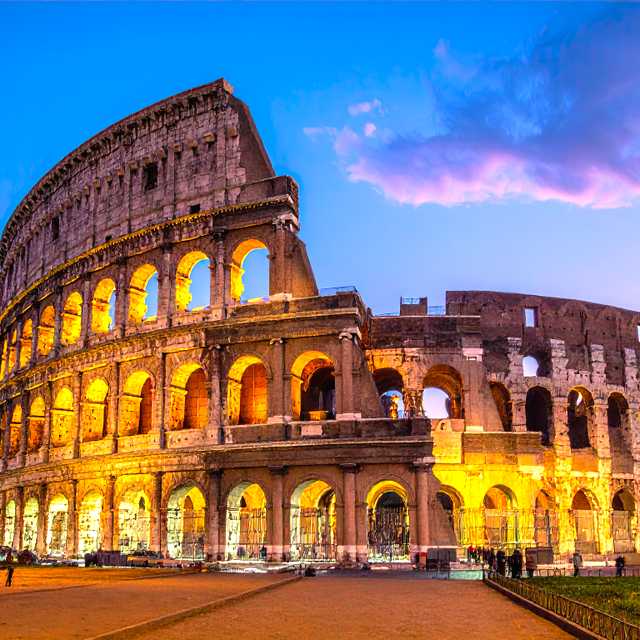
罗马 的风景 - 从 威尼斯 出发的私人 一日游 - 照片 3
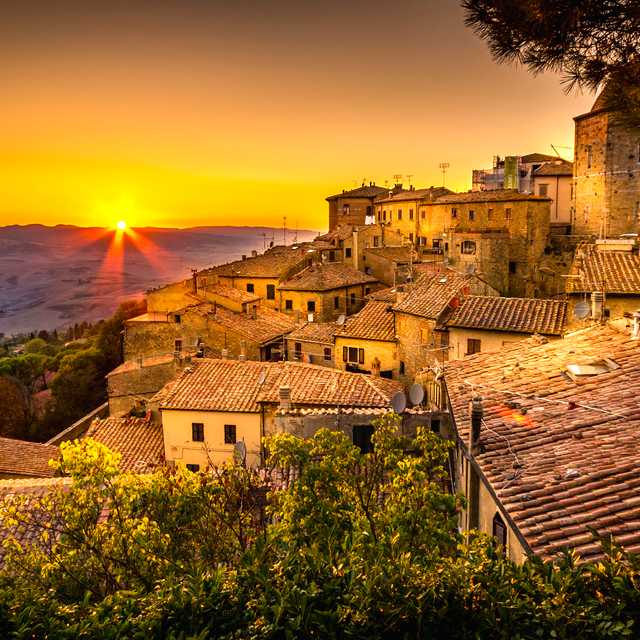
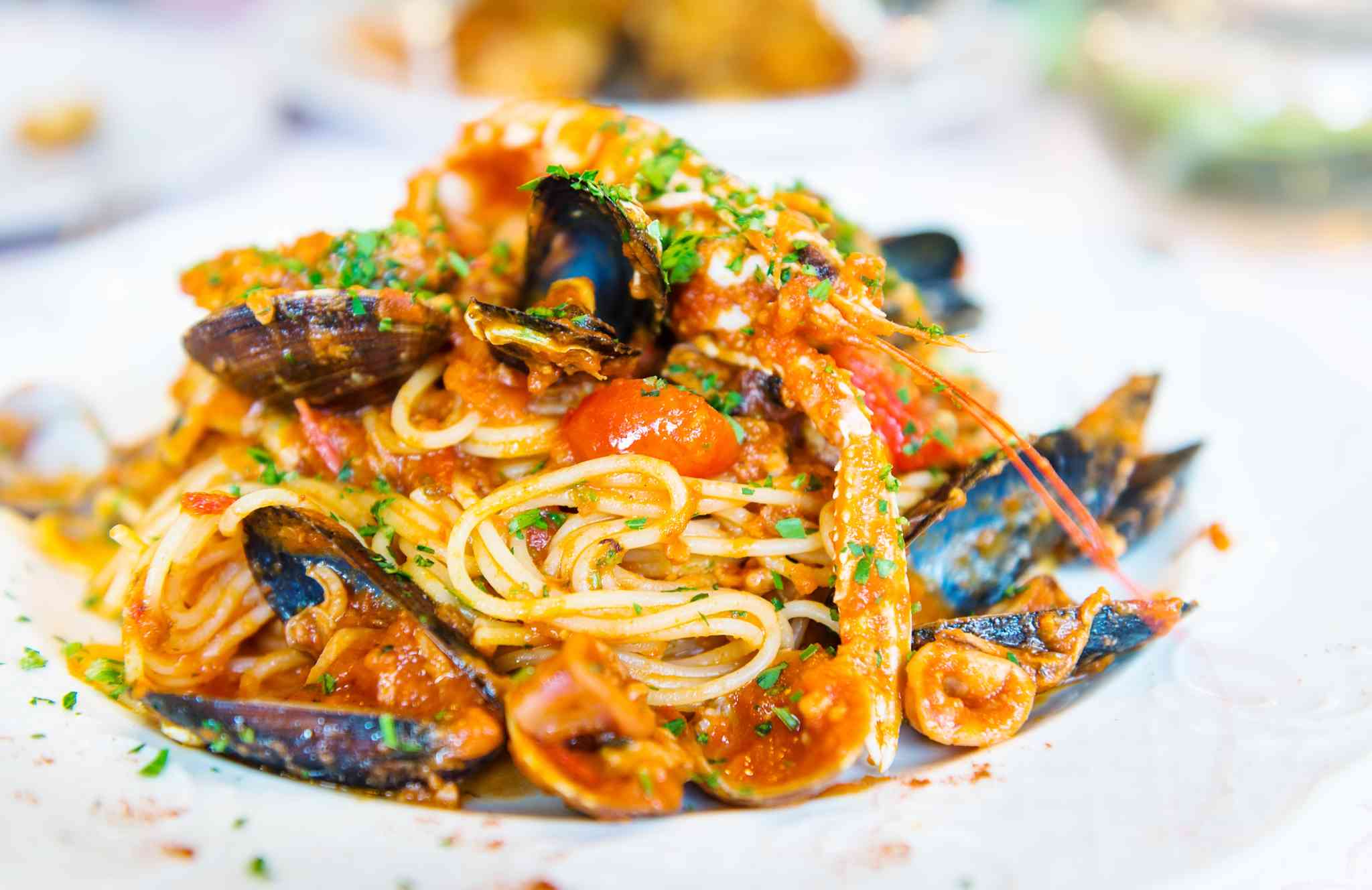
罗马 的风景 - 从 威尼斯 出发的私人 一日游 - 照片 4
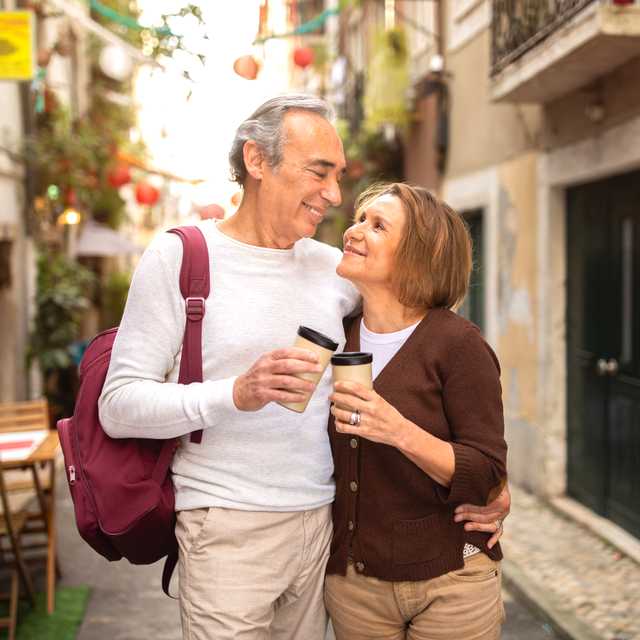
罗马 的风景 - 从 威尼斯 出发的私人 一日游 - 照片 5
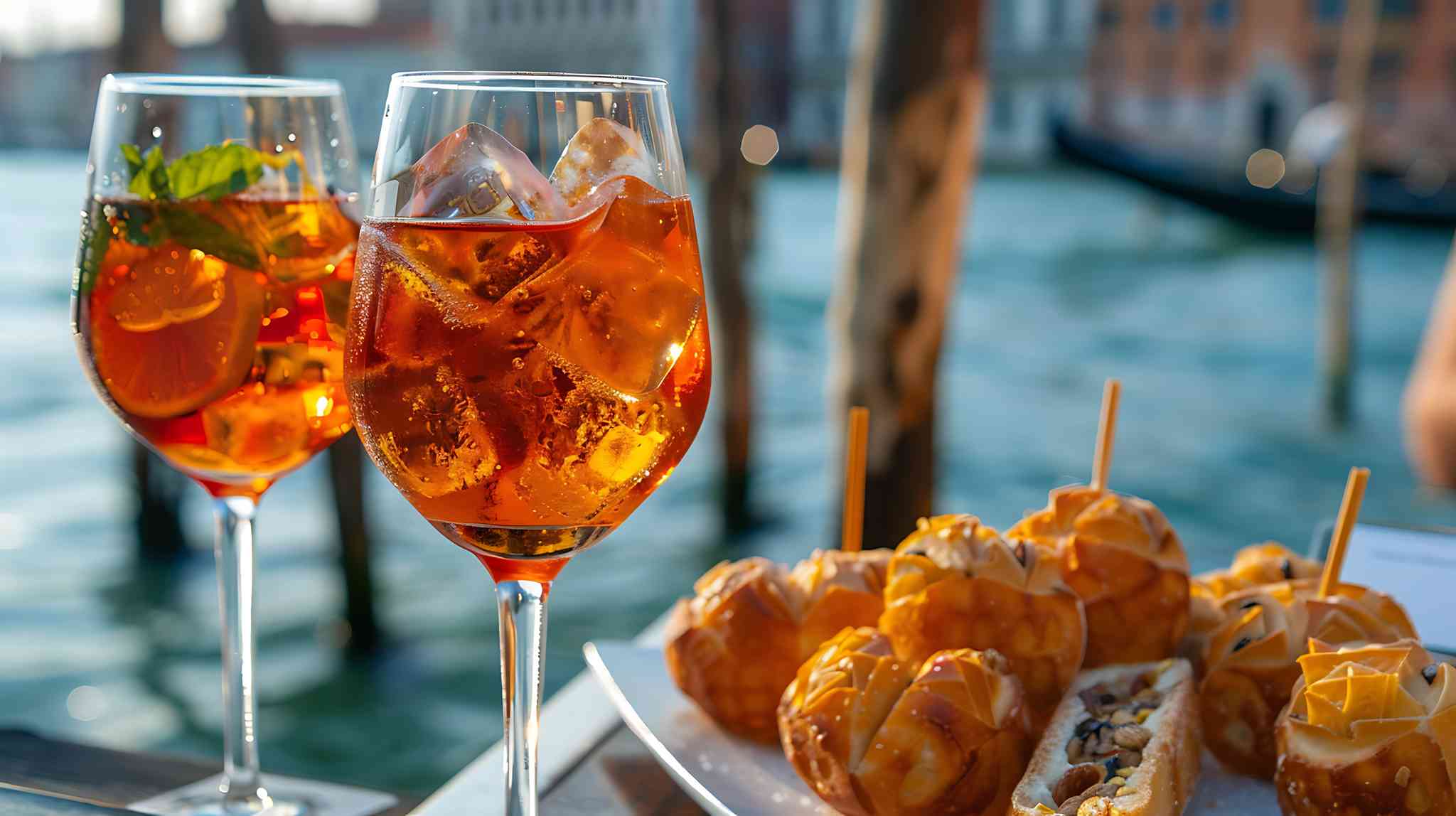
罗马 的风景 - 从 威尼斯 出发的私人 一日游 - 照片 6
罗马 的风景 - 从 威尼斯 出发的私人 一日游 - 照片 7
罗马 的风景 - 从 威尼斯 出发的私人 一日游 - 照片 8
罗马 的风景 - 从 威尼斯 出发的私人 一日游 - 照片 9
罗马 的风景 - 从 威尼斯 出发的私人 一日游 - 照片 10
1 / 10

私家转乘 5小时 20 分钟

527km
单程
每人起价 €166
受到 130 个国家 200 多万满意旅行者的信赖
5.0
Tripadvisor 旅行者之选 2026
5.0
5176
评论

包含内容

上门服务

在任何地址接送

包含航班跟踪

如果您的航班延误,您的司机将会等待

专业的讲英语的司机

当地专家,持有全面许可证和保险

干净的空调车辆

舒适 的 旅程 配备 气候 控制

免费取消

在出发前24小时内取消

包含 行李

每位乘客 1 件行李箱和 1 件随身物品

您的行程一览

5小时 20 分钟
527km
私人司机
上车点

您的司机将在 威尼斯 与您会面。

帮您拿行李
行程

您将享受舒适的旅程,持续 5小时 20 分钟。

无烟
儿童座椅
宠物友好型
空调
干净、舒适的车
可访问
免费取消
不要错过观光站!

以自己的节奏探索和发现这些沿途的隐藏宝藏

蒙塞利切城堡

佛罗伦萨

罗马

您的司机将在 罗马 将您送到您的地址。

上门服务
总距离↔ 527 公里
预计时间5小时 20 分钟

网络评分

独立旅行者反馈

值得注意

  • 儿童座椅可根据要求提供
  • 宠物友好旅行
  • 1 件托运行李 + 1 件随身行李 每位乘客
  • 可以添加额外或超大行李
  • 灵活付款: 在线信用卡 或 直接支付给司机
  • 出发前24小时免费取消
  • 提示未包含(可选 ~10%)
受到 130 个国家 200 多万满意旅行者的信赖
5.0
Tripadvisor 旅行者之选 2026
5.0
5176
评论

在出发时间前 24 小时内可免费取消

Car Trip from Venice to Rome

Venice, “The Floating City”, is renowned for its canals, intricate architecture, and unique maritime history that enchants every visitor. Its streets of water are set against the backdrop of ancient buildings. In contrast, Rome's eternal city offers a mosaic of history, where ancient ruins like the Colosseum and the Roman Forum coexist. The car trip from Venice to Rome bridges the gap between the Renaissance and the Roman Empire, offering a scenic journey through Italy.

Italy has so many diverse landscapes, from the flat plains of the Veneto region, through the rolling hills of Tuscany and Emilia-Romagna, and down to the metropolitan heart of Rome. Each is sprinkled with unique scenery and cultural flavor, making the drive a dynamic tour of Italy.

En route to Rome, this car journey offers a variety of places to explore to fill your trip with excitement and adventure. When you take a private car transfer from Venice to Rome with Daytrip, you can easily stop for sightseeing along the way. Don’t pass by Florence, “The Birthplace of the Renaissance”, where you can marvel at architectural masterpieces like the Duomo, as well as some of the finest Renaissance artwork in the world, including Michaelangelo’s “David”. There’s a good reason Florence is a UNESCO World Heritage Site! Or immerse yourself in a quintessential Tuscan hill town in Montepulciano. Wander the winding streets, to discover elegant Renaissance palaces, ancient churches, and vast panoramas across the valley below. Wash down the experience with a glass of Vino Nobile, one of Italy’s best varieties. It’s not every day that you get to explore two vastly different cities with historical significance within the same day! From the serene waters in Venice to the ruins of Rome, the drive extends a unique perspective on the geographical and cultural diversity. Let’s get into Rome's storied past and ever-growing present.

About Rome

Embarking on a journey from Venice to Rome, you’ll transition from the canals of Venice to the bustling streets of Rome. This city, rich in history, art, and culture, offers a comprehensive insight into the evolution of Western civilization through its monuments, art, and urban fabric.

Reaching far back into Rome’s history

The story of Rome is one of legendary origins, strategic might, and cultural hegemony. According to myth, Rome was founded by Romulus and Remus in 753 BC. Its real strength, however, lay in its Republic and later, the Empire that expanded Rome’s influence across Europe, North Africa, and the Middle East. \ \ The remnants of this era, including the Colosseum, the Roman Forum, and the Pantheon, stand as testaments to Rome's architectural and engineering prowess.

Republican and imperial eras: These periods saw the construction of monumental works that demonstrated Rome's authority and sophistication. Aqueducts, temples, and forums illustrated the city's role as the heart of an empire. Transition to Christianity: With the Edict of Milan in 313 AD, Rome transitioned from paganism to Christianity, and they decriminalized the religion. The construction of St. Peter’s Basilica and the Lateran, among others, marked this significant transformation. ### To the Renaissance and beyond The Renaissance ignited in Rome a fervor for art and humanism, attracting artists and scholars who sought to revive the glory of antiquity. This era left a mark on the city, with works by artists such as Michelangelo, Raphael, and Bernini defining the cityscape. Patronage of the arts: The Papacy played a crucial role in this artistic renaissance, commissioning works that would come to symbolize Christian devotion and the humanist spirit. Baroque blooms: Following the Renaissance, the Baroque movement endowed Rome with its dramatic spaces and elaborate decorations. The twisting columns of Bernini's Baldachin and the expansive piazza of St. Peter's are enduring symbols of this period. ### Rome today: a city of layers Modern Rome is a palimpsest, with each era’s contributions layered over the last. The city's historical significance is matched by its vibrant contemporary life, where ancient ruins serve as the backdrop for daily activities. Cultural life: Rome's theaters, galleries, and music venues are a must! The MAXXI and the Auditorium Parco della Musica are centers for contemporary arts and performances. Public spaces and urban life: The city's piazzas are centers of social life, where cafes and restaurants spill out onto cobblestone streets. The Campo de' Fiori, Piazza Navona, and the Spanish Steps are just a few examples where history and modern life intersect.

From Venice to Rome: travel tips

Traveling from Venice to Rome is more than just a transition between two of Italy’s most \ illustrious cities; it is an expedition through culture. To ensure a smooth and enriching time, here are essential travel tips covering safety, packing essentials, local customs, and more.

Preparing for your journey

What to bring: Italy’s diverse climate calls for versatile clothing options. Light, breathable fabrics work best for the warmer months, while layers are crucial for cooler periods. Comfortable walking shoes are a must for exploring the cobblestone streets of Rome. Don’t forget a power adapter for Italy’s outlets and a portable charger to keep your devices powered throughout the day.

Travel Insurance: Always secure travel insurance that covers medical expenses, theft, and trip cancellations. Rome is generally safe, but better safe than sorry.

### Navigating Italian customs Cultural sensitivity: Italy is a country with deep-rooted traditions and customs. When visiting religious sites in Rome, such as the Vatican, modest dress is required; shoulders and knees should be covered. Language: While many Italians in tourist areas speak English, learning a few key Italian phrases will enrich your interactions and show respect for the local culture. Phrases like “buongiorno” (good morning), “per favore” (please), and “grazie” (thank you) can go a long way. ### Safety and etiquette Pickpocketing precautions: Like any major city, Rome has its share of pickpockets, especially in crowded areas like the metro or popular tourist sites. Keep your valuables secure and be mindful of your belongings. Respecting sites: Rome’s historical sites are treasures of human heritage. Always follow guidelines and respect barriers put in place to protect these irreplaceable sites. ### Making the most of your trip Local cuisine: Italian cuisine is renowned worldwide. And Rome provides a chance to experience it authentically. Venture beyond the tourist spots to where the locals eat; try specialties like cacio e pepe or carbonara for a taste of Roman culinary tradition. Exploring beyond the highlights: While the Colosseum and Vatican are must-sees, Rome’s charm also lies in its less-visited corners. The Trastevere neighborhood, with its narrow lanes and ivy-covered walls, grants a glimpse into the everyday life of Romans.

How to get from Venice to Rome

Going from Venice to Rome presents a variety of options, each suited to different preferences and requirements. This journey covers a significant distance through Italy’s heartland.

Venice to Rome by train

The Italian railway system provides a convenient and efficient way to traverse the distance between Venice and Rome. High-speed trains, such as the Frecciarossa, deliver passengers to their destination in just over 3.5 hours, making this the fastest way to travel from Venice to Rome.

  • Pros: Beyond speed, trains impart a glimpse into what Italy really looks like through panoramic windows, making the ride an integral part of the travel experience.
  • Cons: While train travel is efficient, it can be pricey, especially for last-minute bookings. Planning and early booking can mitigate cost concerns.
  • Tickets: Costs can range significantly, influenced by factors like booking time, flexibility, and desired class of service. Early planning can secure fares as low as $33, offering both value and convenience.
### Venice to Rome by rental car For those who prefer the autonomy of a car, renting a vehicle provides the freedom to explore off the beaten path, discovering small towns, local eateries, and hidden landscapes that lie between Venice and Rome. Pros: the drive yields flexibility and personal space. Cons: challenges include navigating Italy’s highways, tolls, and the often-daunting task of finding parking in Rome’s bustling center. Rome is one of the most congested cities in Europe, so driving is not to be taken lightly. Cost: While rental fees vary, additional expenses such as tolls, fuel, and parking can add up, making it essential to budget accordingly. ### Flight from Venice to Rome Flying from Venice Marco Polo Airport to Rome’s Leonardo da Vinci-Fiumicino Airport sounds like it would be the fastest option, with the flight time being a little over an hour. However, the total travel time, including transportation to and from the airport, check-in, security, and waiting for your bags will be at least 4 hours. Pros: The primary advantage is speed, with the total journey time, including airport procedures, still edging out train travel by a couple of minutes. Cons: Factoring in time for airport transfers, security checks, and boarding, the overall journey time can extend significantly, diminishing the speed advantage. It’s also the least pleasant way to travel. Cost: Flight prices fluctuate based on demand, season, and booking window. Competitive fares are often available from budget carriers, encouraging early booking for the best deals. ### Venice to Rome by private car transfer Daytrip’s private car transfer service is the most comfortable, convenient, and downright pleasant way to travel from Venice to Rome. Your private driver will meet you at Piazzale Roma (closer than the Venice Airport or train station) at your desired time and load up your luggage—much better than lugging it to some terminal and onto a bus or train. From there, you’ll set off to your final destination in Rome. Aside from the comfort and convenience, Daytrip sets itself apart from any other travel option by letting you stop for sightseeing on the way. We’ve already researched the best places to visit, so you don’t even have to do that! Just decide if you want to see the Renaissance masterpieces in Florence, sip wine in Montepulciano, or get some fresh air in the odd Sacro Bosco gardens. \ Along with these enriching sightseeing stops, you can learn more about Italian culture, or just get some tips on what to see and do in Rome from your English-speaking driver. You won’t be getting insights like that on a plane! As your journey comes to a close, you’ll be dropped off at your accommodation in Rome and your driver will again handle your luggage, saving you from the hidden expense of that last taxi ride from the airport, bus, or train station to your hotel. And you get all this for as little as $200 per person! \ \ But the best option is ultimately up to you. Choosing how to travel from Venice to Rome depends on individual priorities, whether they be time, budget, comfort, or the desire for a deeper connection with Italy. Each option proposes its own pathways and encounters.

Things to do when you get to Rome

Hitting the road from Venice to Rome brings you to an ancient metropolis teeming with things you’ve never seen before at every turn. When you get to Rome, you’ll find a city where past and present coalesce, presenting an endless array of activities.

Dive into the heart of history

  • The Colosseum: No visit to Rome is complete without stepping into the Colosseum. Engage in a guided tour to uncover the stories of gladiators and the spectacle of ancient Rome’s favorite pastime.
  • Roman Forum and Palatine Hill: Wander through the ruins of the Roman Forum, the epicenter of Roman public life, and climb Palatine Hill, where Rome’s legendary founders Romulus and Remus were said to have been raised by a she-wolf.
#### Vatican City: A sovereign monument to art and faith St. Peter's Basilica: This is one of the world's largest churches, home to Michelangelo's Pietà and a dome that dominates Rome's skyline, and it will make you say, “Wow”. Vatican Museums and Sistine Chapel: Set aside a day to explore the Vatican Museums. The Sistine Chapel, with Michelangelo’s ceiling and The Last Judgment, is something you’ll never forget. #### Renaissance and Baroque Rome Trevi Fountain: Make a wish at the Trevi Fountain, a Baroque masterpiece and one of the city's most beloved monuments. Piazza Navona: Experience the lively atmosphere of Piazza Navona, lined with Baroque palaces, cafes, and Bernini’s Fountain of the Four Rivers. #### Embrace Rome’s artistic soul Galleria Borghese: This art gallery in the heart of Villa Borghese Park houses an impressive collection of sculptures by Bernini and paintings by Caravaggio, Raphael, and Titian. Street art in Ostiense: For a contemporary contrast, the Ostiense district showcases street art, reflecting modern themes and Rome’s evolving artistic expression. #### Culinary journey through Roman cuisine Authentic dining: Venture beyond the tourist spots to local trattorias where dishes like cacio e pepe, carbonara, and Roman-style artichokes give you a chance to try real Roman food. Markets and food tours: Explore markets such as Campo de' Fiori or join a food tour for a comprehensive sampling of Roman and Italian specialties, from supplì to gelato. #### Unique experiences Catacombs and the Appian Way: Discover Rome’s early Christian history with a visit to the catacombs, followed by a stroll or bike ride along the ancient Appian Way. Aventine Keyhole: For a magical view of St. Peter's Basilica framed by a keyhole, the Aventine Keyhole on the Knights of Malta’s door is a must-see. #### Nightlife and leisure Step outside: Rome’s piazzas, particularly Piazza Navona and Piazza di Spagna, bestow a vibrant scene for evening strolls. The Trastevere district, known for its lively nightlife, invites visitors to experience Rome after dark. Plus Rome has some really fun clubs with international party-goers. Tiber River Cruise: A gentle cruise on the Tiber River provides a serene and romantic way to see the city's illuminated beauty, offering a tranquil escape from the bustling streets.

When is the best time to visit Rome

Each season in Rome comes with a distinct experience, but in general, spring and fall are the best times to visit Rome. The weather is warm and pleasant, rather than sweltering like in the summer, and most importantly, there are fewer tourists, so you’ll have a better time walking the streets and touring the museums.

Spring (March to May) in Rome ushers in mild temperatures and is ideal for exploring outdoor ruins and gardens. There’s a gradual increase in tourists as summer approaches and a huge influx around Easter due to Vatican-related events.

Summer (June to August) in Rome is hot, with temperatures often soaring above 86° F (30° C). You’ll want to limit outdoor sightseeing to the morning or late evening and spend the afternoons in the museums. However, tourist numbers peak during this time, leading to longer queues at major attractions. Book your tickets for activities in advance! Autumn & winter see cooler temperatures and occasional rain showers, but it makes for pleasant conditions for walking tours and countryside excursions. There are also fewer crowds, especially after October, so you’ll have an easier time finding deals on accommodation. Things pick up again around Christmas as the faithful descend on the Vatican.

Daytrip是体验全球14,800+个城市的最便捷方式。

每位旅行者都应当深入了解他们所访问国家的文化。地球上每一个美妙的地方都值得被参观和欣赏。我们相信,独特的本地知识和真实的人际联系在真正理解另一种文化时是不可替代的。

我们被刊登在

usa-travel logo
forbes logo
huffpost logo
monocle logo
wanderlust logo
aileen logo
World dotted map
与Daytrip一起驾驶
我是旅行社代理