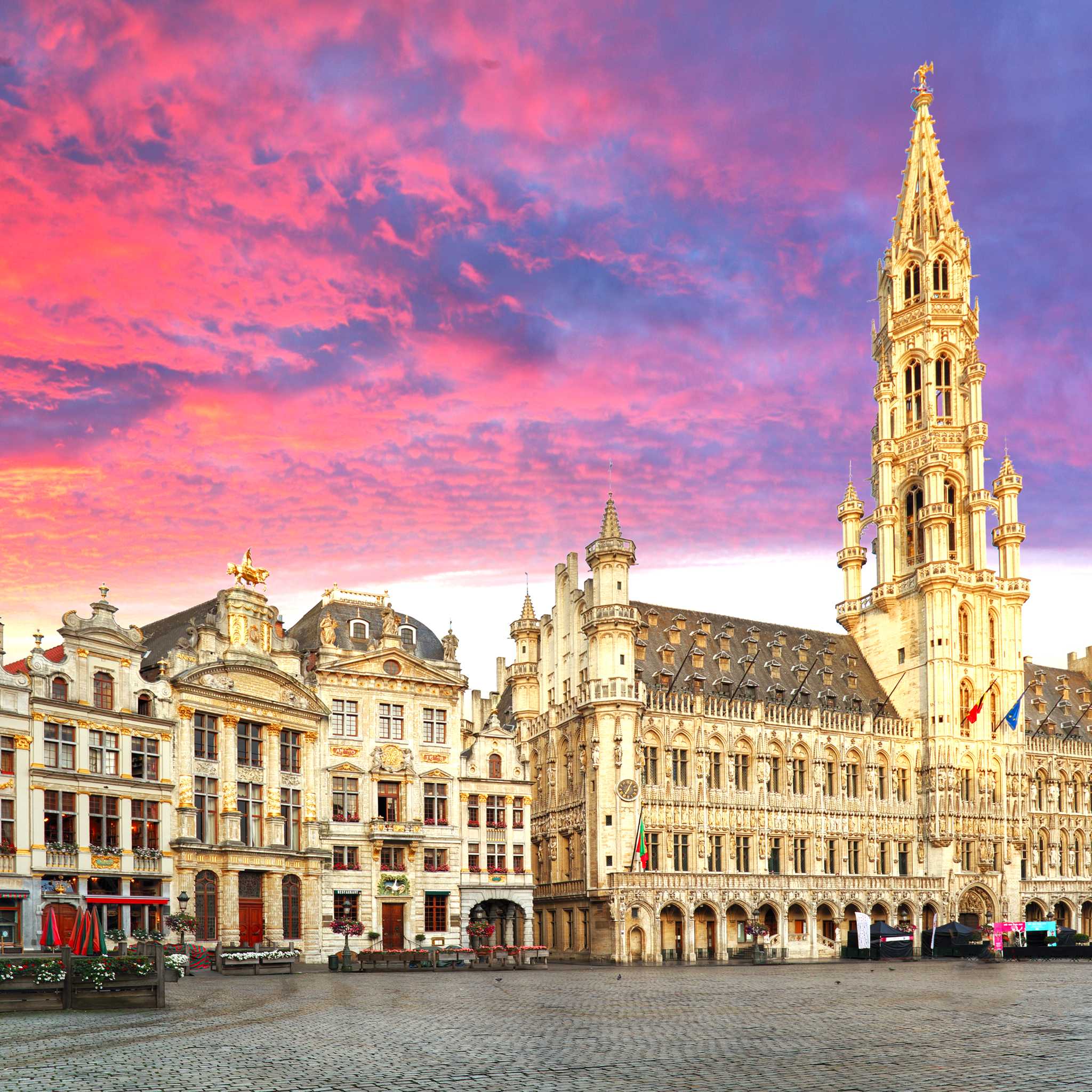
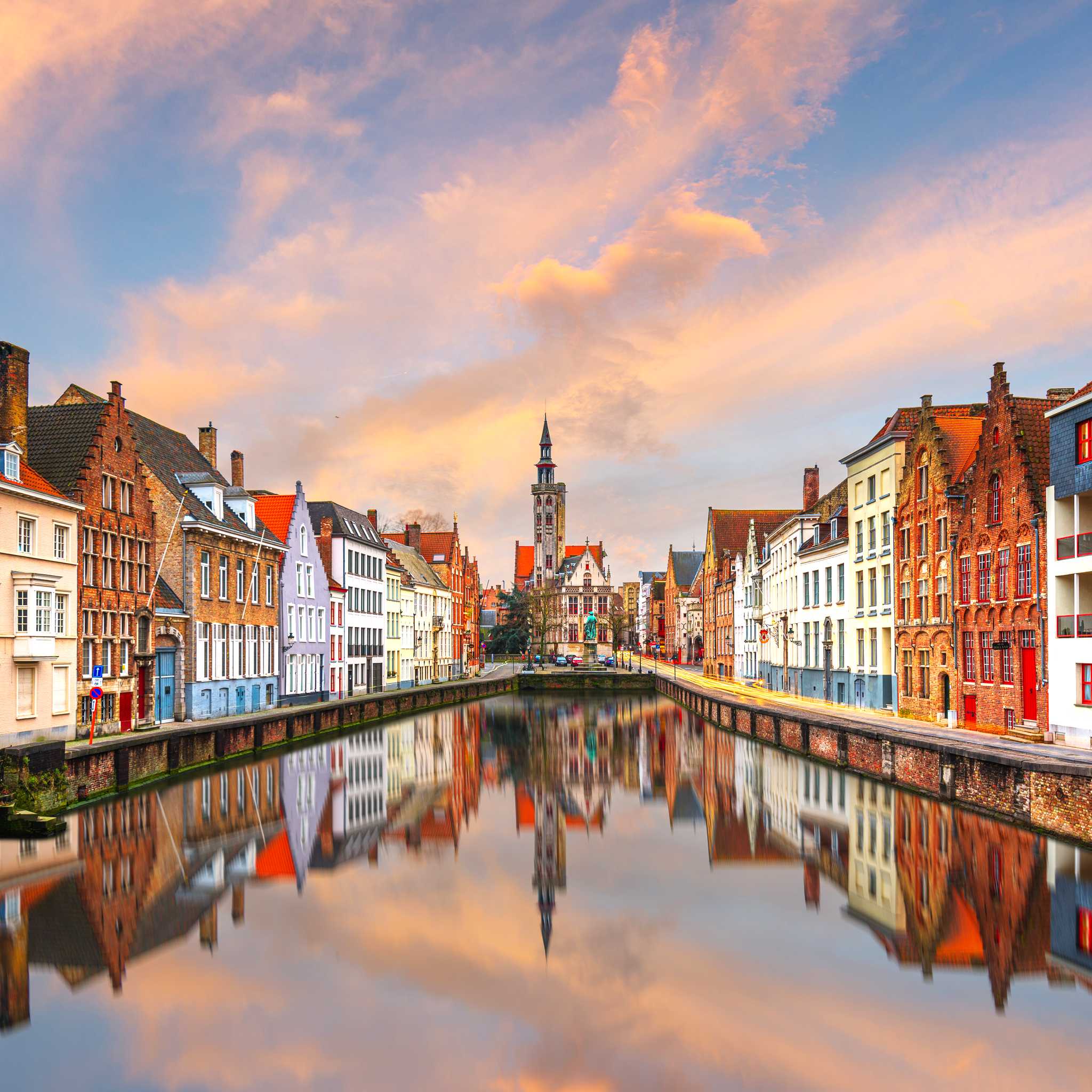
Yes, and the geography works well for this. The corridor between Lille and Valenciennes passes through the former coal-mining landscape of the Hauts-de-France region — an industrial heritage now recognised for its architectural and social history, including the UNESCO-listed mining sites of the Nord-Pas de Calais basin. Travelling from Brussels, the route crosses the Franco-Belgian border and passes through several smaller towns with their own medieval centres. When booking a Daytrip private transfer, you can add optional stops along the way, turning the journey into part of the day rather than dead time between destinations.
From Lille, Valenciennes is approximately 50 km (31 miles), a drive of around 40 to 50 minutes by private transfer. From Brussels it is roughly 100 km (62 miles), typically around an hour to an hour and a half depending on traffic and your starting point in the city. Both cities make practical bases for a day trip. Arriving by private transfer means you start exploring immediately on arrival rather than navigating public transport connections in an unfamiliar city.
A focused half-day covers the Musée des Beaux-Arts and the Belfry with time to walk the historic centre. A full day lets you move at a more relaxed pace, explore the old town streets, visit the church of Saint-Géry with its medieval origins, and linger over lunch — the city has a strong regional food culture drawing on both French and Belgian influences given its proximity to the border. If you are travelling from Lille, even a half-day is practical. From Brussels, a full day makes the journey more worthwhile.
The museum holds an extensive collection built around the city's artistic heritage, with particular strength in Flemish and Dutch painting from the 16th to 18th centuries and significant French academic works from the 19th century. There is a dedicated section on Watteau and his contemporaries, giving context to how this specific city shaped a European-wide artistic movement. The building itself, a classical structure in the heart of the city, is worth time on its own. Plan for at least two hours if you want to move through the permanent collection without rushing.
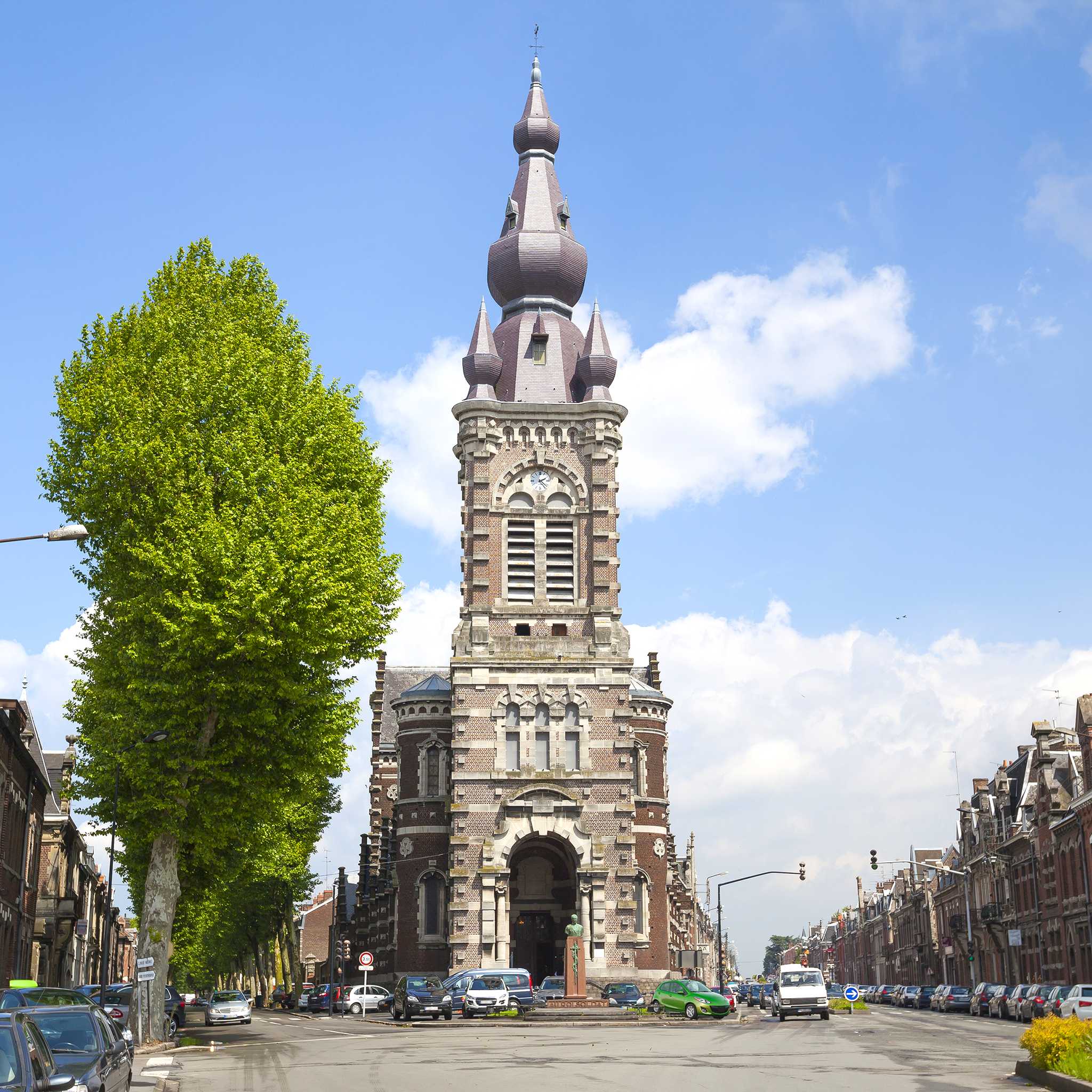
The Belfry of Valenciennes is part of the UNESCO World Heritage inscription covering the Belfries of Belgium and France — a group of civic towers recognised for their role as symbols of municipal independence and identity in the medieval Low Countries. Rather than a religious monument, it represents the political history of the city: the right of citizens to govern their own affairs, ring alarms, and mark time independently of the church. Seeing it in person connects the city's story to a shared heritage that runs across the entire Franco-Belgian border region, making it worth a deliberate stop rather than a passing glance.
The title dates to the 17th and 18th centuries, when Valenciennes produced a remarkable concentration of artists, architects, and intellectuals for a provincial city of its size. The most famous is Jean-Antoine Watteau, the painter who invented the "fête galante" genre and profoundly influenced European Rococo art — he was born here in 1684. The Musée des Beaux-Arts holds one of the strongest fine art collections outside Paris, with Flemish, Dutch, and French works spanning several centuries. For a city rarely on the standard tourist circuit, Valenciennes consistently surprises visitors with the depth and quality of what it has to offer.