From the mid-19th century onward, German settlers arrived in Valdivia in significant numbers, transforming a Spanish colonial port into something that looked and tasted more like Bavaria. They built timber-framed houses, founded breweries, opened sausage shops, and established a cultural identity so distinct that it persists visibly today. General Lagos Street still lines up rows of Germanic architecture. Cervecería Kunstmann, one of Chile's most recognized craft breweries, traces its roots directly to that immigrant wave. The beer capital nickname is not marketing — it is history.
The 1960 Valdivia earthquake is the most powerful ever measured, and its effects on the city and surroundings were permanent. The resulting tsunamis and land subsidence flooded large areas around Valdivia, turning farmland and low-lying districts into wetlands that never drained. Rather than a scar, these areas have become a distinctive natural asset — the flooded zones are now protected wetland reserves that shelter birdlife and give Valdivia a semi-wild waterscape unusual for a city of its size. The earthquake's legacy is woven into both the geography and the local sense of identity.
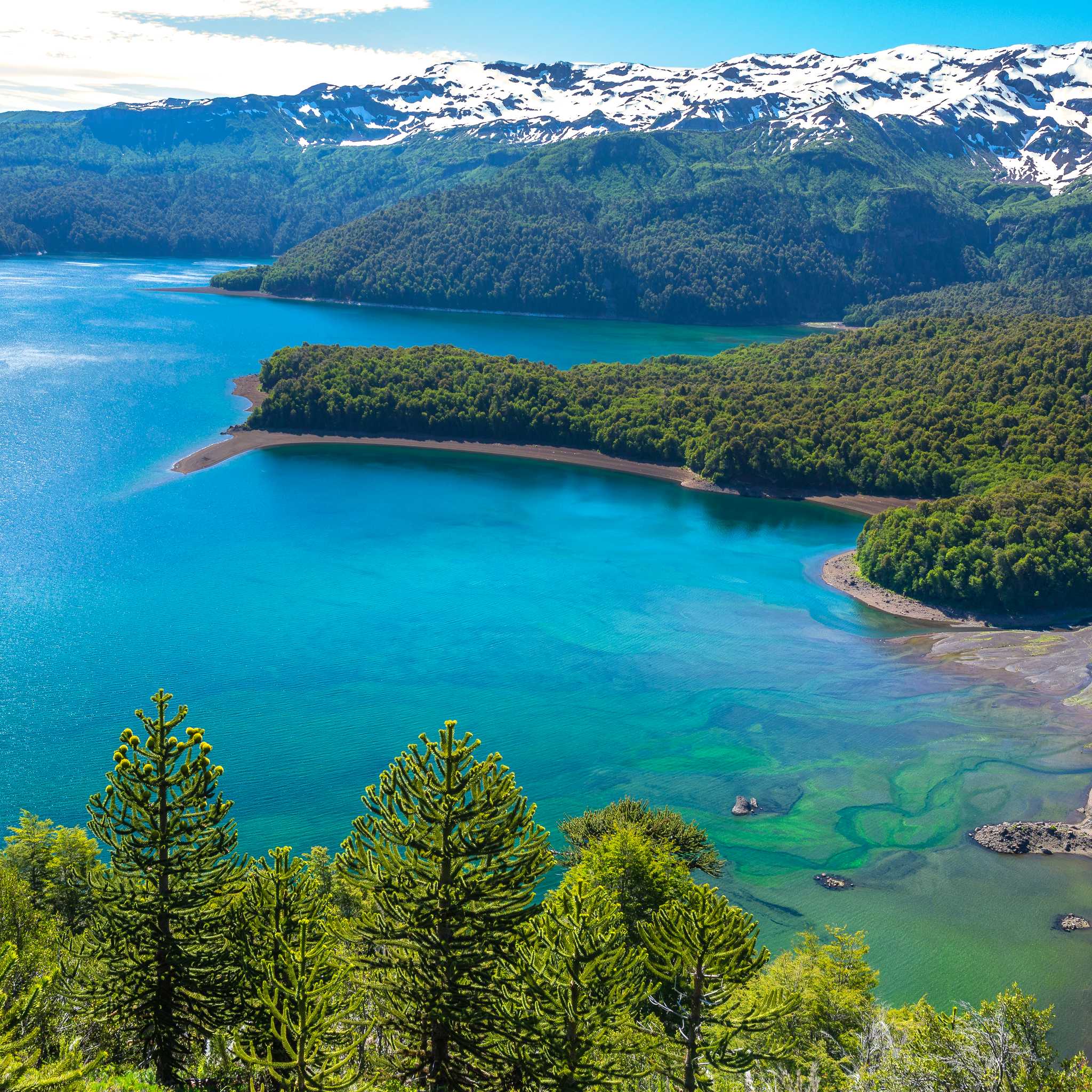
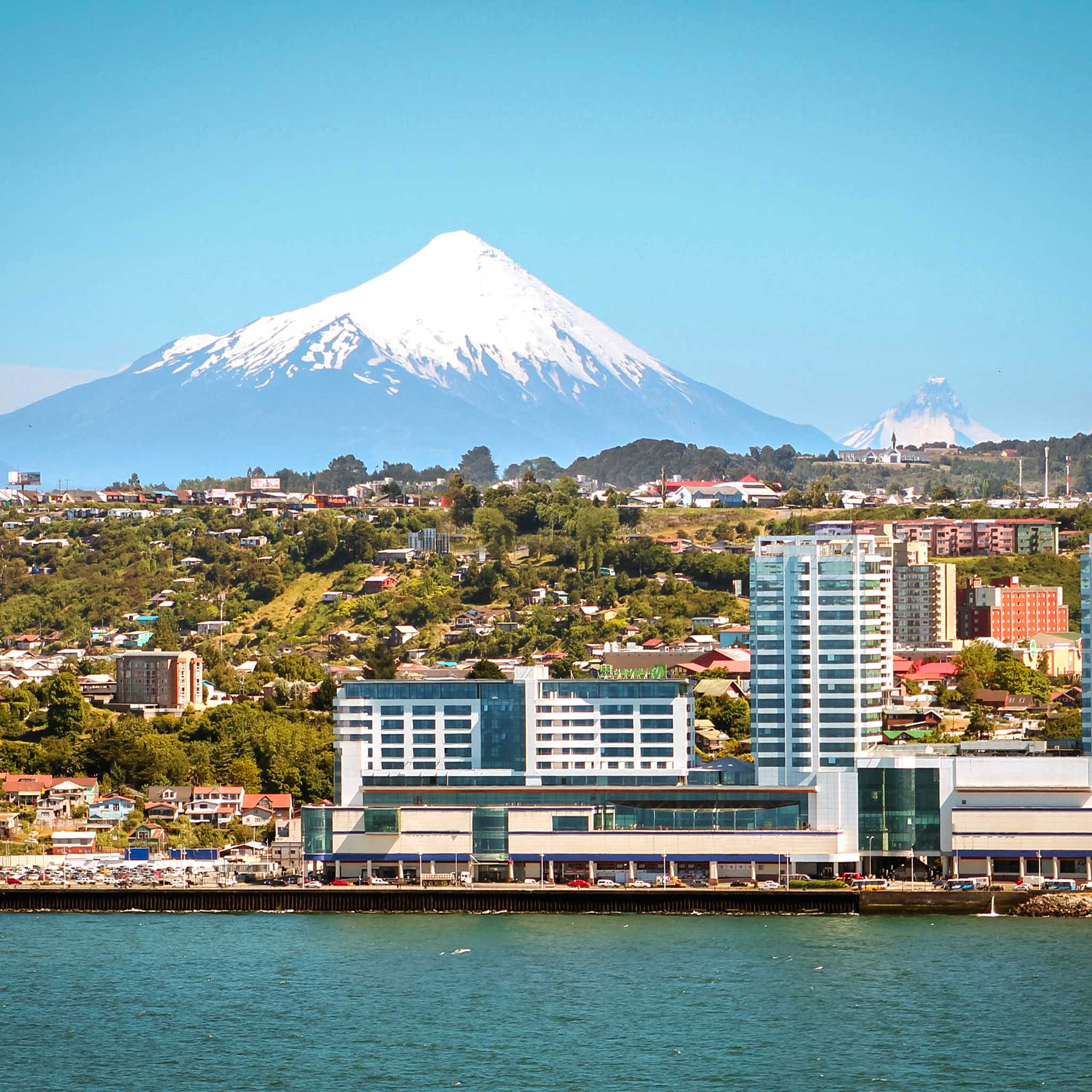
Valdivia sits roughly 160 km (99 miles) south of Temuco and approximately 100 km (62 miles) north of Osorno. From Puerto Montt the distance is around 215 km (134 miles). Travel times by private transfer are typically 2 to 2.5 hours from Temuco, around 1 to 1.5 hours from Osorno, and approximately 2.5 to 3 hours from Puerto Montt, depending on conditions. The Lake District's scenery makes these drives genuinely enjoyable, and a private transfer lets you stop at viewpoints or roadside spots along the way rather than committing to a fixed bus timetable.
Few cities in Chile carry as many distinct layers of history as Valdivia. It was one of the most heavily fortified outposts in the Spanish Empire, then reshaped almost entirely by German immigrants in the 19th century who built breweries, sausage houses, and Central European-style architecture along the riverbanks. In 1960 the strongest earthquake ever recorded struck the region, permanently flooding pastures and parts of the city and creating wetlands that are now protected natural reserves. The result is a city that feels genuinely unlike anywhere else in the country — part colonial ruin, part Bavarian village, part rewilded landscape.
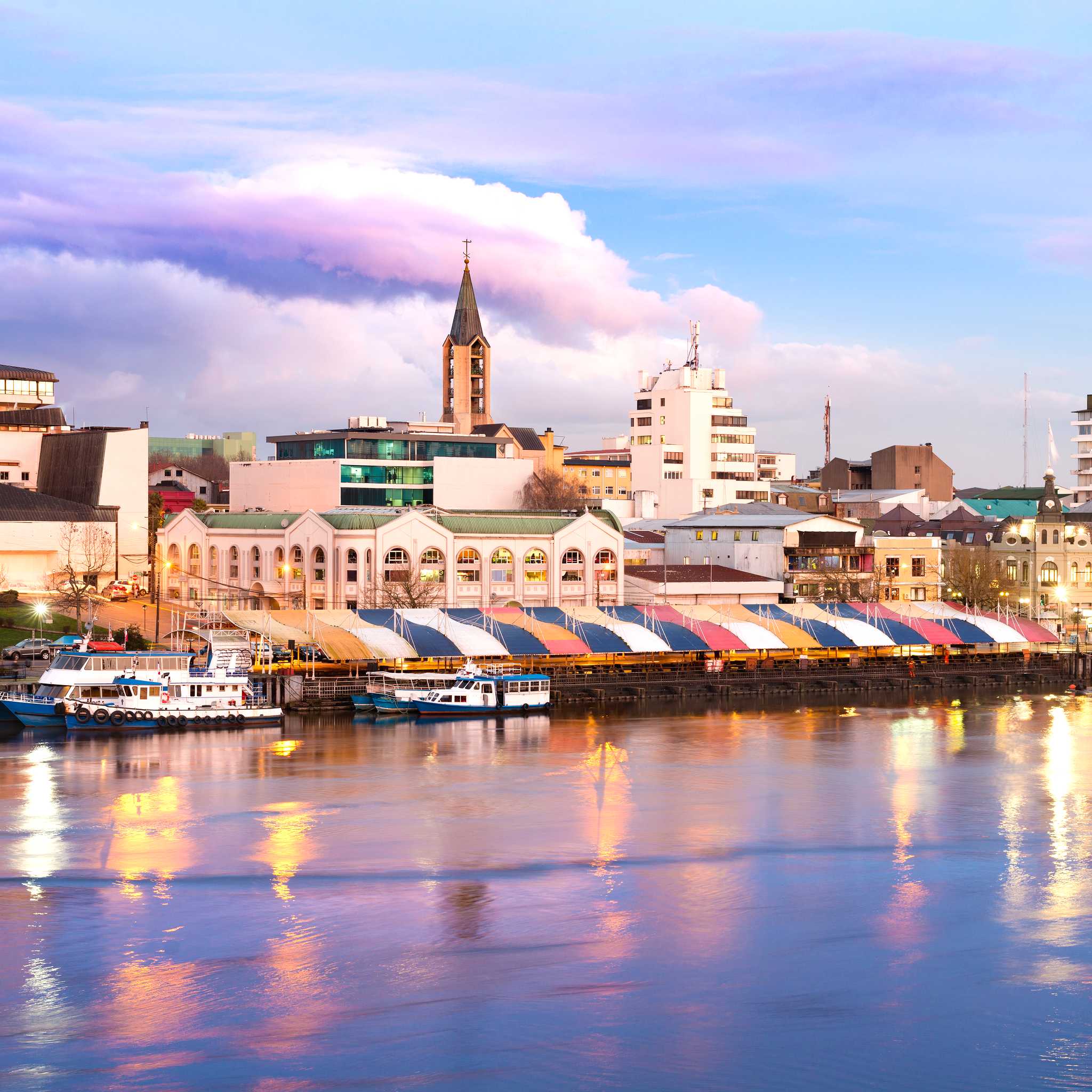
The riverside market is the natural starting point. It sits along the waterfront and gives you an immediate sense of the city's character — you can watch fishing boats unload, buy local produce, and feed the sea lions and pelicans that have made the docks their permanent home. From there, walk to General Lagos Street to see the well-preserved German-style houses and grab a sausage from one of the traditional spots. If you have time before your return, head out to Cervecería Kunstmann on the outskirts to learn about the city's brewing heritage over a cold beer.