No vaccinations are required for most travelers visiting Costa Rica from North America or Europe, though routine immunizations should be up to date. It is wise to use insect repellent to prevent mosquito-borne illnesses, drink bottled or filtered water in rural areas, and apply sunscreen often due to the strong tropical sun.
Uvita is generally safe and known for its relaxed, friendly atmosphere. As with anywhere, basic precautions apply: avoid leaving valuables unattended on the beach or in parked cars, and stick to well-lit areas at night. Ocean currents can be strong, so swim at beaches with lifeguards or where conditions are calm.
Tipping is welcomed but not required in Costa Rica. Restaurants automatically add a 10 percent service charge, though leaving an extra 5 to 10 percent for great service is appreciated. Tour guides typically receive $5 to $20 per person, depending on the experience. Rounding up the fare for taxis or private drivers is also customary.
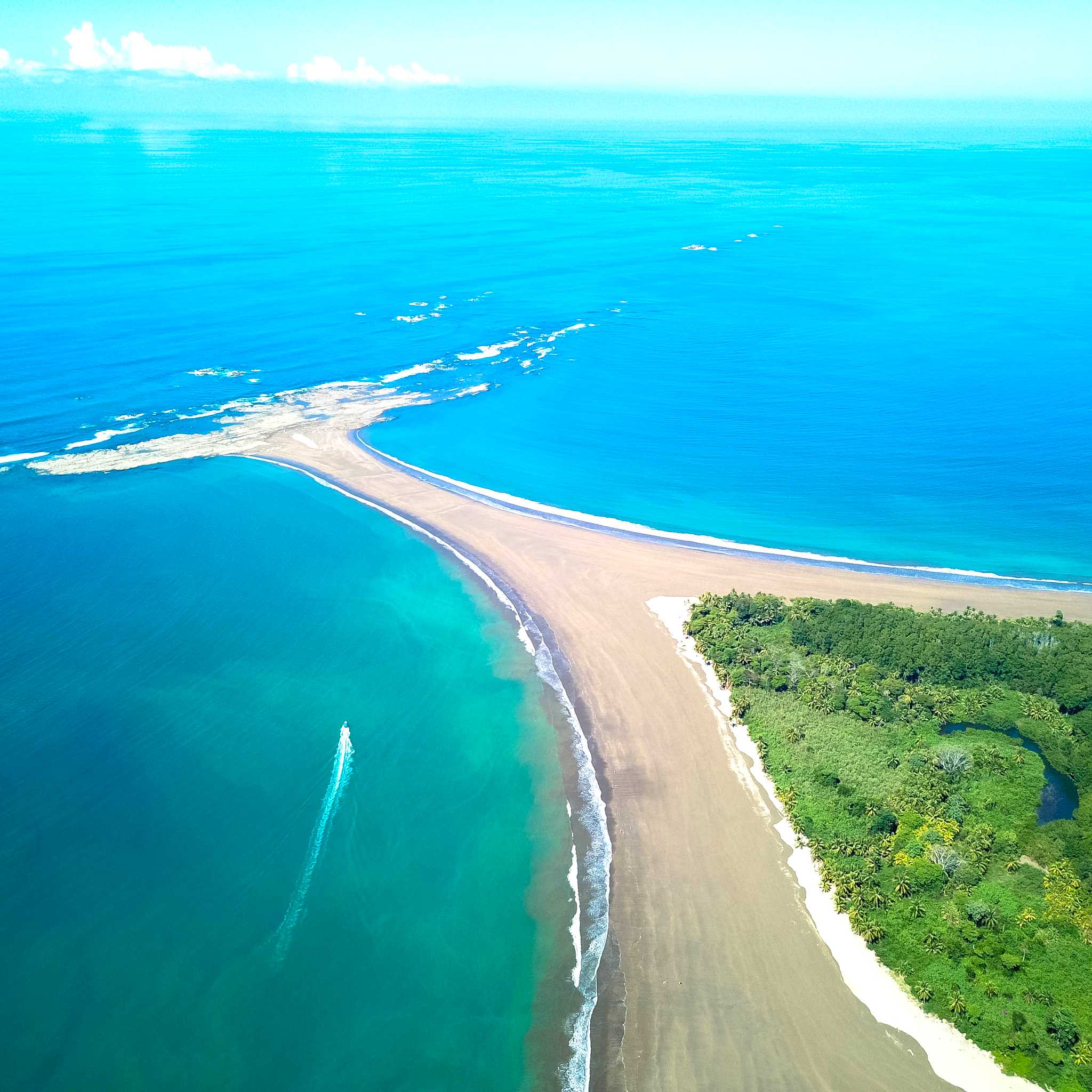
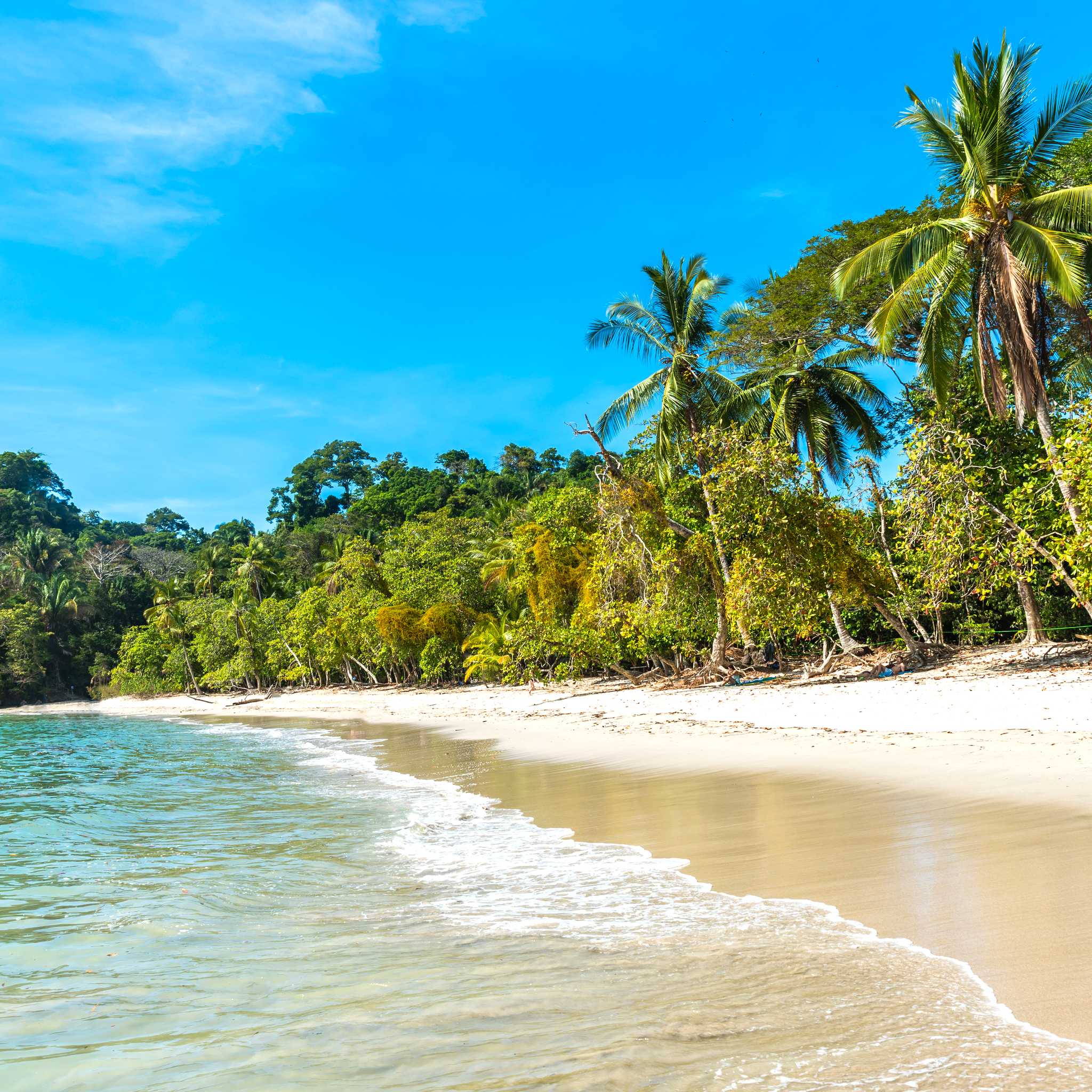
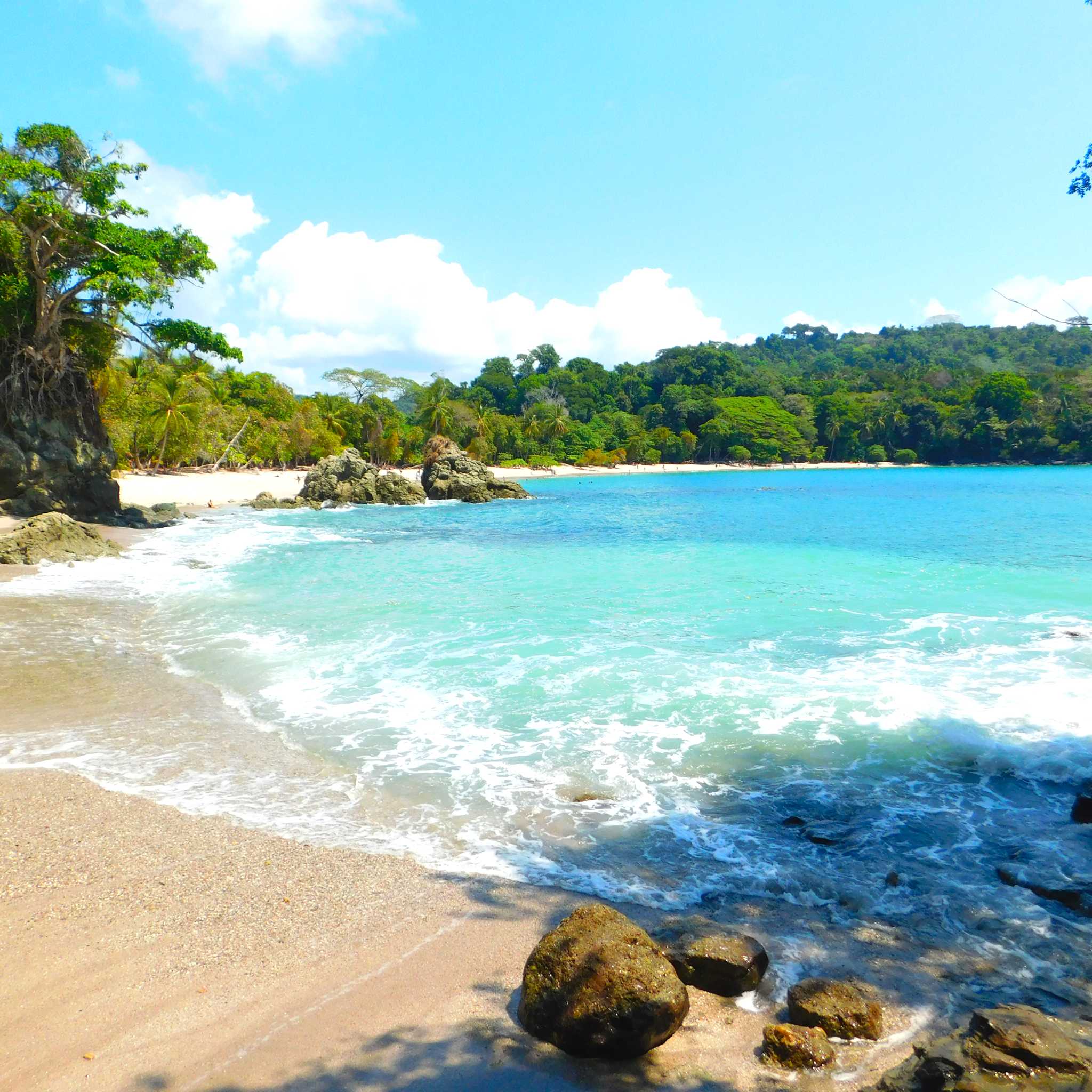
Marino Ballena National Park is the main draw, home to the Whale's Tail sandbar and excellent snorkeling. Visitors enjoy hiking to Nauyaca and Uvita waterfalls, surfing at Playa Hermosa, and taking boat tours to spot whales and dolphins. Wildlife watching at Hacienda Baru and beach time at Playa Ventanas are also favorites.
The official currency of Costa Rica is the Costa Rican colon (CRC). U.S. dollars are widely accepted in Uvita and across most travel areas, especially for hotels, tours, and restaurants. Credit cards are commonly used, but carrying small bills in colones is helpful for taxis, local sodas (small eateries), and roadside vendors.
Spanish is the official language of Costa Rica. English is commonly spoken in Uvita and other coastal areas frequented by visitors, particularly at hotels, restaurants, and tour operators. Learning a few Spanish phrases like "pura vida" (the country's beloved expression for "all good") goes a long way and is warmly appreciated by locals.
Costa Rican cuisine is fresh, flavorful, and built around rice, beans, and tropical produce. Try gallo pinto for breakfast, casado plates with rice, beans, plantains, and meat or fish for lunch, and ceviche made with fresh local catch. Don't miss tres leches cake for dessert and a cup of world-famous Costa Rican coffee.
The dry season from December to April offers the sunniest weather and is ideal for beach days and outdoor activities. Humpback whale watching peaks from July to October and again from December to March. The green season from May to November brings lush landscapes, fewer visitors, and lower prices, with brief afternoon showers.