The resident long-tailed macaques are known for grabbing sunglasses, hats, and phones, sometimes trading them back for food. Keep loose items zipped away and avoid holding anything shiny or edible in view. Beyond that, they're a fun part of the visit rather than something to worry about.
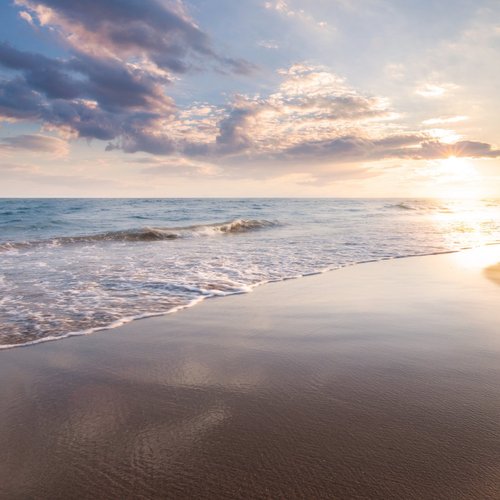
Yes. The beach at the base of the cliff was discovered by surfers in 1971 and is now one of Bali's best known breaks, but non-surfers can still explore the rocky coves, grab a bite at a warung, or just watch the waves from the cliffside paths. It's an easy add-on to the temple visit without needing a board.
Uluwatu sits on the southern tip of the Bukit Peninsula, about 25 km (16 miles) from Kuta and Seminyak and around 40 km (25 miles) from Ubud. Traffic on the peninsula can be heavy, especially heading in for sunset, so a private transfer typically takes 45 minutes to over an hour depending on where you start, without the wait for shared shuttles or taxi queues.
An hour or two covers the temple grounds, gate, and cliff viewpoints at an easy pace. If you want to add the beach below or stay for the sunset Kecak dance, plan closer to half a day. A private day trip lets you set that pace yourself instead of working around a group tour schedule.
The Kecak is a trance-like a cappella performance built around chanting and fire, staged at sunset in the temple's clifftop amphitheater with the ocean as a backdrop. It's a distinct experience from the temple visit itself and one of the more memorable ways to end a day in Uluwatu if your timing allows.
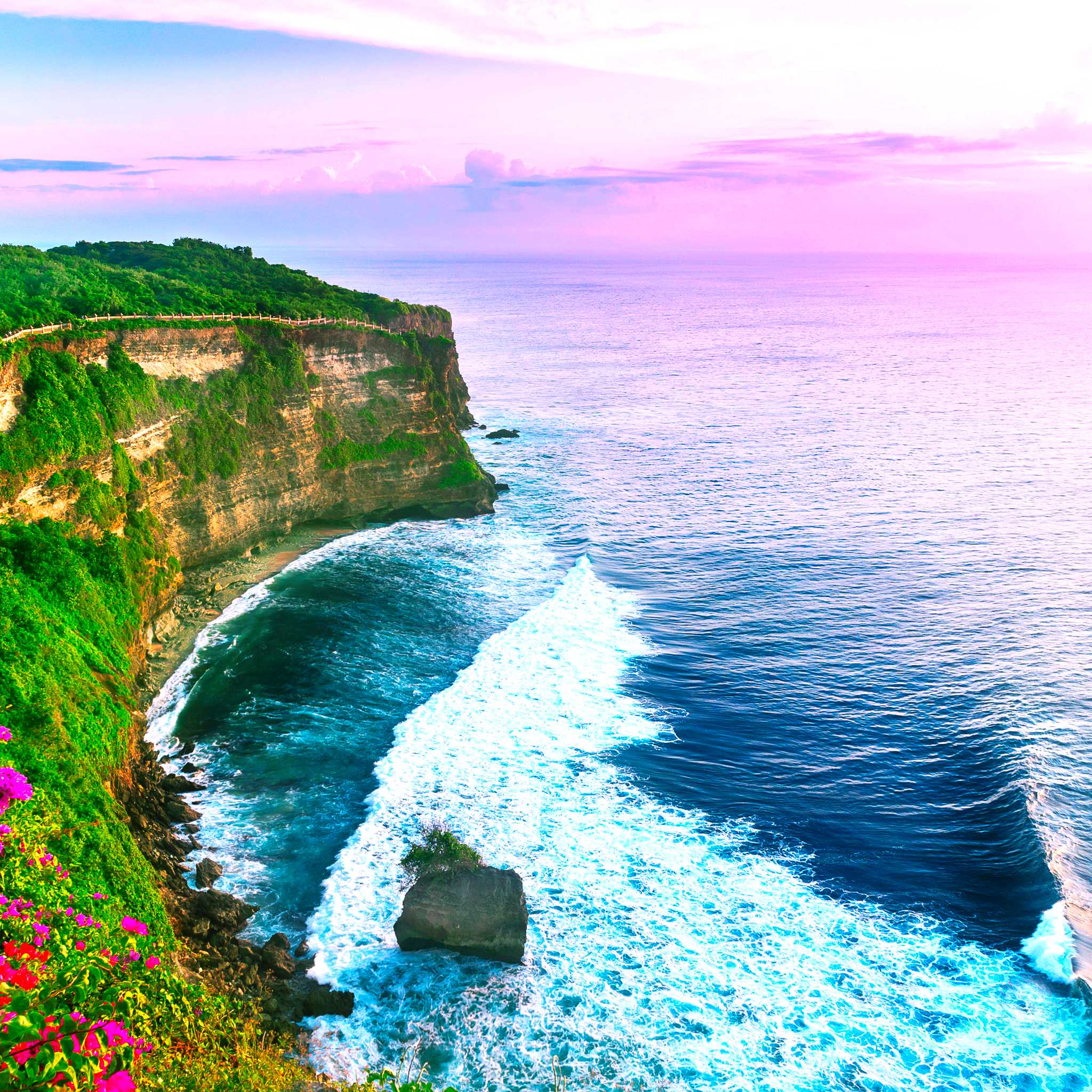
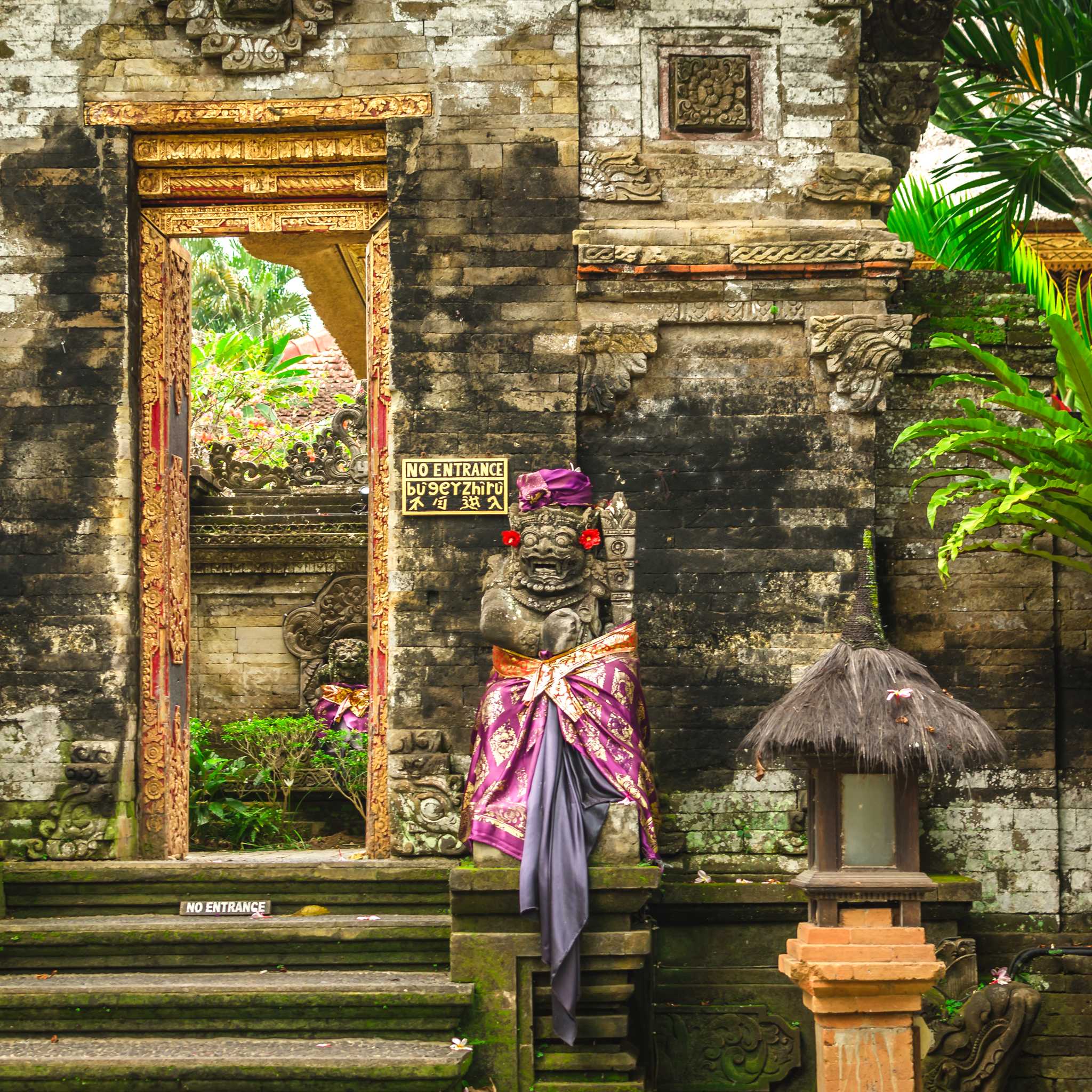
Pura Luhur Uluwatu sits on a sheer clifftop above the Indian Ocean and is one of Bali's oldest sea temples, dating back roughly 1000 years. Inside you can see a 10th century winged gate, a brahmin statue facing the water, and a megalithic coffin, all set against one of the island's most dramatic coastal views.