Yes, and this is one of the strongest reasons to make Tripoli part of your itinerary. Ancient Tegea lies approximately 8 km (5 miles) southeast of the city and contains remains of a major sanctuary of Athena Alea, with a small but worthwhile museum. Further afield, the ruined Byzantine city of Mystras sits roughly 60 km (37 miles) southwest of Tripoli and is among the most atmospheric archaeological sites in all of Greece. The Sanctuary of Poseidon at Mantinea and the ancient theatre at Megalopolis are also within the broader region. Because these sites are spread across the Arcadian plateau, having a private driver means you can connect them efficiently in a single day without the logistics of local buses or rental car navigation through mountain roads.
Tripoli is approximately 170 km (106 miles) from Athens by road. A private transfer typically takes around 2 to 2.5 hours depending on traffic and the route taken through the Peloponnese. The drive itself passes through compelling scenery as you climb into the Arcadian highlands, making the journey part of the experience rather than lost travel time. Trains and buses serve the route but generally involve longer overall journey times when you factor in station transfers, fixed schedules, and waiting. A private transfer gets you there directly, on your own timetable.
Tripoli itself can be comfortably explored in two to three hours — the old center, the main square, the museum, and the market area are all within easy walking distance of each other. The real value of the day trip comes from combining the city with the surrounding region. Pairing Tripoli with a visit to Ancient Tegea adds less than 30 minutes of driving. If you want to venture further to the mountain villages of Dimitsana or Stemnitsa, plan for a full day from your starting point. A Daytrip driver familiar with the area can help you structure stops so you see as much as possible without feeling rushed.
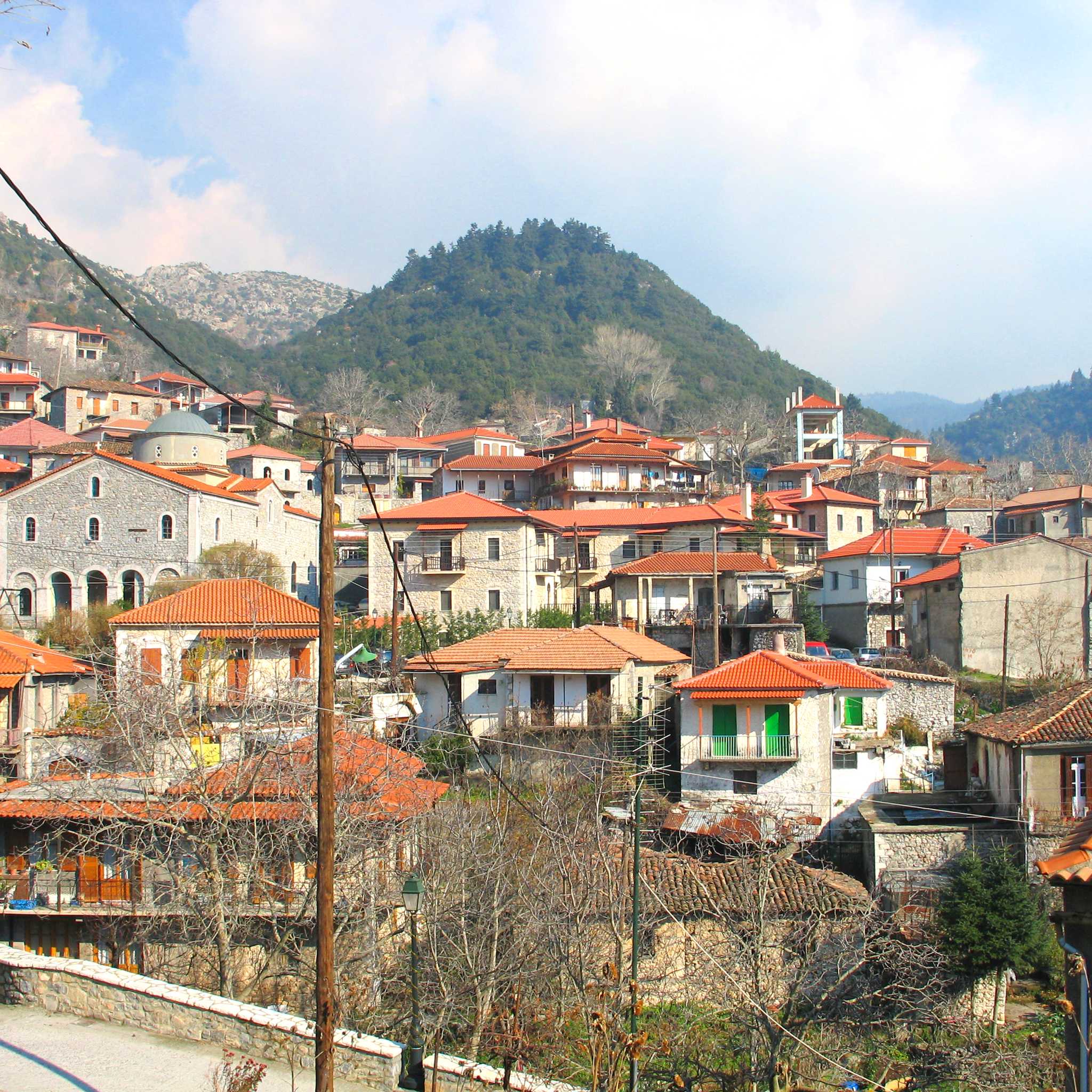
Tripoli sits in Arcadia, the region that gave its name to the pastoral ideal of ancient mythology — a place associated with unspoiled nature, simplicity, and timeless landscapes. Modern Tripoli lives up to some of that legacy. You will not find souvenir shops selling miniature Parthenons here. Instead, there are working bakeries, local tavernas serving Arcadian lamb and trahanas, and a pace of life that reflects how most Greeks actually live away from tourist centers. For travelers who have already done Athens, Santorini, or Mykonos and want a more textured experience of Greece, the Arcadian highlands around Tripoli offer something genuinely different and increasingly sought after.
The city center rewards leisurely exploration — Plateia Areos is one of the most animated town squares in the Peloponnese, and the Archaeological Museum of Tripoli holds finds from across Arcadia. Tripoli also serves as a natural gateway to some extraordinary nearby sites. Ancient Tegea, one of the most important city-states of classical Greece, lies just a short drive away. The medieval fortress town of Mystras, a UNESCO World Heritage Site, is accessible within roughly an hour. The dramatic gorge scenery around Dimitsana and Stemnitsa, villages perched in the mountains northwest of Tripoli, offers some of the most spectacular landscape in southern Greece. A full day allows you to combine the city with at least one or two of these surrounding highlights.
Tripoli is the capital of Arcadia, sitting at around 650 meters elevation in the heart of the Peloponnese highlands. It is one of Greece's lesser-visited provincial capitals, which is precisely what makes it rewarding. The city has a lively central square, Plateia Areos, surrounded by neoclassical architecture, traditional kafeneions, and a genuinely local atmosphere untouched by mass tourism. The nearby Arcadian landscape — forested mountains, ancient ruins, and quiet villages — makes Tripoli an excellent base for exploring a side of Greece most travelers never reach. If you want to experience authentic Greek provincial life rather than another crowded island or Athenian landmark, Tripoli delivers something genuinely different.