Tepic sits approximately 166 km (103 miles) from Puerto Vallarta, making it a comfortable 2 to 2.5 hour drive depending on traffic. From Guadalajara, the journey is around 208 km (129 miles) and takes roughly 2.5 to 3 hours. A Daytrip private transfer gets you there directly, with no bus stations, no connections, and no waiting — just a relaxed ride through the scenic Nayarit highlands.
A full day gives you everything you need. Spend your morning exploring the main plaza and cathedral, then head to the Museo Regional de Nayarit or the Casa de Artesanias to understand the depth of Huichol culture. The afternoon is best saved for wandering the market stalls and trying local street food. If you want to add a hike up San Juan Hill for panoramic views of the valley, plan to arrive a little earlier. Six to eight hours on the ground is the sweet spot.
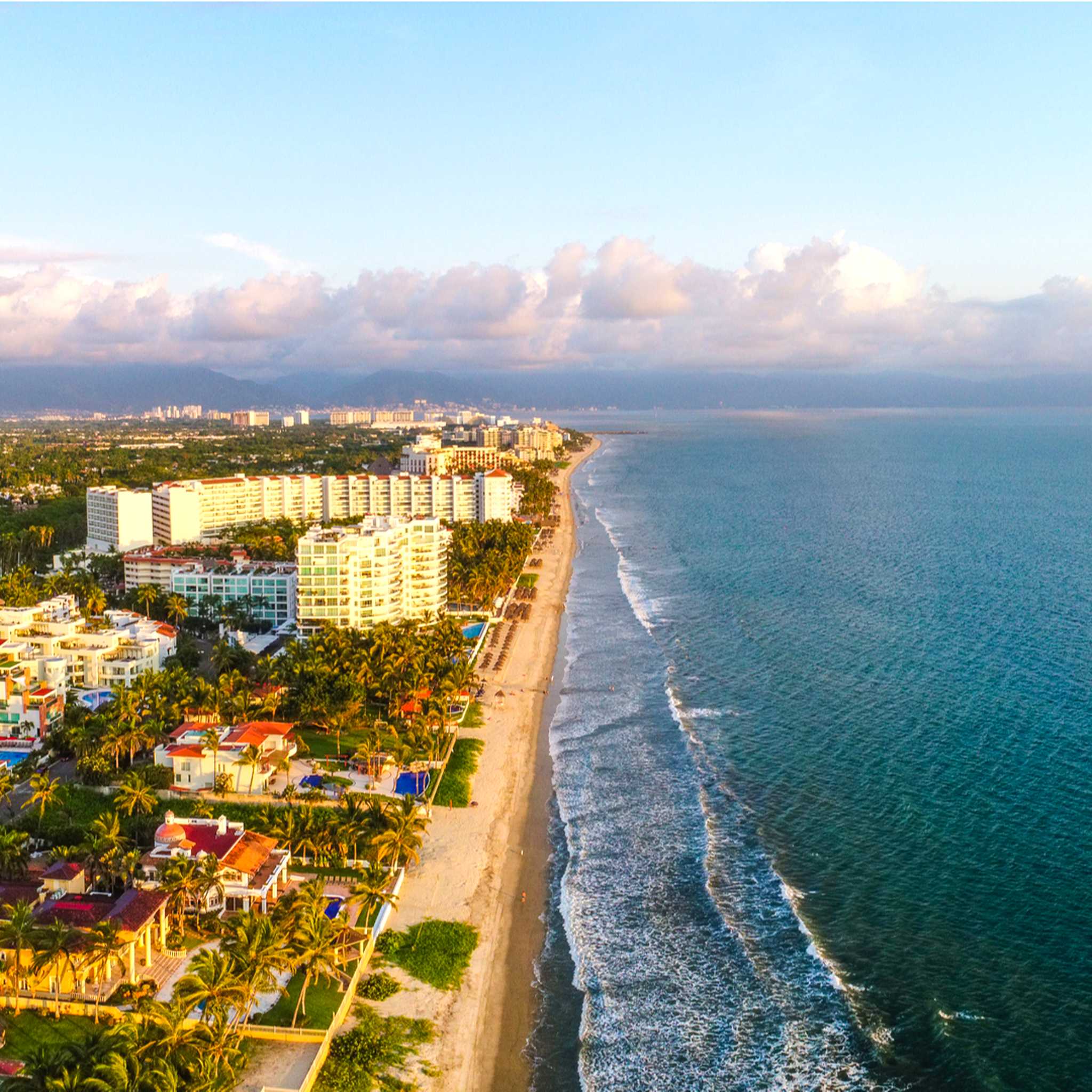
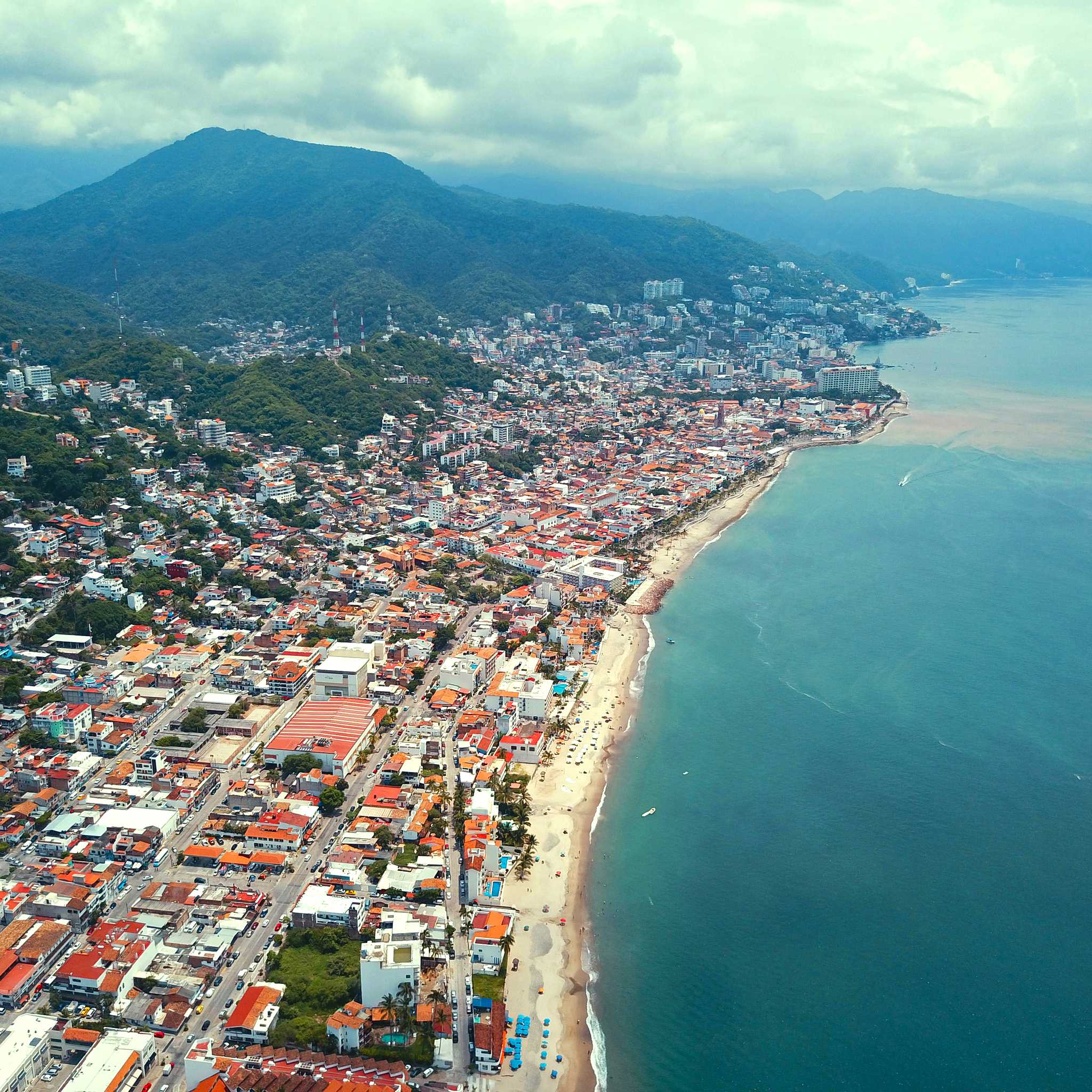
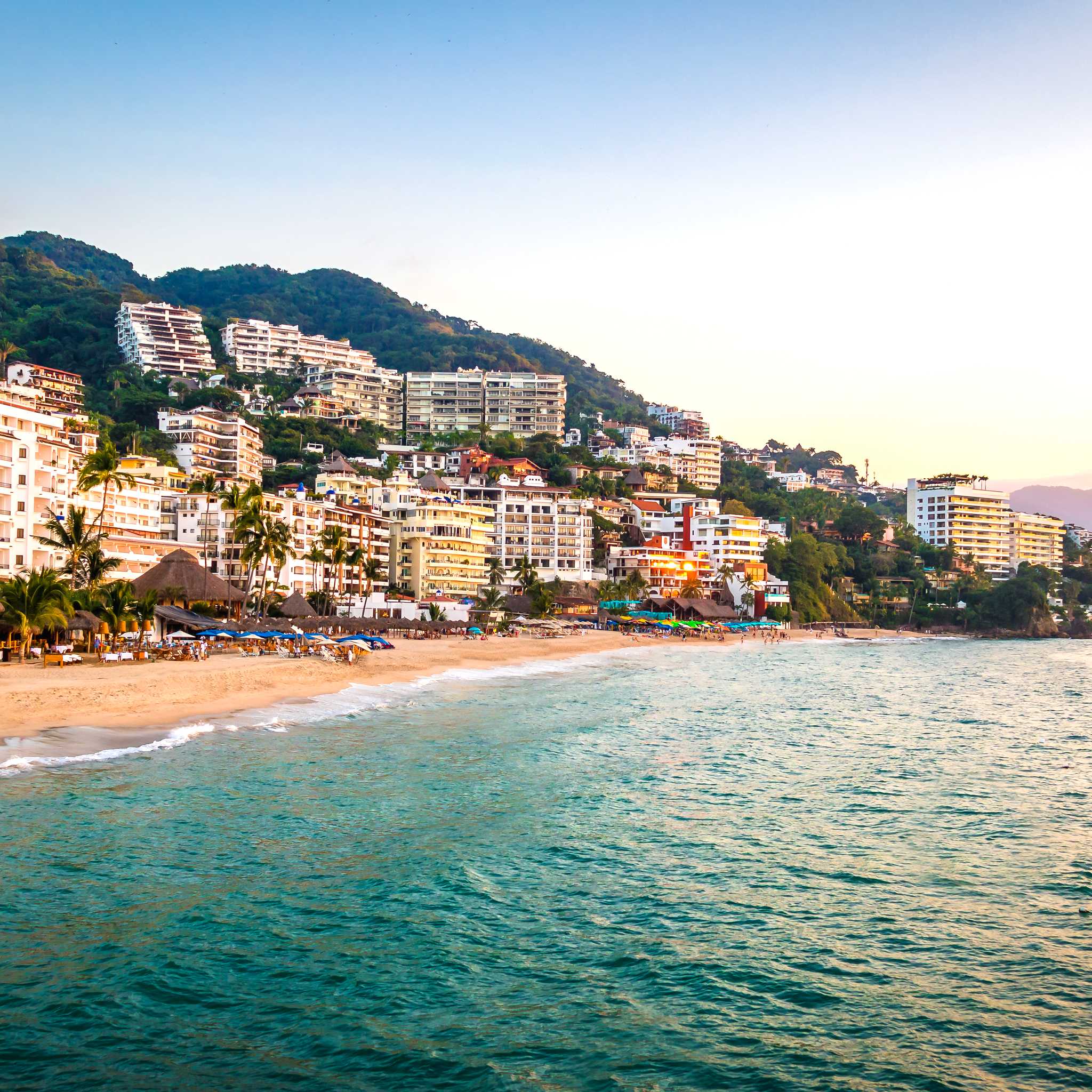
Absolutely. Puerto Vallarta offers beaches and resort energy; Tepic offers something entirely different — mountains, indigenous culture, colonial architecture, and a city that moves at its own unhurried pace. The contrast makes the day trip genuinely rewarding rather than repetitive. At roughly 166 km (103 miles) away, it is close enough for a comfortable return day trip, and arriving by private transfer means you start and end the day on your own schedule without coordinating buses or shared shuttles.
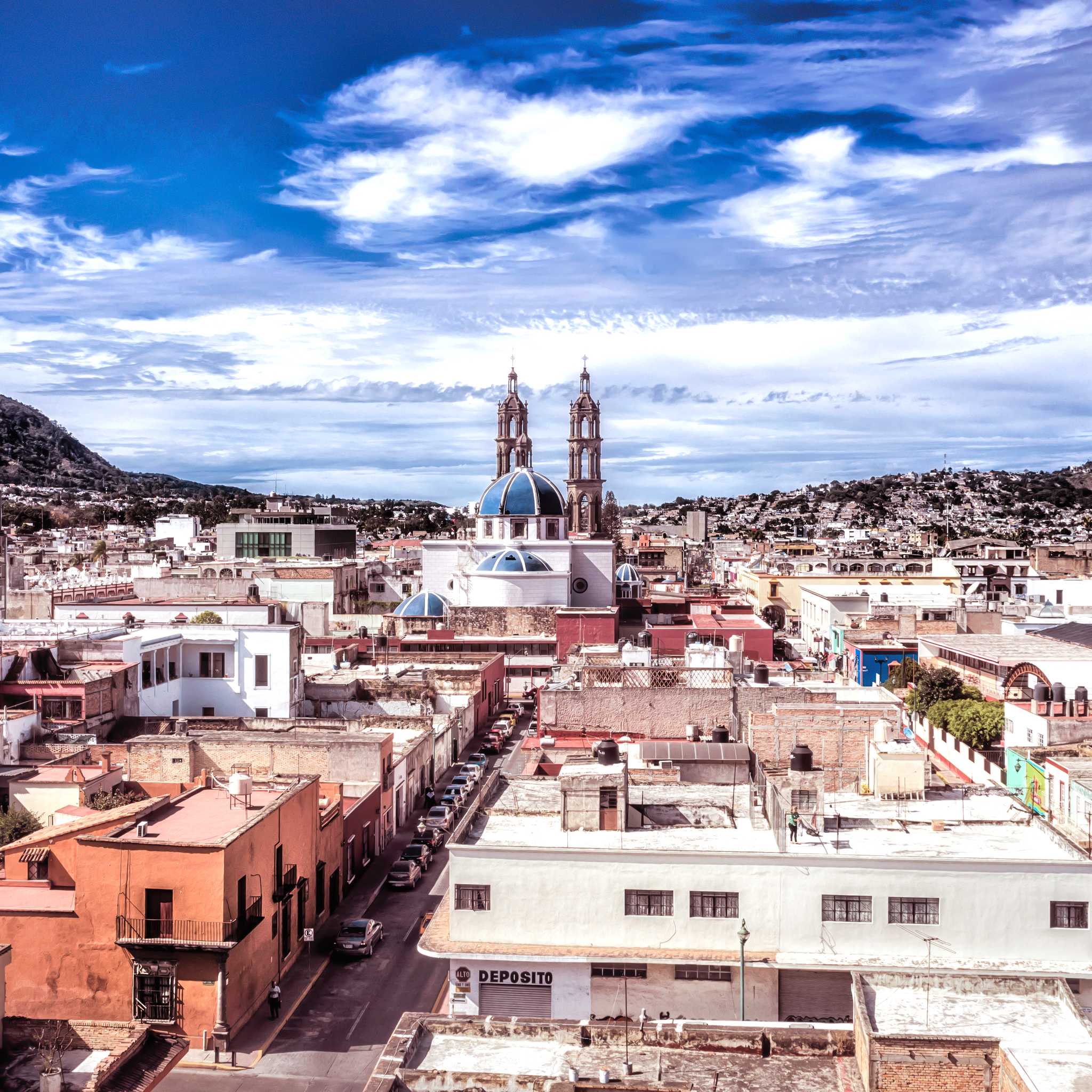
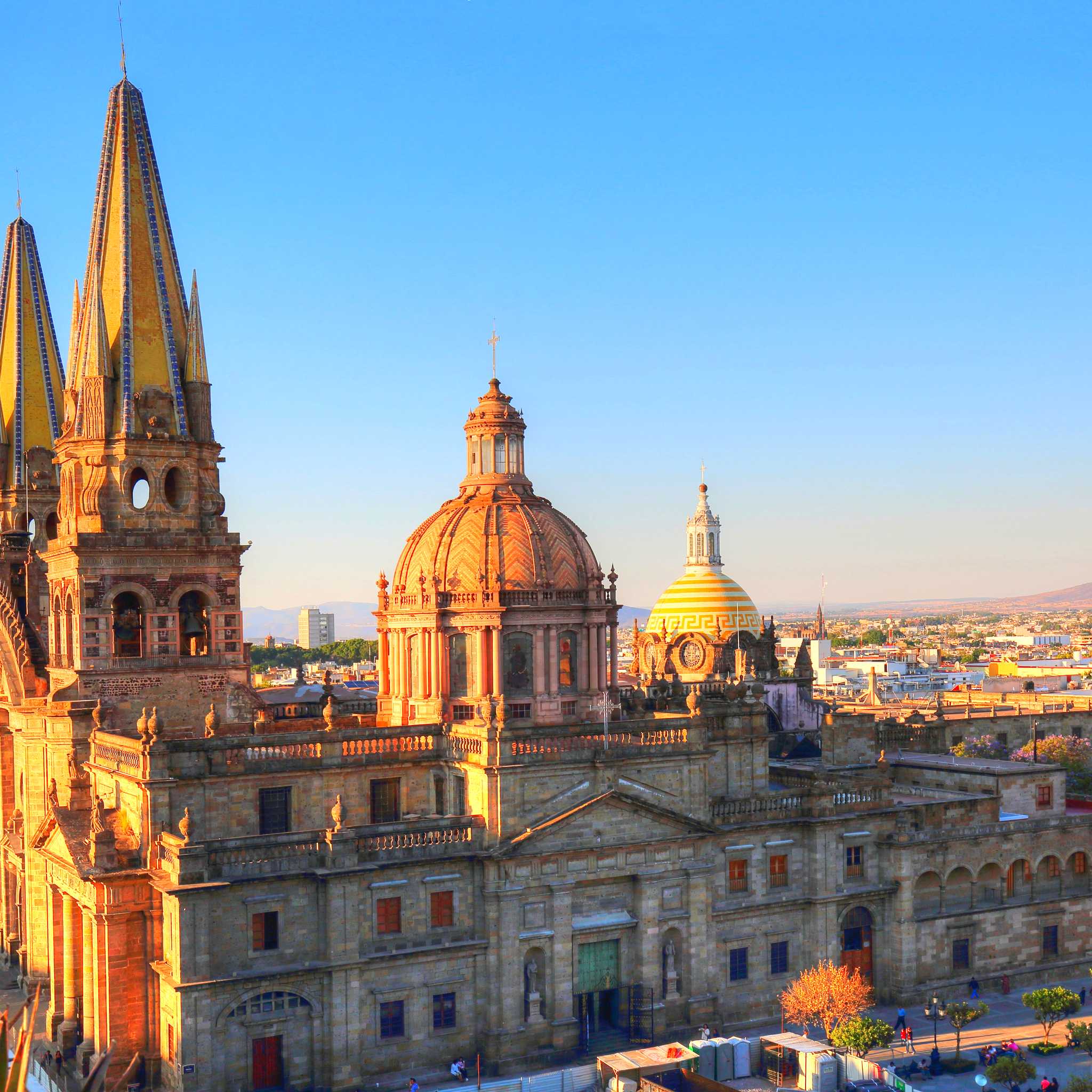
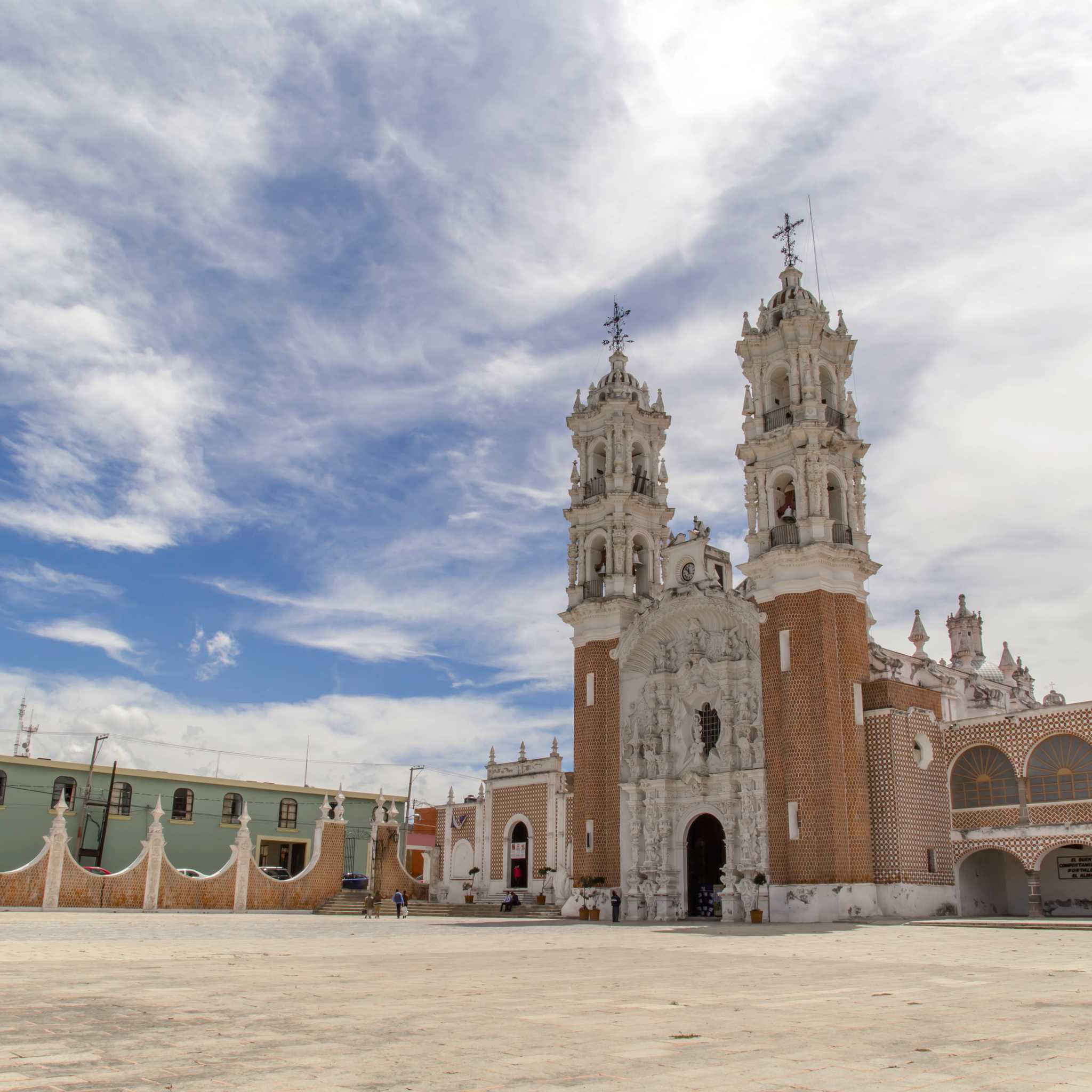
Tepic is the capital of Nayarit state and one of Mexico's most culturally rich stops. The city sits in a lush mountain valley surrounded by green hills, and its heart is a vibrant main plaza anchored by the Neo-Gothic Cathedral of the Immaculate Conception. What sets Tepic apart is its living indigenous culture — the Huichol (Wixárika) people are a visible, active presence in the city, and their intricate beaded art and traditional clothing fill the streets with color. It is a place where authentic Mexican culture is on full display, not performed for tourists.
Two things you should not leave without trying: tejuino and guamuchil. Tejuino is a cold, lightly fermented corn drink — often served with a scoop of lemon sherbet and a pinch of chili — that has been made in this region since pre-Hispanic times. Guamuchil is a small, sweet-tart white fruit native to the area and commonly sold by street vendors near the plaza. Beyond those, look for shrimp tamales, red pozole, and gorditas in the Juan Escutia or Morelos markets. Eating in Tepic is as much a cultural experience as anything you will see.
The Huichol (Wixárika) people maintain one of the most visually striking and spiritually intact indigenous traditions in all of Mexico. In Tepic, you can see this culture up close at the Zitakua village, where families create and sell traditional beadwork, yarn paintings, and ceremonial clothing — each piece dense with sacred symbolism. The Casa de Artesanias in the historic center also showcases crafts from the state's five indigenous groups. This is not a museum recreation; it is an active, living culture, and Tepic gives you rare and genuine access to it.