Tipping is becoming more common in Tbilisi, especially in restaurants frequented by visitors. Leaving 10 percent for good service is appropriate and appreciated. In traditional establishments, tipping is less expected but always welcomed. For taxis, rounding up the fare is standard. Tour guides appreciate tips for quality experiences.
Tbilisi's Old Town and central areas are highly walkable, though the city is quite hilly with many cobblestone streets, so comfortable walking shoes are essential. The compact historic center allows easy exploration on foot. The metro system efficiently connects outer districts, and affordable taxis via apps like Bolt supplement walking for longer distances or steep climbs.
Tbilisi is generally very safe for visitors, with low crime rates and welcoming locals known for their hospitality. Standard urban precautions apply, particularly regarding pickpockets in crowded areas. The city feels comfortable for solo travelers, including women.
Georgia uses the Georgian lari as its official currency. While some tourist establishments accept euros or dollars, lari is essential for most transactions. ATMs are widely available throughout Tbilisi, and currency exchange offices offer competitive rates. Credit cards are increasingly accepted, but cash remains important for markets, taxis, and smaller venues.
Georgian is the official language, using its own unique alphabet. While English is less widely spoken than in Western Europe, younger people and those in tourism often have basic English skills. Learning a few Georgian phrases shows respect, though communication can require patience and creativity in some situations.
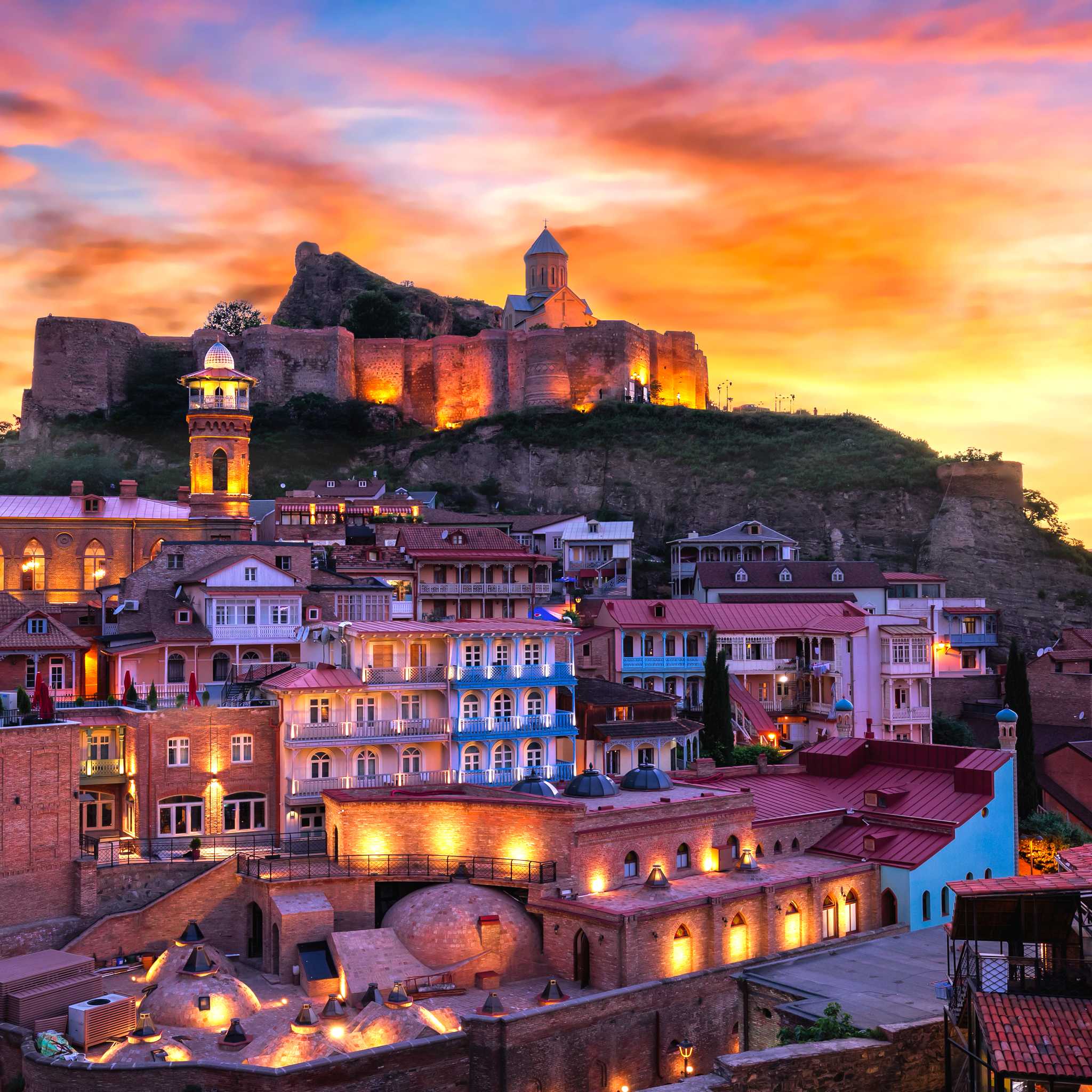
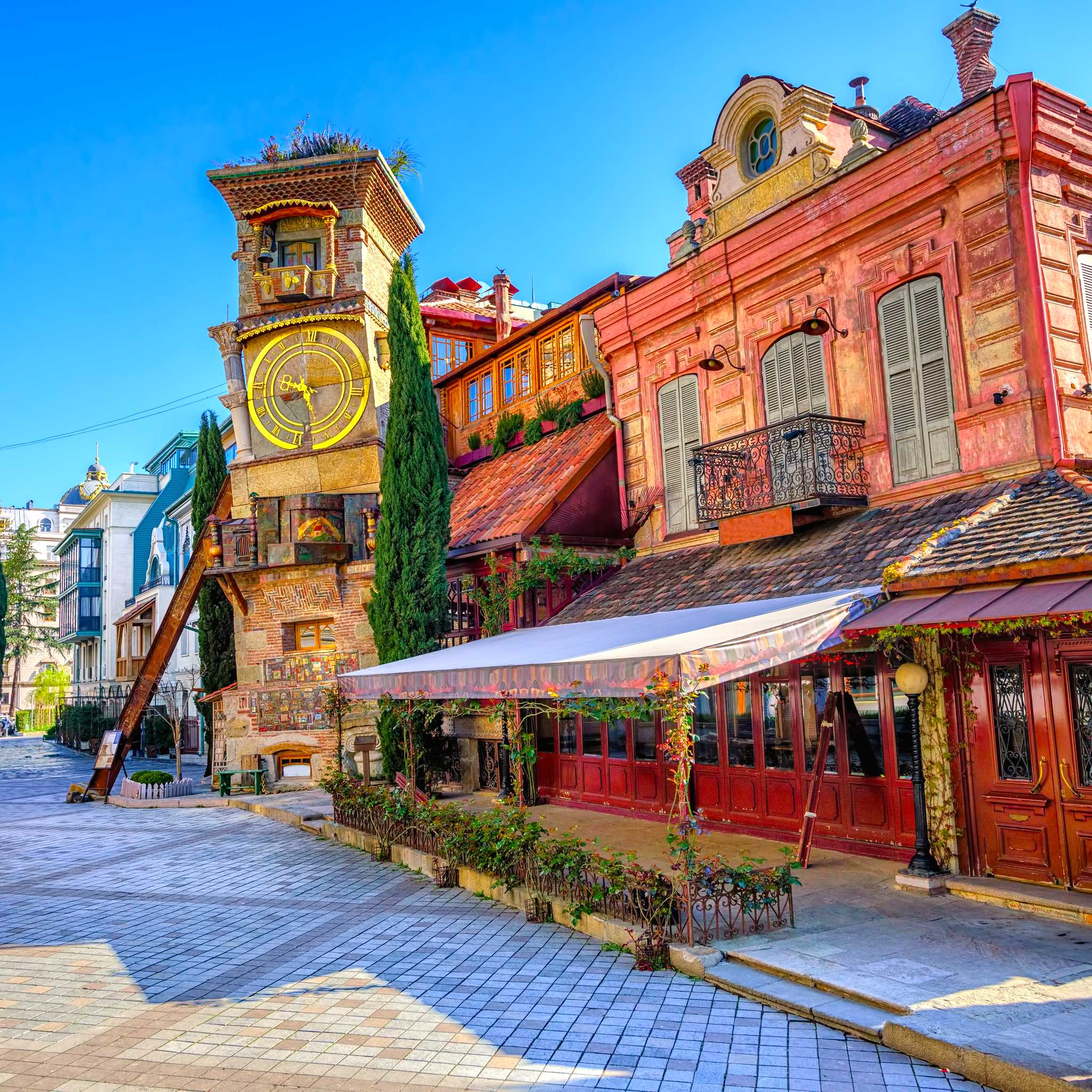
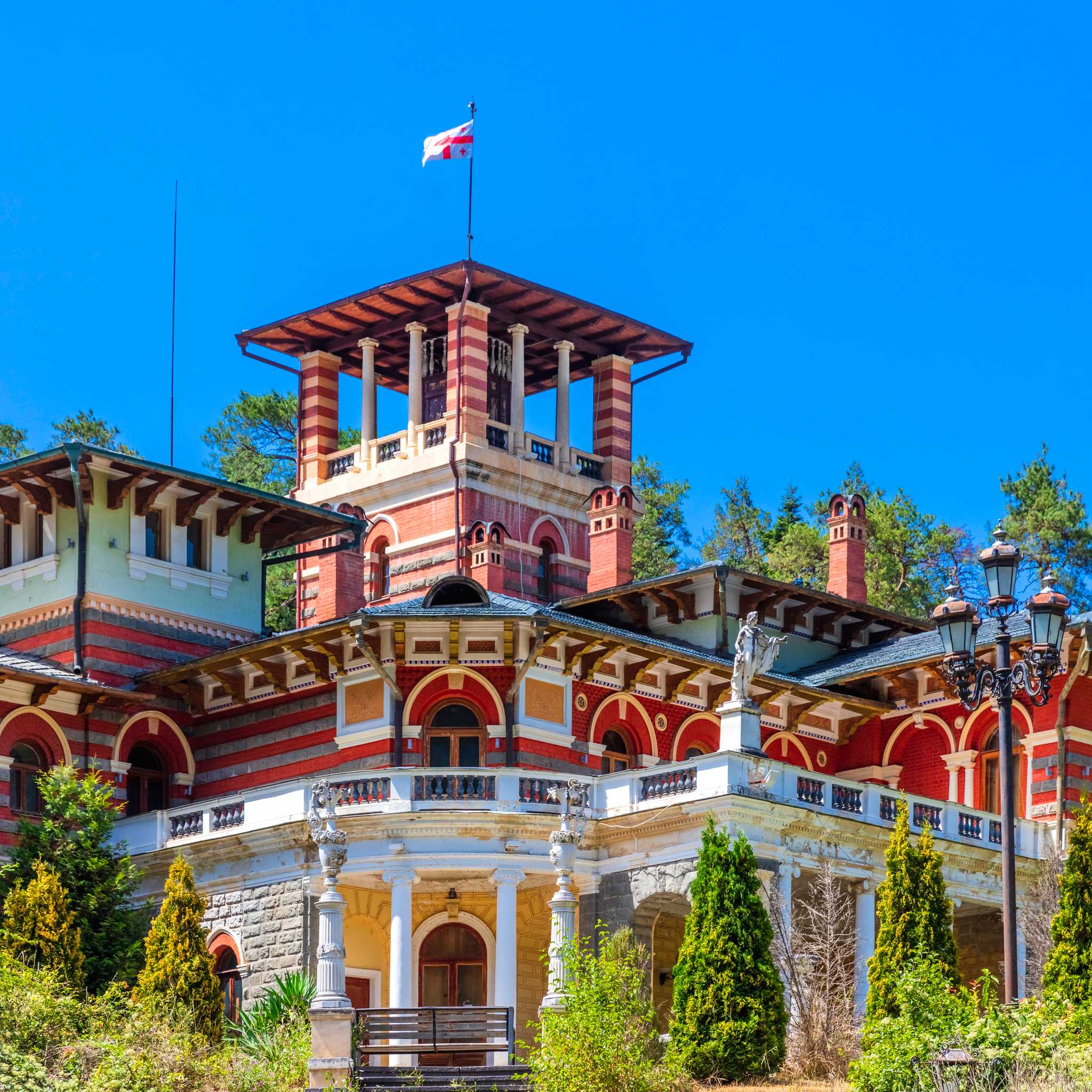
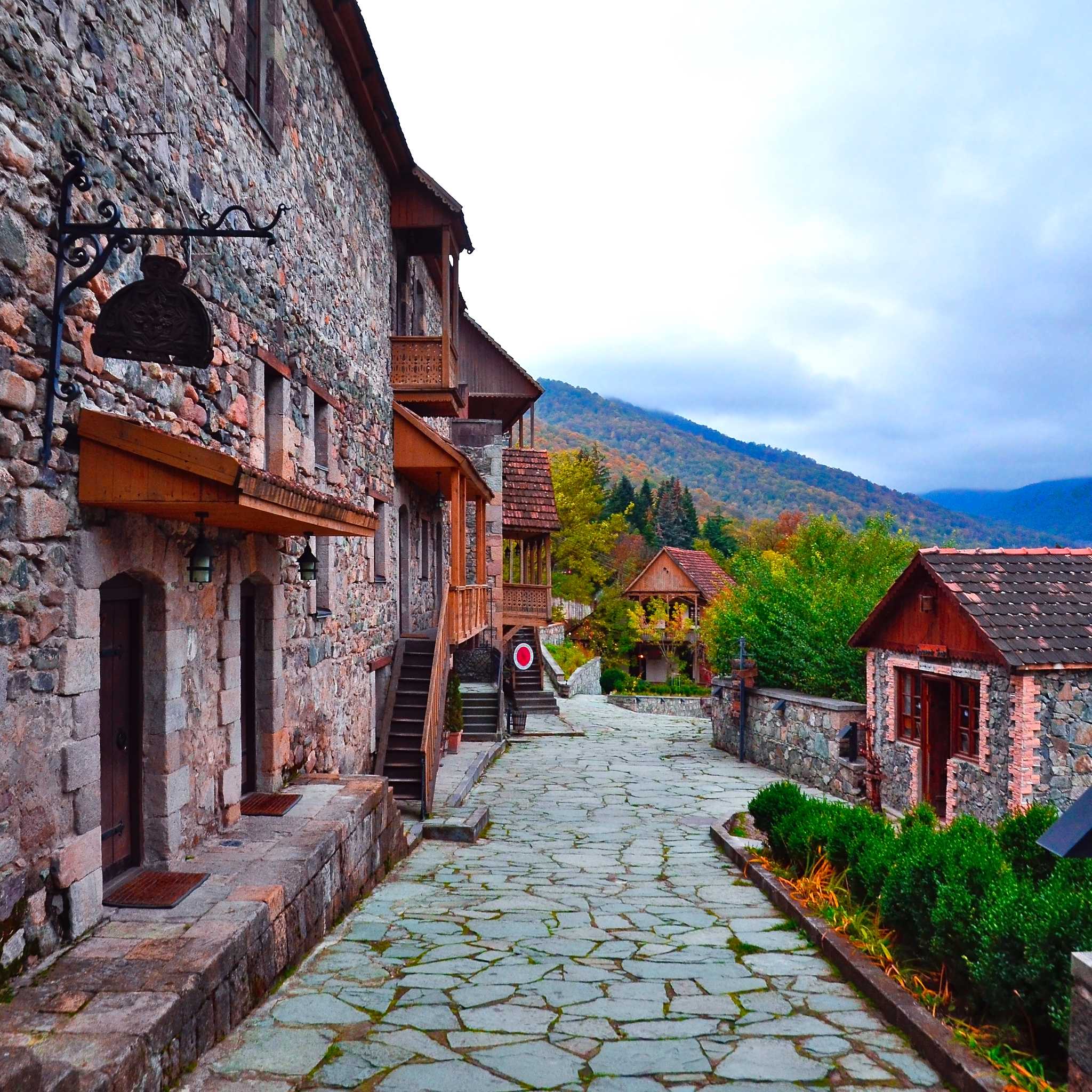
Tbilisi showcases an eclectic architectural mix reflecting its complex history. Traditional houses feature distinctive carved wooden balconies that overhang narrow streets. Soviet-era buildings stand alongside 19th-century European-style structures and modern glass constructions like the Bridge of Peace. Ancient churches, Persian-influenced sulfur bath houses, and Art Nouveau facades create a visual feast representing centuries of cultural influences.
Georgian cuisine is incredibly diverse and flavorful. Don't miss khinkali (soup dumplings), khachapuri (cheese-filled bread in various regional styles), and chakhokhbili (chicken stew). Georgian wine, made in ancient clay vessels called qvevri, is essential to the dining experience. The supra (traditional feast) showcases Georgia's renowned hospitality with multiple courses and toasts.
Spring from April to June and fall from September to November offer the most pleasant weather with mild temperatures perfect for sightseeing. Summer can be very warm but brings long days and outdoor festivals. Winter attracts visitors interested in nearby mountain skiing, though temperatures can drop below freezing. Tbilisi's shoulder seasons provide ideal conditions without peak summer crowds.