从 Tashkent International Airport 出发的最受欢迎路线
轻松舒适地在一天内游览 乌兹别克斯坦 的知名景点到安静的角落。
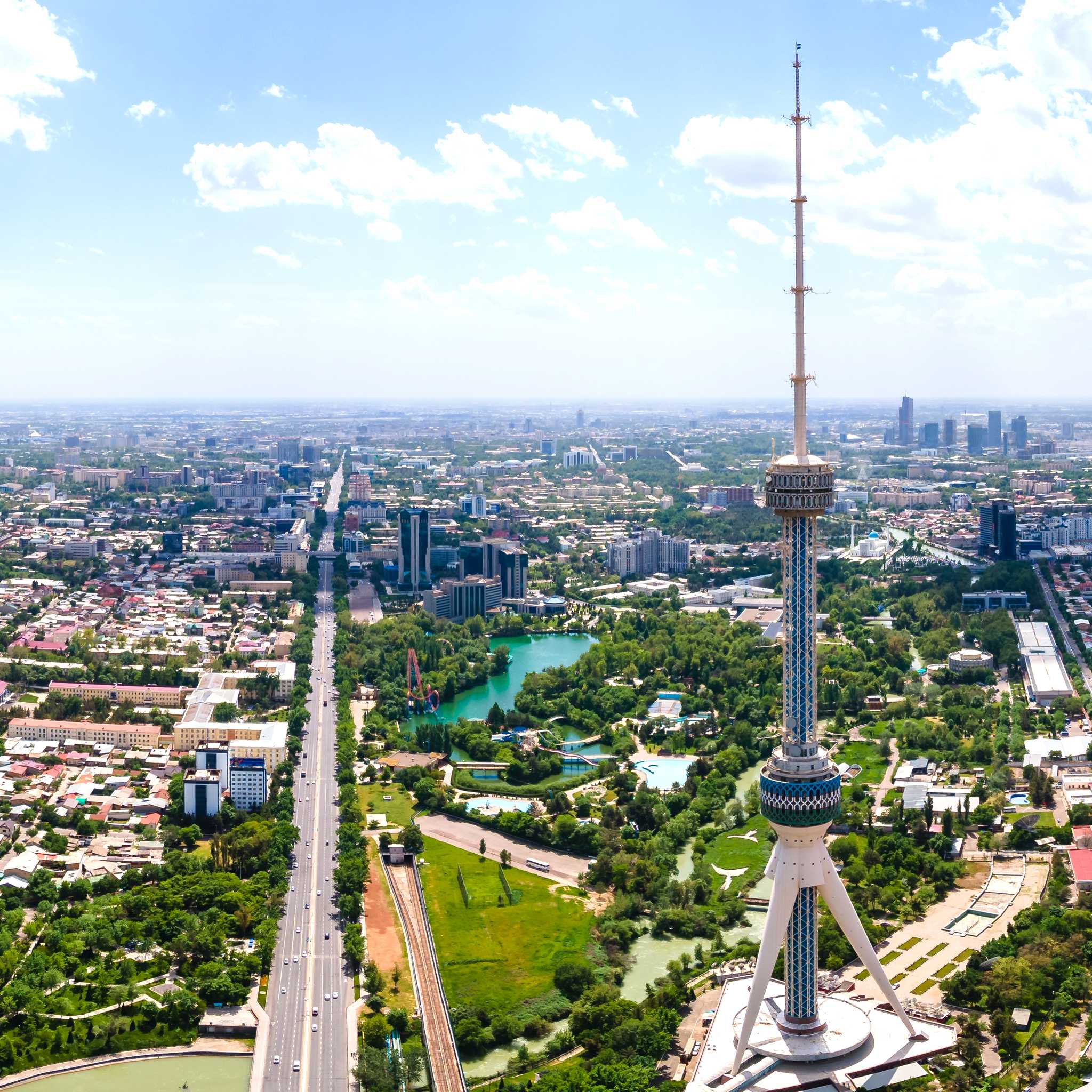
Tashkent International Airport 到 Tashkent
6km (3.7mi)
从 US$18
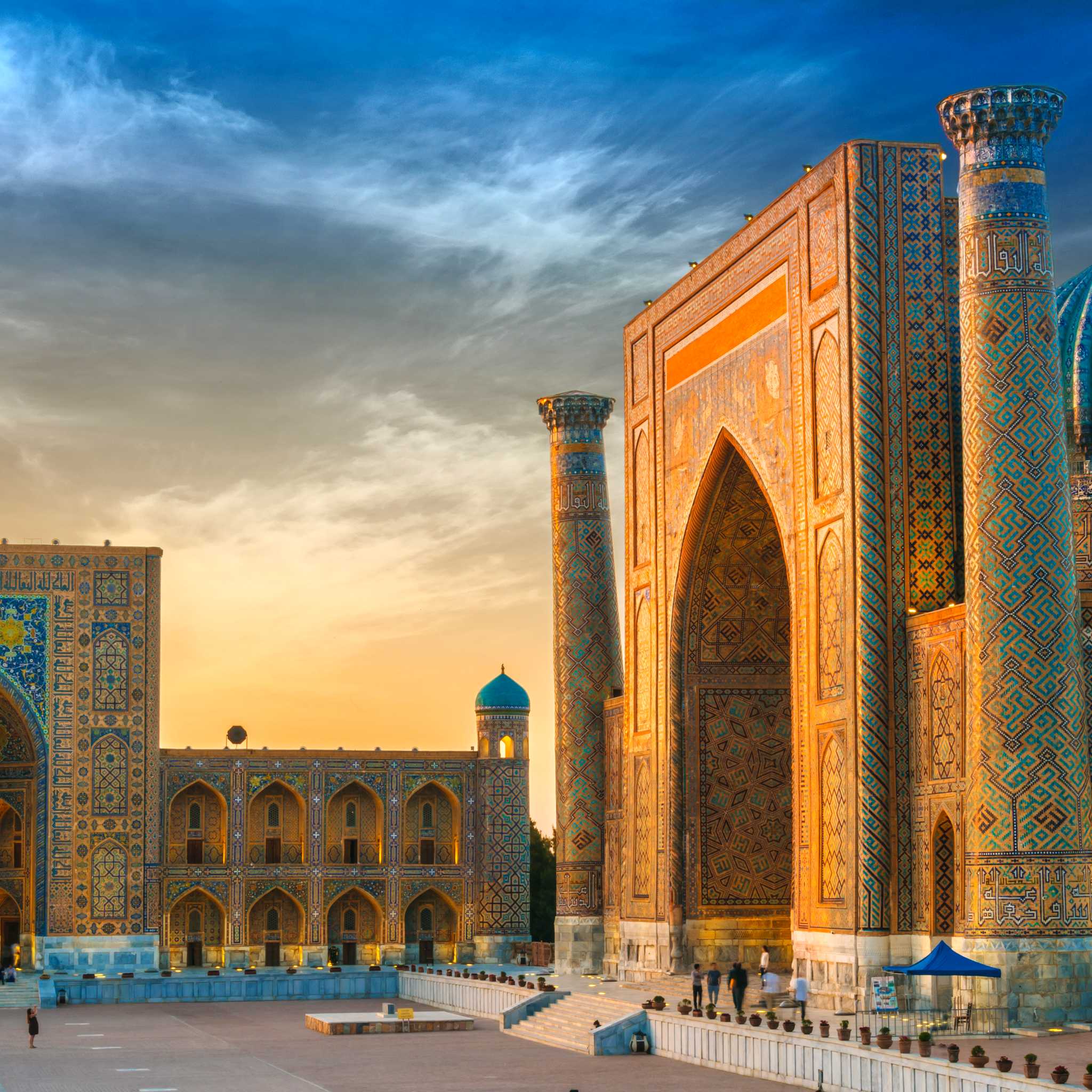
Tashkent International Airport 到 撒马尔罕
311km (193.2mi)
从 US$230
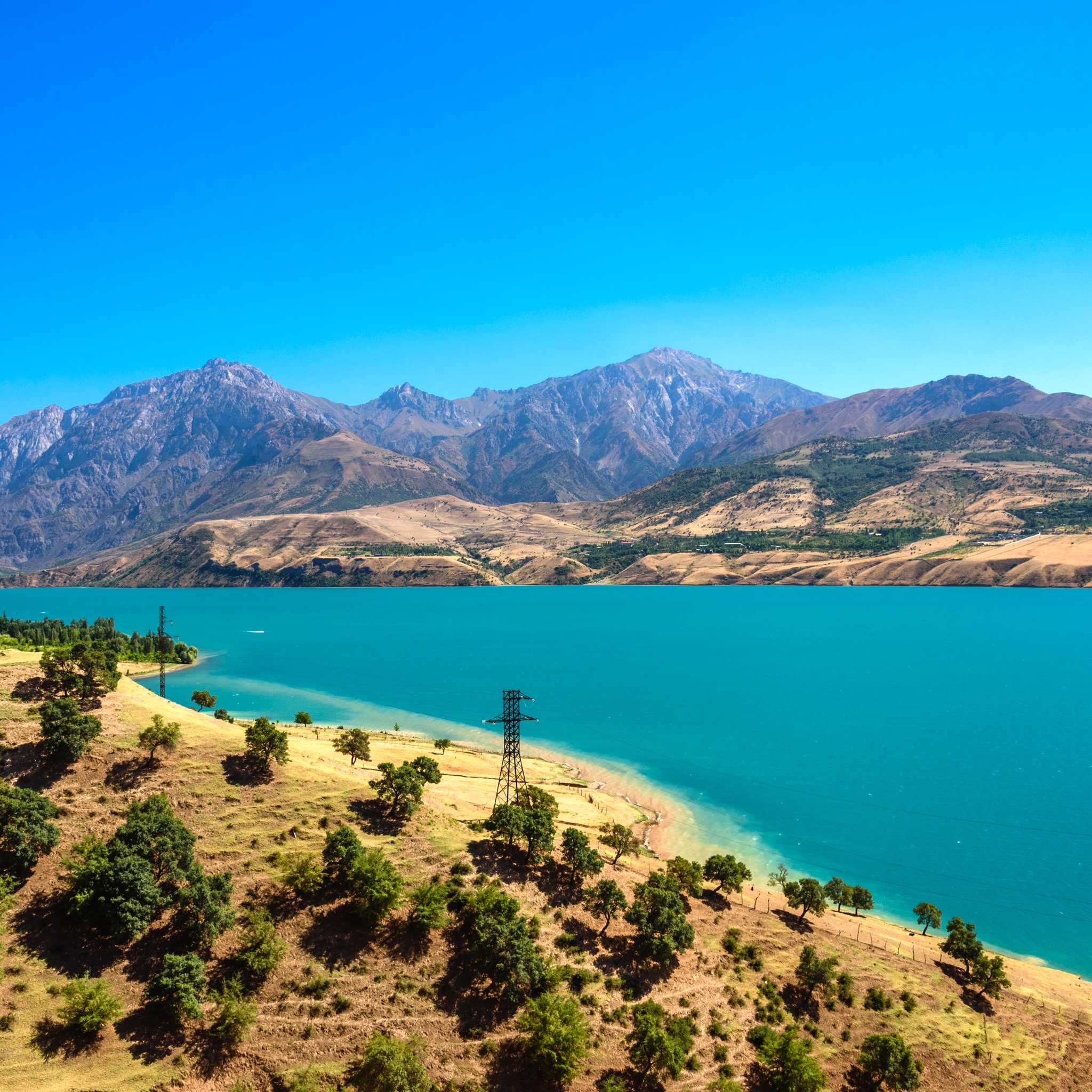
Tashkent International Airport 到 Chimgon
95km (59.0mi)
从 US$73
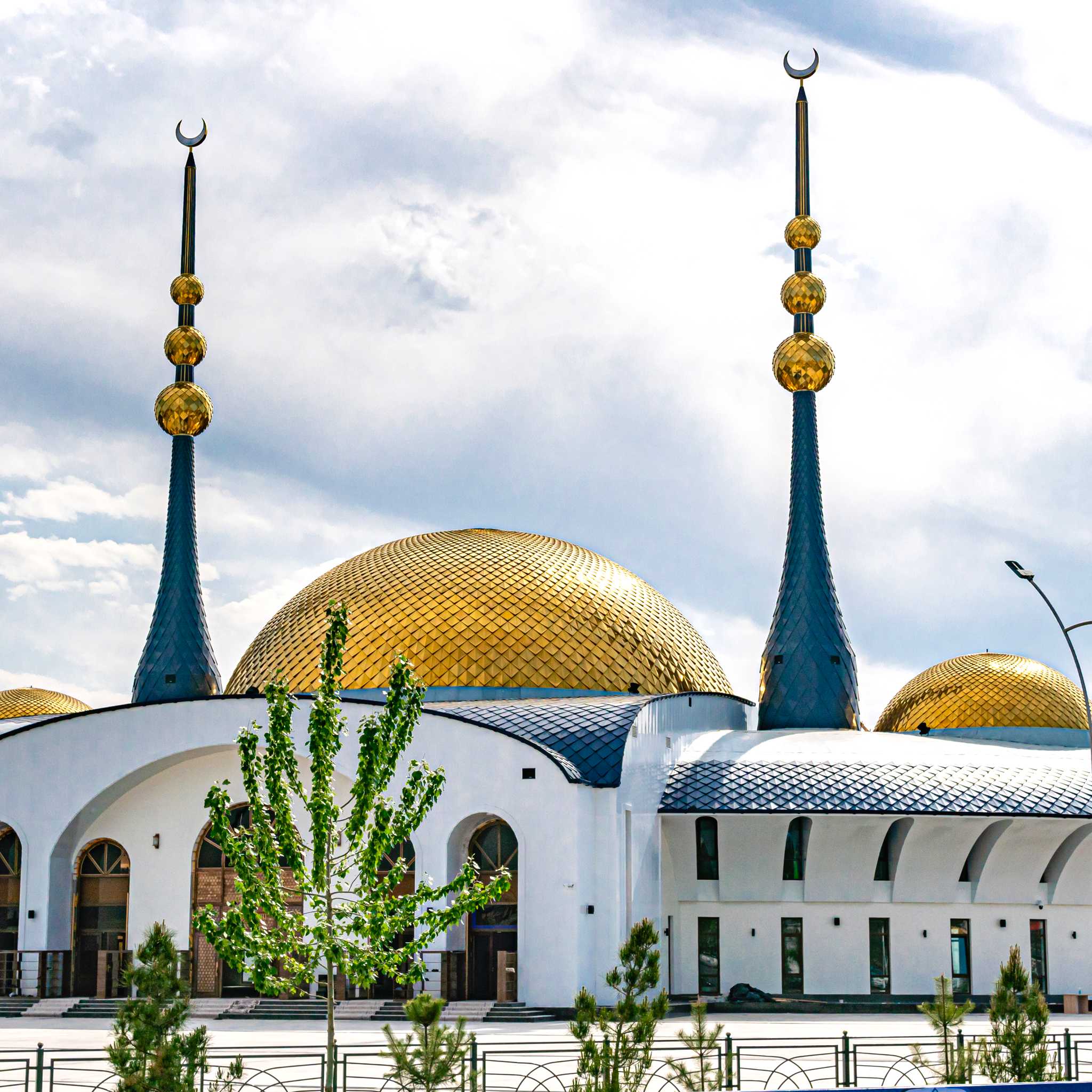
Tashkent International Airport 到 Namangan
279km (173.4mi)
从 US$214
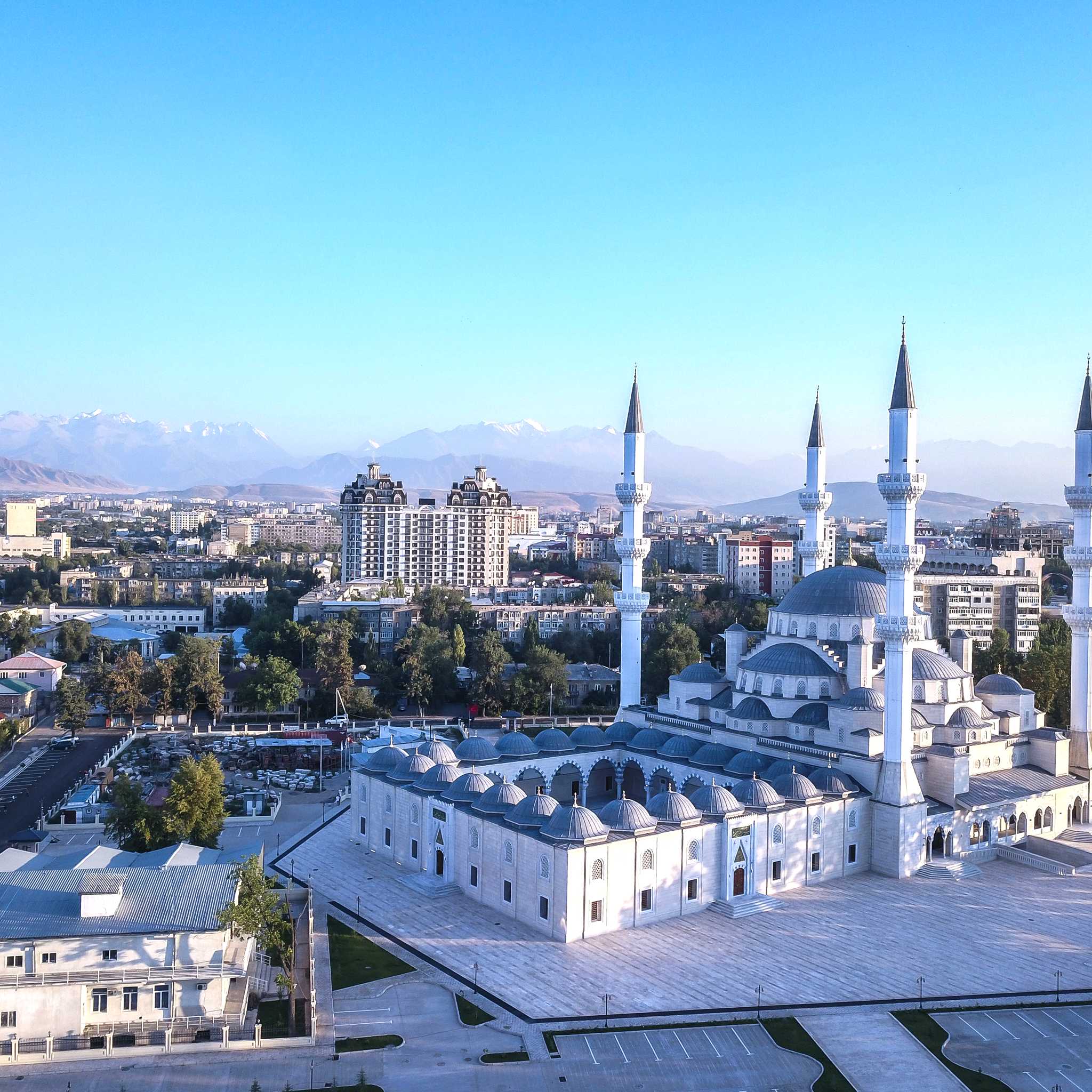
Tashkent International Airport 到 Bishkek
640km (397.7mi)
从 US$490
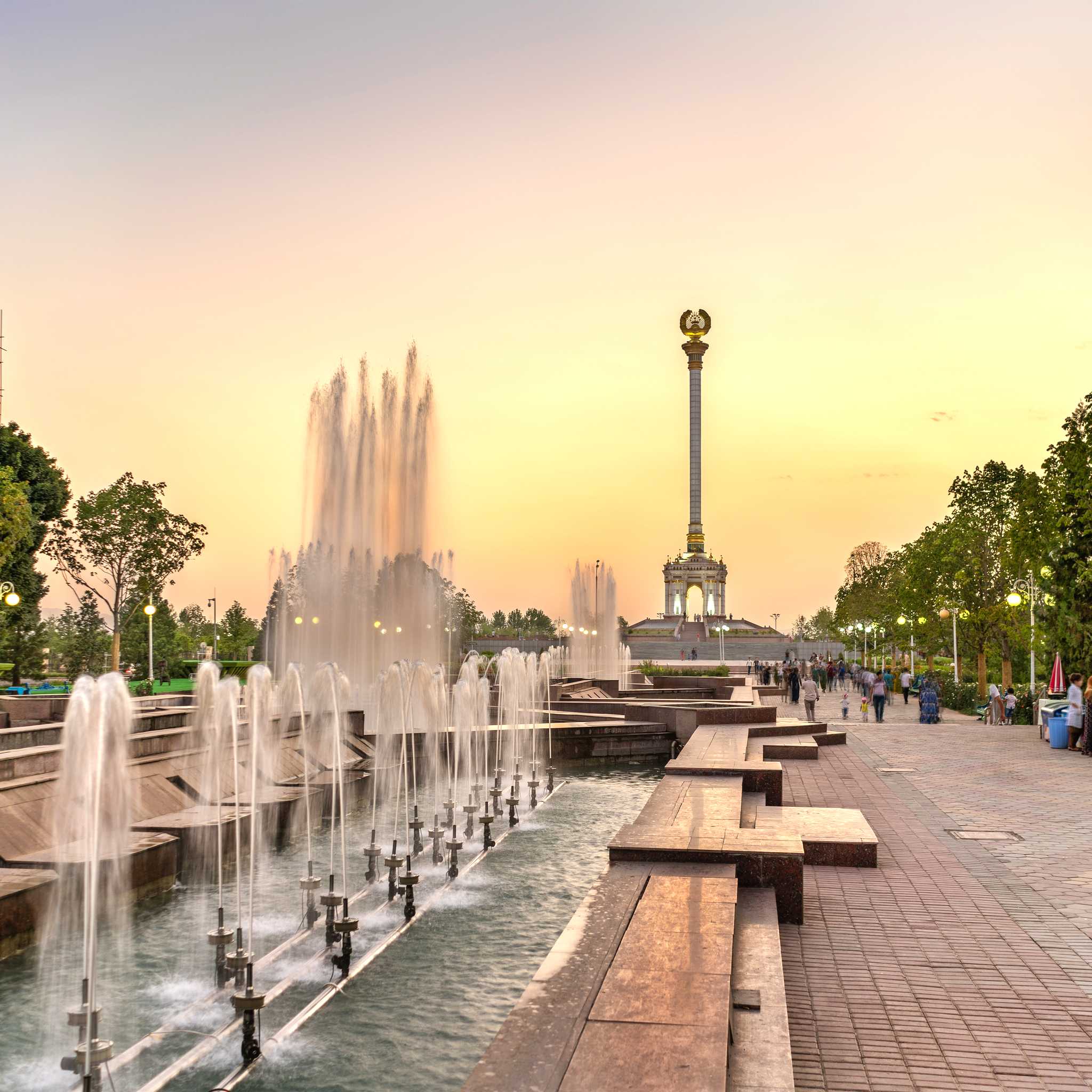
Tashkent International Airport 到 Dushanbe International Airport
468km (290.8mi)
从 US$462
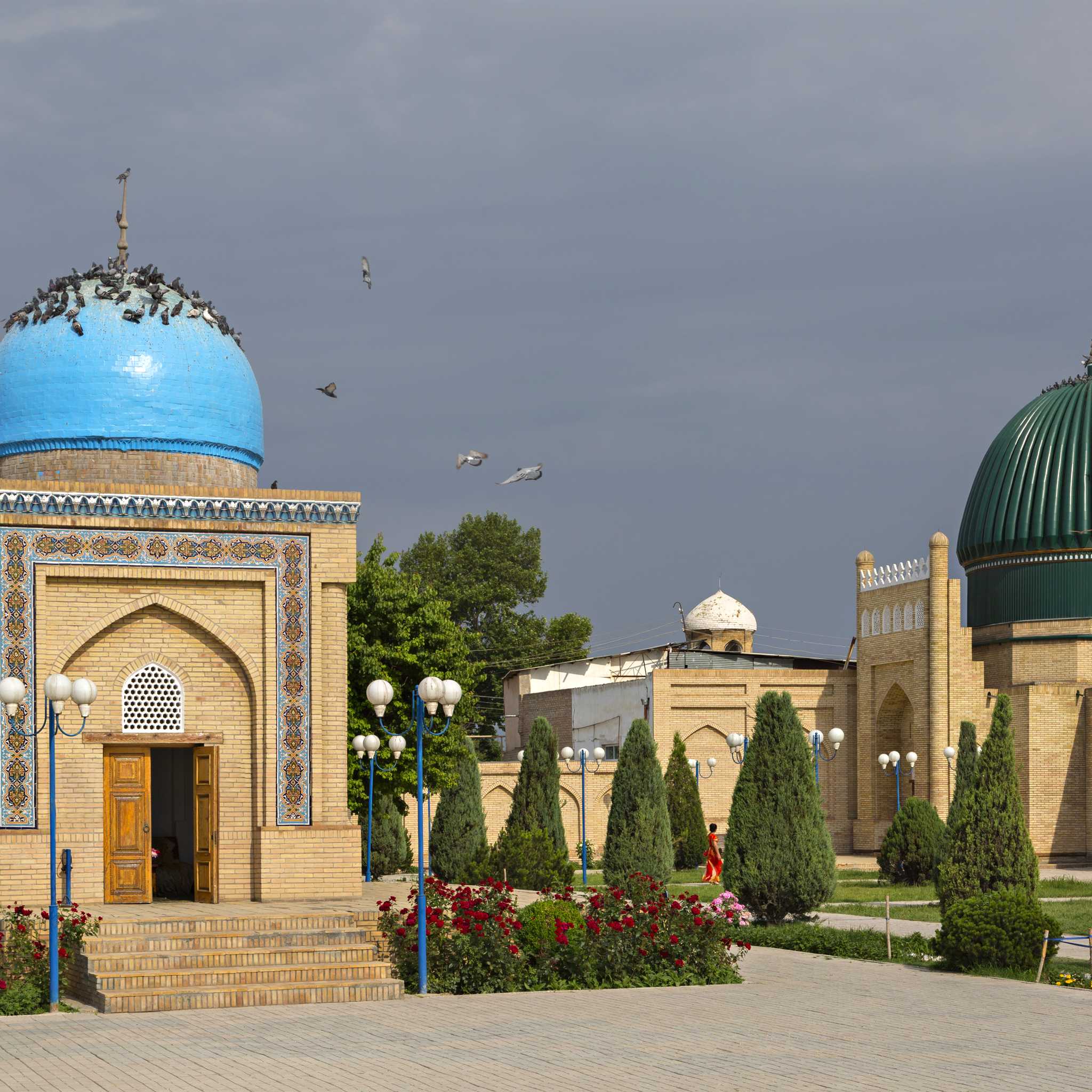
Tashkent International Airport 到 马尔吉兰
308km (191.4mi)
从 US$230

Tashkent International Airport 到 里什坦
273km (169.6mi)
从 US$209
飞往 Tashkent International Airport 的最受欢迎路线
轻松舒适地在一天内游览 乌兹别克斯坦 的知名景点到安静的角落。
Tashkent 到 Tashkent International Airport
6km (3.7mi)
从 US$18
撒马尔罕 到 Tashkent International Airport
311km (193.2mi)
从 US$230
Chimgon 到 Tashkent International Airport
95km (59.0mi)
从 US$73
Namangan 到 Tashkent International Airport
279km (173.4mi)
从 US$214
Dushanbe International Airport 到 Tashkent International Airport
468km (290.8mi)
从 US$462
布赫拉 到 Tashkent International Airport
575km (357.3mi)
从 US$421
Shymkent 到 Tashkent International Airport
132km (82.0mi)
从 US$132
里什坦 到 Tashkent International Airport
273km (169.6mi)
从 US$209
Fergana 到 Tashkent International Airport
312km (193.9mi)
从 US$235
马尔吉兰 到 Tashkent International Airport
308km (191.4mi)
从 US$230
科兰德 到 Tashkent International Airport
234km (145.4mi)
从 US$179
Dushanbe 到 Tashkent International Airport
468km (290.8mi)
从 US$459
在 130 个目的地获得信任
在全世界运营 ,意味着我们知道最好的方式 ,无处不在。
24/7 支持 您可以 信赖
使用 Daytrip,您 永远 不 孤单。随时随地 获得 您 需要 的 帮助。
专业司机背后的地方专家
我们的英语司机是经过审核的专业人士,精通路线、当地技巧和安全。
灵活定制你的旅行
个性化您的行程,查看您 希望的 ,在 您需要 时。
安全 和 信心, 无论 何时何地
探索新地点,心安理得,您 将安全 、舒适 ,按时到达。
最后一分钟旅行,轻松预订
今天预订,明天出发。 您的下次旅行随时准备就绪。
随时出发。 Daytrip 应用程序让出行变得轻松。
预订城市间的交通 ,探索惊人的停留点 ,轻松出行于 Daytrip 应用程序。
扫描 QR 码 , 下载应用 , 开始探索 !