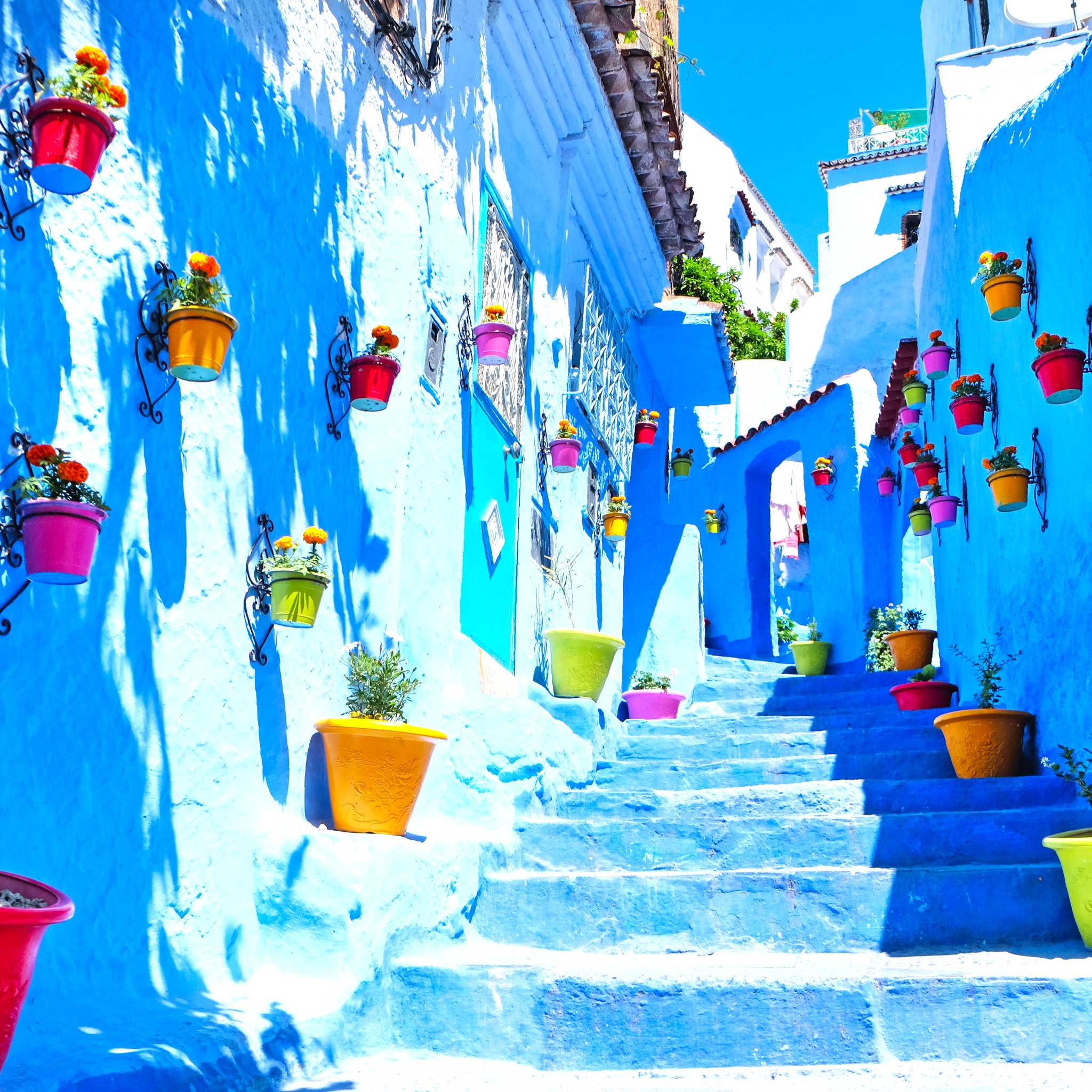
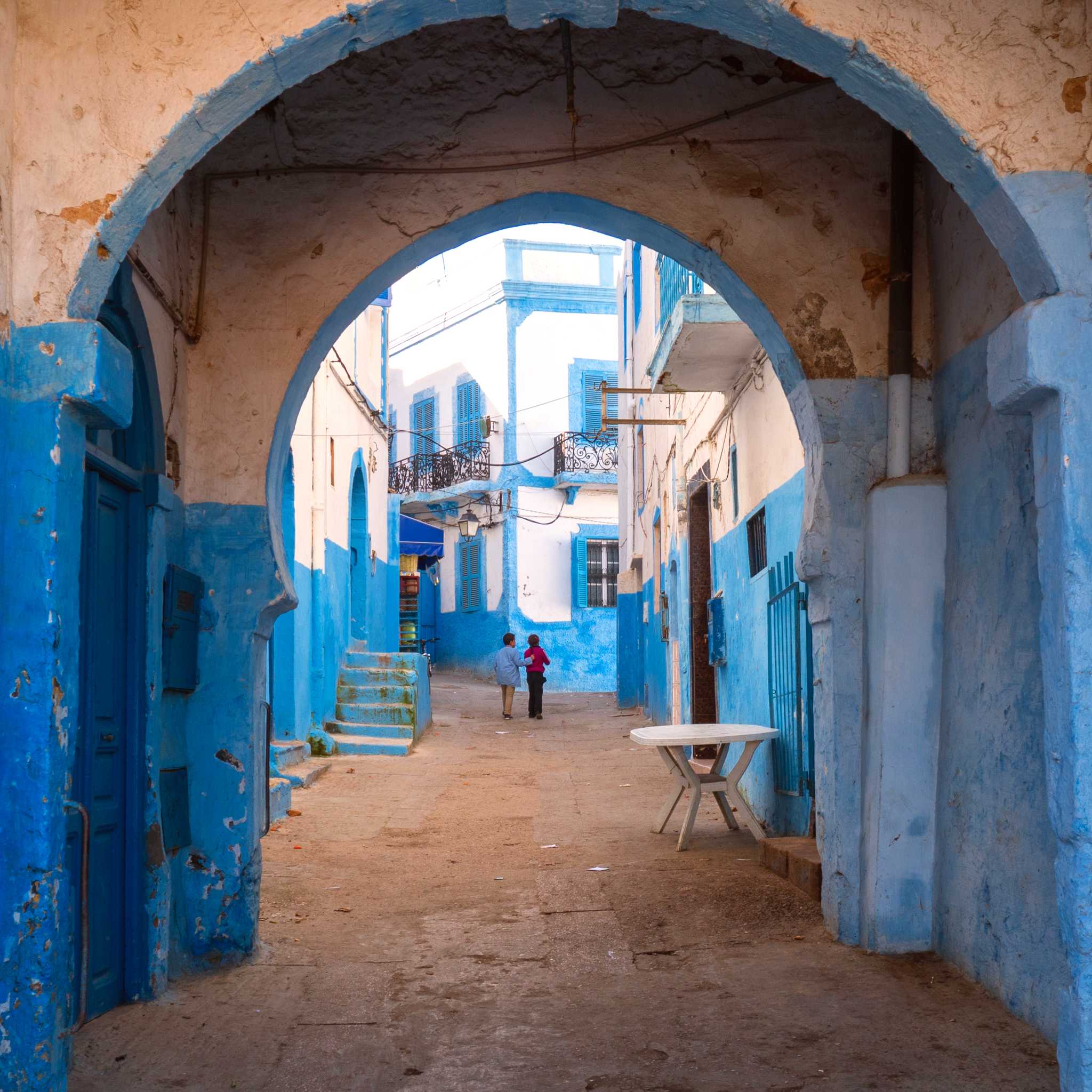
Tangier's medina involves significant walking on uneven surfaces, narrow alleys, and steep steps. Comfortable walking shoes are essential. The old city is largely pedestrian-only, while the new town has wider streets suitable for all mobility levels.
Tangier is generally safe for visitors. The medina can be bustling and overwhelming, but serious crime against visitors is uncommon. Stay aware of your surroundings, avoid displaying valuables, and consider guided tours for first-time visits to navigate the old city.
Dress modestly, especially when visiting religious sites or local neighborhoods. Cover shoulders and knees, remove shoes when entering mosques, and ask permission before photographing people. Friday is the holy day with reduced business hours.
The best time to visit Tangier is spring (March-May) and autumn (September-November) when temperatures are mild and comfortable. Summer can be hot, while winter is cooler but still pleasant for sightseeing and exploring the medina.
Morocco uses the Moroccan dirham as its official currency. While some tourist areas accept euros, you'll get better value using dirhams. ATMs are widely available, and credit cards are accepted in hotels and larger establishments.
Arabic and Berber are Morocco's official languages. French is widely spoken due to historical ties, and English is increasingly common in tourist areas. Many locals in Tangier speak multiple languages including Spanish due to proximity to Spain.
Tipping is expected in Morocco and considered part of service workers' income. In restaurants, 10-15% is standard. Small tips are appreciated for guides, hotel staff, and taxi drivers. Haggling in markets is normal and expected.
Essential Moroccan foods include tagine, couscous, pastilla, mint tea, and fresh seafood. Tangier's coastal location offers excellent fish dishes. Don't miss trying local bread, olives, dates, and traditional sweets from local bakeries and markets.