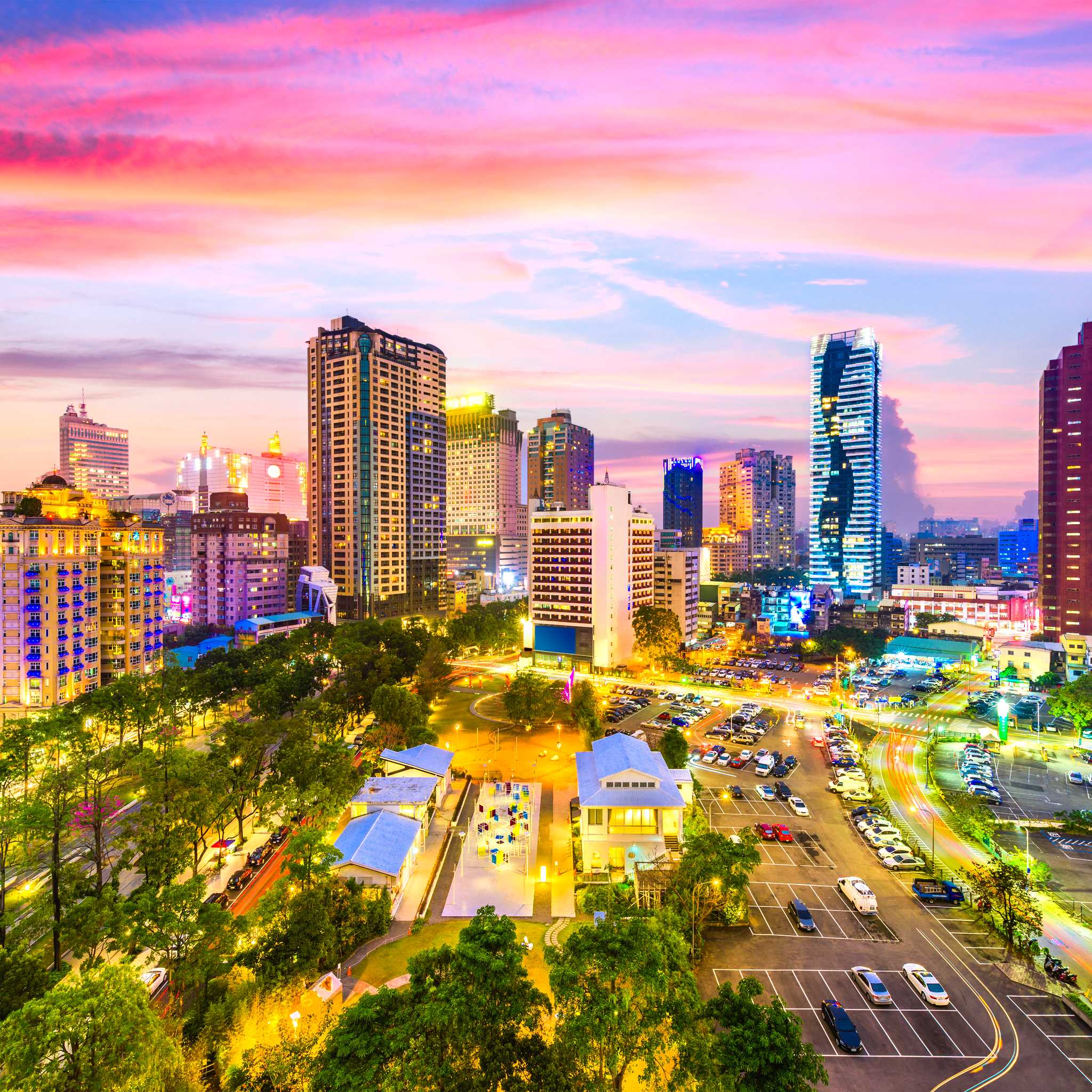
Taipei is quite walkable in many neighborhoods, with wide sidewalks in central areas like Xinyi and Ximending. The MRT subway is excellent and accessible, with elevators at most stations. Some older areas and hilly spots can be challenging for wheelchairs or strollers. Overall, the city is well organized and easy to navigate.
Taipei is one of the safest large cities in Asia, with very low rates of violent crime. Locals are known for being helpful and honest, and lost items are often returned. Standard precautions still apply in crowded areas. The public transportation system is clean, efficient, and safe to use day or night.
Tipping is not part of Taiwanese culture and is generally not expected. Most restaurants include a 10 percent service charge on the bill. For private drivers, hotel porters, or tour guides catering to international visitors, a small tip is appreciated but never required. Politeness and a sincere thank-you are the best forms of gratitude.
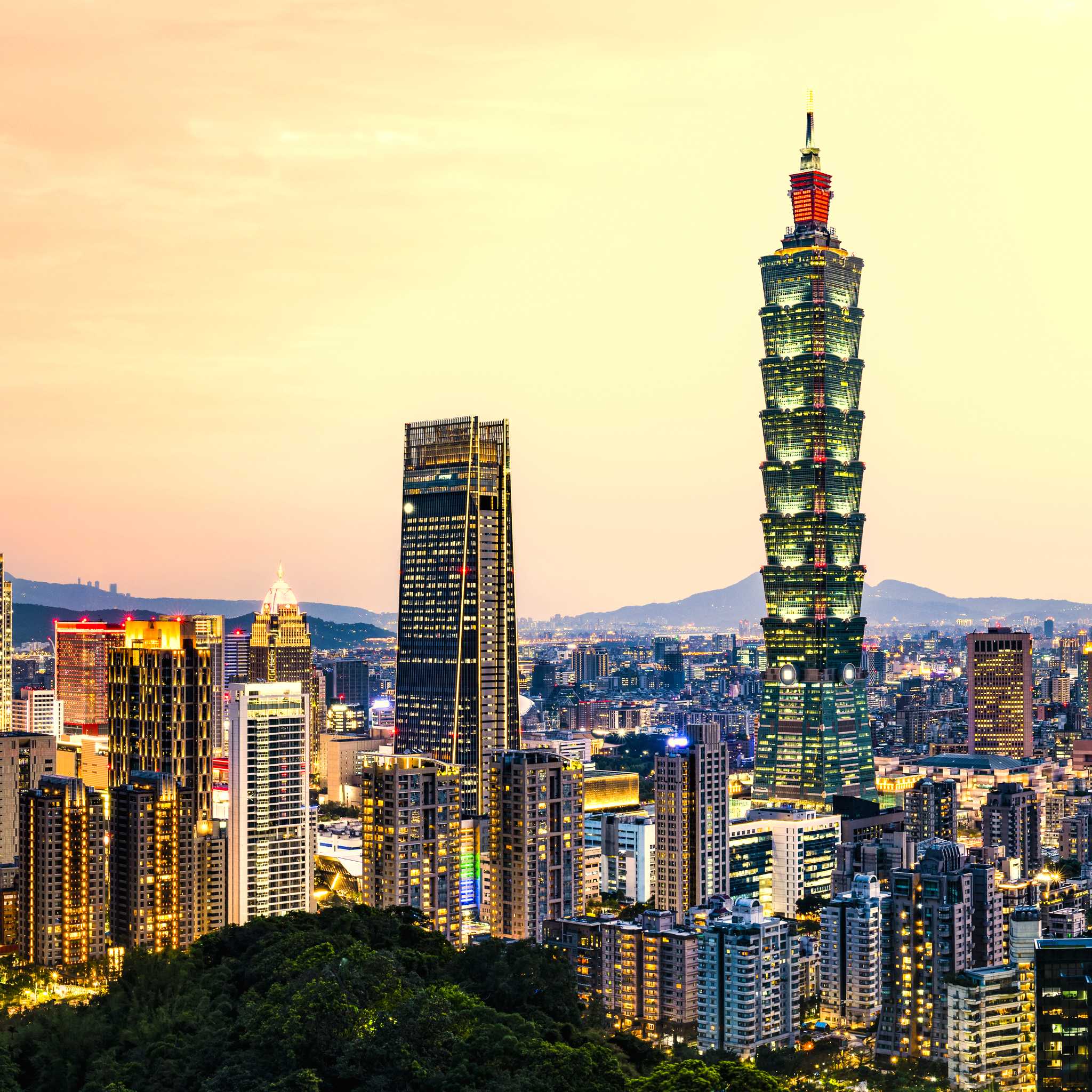
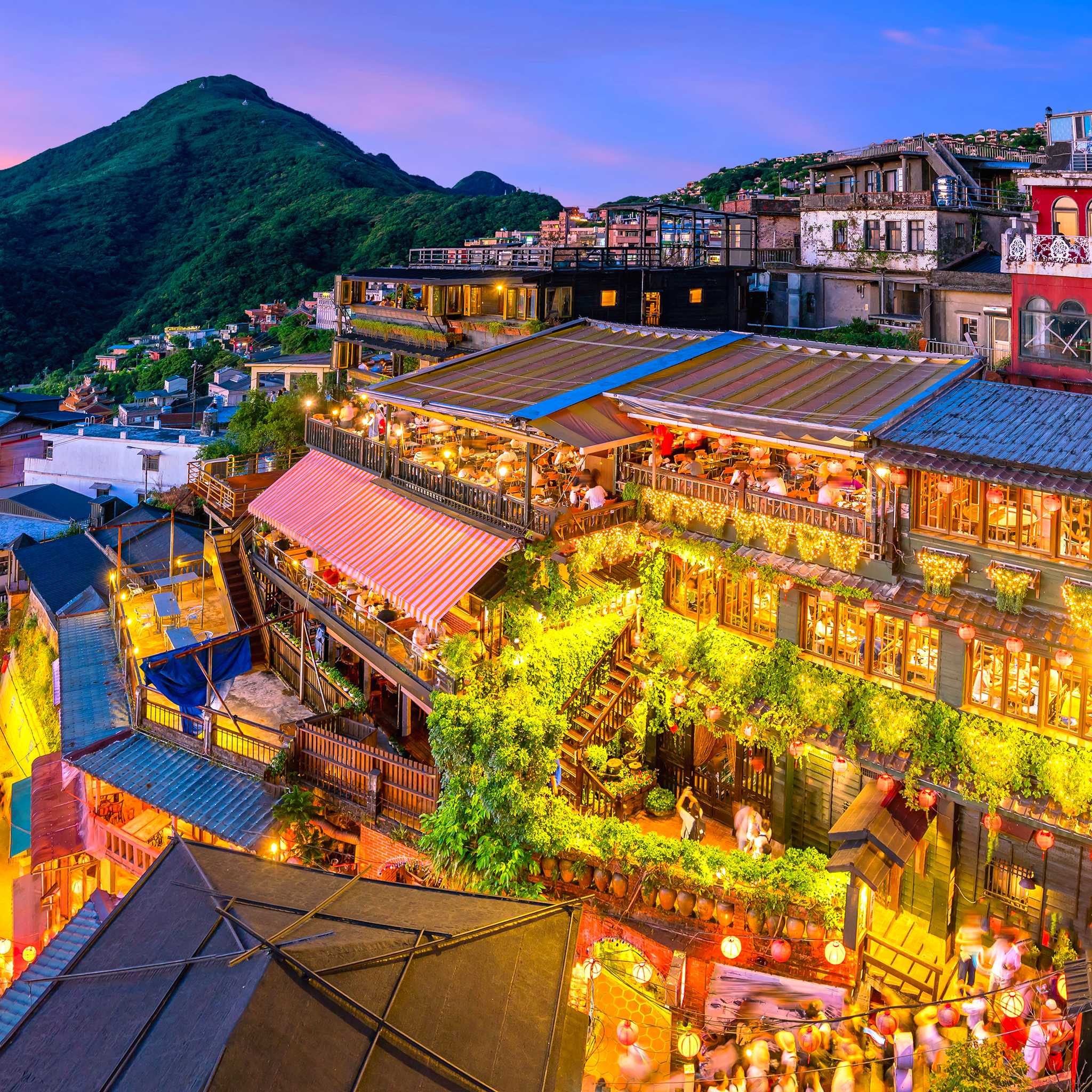
Top attractions include Taipei 101, the National Palace Museum, Longshan Temple, and the Chiang Kai-shek Memorial Hall. Don't miss exploring the Shilin and Raohe night markets. Day trips lead to Jiufen, Yehliu Geopark, the hot springs of Beitou, the Pingxi sky lantern town, and the Maokong tea-growing area.
The official currency of Taiwan is the New Taiwan dollar (TWD or NT$). Cash is still widely used, especially at night markets, small shops, and local restaurants. Credit cards are accepted at hotels, larger restaurants, and chain stores. ATMs are easy to find, and many accept international cards from major networks.
The most pleasant times to visit Taipei are autumn (October and November) and spring (March to May), when temperatures are mild and humidity drops. Summer can be hot and humid with occasional typhoons from June through September. Winter is mild but rainy, making it a good time to enjoy hot springs in nearby Beitou.
Mandarin Chinese is the official language of Taiwan, with Taiwanese Hokkien and Hakka also widely spoken. English is taught in schools and is often understood at hotels, major attractions, and the Taipei MRT, but less so in smaller shops or rural areas. Translation apps and a few basic Mandarin phrases are very useful.
Taipei is a paradise for food lovers. Must-try dishes include beef noodle soup, xiao long bao (soup dumplings), oyster omelets, stinky tofu, and bubble tea, which originated in Taiwan. Explore the night markets to sample pepper buns, scallion pancakes, grilled squid, and shaved ice topped with fresh fruit and condensed milk.