Yes, Sarajevo is surrounded by mountains that hosted the 1984 Winter Olympics. Nearby ski resorts Jahorina and Bjelasnica offer winter sports just 30-40 minutes from downtown. Summer brings hiking, mountain biking, and scenic drives through Dinaric Alps. Mount Trebevic provides city views via cable car. The mountains' proximity creates unique urban-alpine character, allowing skiing or hiking in morning and city exploration by afternoon within the same day.
Yes, several sites commemorate the 1992-1996 siege including the Tunnel Museum (escape route under airport runway), War Childhood Museum (personal stories), and Gallery 11/07/95 (Srebrenica genocide documentation). The Holiday Inn, once war correspondents' headquarters, still operates. Sarajevo Roses mark where shells killed civilians, filled with red resin as memorials. These sobering sites help visitors understand the recent conflict's impact and the city's remarkable resilience.
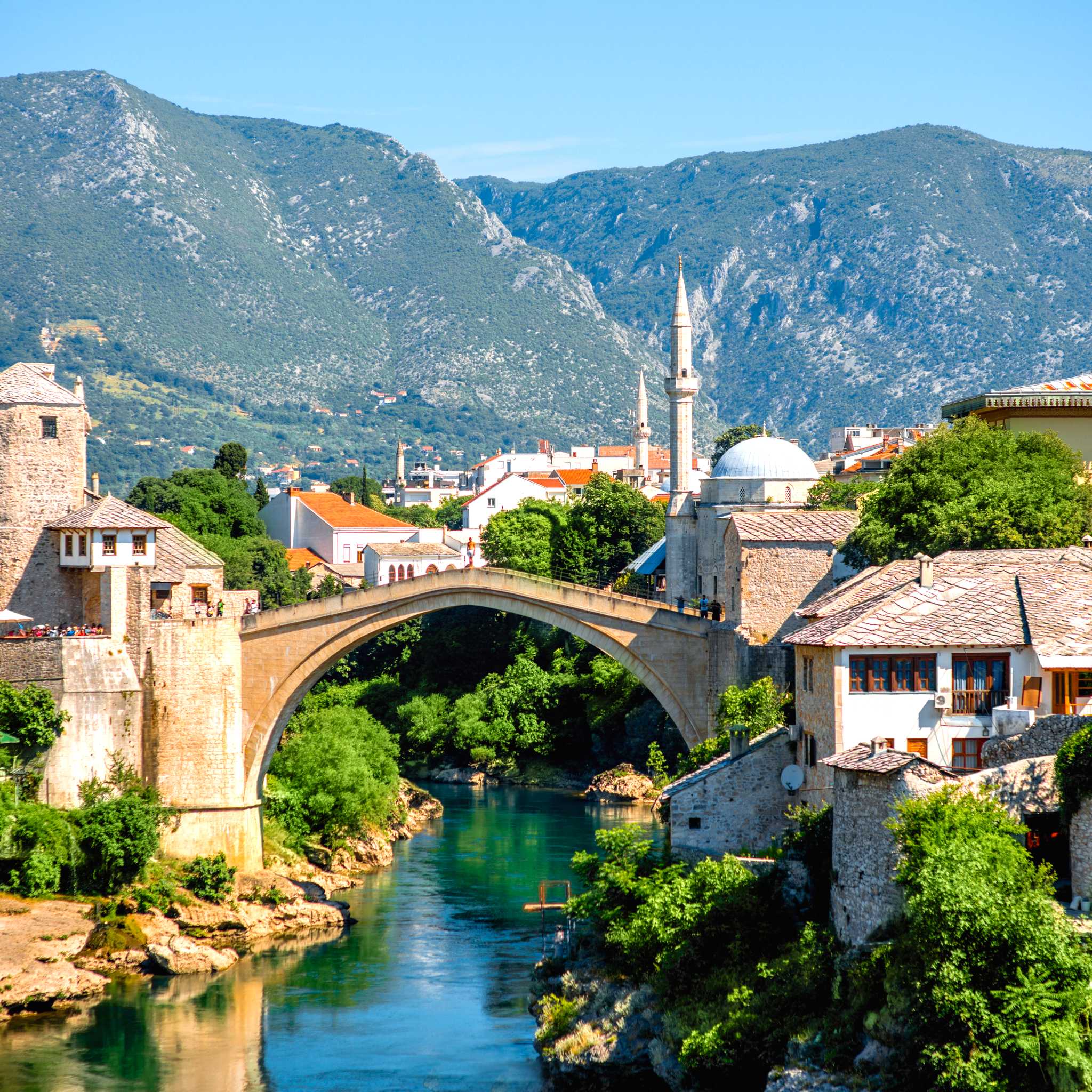
Sarajevo sits approximately 130 kilometers (81 miles) north of Mostar through mountainous Bosnian terrain. The journey takes about 2-2.5 hours by car along scenic routes passing rivers and mountains. Many travelers visit both cities exploring Bosnia's contrasts between capital's urban energy and Mostar's famous Ottoman bridge. The drive showcases Bosnia's dramatic natural beauty and traditional villages along roads that have been significantly improved post-war.
Sarajevo's cuisine blends Turkish, Austrian, and Balkan influences. Must-tries include cevapi (grilled meat sausages in flatbread), burek (flaky pastry with meat or cheese), begova corba (chicken soup), klepe (dumplings), and tufahija (poached apple dessert). Meat dominates menus reflecting Ottoman heritage. The city offers excellent value dining with generous portions. Local rakija (fruit brandy) and beer complement meals. Bascarsija's traditional eateries provide authentic atmospheres and flavors.
Bascarsija is Sarajevo's old Ottoman bazaar and historic heart, featuring cobblestone streets, mosques, traditional crafts, and Turkish-style cafes. The area centers on Sebilj fountain, an iconic wooden structure surrounded by pigeon-feeding tourists and coffee-sipping locals. Shops sell copper items, carpets, jewelry, and souvenirs. This atmospheric quarter represents Sarajevo's eastern heritage with authentic atmosphere combining history, commerce, and culture in Europe's most eastern-feeling capital.
Bosnian coffee, similar to Turkish coffee, is central to Sarajevo's social life. Served in small copper pots (dzezva) with sugar cubes and Turkish delight, it's consumed slowly while socializing. Cafes throughout Bascarsija and the city offer traditional settings where locals spend hours conversing. The ritual represents hospitality and community. Visitors should try authentic preparation methods and embrace the unhurried pace reflecting Balkan lifestyle rather than Western rush.
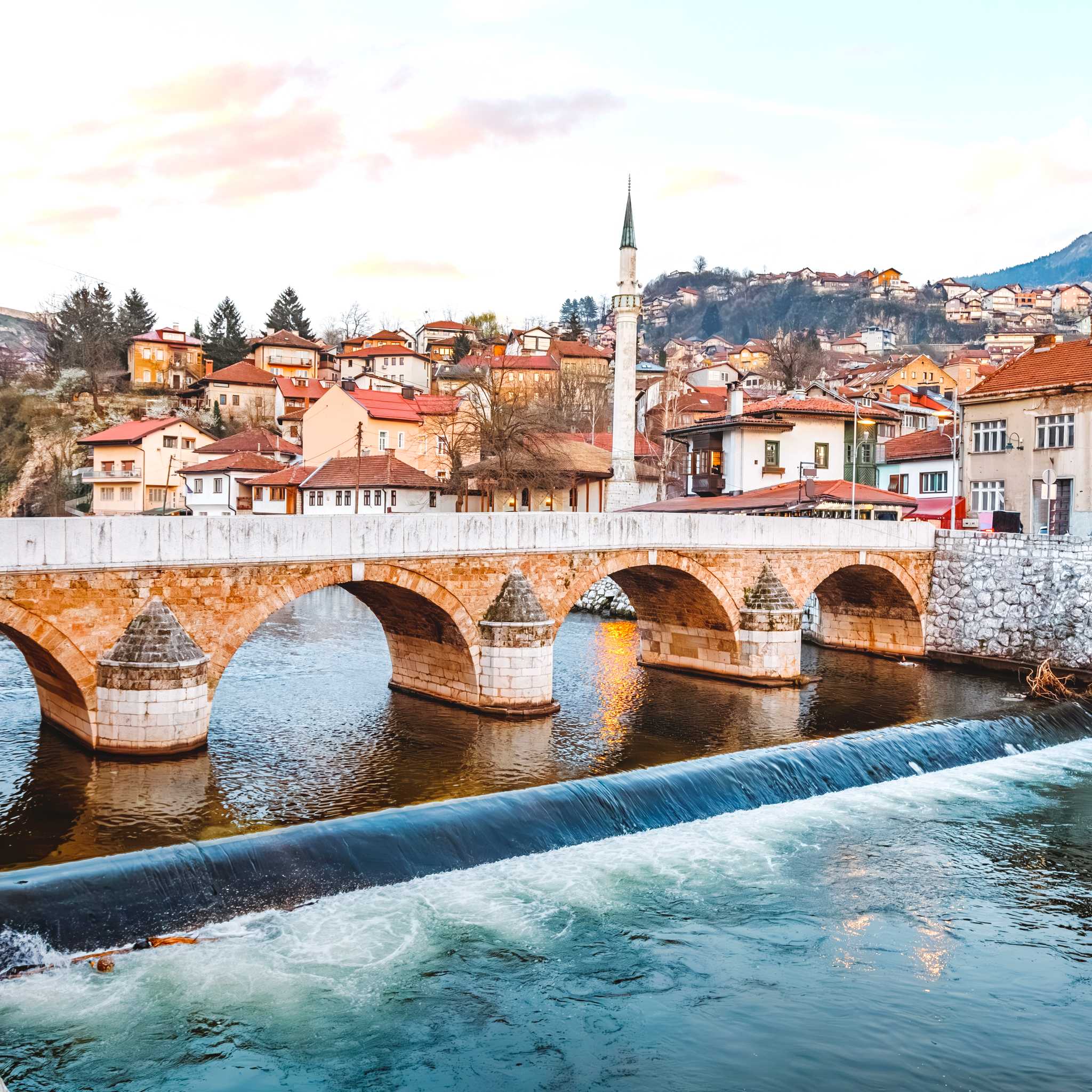
Sarajevo is Bosnia and Herzegovina's capital, famous for its cultural diversity where East meets West. The historic Bascarsija quarter features Ottoman architecture, mosques, and copper workshops while Austro-Hungarian buildings line elegant boulevards. The city witnessed both the 1914 assassination sparking WWI and the 1990s siege. Today's Sarajevo combines tragic history with resilient spirit, delicious cevapi, strong coffee culture, and welcoming people representing remarkable post-war recovery.
Late spring (May-June) and early fall (September-October) provide ideal weather for exploring the city's hills and outdoor attractions without summer heat or winter cold. Summer brings warmest temperatures and outdoor festivals. Winter offers skiing on nearby Olympic mountains (Jahorina, Bjelasnica) and Christmas markets. Each season has appeal, though July-August can be hot and January-February quite cold with snow. The city's elevation creates variable weather year-round.