Yes. Porto Torres is the main gateway to Asinara, a former penal colony turned national park known for its white donkeys, clear coves, and car-free trails. Boats depart from the port, though crossings and any booking requirements vary by season, so it's worth checking the official park or ferry operator's site before you go.
Porto Torres sits about 24 km (15 miles) from Sassari, 36 km (22 miles) from Alghero, and 235 km (146 miles) from Cagliari. A private transfer covers any of these routes door to door, so you skip switching between trains or buses and arrive ready to explore instead of waiting on a platform.
Two to three hours cover the town center comfortably, including the Basilica of San Gavino, the Roman bridge over the Rio Mannu, and the archaeological park. If you're also crossing to Asinara Island, plan for closer to a full day, since the boat trip and island visit take up most of the daylight hours.
Yes. Porto Torres fits naturally between Alghero's beaches and Sassari's historic center, or as a stop before or after an Asinara crossing. Its Roman sites take just a couple of hours, so it's easy to fold into a longer private transfer route without derailing the rest of your day.
</content>
The Basilica of San Gavino anchors the old town, its bare stone interior holding the relics of three early Sardinian martyrs. Nearby, the Antiquarium Turritano museum and the Turris Libisonis archaeological park display mosaics, baths, and street layouts from the Roman colony. The Roman bridge over the Rio Mannu, still in use today, ranks among the longest surviving Roman bridges in Sardinia.
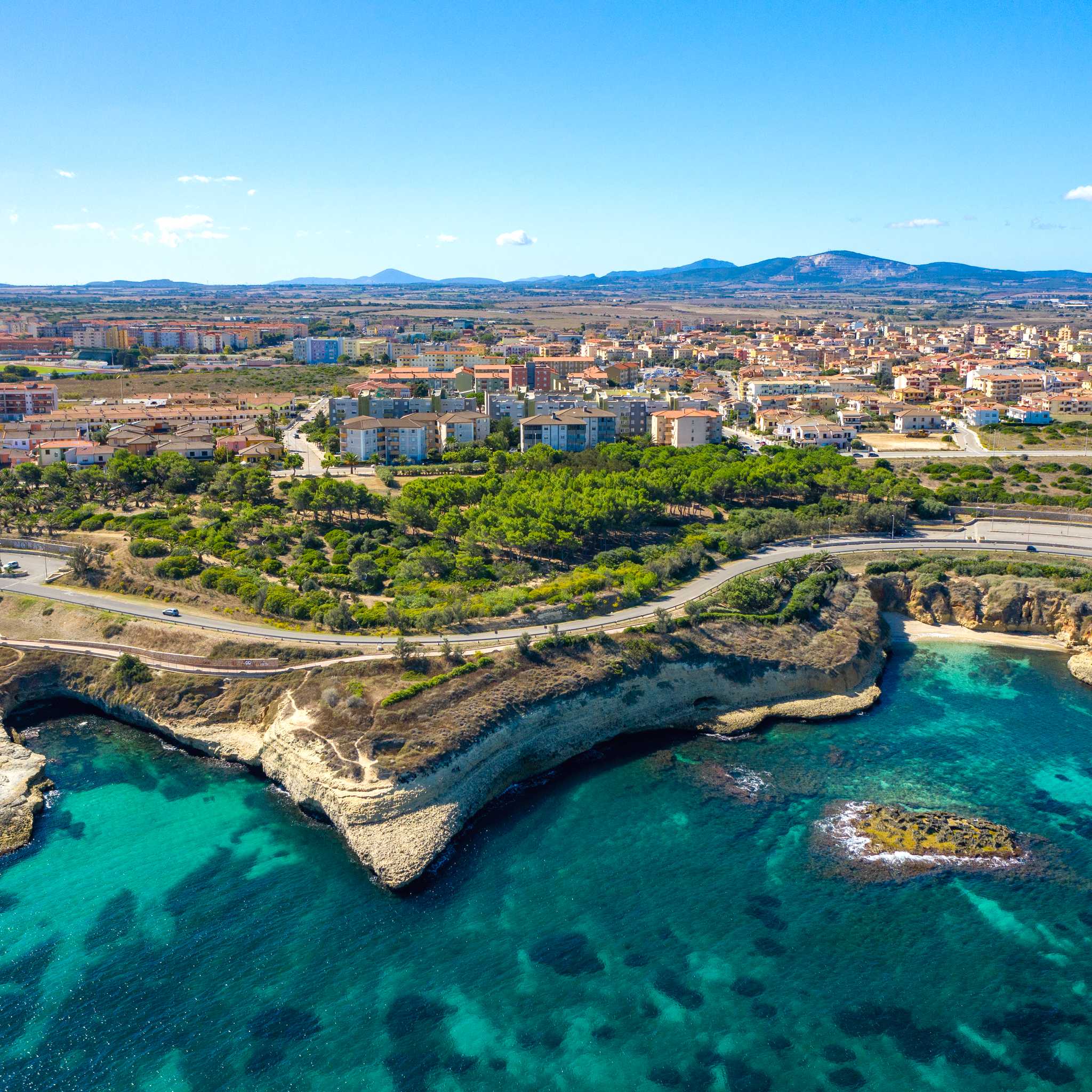
Porto Torres pairs two very different experiences in one stop: a working Sardinian port town built on Roman foundations, and the launch point for one of the Mediterranean's wildest islands. The Basilica of San Gavino, one of Sardinia's oldest and largest Romanesque churches, stands a short walk from the ruins of ancient Turris Libisonis. It's compact and walkable, so you see it all without an overnight stay.