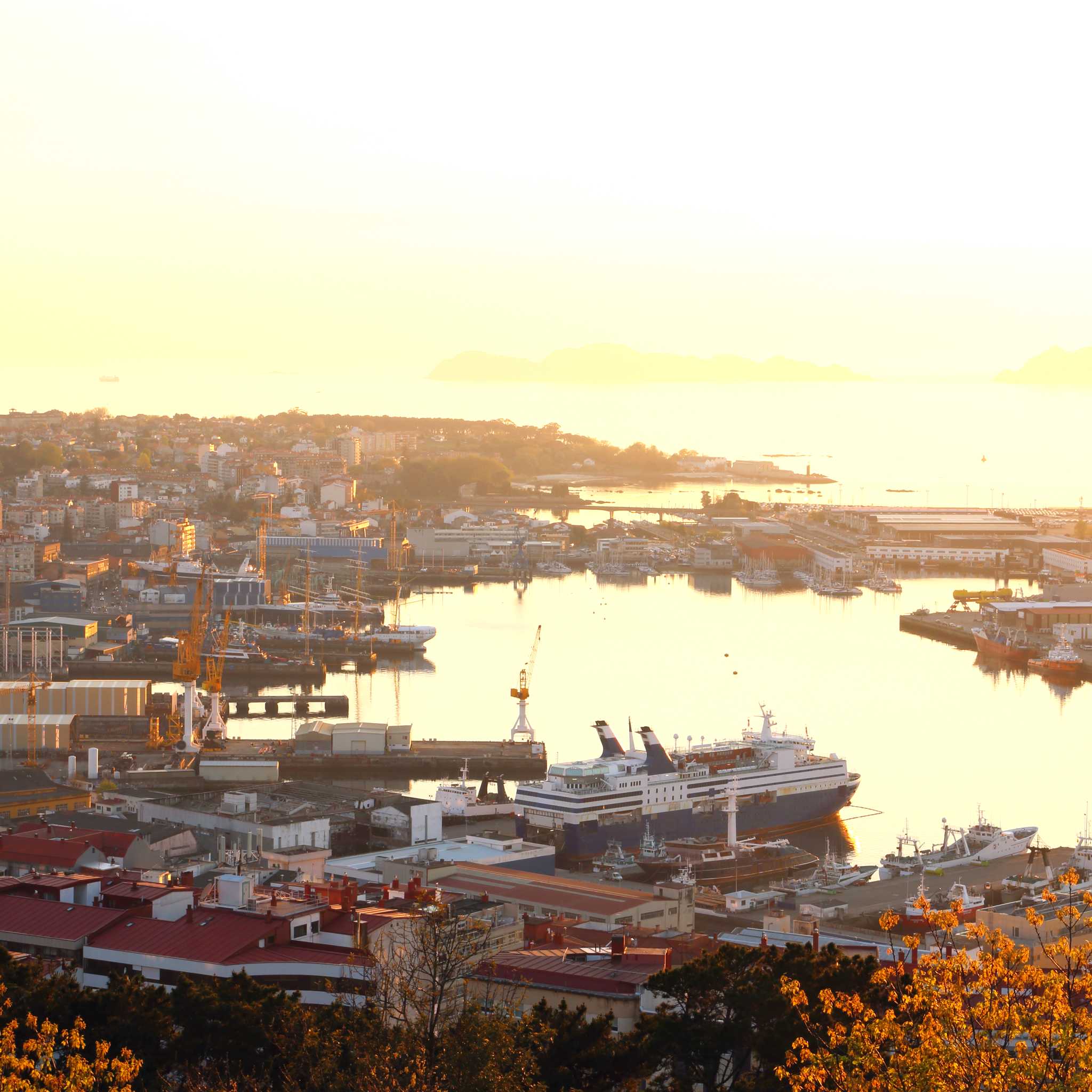
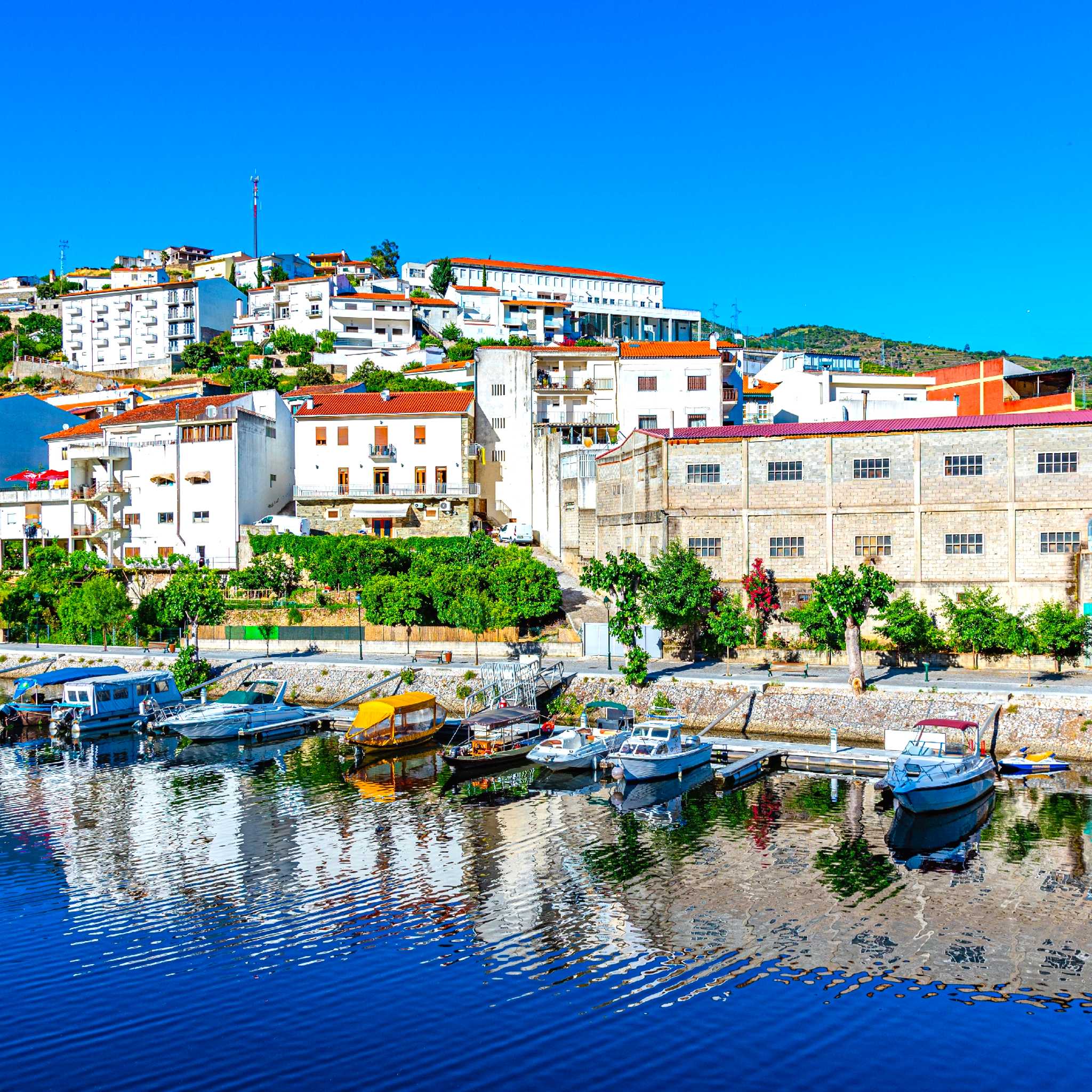
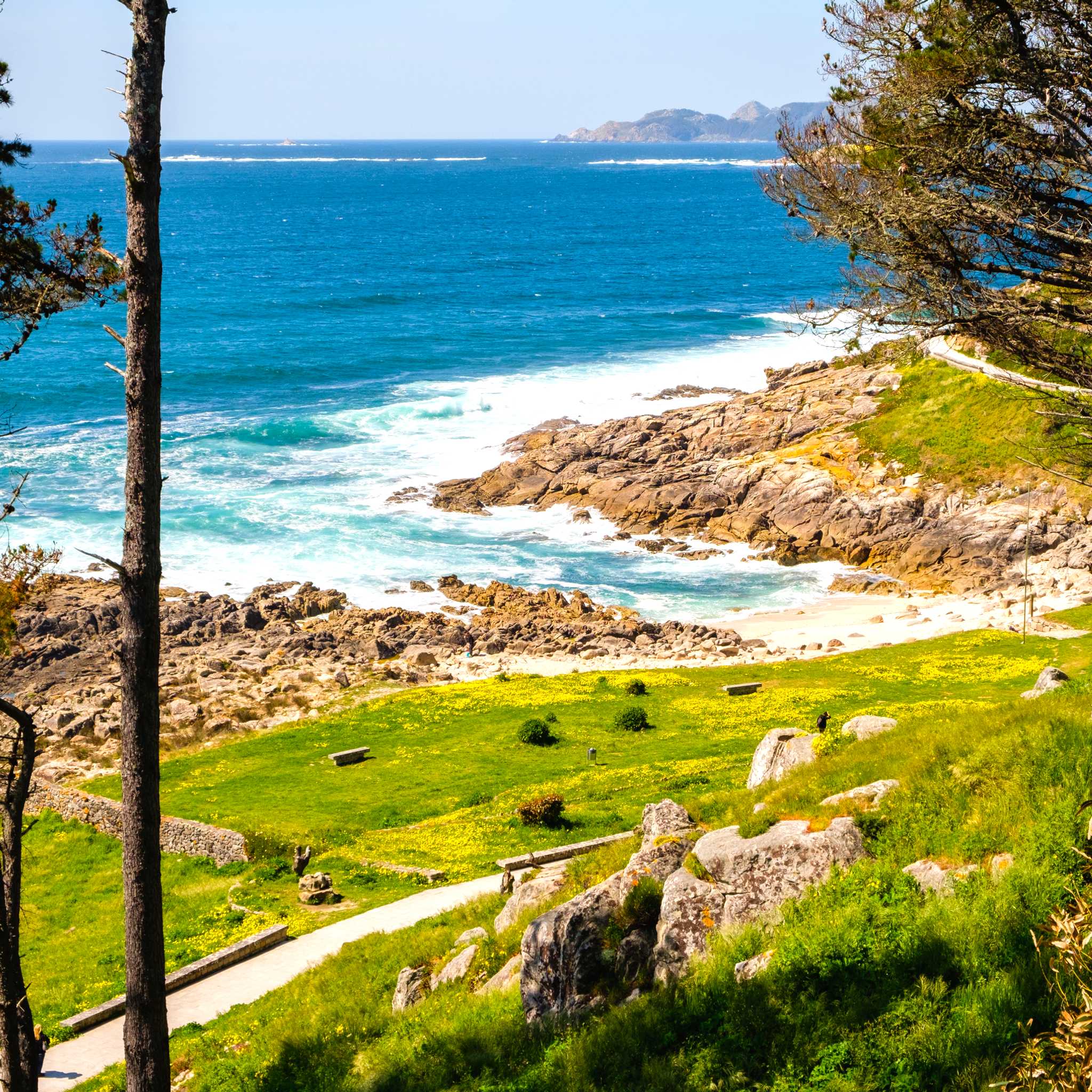
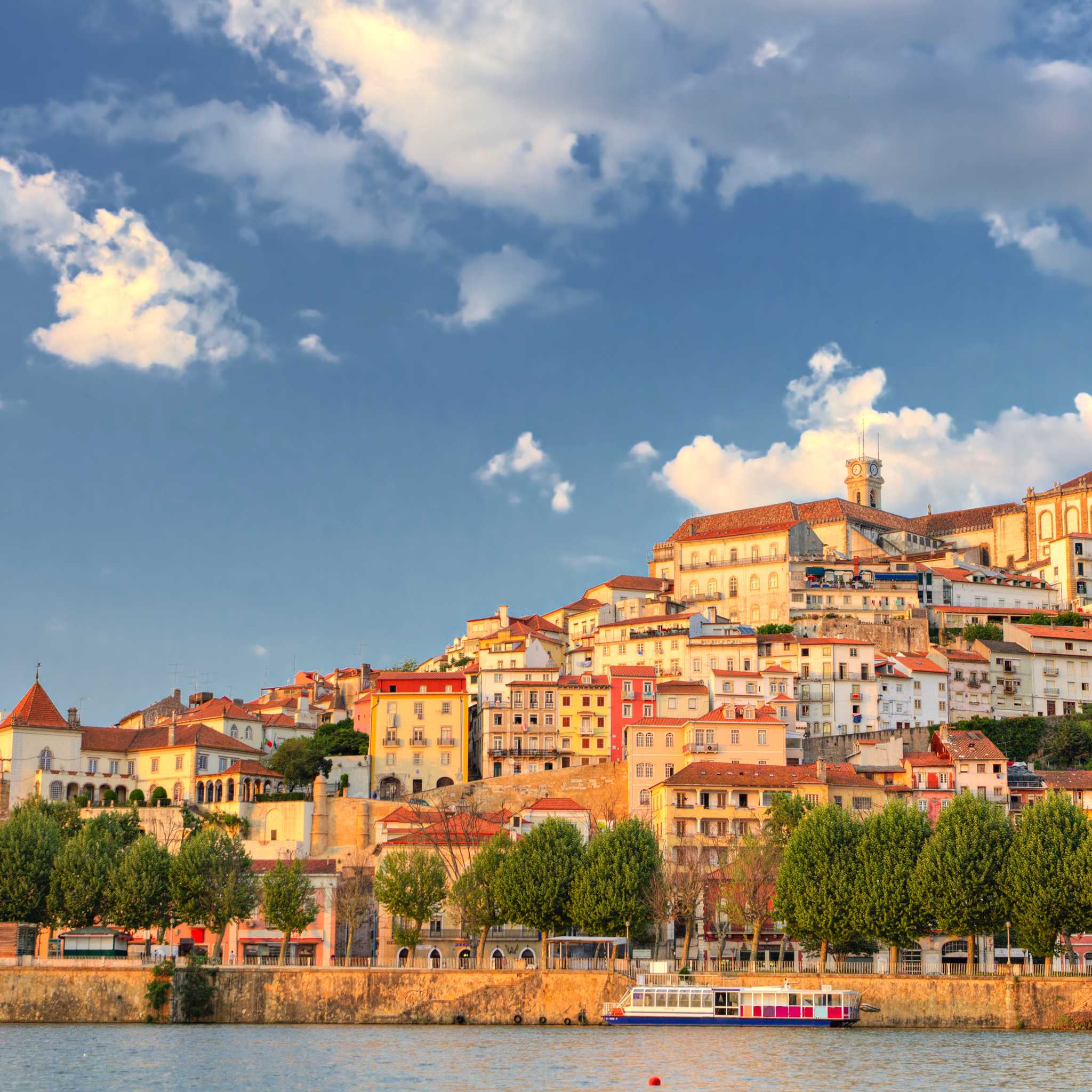
Porto sits where the Douro river meets the Atlantic, with the terraced vineyards of the Douro Valley beginning roughly 100 km (62 miles) inland. A single day trip usually centers on the city and its port wine lodges in Vila Nova de Gaia, but travelers with extra time often pair Porto with a separate excursion further up the valley to see the vineyards up close.
Tipping is not mandatory in Porto but appreciated for good service. In restaurants, rounding up the bill or leaving 5-10% is common. For coffee or small services, leaving small change is sufficient.
While Portuguese is the official language, English is commonly spoken in tourist areas, hotels, and restaurants. Learning basic Portuguese phrases like "obrigada" (thank you) is appreciated and helpful for authentic experiences.
A full day covers Porto's essentials comfortably. Spend the morning wandering Cais da Ribeira and the historic center's narrow streets, dedicate midday to one or two standout monuments, then cross to Vila Nova de Gaia in the afternoon for a port wine tasting and river views before heading back.
Porto is very walkable but quite hilly with cobblestone streets. Most attractions in the historic center are within walking distance. Comfortable shoes are essential due to the uneven terrain and slopes.
Porto is very safe for visitors and ranks among europe's safest cities. Petty crime like pickpocketing is rare, but use normal precautions in crowded tourist areas and at night.
Porto celebrates traditional Portuguese holidays including Christmas, Easter, and Saints' festivals. The São João Festival on June 23rd is especially significant, featuring fireworks, street parties, and local traditions throughout the city.
The Palácio da Bolsa is known for its lavishly decorated interiors, including the ornate Arabian Room, while the neighboring Church of São Francisco hides an almost entirely gilded interior behind a plain facade. Book lovers gravitate to Livraria Lello, one of the more photographed bookshops in the world. All three sit close together, easy to fit into one afternoon on foot.
Portugal uses the euro as its official currency. ATMs are widely available throughout the city, and most businesses accept credit cards. It's advisable to carry some cash for smaller establishments and public transportation.
Porto is famous for its traditional dishes like francesinha sandwich, fresh seafood, and of course, port wine. The city also offers excellent pastries, coffee culture, and increasingly diverse international cuisine options.
The best time to visit Porto is from May to September when weather is sunny and warm. May-June and September offer the ideal balance of good weather and fewer crowds than peak summer.
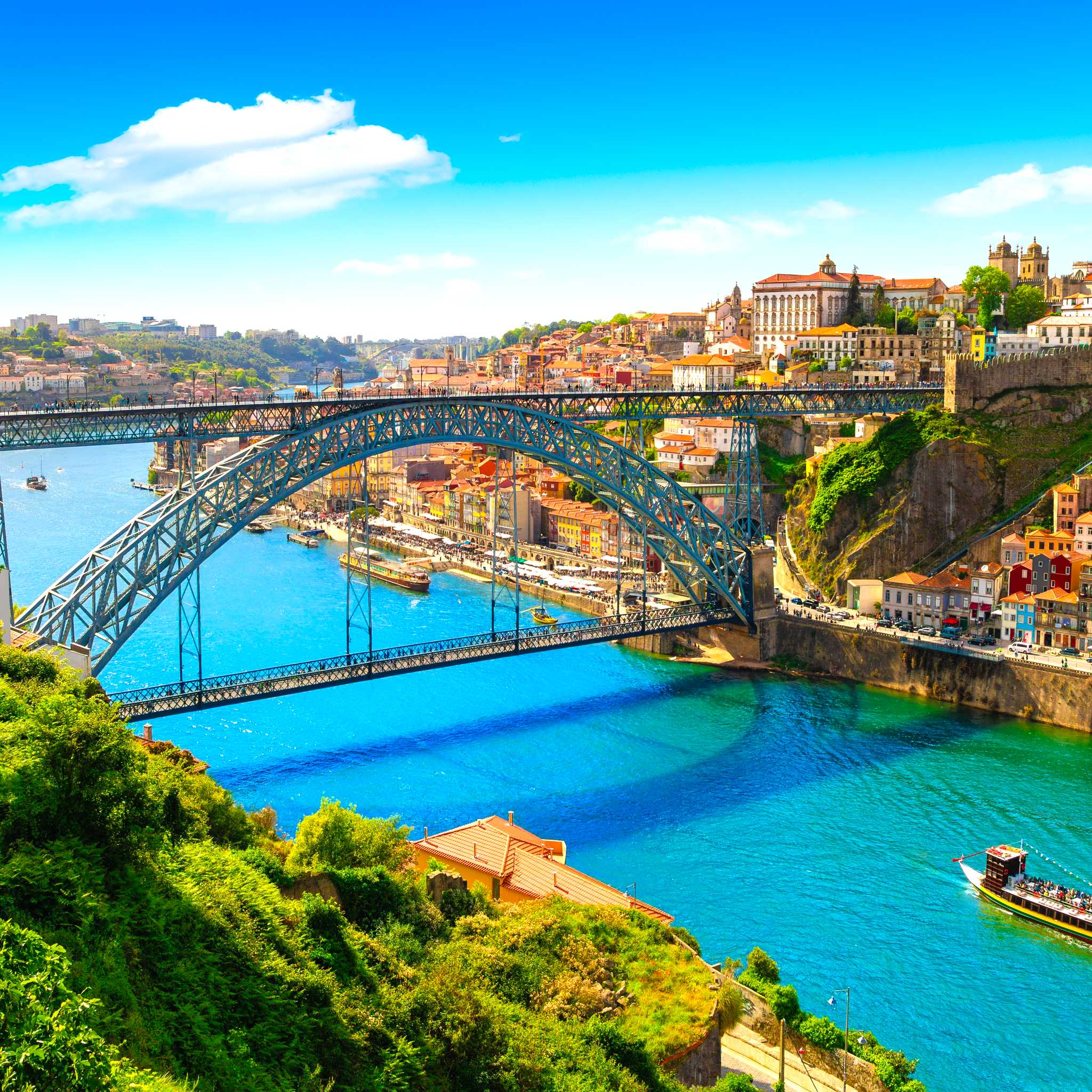
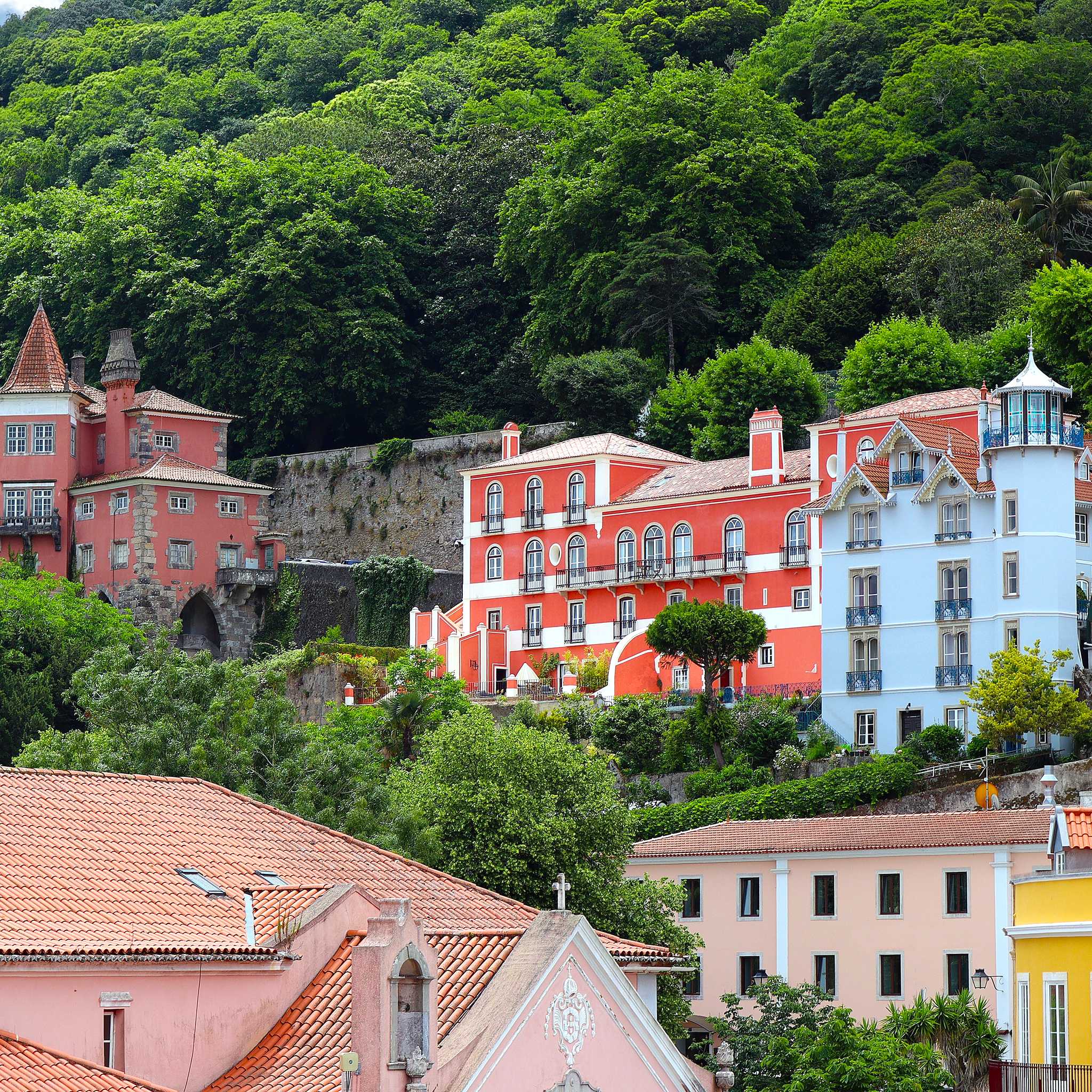
Porto's UNESCO-listed historic center climbs steeply from the Douro river, its tiled facades and cobbled lanes tracing a history back to 300 BC. The city rewards even a short visit: riverside views at Cais da Ribeira, ornate monuments through the old town, and the port wine that carries its name across the world. It's compact enough to see the highlights without feeling rushed.
A private transfer takes you straight into Porto's historic center without the transfers, fixed schedules, or station walks that come with trains or buses. It's a practical option from Lisbon, roughly 313 km (194 miles) south, or other nearby cities, letting you start exploring Cais da Ribeira and the old town right away instead of planning around public transport timetables.
The historic port wine cellars actually sit across the river in Vila Nova de Gaia, not in Porto itself. Cross via the double-decker Dom Luís I Bridge, whose upper deck offers one of the finer views over the Douro river and Ribeira's colorful skyline, then wander the riverside lodges for a taste of the region's signature wine.