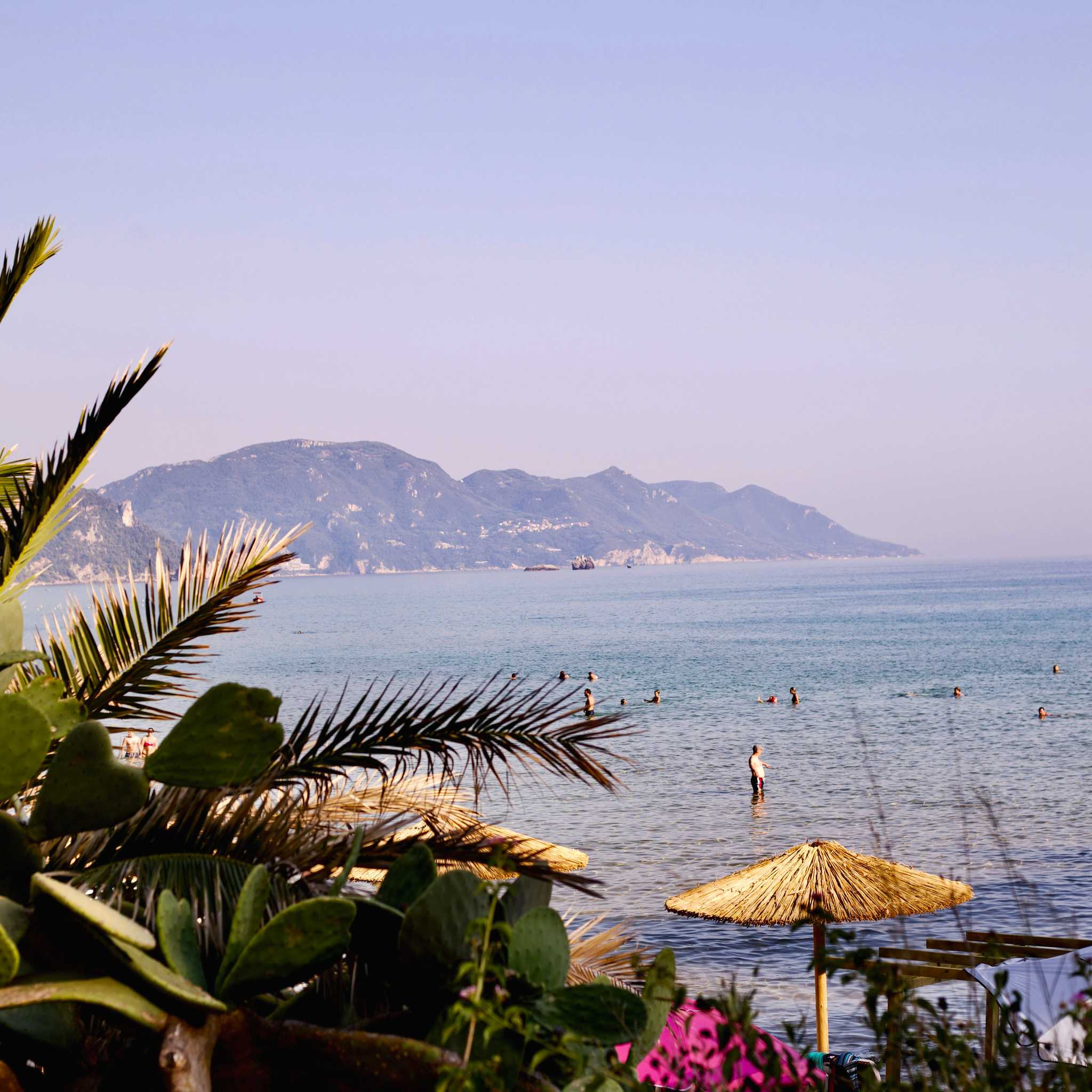
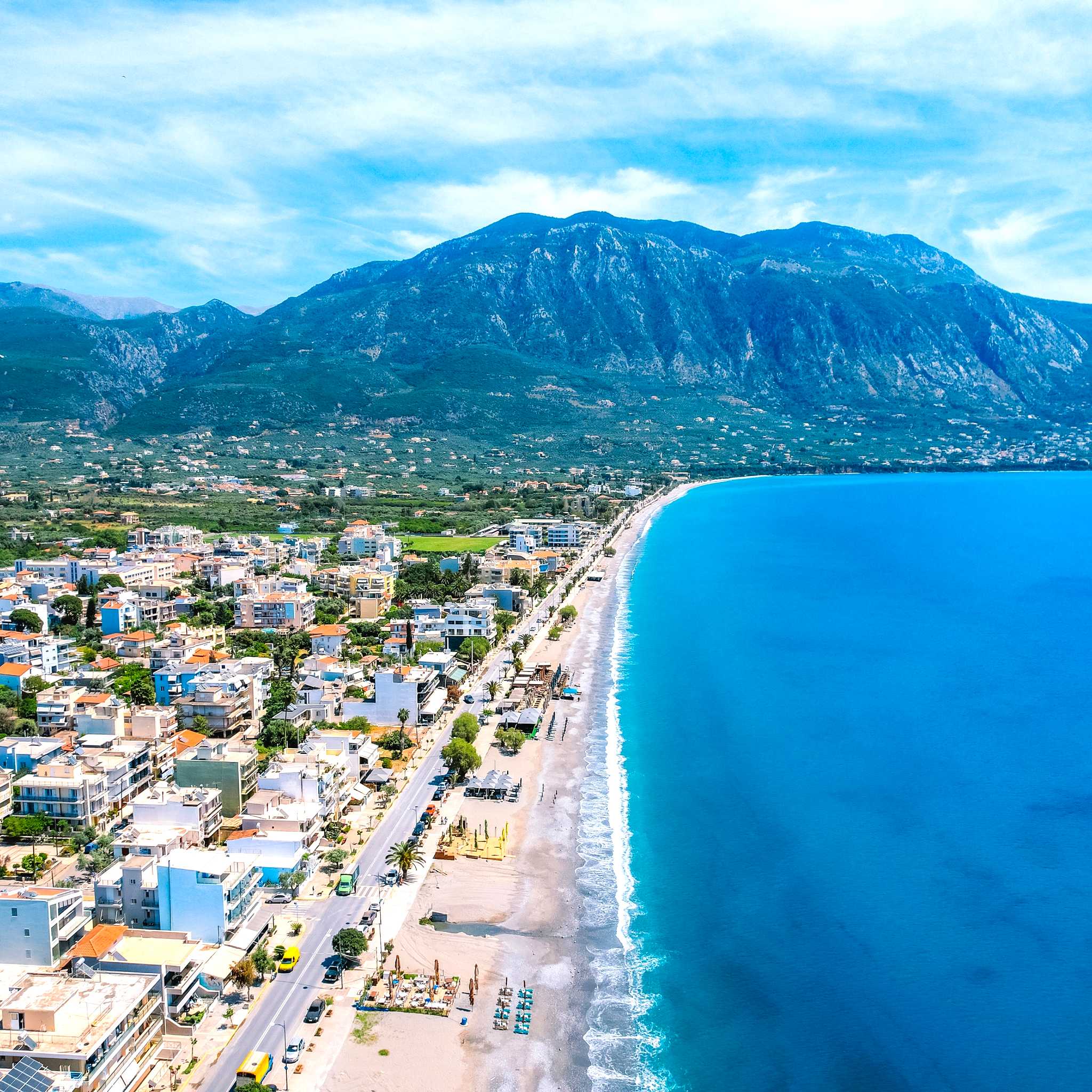
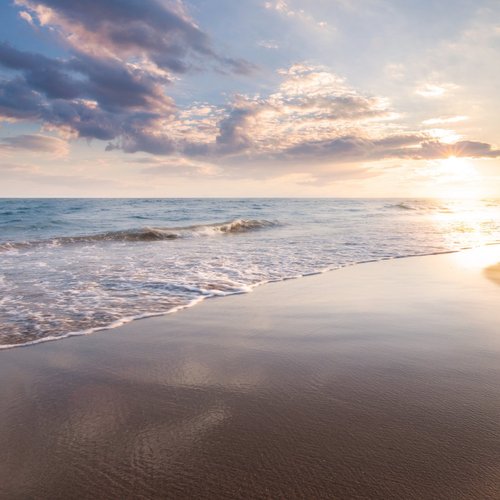
Yes, several beaches exist along the Athenian Riviera south of Piraeus including Votsalakia, Freatida, and beaches at Glyfada, Vouliagmeni, and Varkiza (15-30 minutes away). These organized beaches offer facilities, water sports, and beach bars. While not pristine compared to Greek islands, they provide convenient swimming near Athens. The Athenian Riviera coastline stretches south with various beach options. Many locals and visitors use these beaches while waiting for ferry departures or as Athens-based beach alternatives.
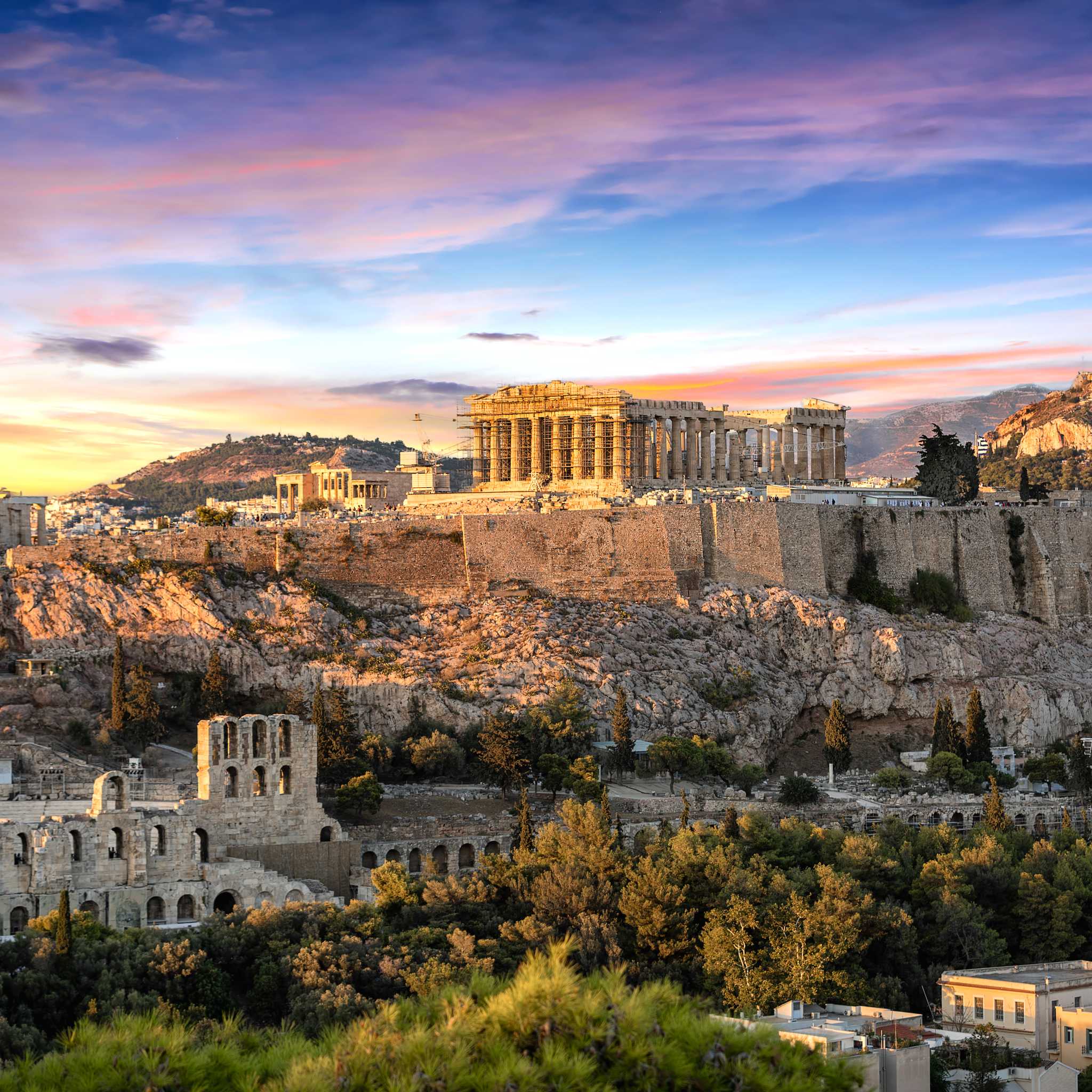
Piraeus sits approximately 12 kilometers (7.5 miles) southwest of Athens center on the Saronic Gulf coast. The journey takes about 20-30 minutes by car depending on traffic, or 20 minutes via metro on the green line connecting Piraeus directly to Athens' Syntagma Square and Monastiraki. Frequent metro service makes port access convenient for ferry travelers. The proximity allows easy movement between Athens' ancient sites and Piraeus' island ferry terminals while both remain distinct entities with different characters.
Yes, Piraeus offers attractions beyond its transportation function including the Archaeological Museum with impressive bronze statues, the open-air ancient theater at Zea, Kastella neighborhood with neoclassical architecture and panoramic views, and authentic Greek dining at harborside tavernas. The municipal market showcases local life. The working port atmosphere provides genuine Greek experience without tourist polish. However, most travelers view Piraeus as functional transit point rather than destination. Those with extra time before ferries can explore these worthwhile sites revealing the port's history and character.
Piraeus serves as the main ferry hub for Cyclades islands including Mykonos, Santorini, Paros, Naxos, and Milos. Saronic Gulf islands like Aegina, Hydra, and Poros are closest (1-2 hours). Crete, Rhodes, and most Aegean islands have connections. Ferry companies operate conventional ferries and high-speed catamarans. Travel times range from 30 minutes to nearby islands to 8+ hours for distant destinations. Advance booking is essential during summer. Piraeus' extensive network makes it Greece's primary island gateway.
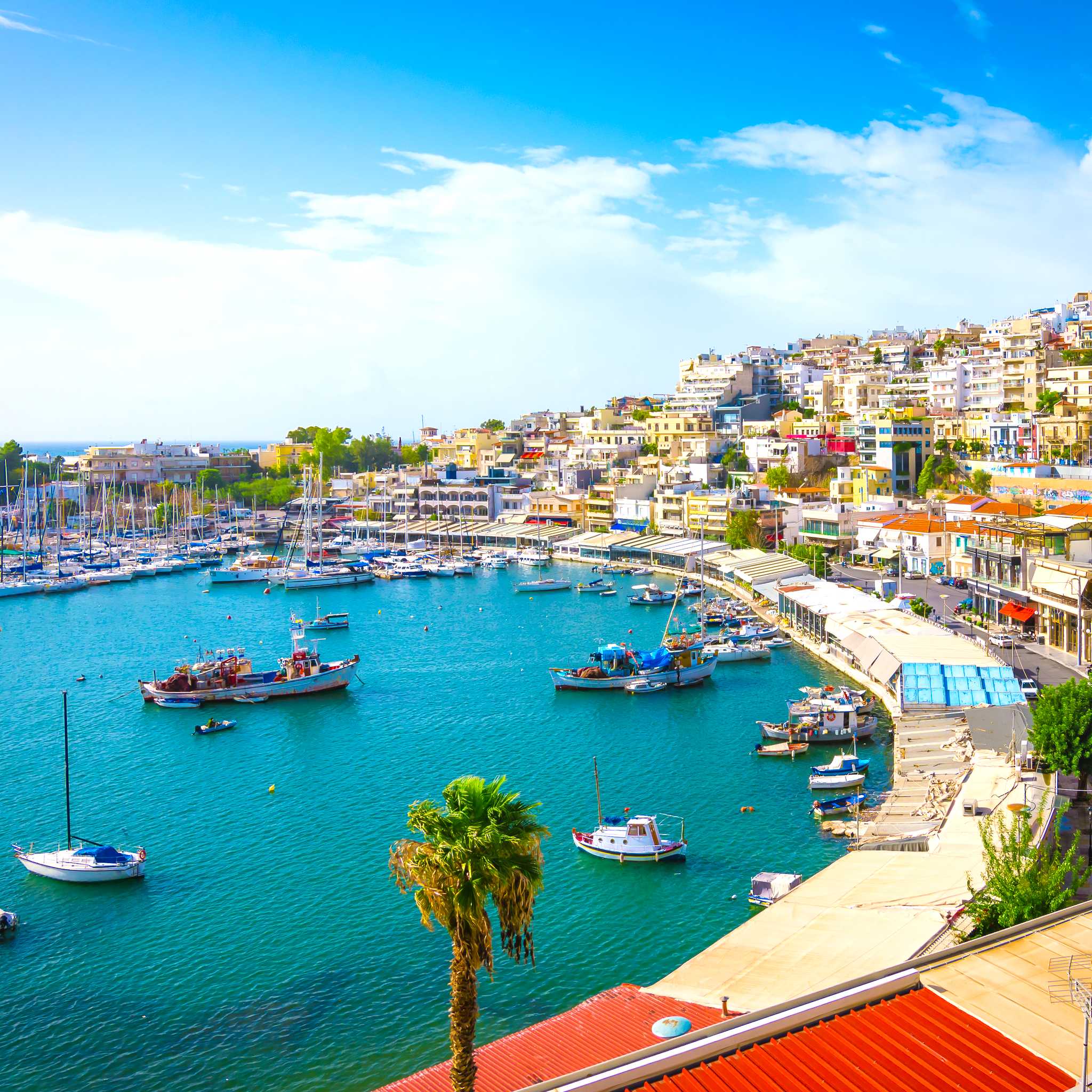
Mikrolimano (small harbor) is Piraeus' picturesque circular marina lined with seafood restaurants, yachts, and traditional fishing boats. This scenic area provides the most atmospheric dining in Piraeus with dozens of tavernas serving fresh fish, octopus, and Mediterranean cuisine. The sheltered natural harbor has served as anchorage since ancient times. Evening dining with harbor views creates quintessential Greek experiences. The surrounding neighborhood features neoclassical architecture. Mikrolimano offers respite from the commercial port's industrial character with authentic waterfront charm.
Piraeus is Greece's largest port and Athens' gateway to the Greek islands, famous for ferry connections to Aegean destinations. This bustling harbor city features ancient history dating to Classical Athens, maritime museums, seafood restaurants along the marina, and authentic Greek atmosphere distinct from touristy Athens neighborhoods. Piraeus serves as the departure point for island-hopping adventures while offering its own attractions including archaeological sites, the Municipal Theatre, and waterfront promenades. The working port maintains genuine character beyond typical tourist circuits.
Piraeus has multiple terminals serving different destinations. Gates E1-E12 handle most Cyclades and Crete ferries, while other gates serve different island groups. The port is large and confusing, so arriving 1-2 hours before departure is essential. Terminal locations can be far apart requiring walking or taxis. Departure gates often change, so confirm information. Luggage handling can be chaotic during peak season. The port area has limited amenities compared to airports. Clear signage in Greek and English helps navigation.
Piraeus functions year-round as a working port, though summer (June-September) brings peak ferry traffic and island-hopping season. Spring (April-May) and fall (September-October) offer pleasant weather without extreme heat or maximum crowds. The port operates daily regardless of season, though ferry schedules reduce in winter when island tourism declines. For waterfront dining and pleasant temperatures, shoulder seasons provide ideal conditions. Winter sees fewer tourists and authentic local atmosphere, though some restaurants have reduced hours.