Absolutely. Pescara is the main hub of the Abruzzo region and offers excellent access to one of Italy's most diverse and underrated areas. Within a short drive you can reach high-altitude mountain scenery, ancient hill towns, the Trabocchi Coast, and pristine national parks. It combines well with beach relaxation and makes a great alternative base to Rome for visitors wanting to explore central-eastern Italy.
The city center and beach areas are reasonably walkable, and Pescara has a train station with regional connections. For exploring the wider Abruzzo region, including mountain villages and national parks, having a private driver is the most practical option. Roads into the Apennine mountains can be scenic but winding, and many smaller villages are not easily accessible by public transit.
Tipping is not obligatory in Italy but is a welcome gesture. Many restaurants include a coperto (cover charge) in the bill, which is not a tip. If you had a great meal or service, leaving a couple of euros on the table for your server is appreciated. For drivers and other service providers, rounding up or offering a small cash tip is perfectly appropriate.
Pescara's lungomare (seafront promenade) is ideal for a stroll, lined with cafes and beach clubs. The birthplace of poet Gabriele D'Annunzio is a small museum worth visiting. Day trips from Pescara are excellent: the Gran Sasso massif, the medieval hilltop village of Santo Stefano di Sessanio, and the Majella National Park are all within reach with a private driver.
Italy uses the euro (EUR). Cards are widely accepted in Pescara's hotels, restaurants, and shops, but smaller establishments and street vendors may prefer cash. ATMs are easy to find throughout the city center and along the main shopping streets. It is always handy to keep some euro coins and small notes for cafes, parking, and local markets.
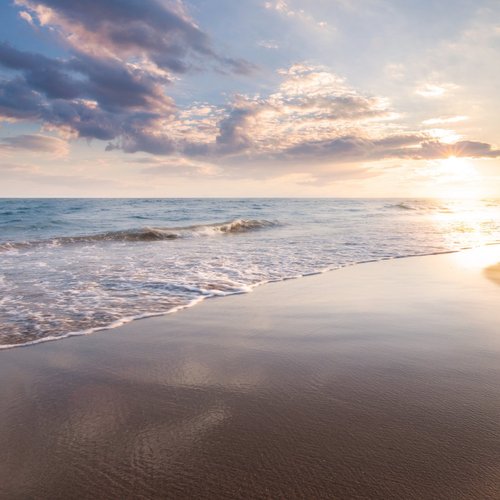
The best time to visit Pescara is from June through September, when the weather is warm, the Adriatic is great for swimming, and the beach scene is at its most vibrant. Spring offers mild weather and fewer crowds, making it a pleasant time to explore the city and the surrounding Abruzzo countryside. Winters are cool and quiet, with most beach facilities closed.
Italian is the official language. In Pescara, English is spoken in many hotels and larger restaurants, though less commonly in everyday local settings than in major tourist cities like Rome or Florence. A little Italian goes a long way here. Locals tend to be friendly and patient with visitors making an effort to communicate in Italian.
Pescara and the Abruzzo region have a wonderful food tradition. Being on the Adriatic coast, fresh seafood is a highlight. Try brodetto alla pescarese (local fish stew), spaghetti alle vongole (clams), and arrosticini (grilled lamb skewers), a beloved Abruzzo specialty. Local pasta shapes like maccheroni alla chitarra are served with rich meat or tomato-based sauces. Montepulciano d'Abruzzo wine can't be missed as well.