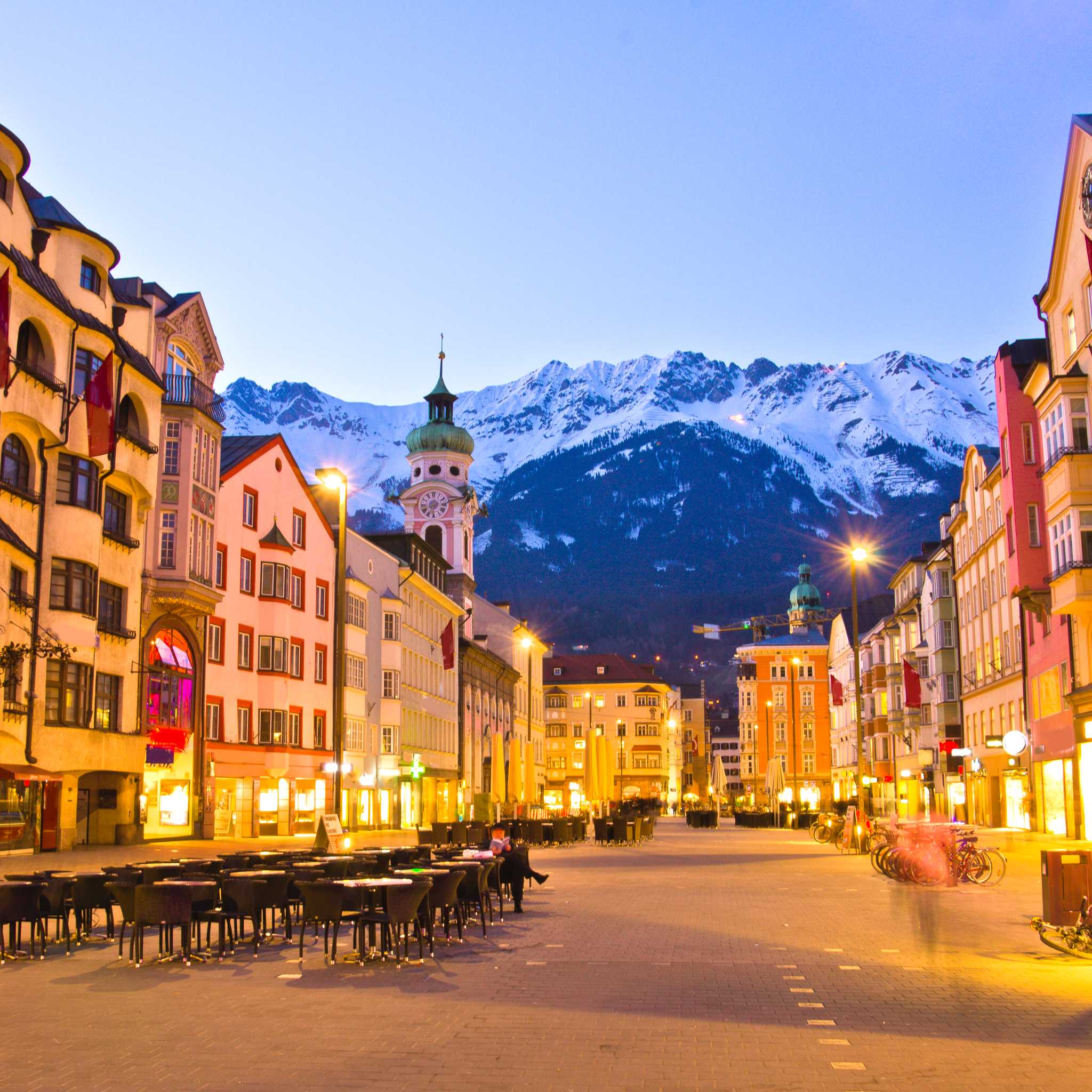
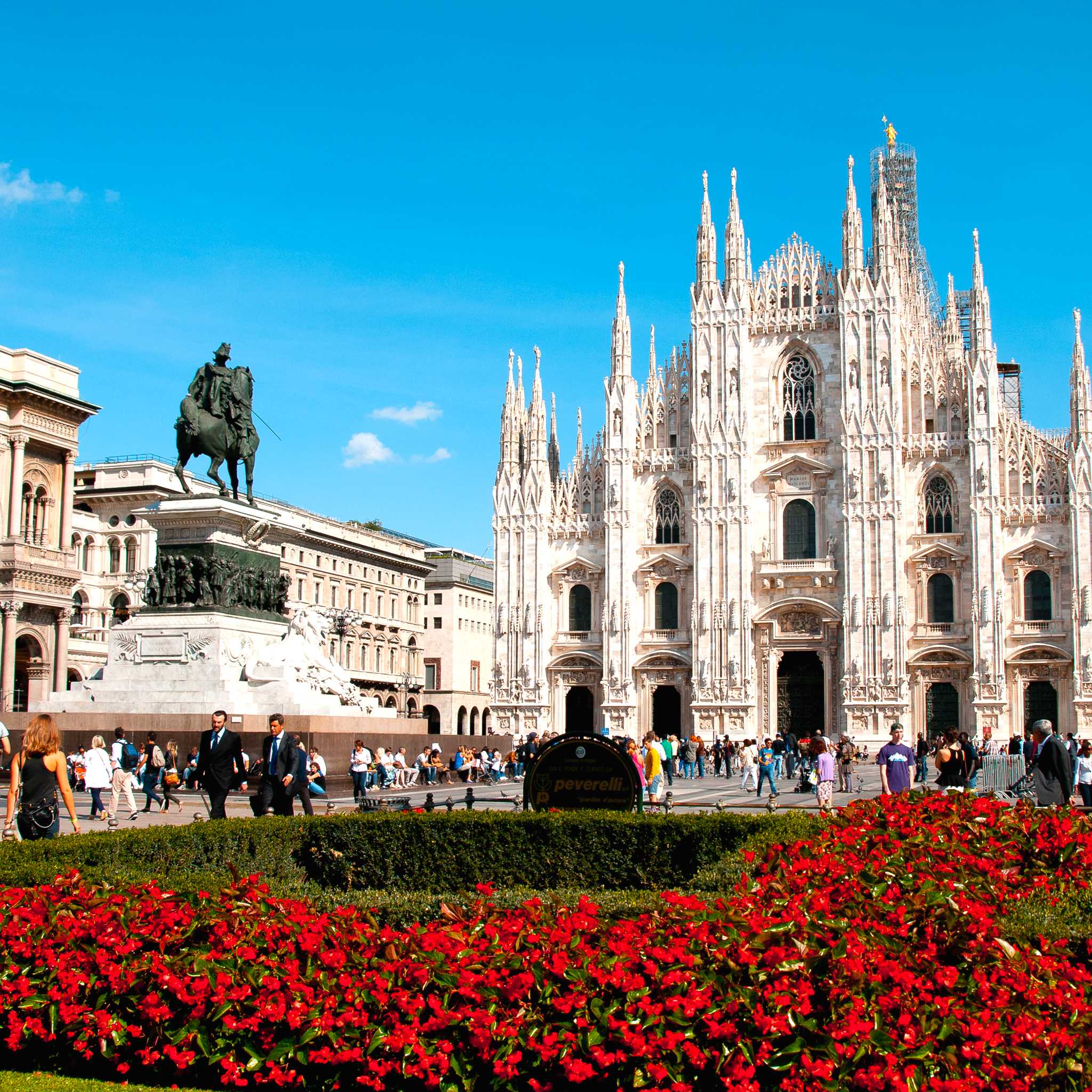
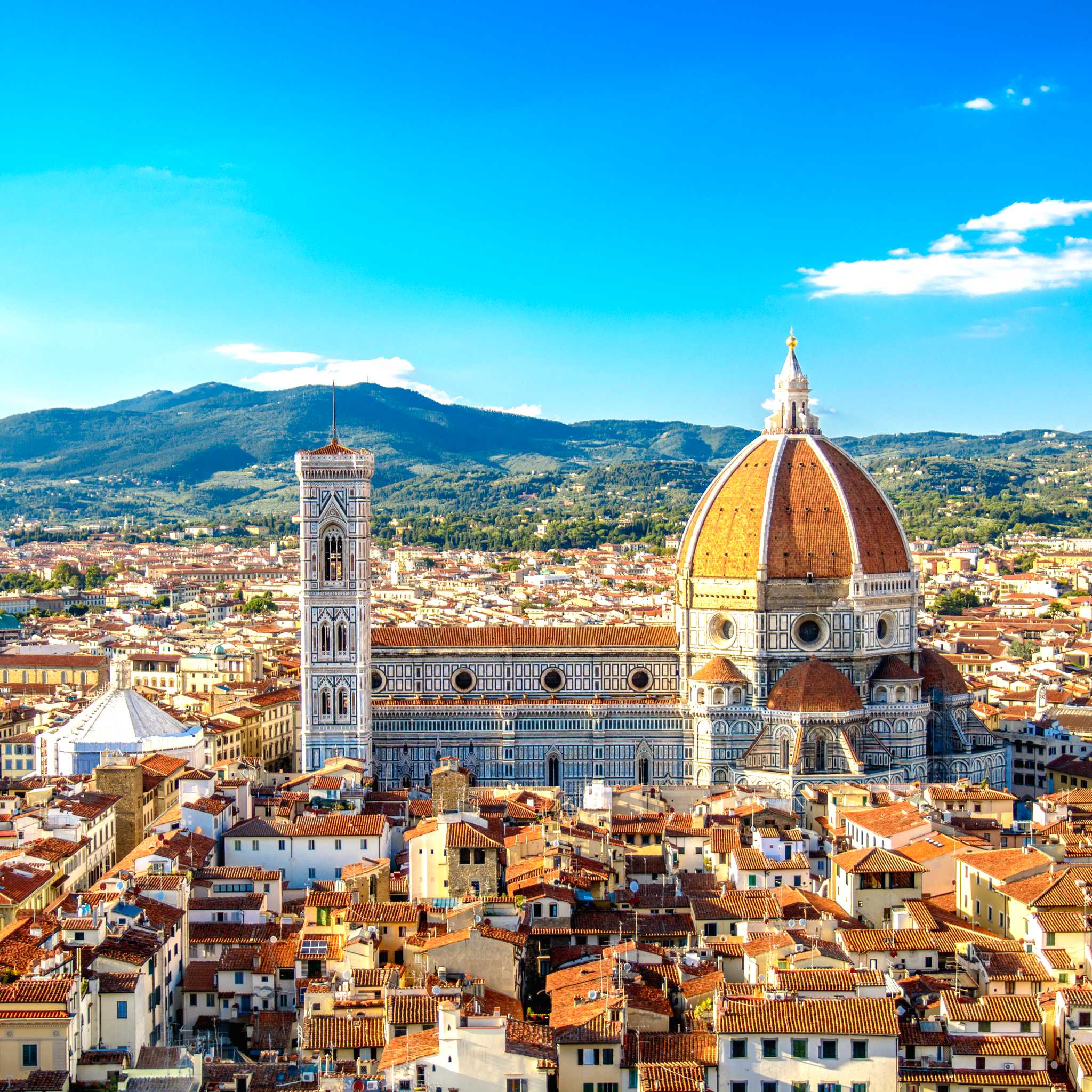
Ortisei is remarkably accessible without a car. Most overnight guests can received a free mobility card providing unlimited use of local buses that connect most towns with each other and then further on to towns like Ponte Gardena/Waidbruck and Bolzano/Bozen which connect to Italy's train network. The village center is compact and pedestrian-friendly. Cable cars and chair lifts transport visitors to trailheads and ski areas, eliminating the need for personal transportation.
Tipping in Italy is less expected than in some countries. Many restaurants include a cover charge called "coperto" for bread and table service. Leaving a few euros or rounding up the bill for good service is appreciated but not obligatory. In mountain restaurants and hotels, small tips for exceptional service are welcomed.
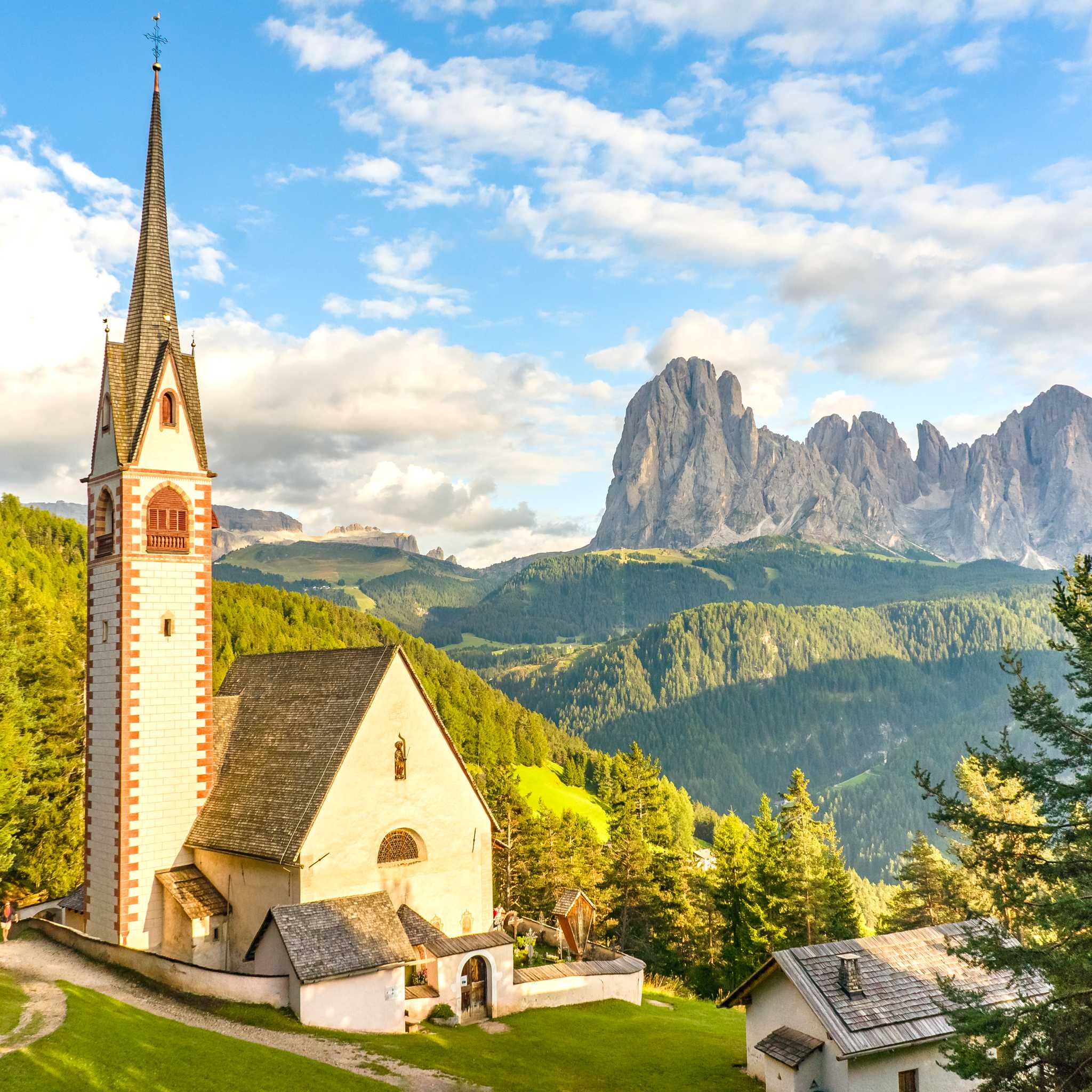
Ortisei offers plenty for non-skiers and summer visitors. Cable cars provide easy access to stunning mountain viewpoints like Seceda and Alpe di Siusi without strenuous hiking. The pedestrian village center is perfect for strolling and shopping for traditional woodcarvings. Winter activities include sledding, winter hiking, and simply enjoying the alpine atmosphere and mountain views.
Italy uses the euro as its official currency. Most hotels, restaurants, and shops in Ortisei accept credit and debit cards, though smaller establishments and mountain huts may prefer cash. ATMs are available in the village center, and it's wise to carry some euros for cable car rides and refreshments.
Ortisei is trilingual, with Italian, German, and Ladin (the local Romance language) all officially spoken. Most people working in tourism speak English as well. Signs and menus often appear in multiple languages. Don't be surprised to hear locals switching between languages, reflecting the area's unique cultural heritage.
Woodcarving has been Ortisei's primary craft since the 17th century. Local artisans create everything from elaborate nativity scenes to religious sculptures and decorative figurines. Many shops feature multi-generational family businesses. The tradition continues today with both classical religious art and contemporary pieces. Watching craftsmen work and visiting workshops offers unique cultural insights into this living heritage.
South Tyrolean cuisine blends Italian and Austrian influences. Try speck (smoked ham), canederli (bread dumplings), and apple strudel. Schlutzkrapfen are filled pasta similar to ravioli. The region produces excellent wines. Many restaurants serve both Italian pasta dishes and Germanic specialties, reflecting the area's cultural blend.
Summer from June to September offers ideal hiking weather with warm days and access to mountain trails and cable cars. Winter from December to March provides excellent skiing conditions with the village connected to the vast Dolomiti Superski area. Shoulder seasons can be quieter, though some facilities may be closed between seasons.