Olympos sits about 90 km (56 miles) from Antalya and around 40 km (25 miles) from Kemer, reached via a winding coastal road that isn't always well served by public transport. A private transfer means door-to-door pickup and a direct route, so you skip transfers between buses or minibuses and arrive ready to explore rather than tired from the trip.
Olympos was once a leading city of the Lycian League, and its remains are scattered along a forested river valley rather than gathered in one open site. Walking the shaded path, you'll pass a Roman theatre, rock-cut tombs, city walls, and the remnants of Byzantine churches, many half-reclaimed by trees and roots. A relaxed walk through the site to the beach takes roughly 45 minutes to an hour.
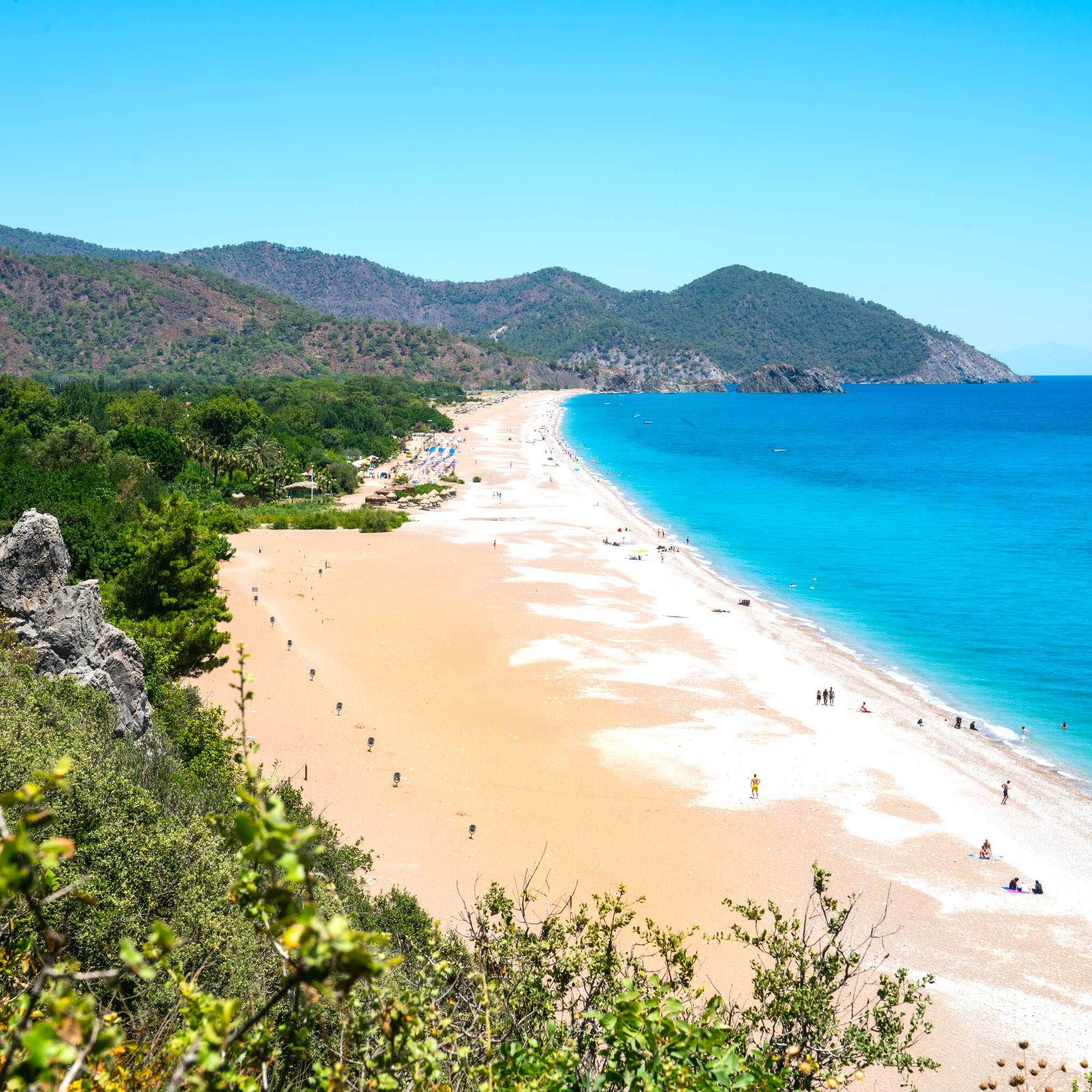
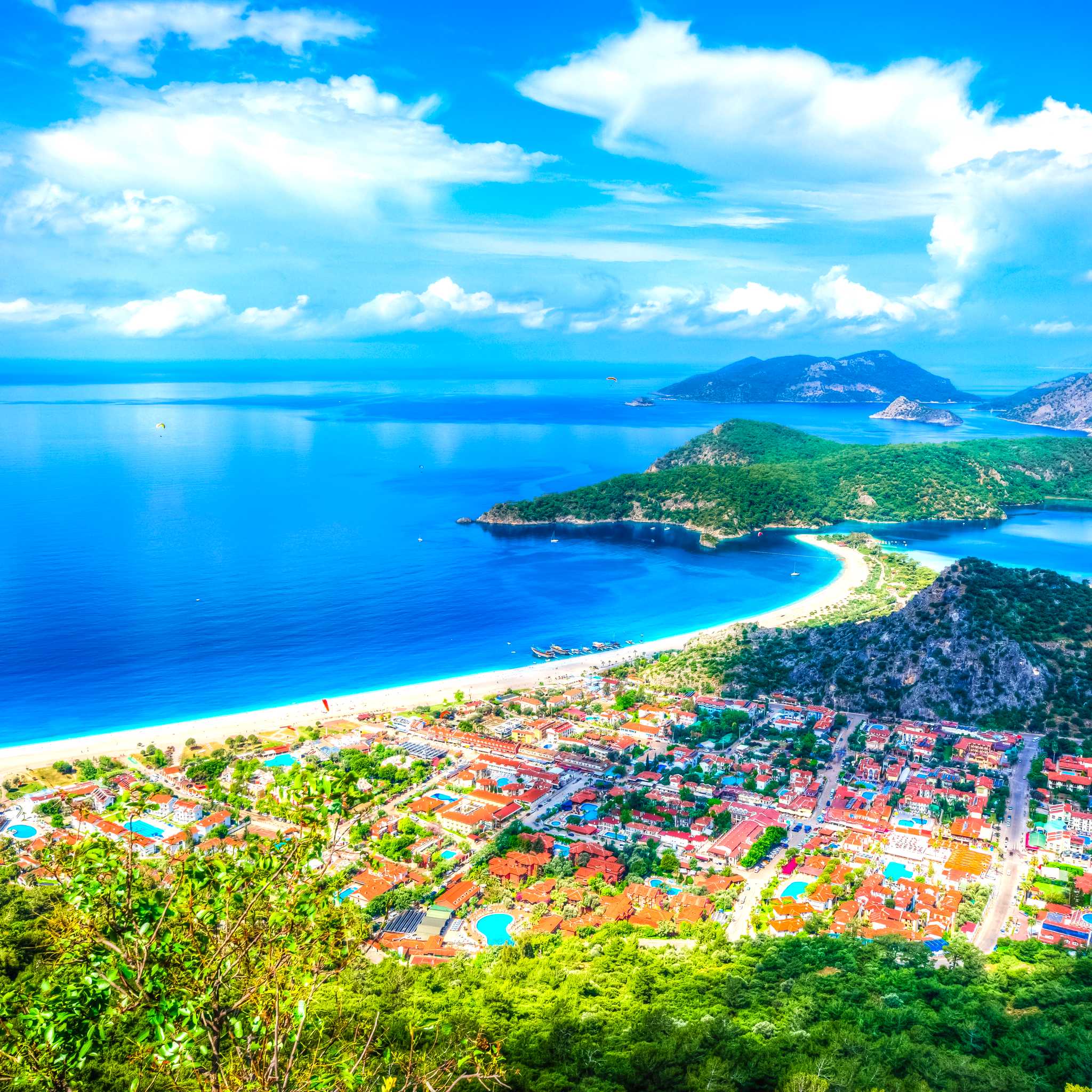
Olympos packs three distinct experiences into one stop: a long pebble beach backed by pine-covered mountains, the sprawling ruins of an ancient Lycian city hidden in the forest, and the Chimaera's natural flames on the slopes above. Most visitors spend an hour or two wandering the ruins and riverside path, then relax on the beach before heading back. It's a rare combination of history, nature, and coastline in one place.
The Chimaera is a cluster of natural gas flames that burn continuously from cracks in the rock on the mountainside near Olympos, a phenomenon linked in Greek mythology to the fire-breathing Chimera. Reaching the flames involves a short uphill walk, generally 20 to 30 minutes, and they're most striking after dark when the fire glows against the night sky. Since it's set apart from the main ruins and beach, it's worth confirming with your driver whether it fits into your day's plan.
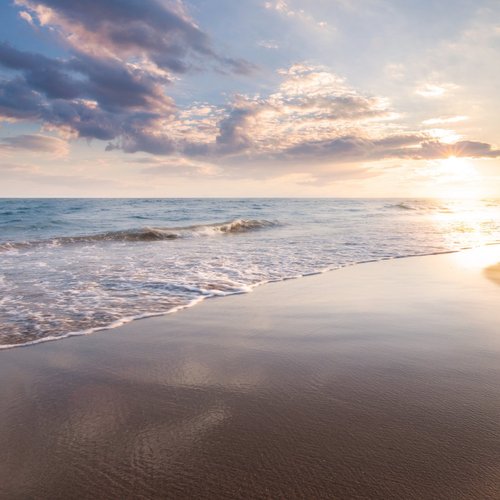
Olympos beach stretches along a river mouth where forest meets shoreline, giving it a wilder, less developed feel than many resort beaches nearby. Its mix of pebbles and sand and its backdrop of pine-clad cliffs make it a scenic spot to unwind after exploring the ruins. The beach also sits within a protected coastal stretch known as nesting ground for loggerhead sea turtles.
Olympos and its beach lie inside a protected national park along the Beydaglari coast, which is also part of the Lycian Way long-distance trekking route. That protected status is why the ruins remain wrapped in forest instead of surrounded by development, and why the coastline still feels remote. It's a big part of what makes the area worth the trip beyond the ruins and beach alone.