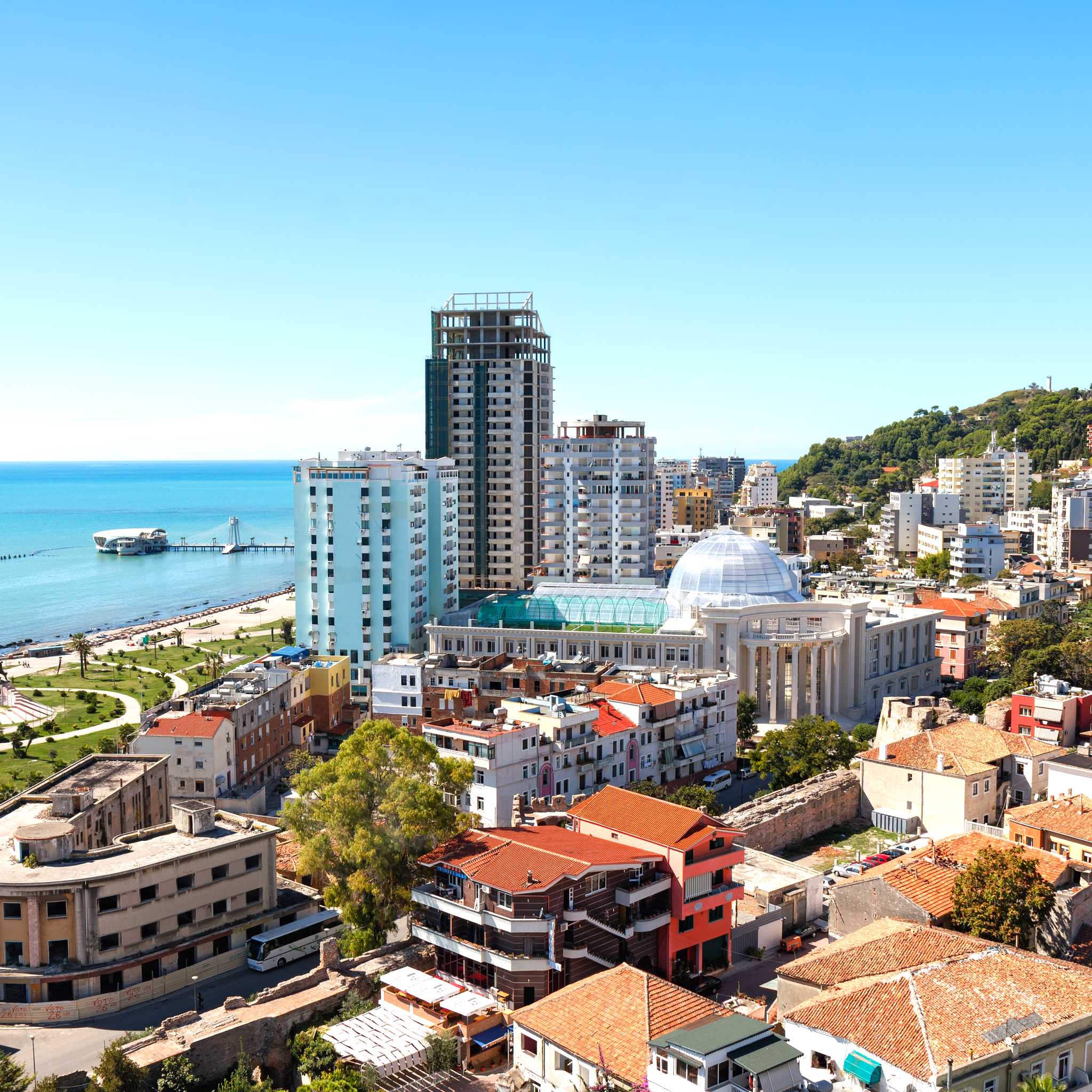
Ohrid's old town features cobblestone streets and steep pathways that may be challenging for those with mobility needs. The lakefront promenade is more accessible and flat. While the historic charm includes uneven surfaces and stairs, the main attractions can be reached with some effort, and local transport options are available.
Ohrid is generally very safe for travelers with low crime rates and a peaceful atmosphere. The city maintains a relaxed, welcoming environment for visitors. Standard travel precautions apply, and the local population is known for hospitality toward international guests exploring this historic destination.
Tipping in North Macedonia is customary but not obligatory. In restaurants, 10% is standard for good service. Round up taxi fares to the nearest convenient amount. For hotel staff and guides, small tips are appreciated. Service charges are rarely included, so tipping is the primary way to show appreciation.
North Macedonia uses the Macedonian denar (MKD) as its official currency. ATMs are available in Ohrid, and euro (EUR)s are sometimes accepted at hotels and restaurants catering to international visitors. Credit cards are accepted at larger establishments, but cash is preferred for smaller businesses and local markets.
The best time to visit Ohrid is late spring through early fall (May to September) for warm weather and swimming. July and August are peak season with warmest temperatures but larger crowds. Spring and fall offer pleasant weather, fewer visitors, and comfortable conditions for exploring historical sites.
Macedonian is the official language in North Macedonia. Albanian is also widely spoken, particularly in areas with Albanian populations. English is increasingly common in tourism areas, hotels, and restaurants in Ohrid, though learning basic Macedonian phrases is appreciated by locals.
Ohrid specializes in freshwater fish from the lake, particularly Ohrid trout (pastrmka). Try traditional dishes like tavche gravche (baked beans), ajvar (pepper spread), and local cheeses. The region produces excellent wines, and Turkish-influenced sweets like baklava reflect the area's diverse cultural heritage.
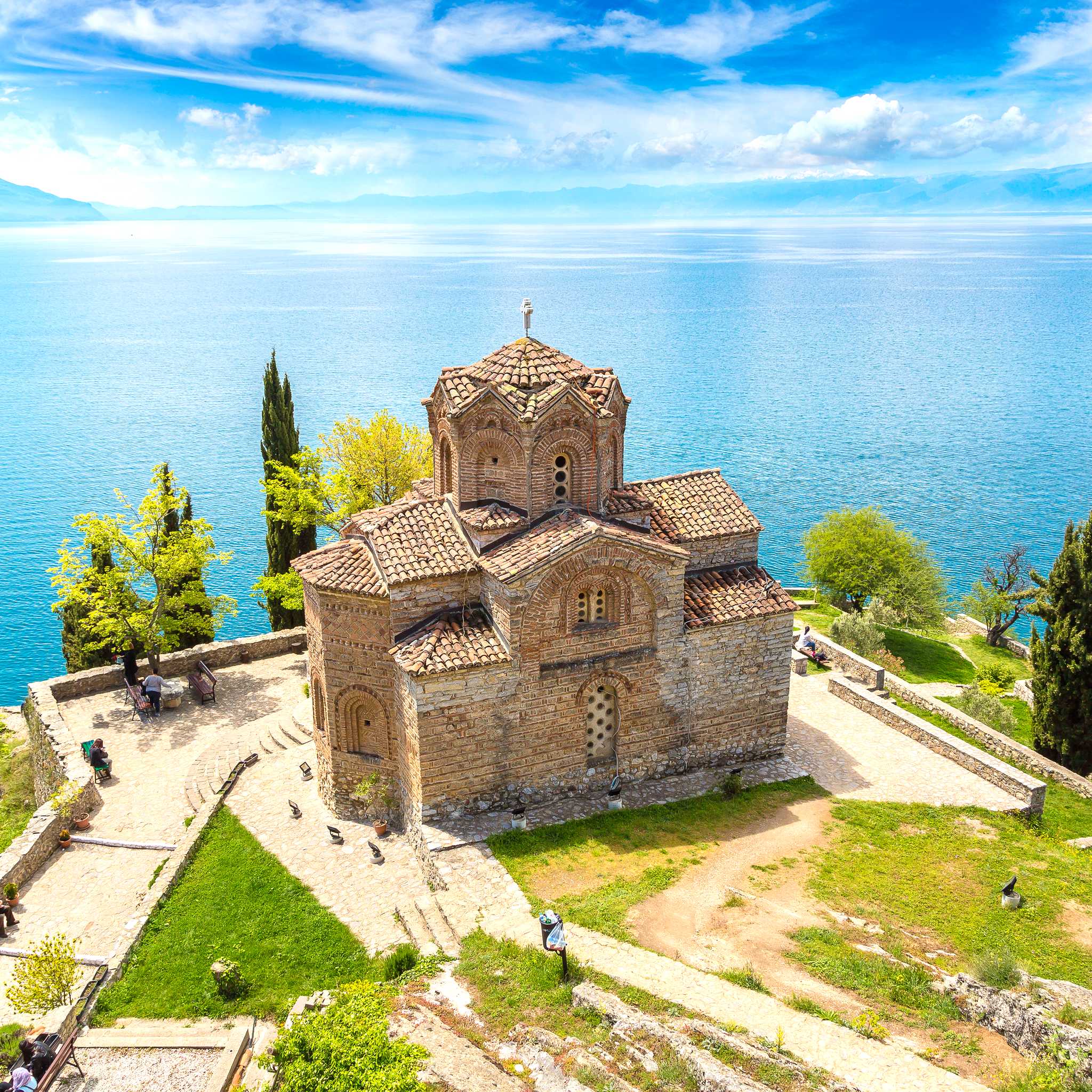
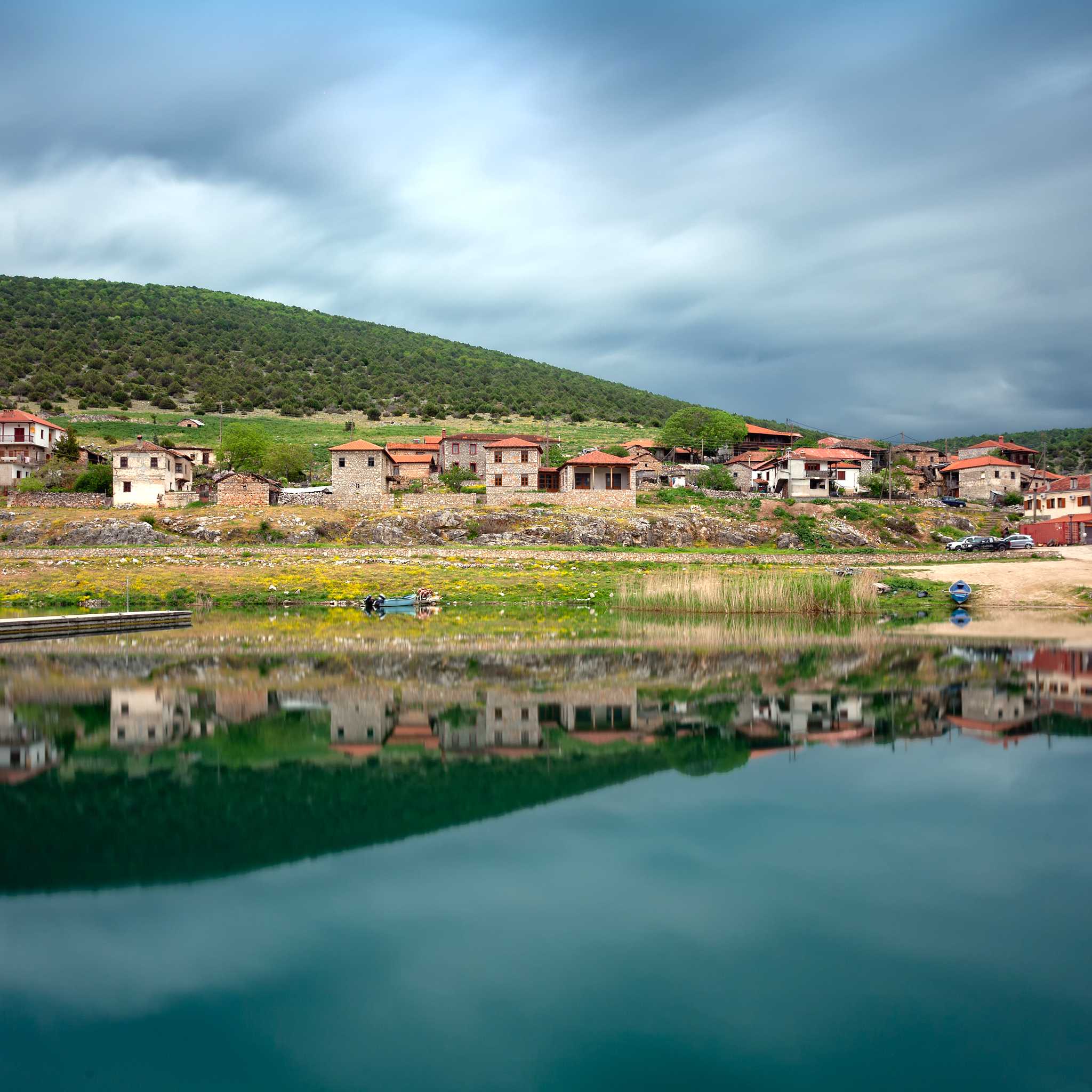
Lake Ohrid is one of Europe's oldest and deepest lakes, estimated to be 1-4 million years old. It's home to unique endemic species and incredibly clear waters reaching depths of 288 meters. The lake's pristine condition and surrounding UNESCO World Heritage old town create an exceptional combination of natural and cultural significance.