Warsaw has made significant efforts to improve accessibility in recent years. Many central attractions, museums, and public transport options are wheelchair accessible. Mokotow's parks and wider streets are generally manageable. Older cobblestoned streets in areas like the Old Town can be more challenging for strollers and wheelchairs, so planning routes in advance is helpful.
Warsaw is generally considered a safe city for visitors. Like any major European capital, it is wise to keep an eye on belongings in busy public areas and at night. Mokotow is one of the more residential and peaceful districts of the city, and it has a welcoming, community feel that many visitors find refreshing compared to the busier city center.
Tipping is not mandatory in Poland but is increasingly common and appreciated. In restaurants, leaving around 10 percent for good service is the general norm. It is polite to tell the server the total you wish to pay rather than waiting for change. Tipping taxi drivers and hotel staff is discretionary but always welcome.
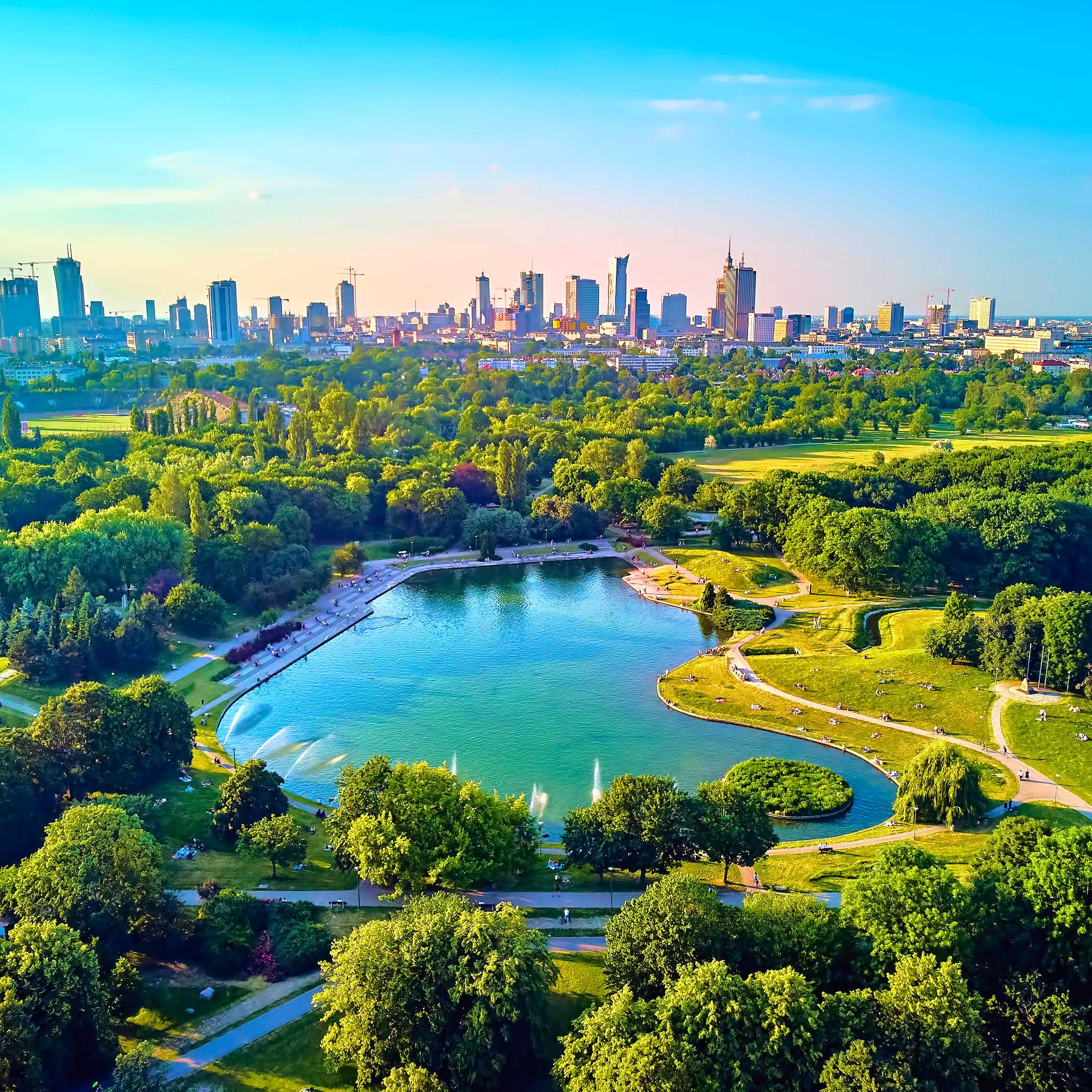
Within Mokotow, highlights include the Krolikikarnia , Dreszera Park, and the atmospheric pre-war villa streets of Old Mokotow. From there, Warsaw's must-sees are within easy reach by public transport: the UNESCO-listed Old Town, the Warsaw Rising Museum, the POLIN Museum of the History of Polish Jews, and the Lazienki Krolewskie park with its open-air Chopin concerts in summer.
Poland uses the Polish zloty (PLN). Cash is still widely used in Warsaw, especially in local markets, smaller cafes, and neighborhood shops. Credit cards are accepted at most hotels, restaurants, and larger stores. ATMs are easy to find throughout Mokotow and the wider city. Note that Poland is not part of the eurozone, so euros are not generally accepted.
Late spring (May to June) and early autumn (September to October) offer the most comfortable weather for sightseeing, with warm days and a lively outdoor atmosphere. Summer can be warm and busy. Winter in Warsaw is cold, often snowy, and quiet, but Christmas markets add a festive charm. The city is welcoming year-round.
The official language is Polish. In Warsaw, English is widely spoken in hotels, restaurants, and popular attractions, particularly among younger residents. In Mokotow's neighborhood cafes and local shops, some Polish phrases go a long way and are appreciated. Translation apps can be helpful for navigating menus and signage outside the main tourist areas.
Polish cuisine is hearty and full of character. Must-try dishes include pierogi (dumplings made with various fillings such as potato and cheese, meat, or sauerkraut), bigos (a rich hunter's stew), zurek (sour rye soup), and golabki (stuffed cabbage rolls). Mokotow has a great mix of traditional milk bars serving affordable homemade Polish food and contemporary restaurants with creative takes on classic dishes.