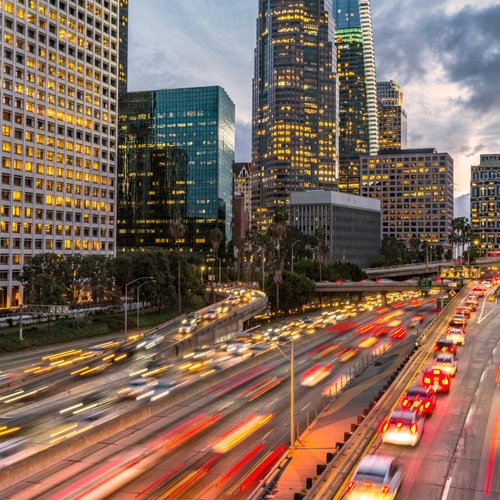
Traffic congestion is significant, so allow extra travel time. The MRT and LRT train systems connect major areas efficiently. Grab ride-sharing is popular and affordable. Jeepneys offer authentic local transport. Walking within districts like Makati or BGC is manageable.
Manila requires standard urban precautions against pickpocketing and petty crime, especially in crowded areas. Stay in well-developed districts like Makati, BGC, or Malate. Avoid displaying valuables and use legitimate transportation. Tourist areas have good security presence.
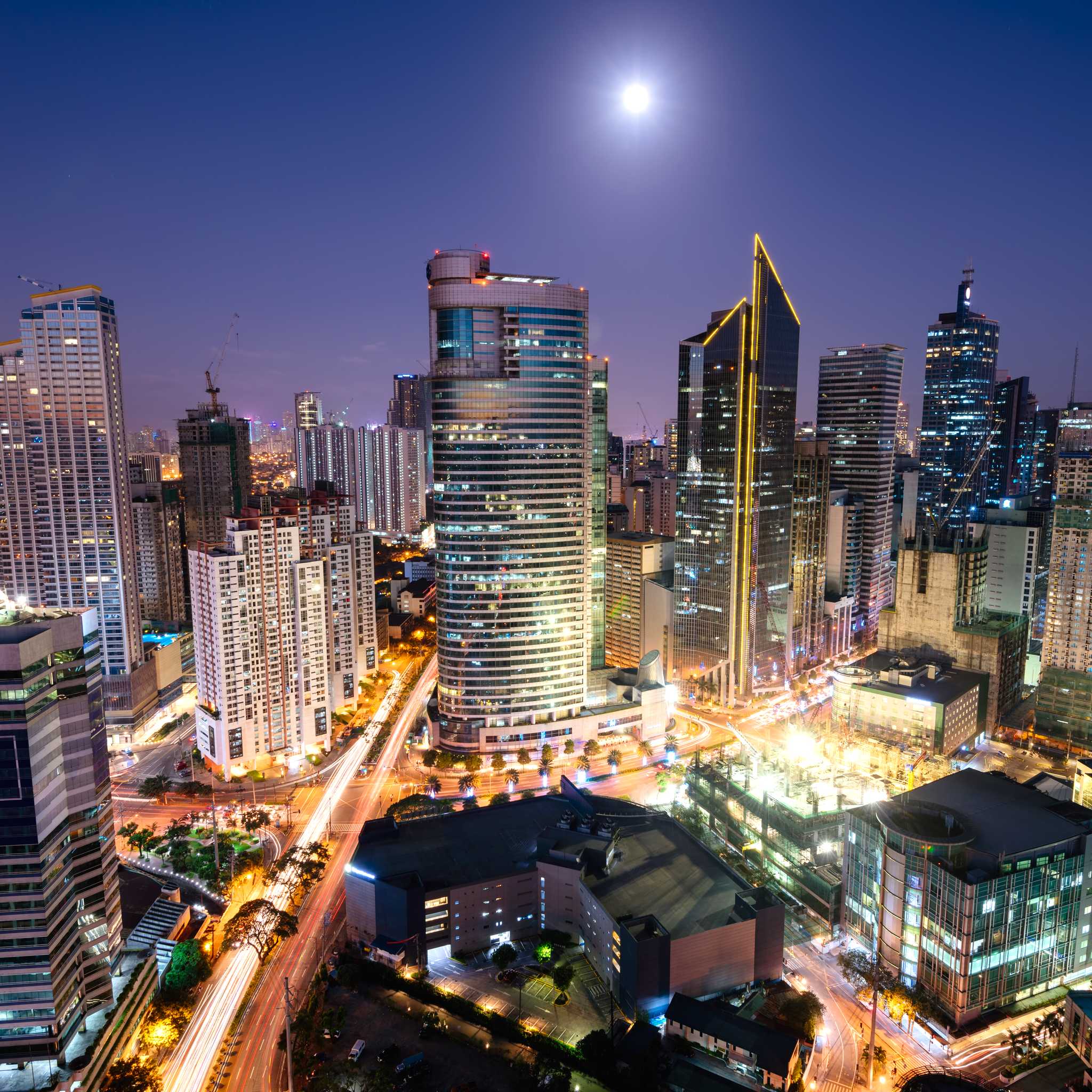
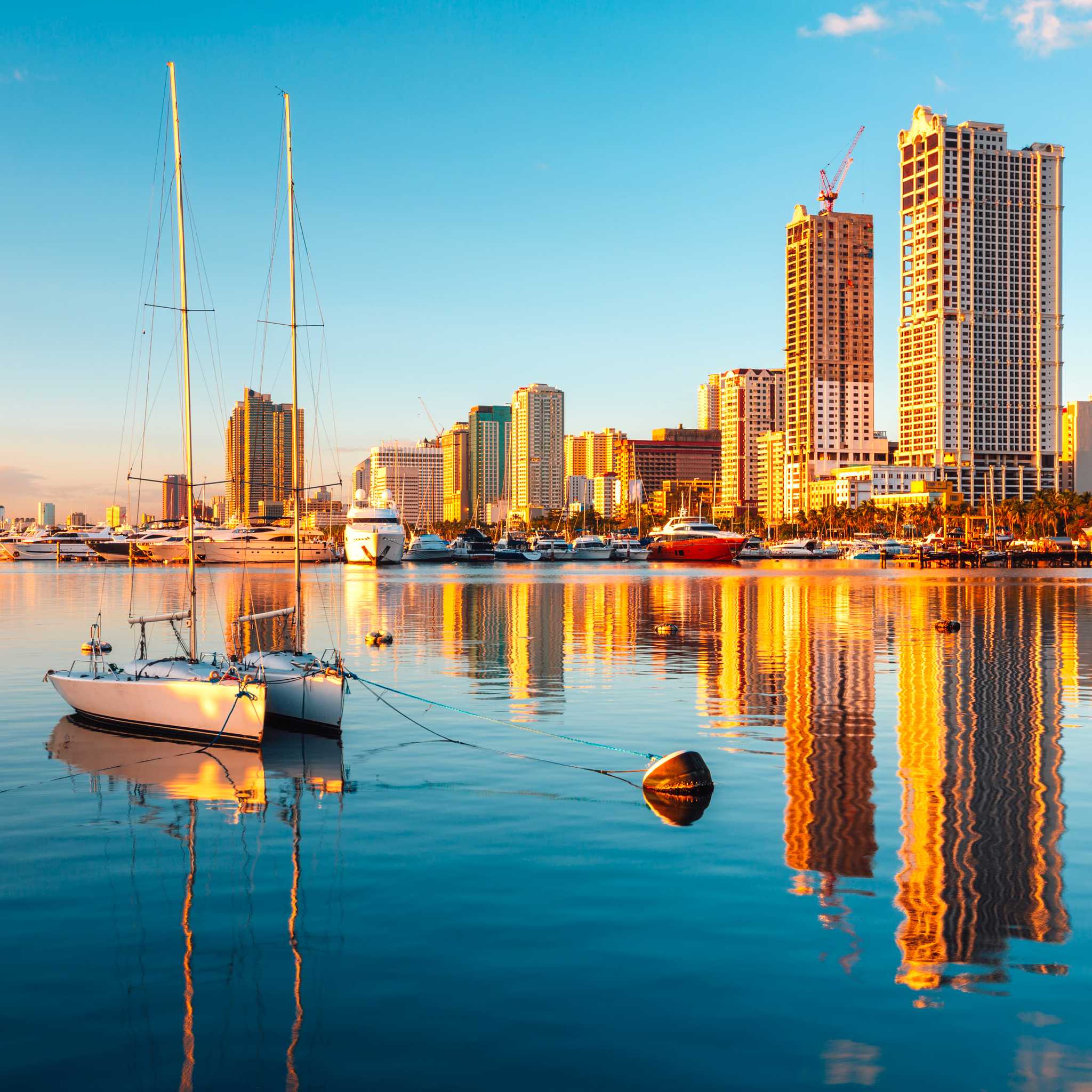
Explore historic Intramuros with Spanish colonial architecture and Fort Santiago. Visit Rizal Park, the National Museum, and San Agustin Church. Experience modern shopping and dining in Makati or Bonifacio Global City. Manila Bay sunset views are spectacular.
The Philippines uses the Philippine Peso (PHP) as its official currency. Credit cards are accepted in malls, hotels, and restaurants, but cash is preferred for street food, local transport, and markets. ATMs are widely available throughout Manila for convenient cash access.
Filipino cuisine offers unique flavors like adobo, lumpia, sisig, and halo-halo dessert. Street food culture is incredible but choose busy vendors for freshness. Try balut for an adventurous experience. Jollibee represents local fast food culture. Fresh tropical fruits are exceptional.
Filipino (based on Tagalog) and English are the official languages. English is widely spoken, especially in business districts, hotels, and tourist areas. Many signs are in English, making navigation easy. Local staff in hospitality typically have good English communication skills.
Filipinos are incredibly warm, hospitable, and family-oriented. Respect for elders is important. "Po" and "opo" show politeness. Tipping 10% is standard. Pointing with lips instead of fingers is common. Smiling and friendliness are central to Filipino culture and interaction.
December through February offers the coolest, driest weather with comfortable temperatures. March-May can be very hot and humid. June-November is rainy season with potential typhoons, but fewer crowds and lush green landscapes. Air conditioning is essential year-round.