Manama is considered one of the safer capitals in the Gulf region, with low crime rates and a welcoming attitude toward visitors. Standard travel precautions apply, especially with valuables in busy souqs. Traffic can be fast and chaotic, so use caution as a pedestrian. Dress modestly in religious sites and traditional neighborhoods, even though Bahrain is more relaxed than some neighboring countries.
Tipping is appreciated but not mandatory in Bahrain. Many restaurants add a service charge of 10 to 15 percent, but it does not always reach the server, so leaving a small additional tip is kind. For taxi drivers, rounding up the fare is common. Hotel porters and housekeeping staff typically receive one or two dinars for good service.
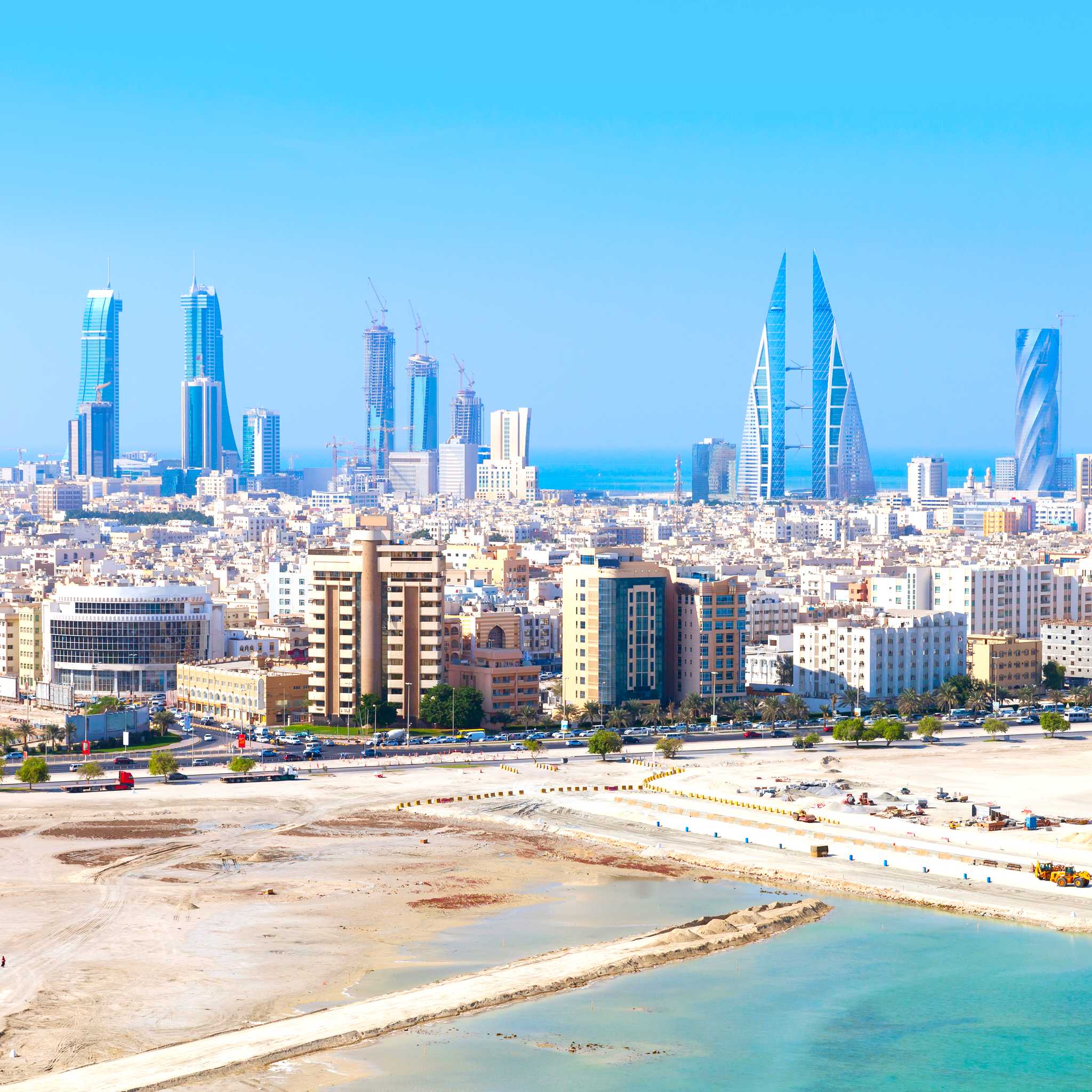
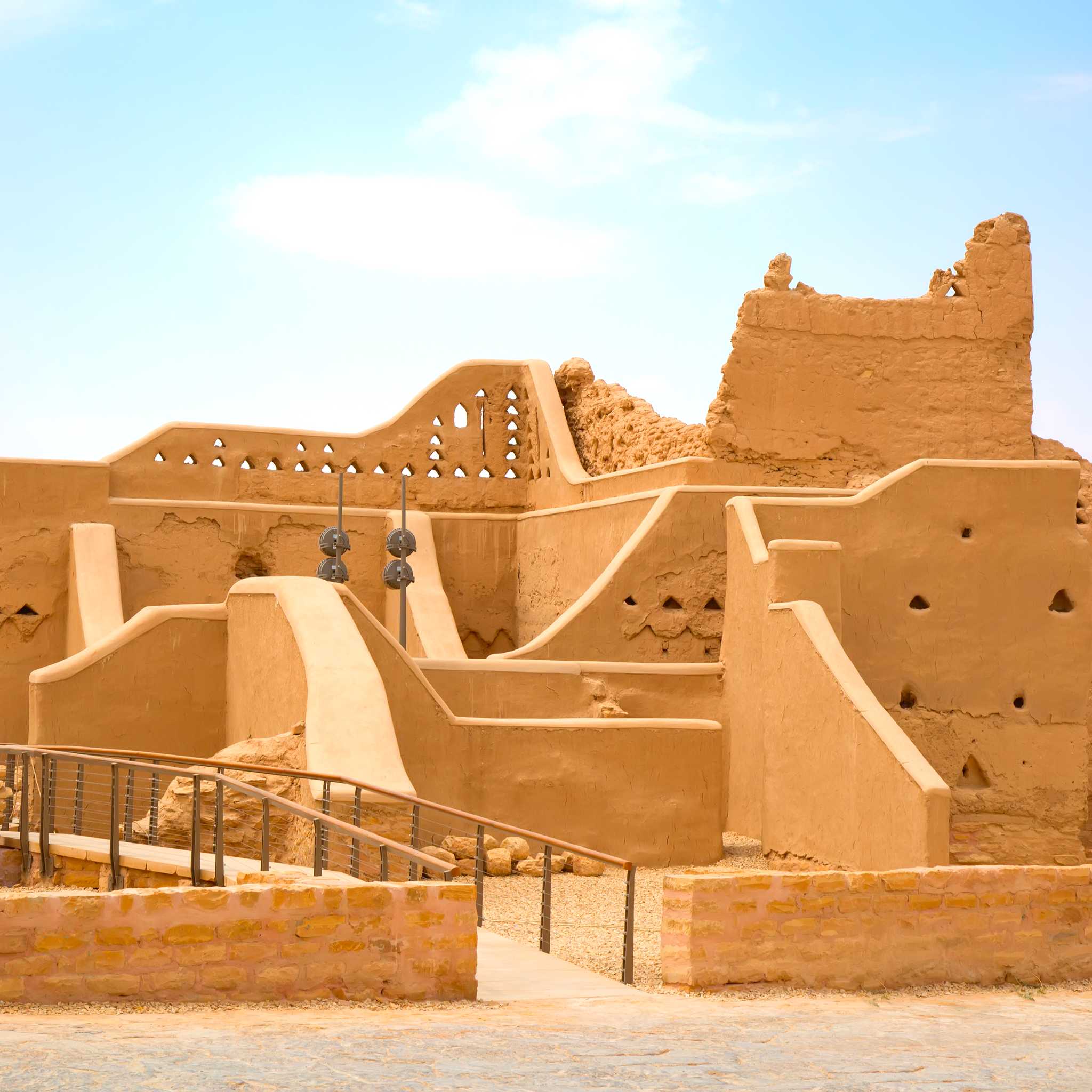
Highlights include the Bahrain National Museum, the lively Manama Souq with the iconic Bab al Bahrain gate, and the UNESCO-listed Qal'at al-Bahrain (Bahrain Fort). Visit the Al Fateh Grand Mosque, one of the largest in the world, and explore the Bahrain National Theatre. The traditional pearling trail in nearby Muharraq offers a window into the country's seafaring heritage.
Bahrain uses the Bahraini dinar (BHD), one of the highest-valued currencies in the world. Cards are widely accepted in Manama at hotels, restaurants, and malls, and ATMs are easy to find. US dollars are sometimes accepted at hotels and resorts, but you will get better value paying in dinars. Carry small denominations for taxis, souqs, and local cafes.
Arabic is the official language of Bahrain, but English is widely spoken throughout Manama, particularly in business, hospitality, and government settings. Most signs are bilingual in Arabic and English, and hotel staff, taxi drivers, and shopkeepers usually understand basic English. Learning a few Arabic greetings is appreciated by locals.
Bahrain National Day on December 16 fills Manama with fireworks, parades, and patriotic decorations. Eid al-Fitr and Eid al-Adha bring festive family gatherings, special foods, and shopping. The holy month of Ramadan changes the rhythm of daily life, with restaurants closed during daylight and lively iftar feasts after sunset. The Formula 1 Bahrain Grand Prix is a major spring event drawing global visitors.
Bahraini cuisine reflects its Gulf and Persian roots. Try machboos, a fragrant spiced rice dish with chicken, lamb, or fish, and muhammar, sweet rice often paired with seafood. Fresh hammour (grouper) and prawns are local favorites. For dessert, sample halwa Bahraini, a sticky, saffron-scented sweet, and cool down with karak chai, a strong spiced milk tea sold from countless street stands.
November through March offers pleasant temperatures ideal for sightseeing, with daytime highs in the comfortable 70s Fahrenheit. The summer months from June to September are extremely hot, with temperatures often exceeding 100 Fahrenheit and high humidity. Spring and late autumn are the sweet spots for combining outdoor exploration with cultural events. The Formula 1 Grand Prix in March or April draws huge international crowds.