Malaga's historic center has some narrow streets and uneven pavements that can be challenging for wheelchairs and strollers. However, the main shopping areas, beachfront promenade, and modern parts of the city are generally accessible. Many hotels and attractions offer accessibility features for visitors with mobility needs.
Malaga is generally safe for visitors. Like most tourist destinations, be cautious of pickpockets in crowded areas, beaches, and tourist attractions. The city center and beachfront areas are well-patrolled and safe to explore during the day and evening with basic precautions.
Tipping in Spain is appreciated but not mandatory. At restaurants, leaving 5-10% for good service is common, though rounding up the bill is also acceptable. For drinks at bars, leaving small change is typical.
Malaga offers exceptional Andalusian cuisine including pescaito frito (fried fish), gazpacho, and espetos (grilled sardines). Don't miss trying jamon iberico, tortilla espanola, and local specialties like plato de los montes. The city's tapas bars serve small plates perfect for sampling multiple dishes with local wine or beer.
Spain uses the euro (EUR) as its official currency. ATMs are widely available throughout Malaga, and credit cards are accepted at most hotels, restaurants, and shops. It's advisable to carry some cash for small purchases, local markets, and traditional tapas bars.
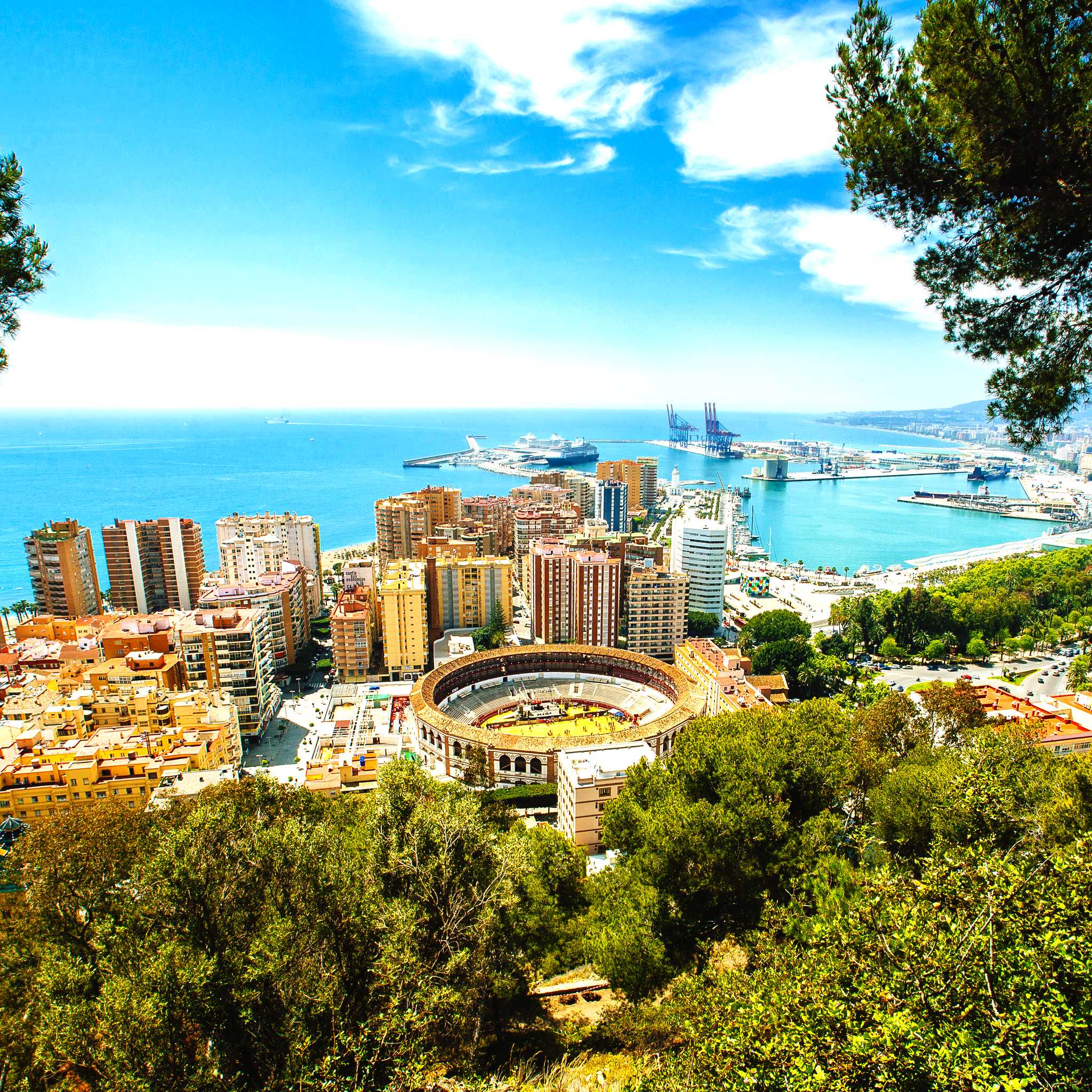
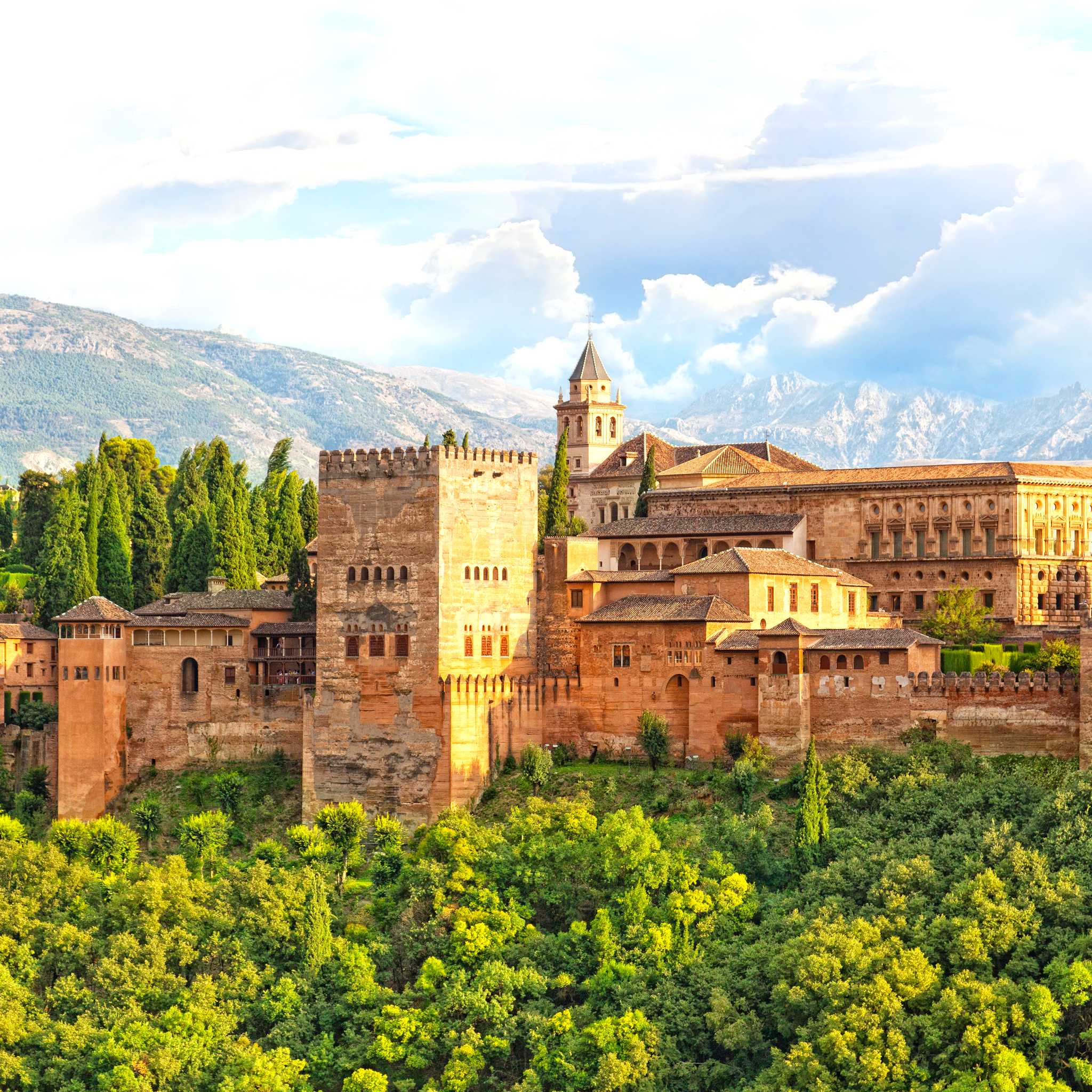
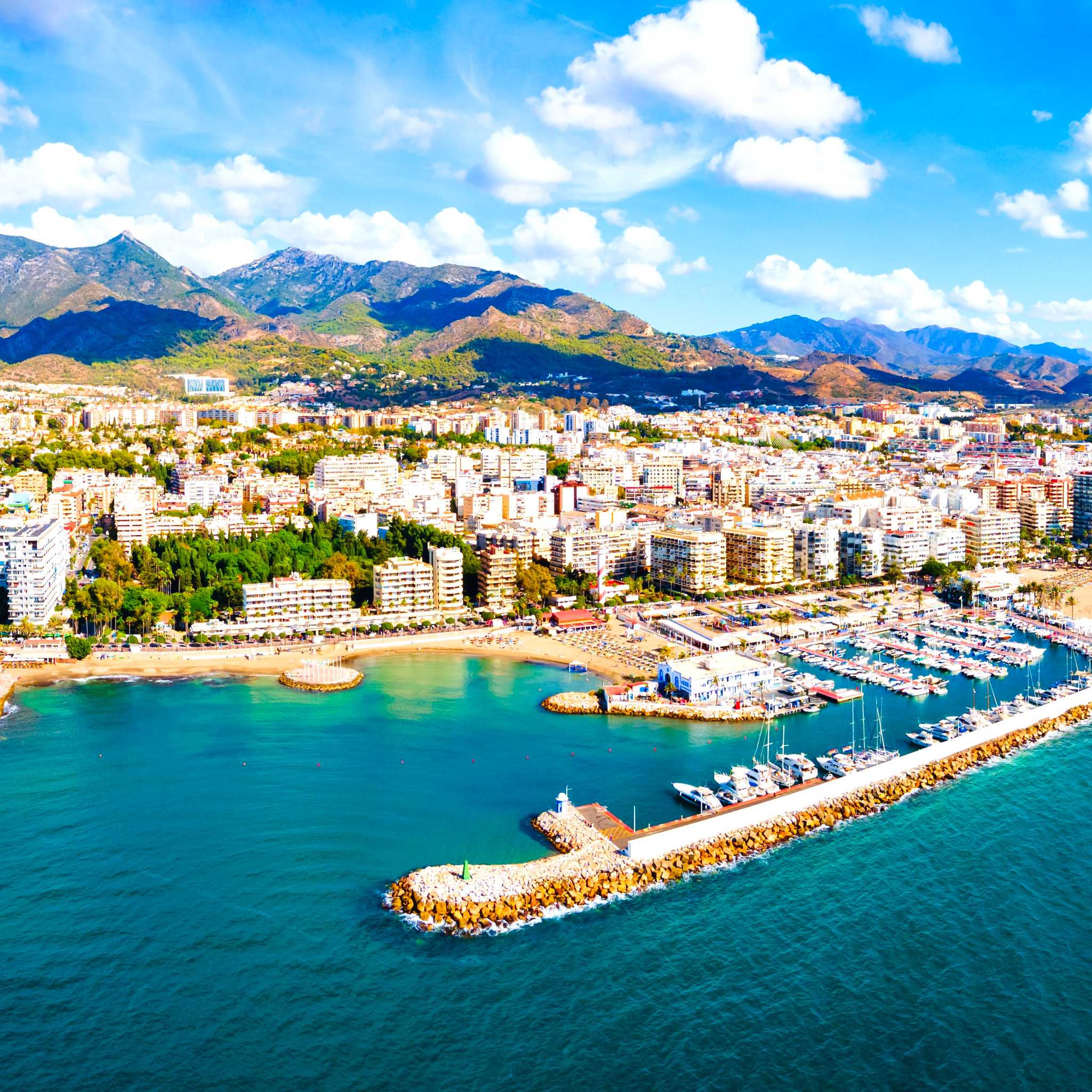
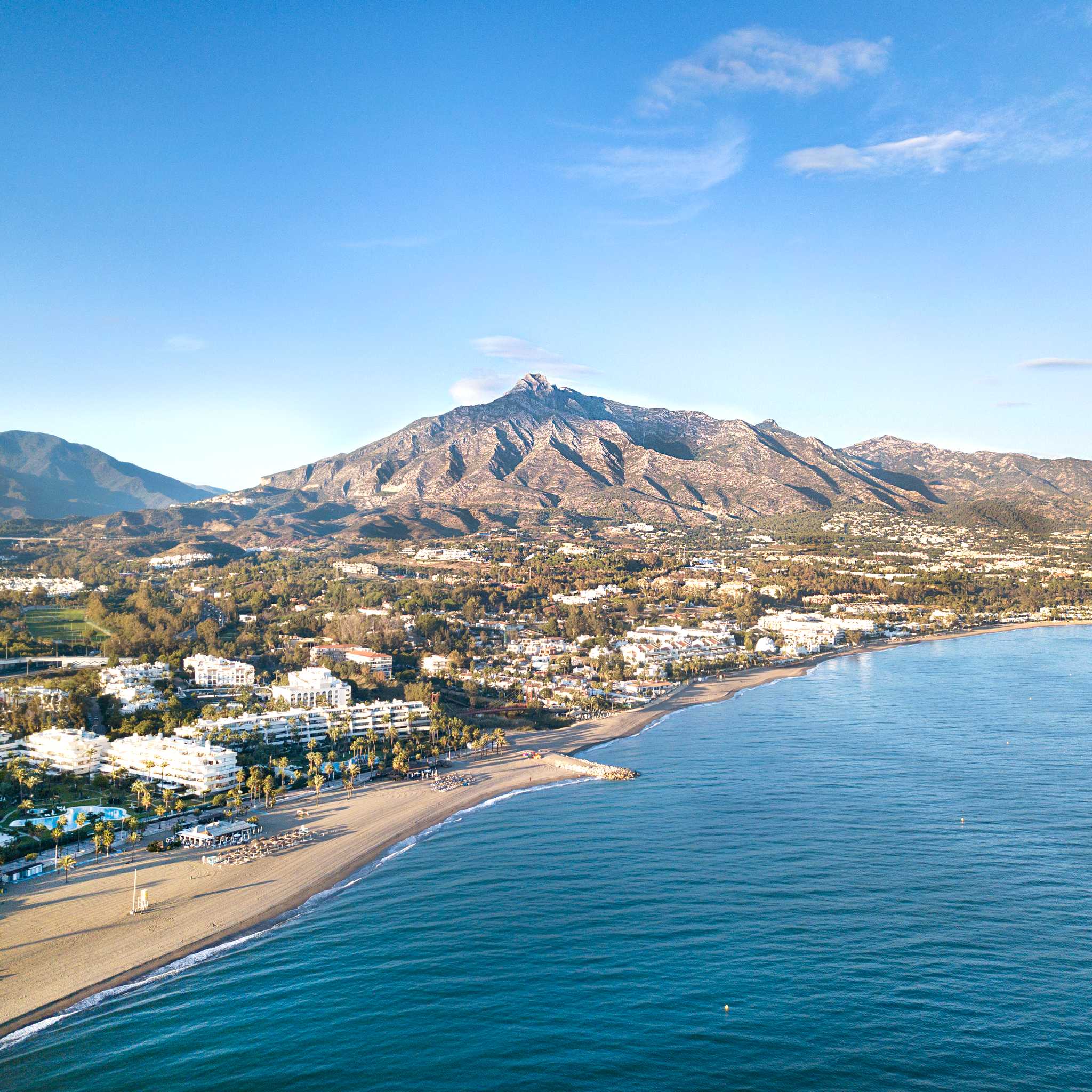
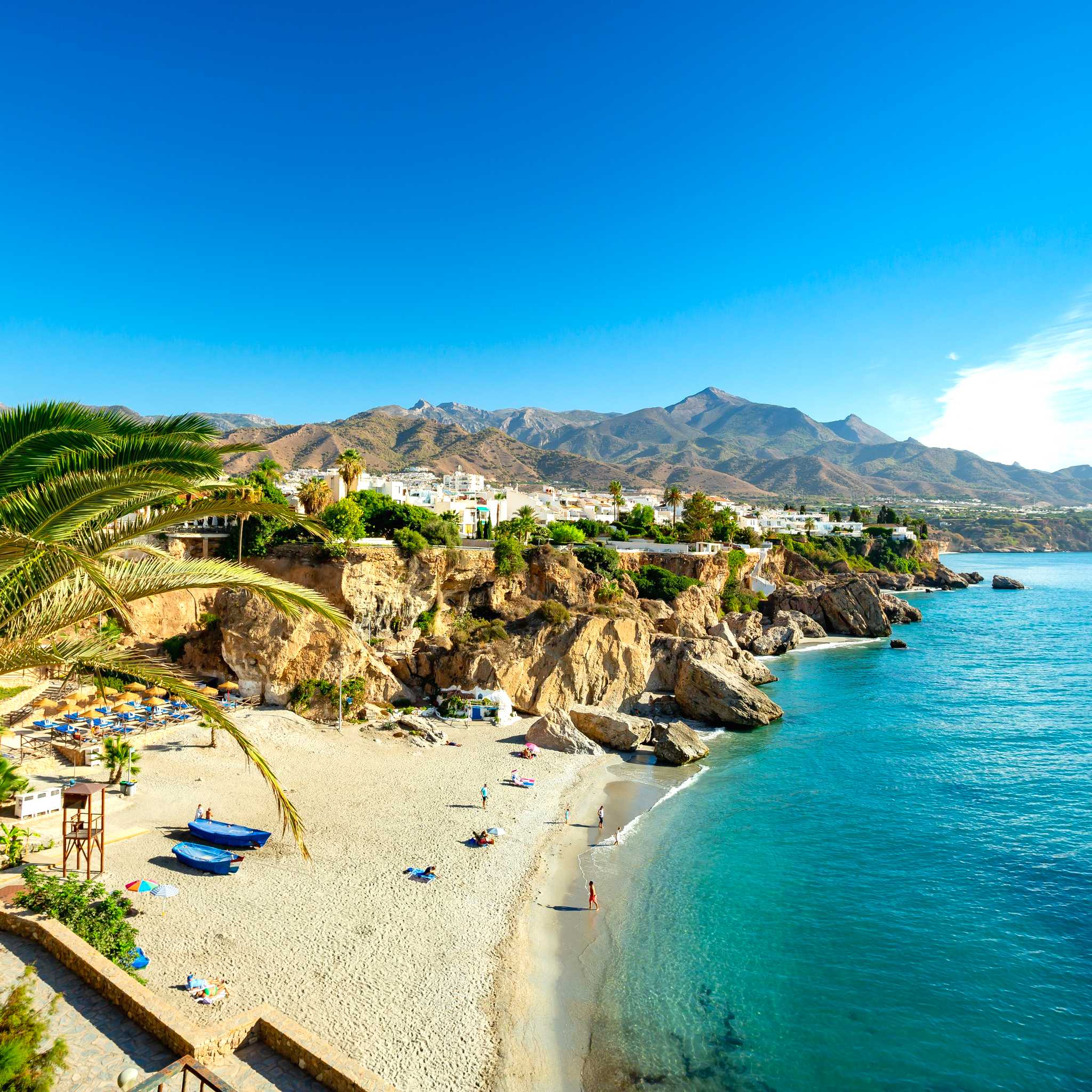
Malaga is famous for being Pablo Picasso's birthplace, its stunning beaches along Costa del Sol, and rich Moorish heritage including the Alcazaba fortress. The city is renowned for its vibrant tapas culture, sweet Malaga wine, and as a gateway to Andalusia's historic cities and white villages.
Spanish (Castilian) is the official language in Spain. In Malaga, English is commonly spoken in hotels, restaurants, and tourist areas due to the city's popularity with international visitors. Many younger people and tourism workers speak good English, facilitating easy communication.
The best time to visit Malaga is from April to June and September to October when temperatures are pleasant and crowds are smaller. Summer (July-August) can be very hot, while winter remains mild and sunny. Spring and fall offer ideal weather for sightseeing, beach activities, and exploring nearby attractions.