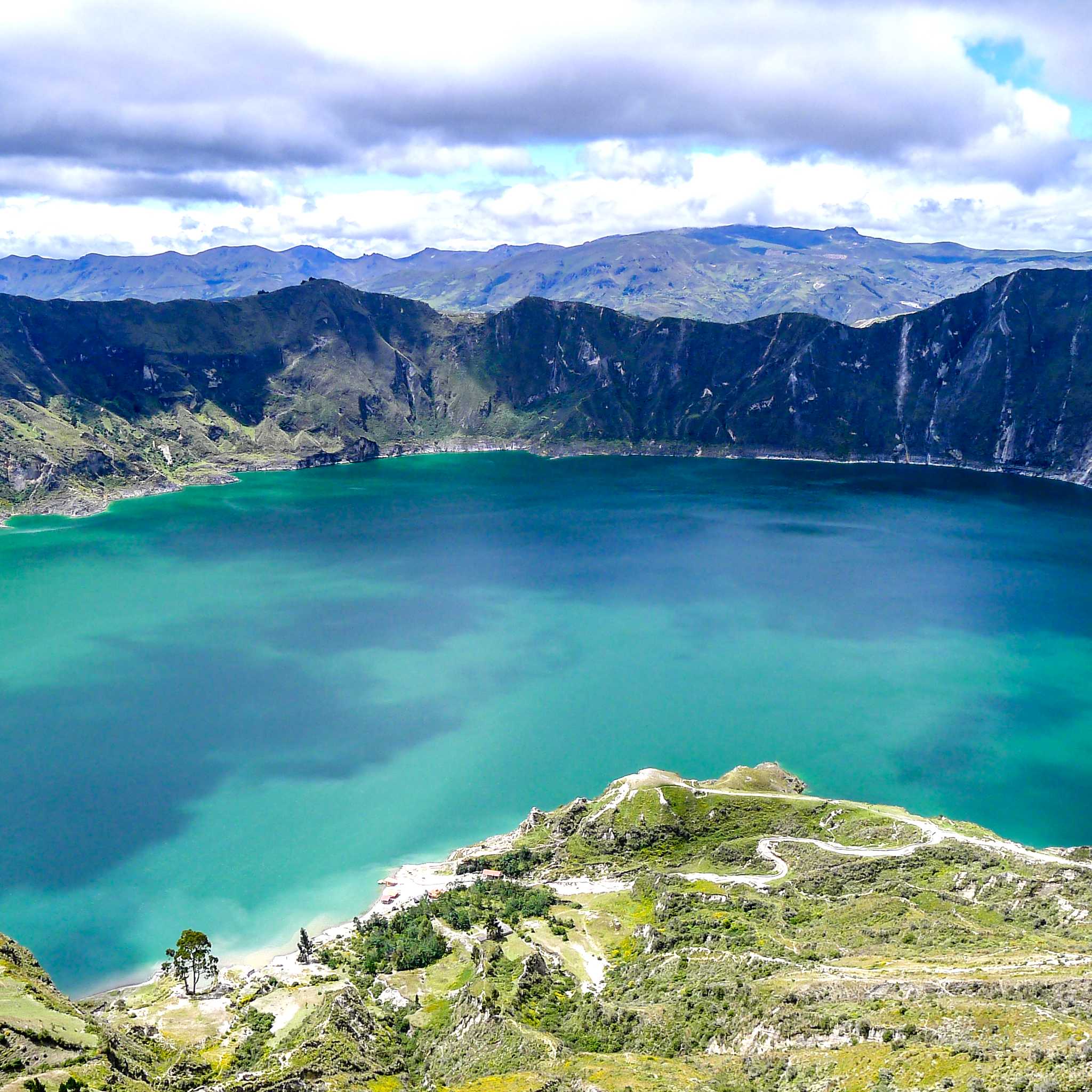
Yes. Quilotoa is roughly 65 km (40 miles) from Latacunga along a winding mountain road, with a private transfer generally taking about 1.5 to 2 hours each way depending on conditions. Many travelers combine a stop in Latacunga's historic center with the drive up to the crater lake for a full, scenic day out from Quito.
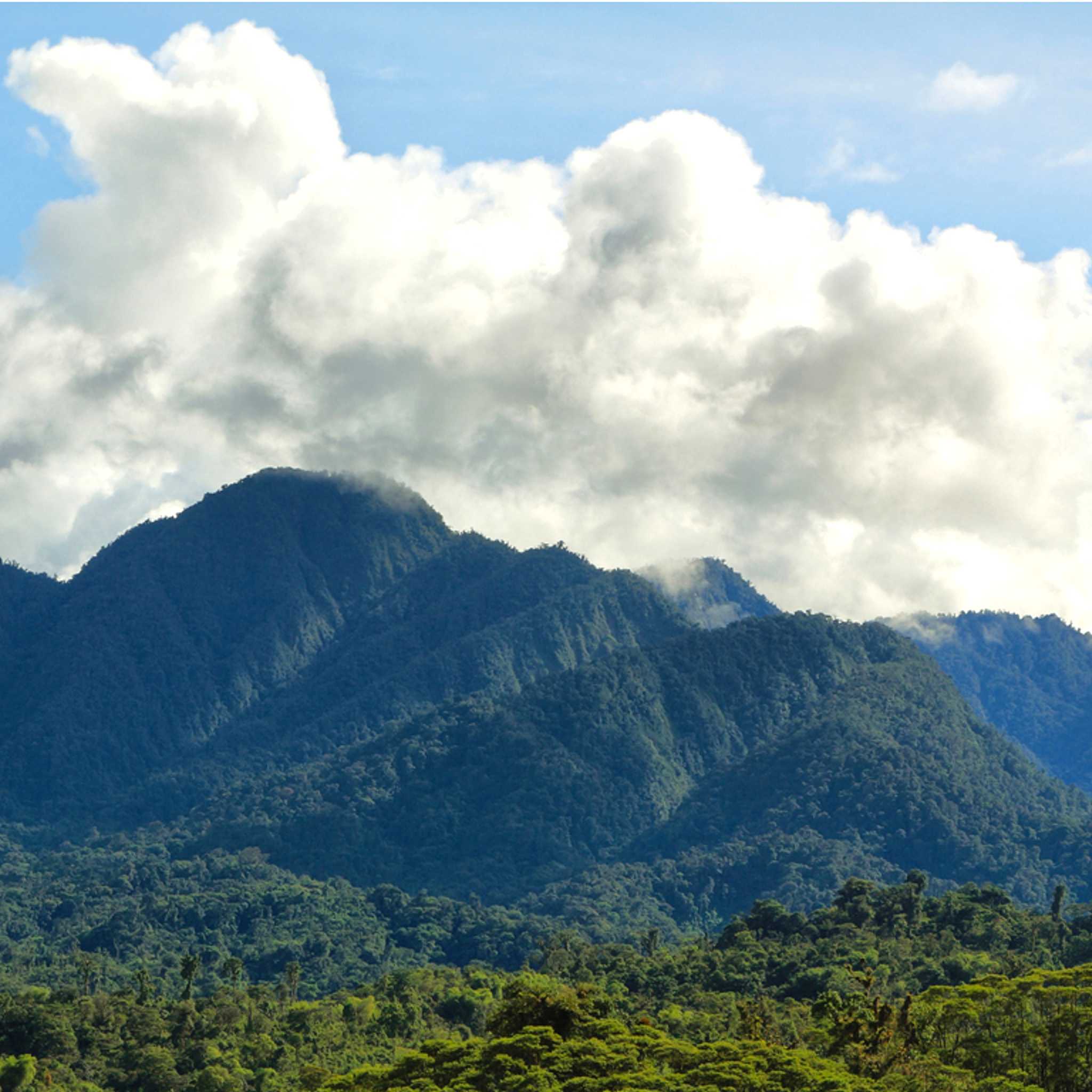
Cotopaxi National Park lies around 35 km (22 miles) from Latacunga, generally under an hour or so by road depending on conditions and the specific entrance used. As Cotopaxi is an active volcano, access and trail availability can change with little notice, so check the official park authority for current conditions before planning your visit.
Latacunga sits about 90 km (56 miles) south of Quito. A private transfer typically takes around 1.5 to 2 hours depending on traffic, with door-to-door pickup and no terminal transfers or fixed schedules to work around. Public bus options exist but generally run on set timetables with a stop at the terminal on each end.
A couple of hours covers the main historic center sights: the cathedral, municipal palace, and the Casa de los Marqueses museum. If you're pairing Latacunga with Quilotoa or Cotopaxi, plan a full day so you can enjoy both the town and the surrounding landscapes without rushing.
Mama Negra is Latacunga's signature celebration, blending indigenous, Spanish, and African traditions in a colorful parade through the city. It honors the Virgin of Mercy, credited with protecting the town during the devastating 18th century volcanic eruptions, tying the event directly to Latacunga's history of rebuilding after disaster. The city actually marks it twice: a religious version around late September, and a civic one in November tied to Latacunga's independence. Dates shift from year to year, so check locally if you want to time a visit around it.
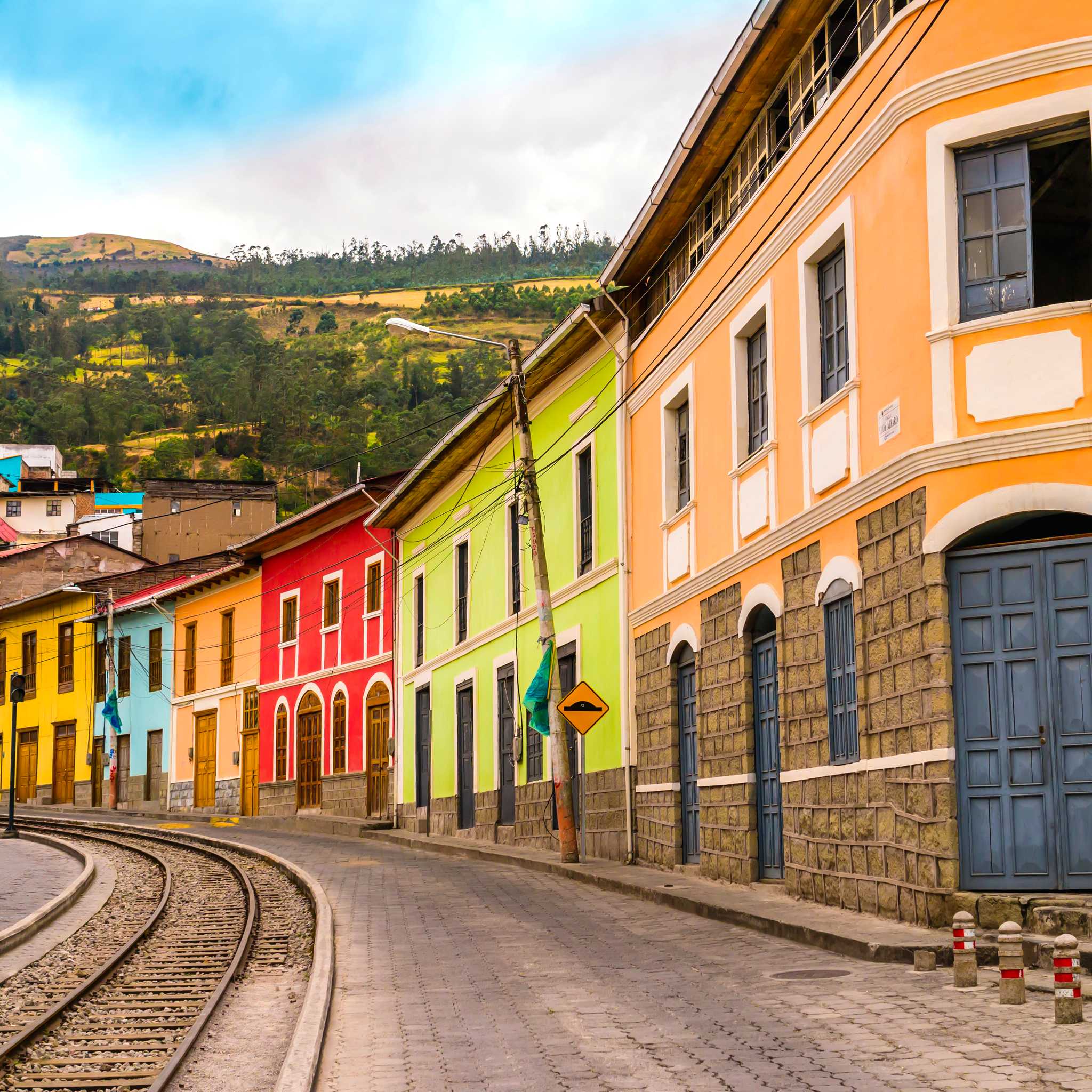
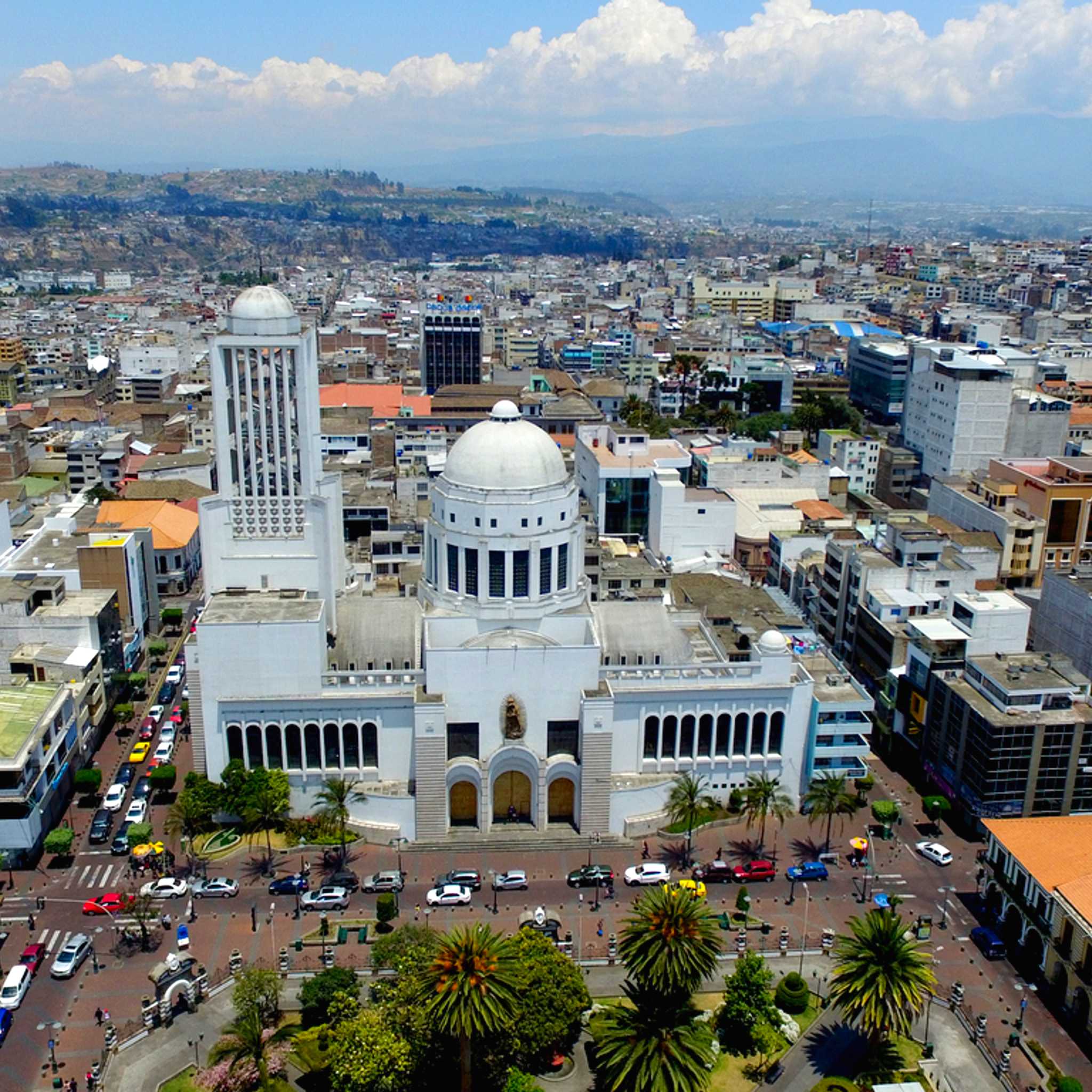
Most travelers only pass through Latacunga on the way to Quilotoa or Cotopaxi, but the historic center rewards a stop. At Parque Vicente Leon you'll find a 17th-century cathedral with an altar made from pumice, plus a municipal palace built entirely from volcanic stone. The Casa de los Marqueses de Miraflores, once a colonial mansion, is now a museum displaying artwork and archaeological pieces recovered from the region.