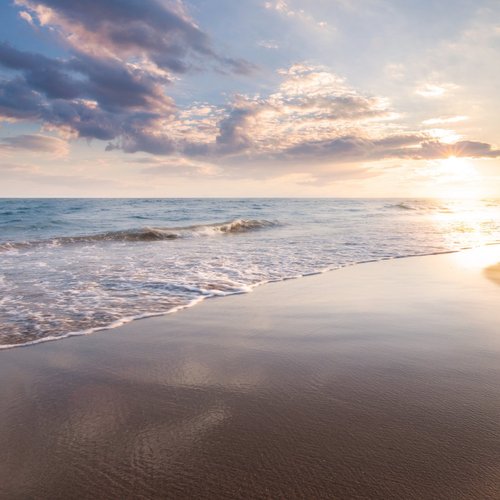
Yes. Playa El Uverito is just a short drive from downtown Las Tablas, with 3.2 km (2 miles) of quiet Pacific coastline that feels worlds away from the town's busy plazas. Pairing a morning exploring Las Tablas' cultural sites with an afternoon at the beach makes for a well-rounded day trip that shows off both sides of the Azuero Peninsula.
Definitely. Since your transfer is private and built around your itinerary, you can ask your driver to add a stop in Chitre, about 32 km (20 miles) away, or another Azuero town to round out the day. This flexibility lets you shape the trip around what interests you most, rather than sticking to a fixed tour route.
Las Tablas sits about 280 km (174 miles) from Panama City. A private transfer takes roughly 3.5 to 4 hours depending on traffic, far more relaxing than a multi-stop bus route with transfers in Chitre or Santiago. With a driver waiting for you, you can settle in, nap, or enjoy the changing scenery from the capital to the Azuero countryside without the hassle of navigating unfamiliar roads yourself.
Not at all. While the pre-Lenten Carnival and the mid-year Festival of Santa Librada draw the biggest crowds and the most spectacle, Las Tablas is a rewarding stop year-round. Outside festival dates, you can explore the church, browse pollera workshops, and experience the town at a slower pace, without needing to plan around a specific event on the calendar.
Las Tablas is widely regarded as one of Panama's leading centers of folk culture. This small Azuero Peninsula town is closely associated with the country's most celebrated Carnival, the elaborately embroidered pollera dress, and a rivalry between two neighborhoods, Calle Arriba and Calle Abajo, that has shaped local tradition for generations. Few other towns in Panama pack this much living heritage into one walkable town center.
Start at the town square and Iglesia Santa Librada, a historic church at the heart of local religious and cultural life. From there, wander the surrounding streets to see colorful colonial-era houses, artisan workshops where the pollera is still hand-stitched, and small museums dedicated to Carnival history. A few hours is enough to take in the highlights before continuing on to the coast or back to Panama City.