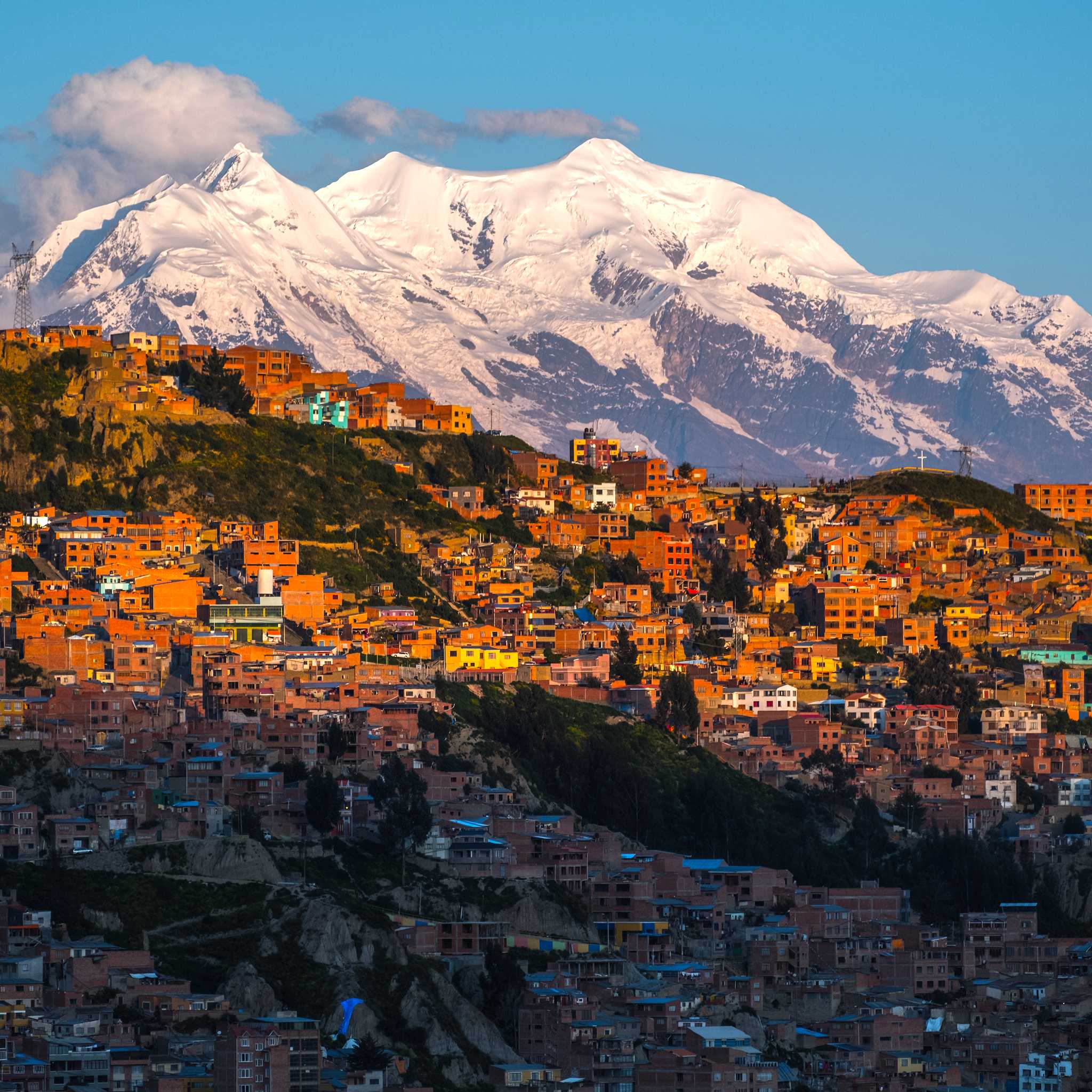
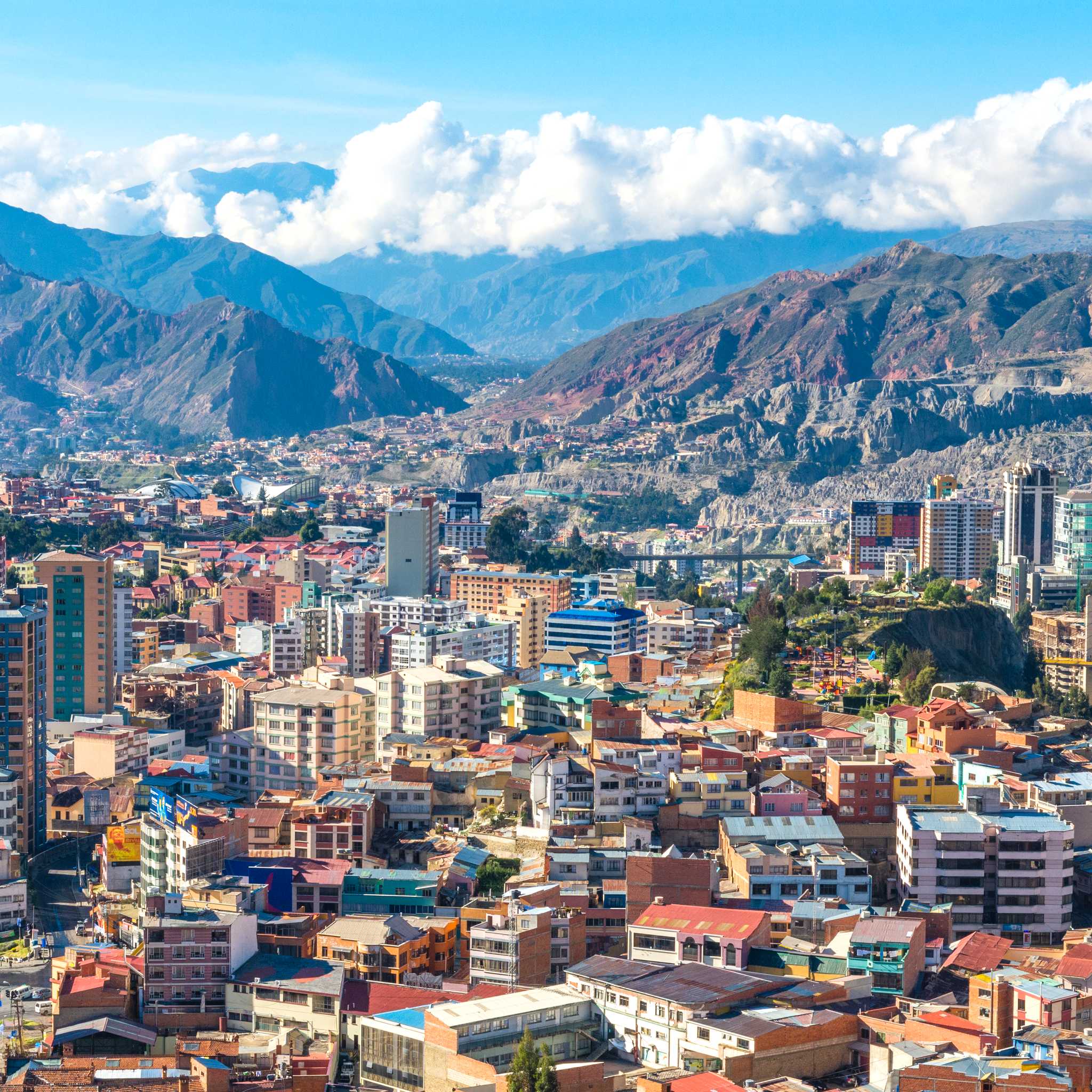
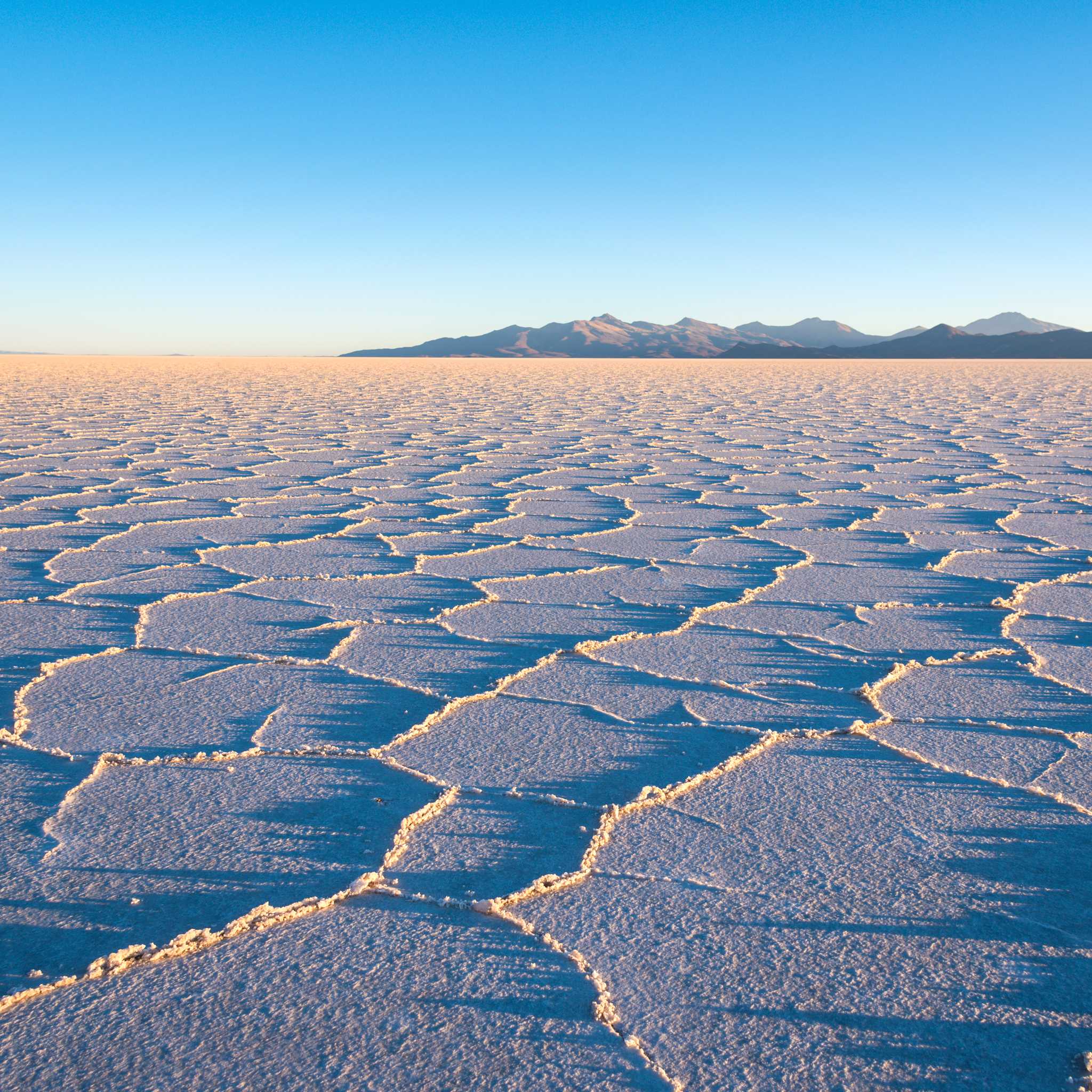
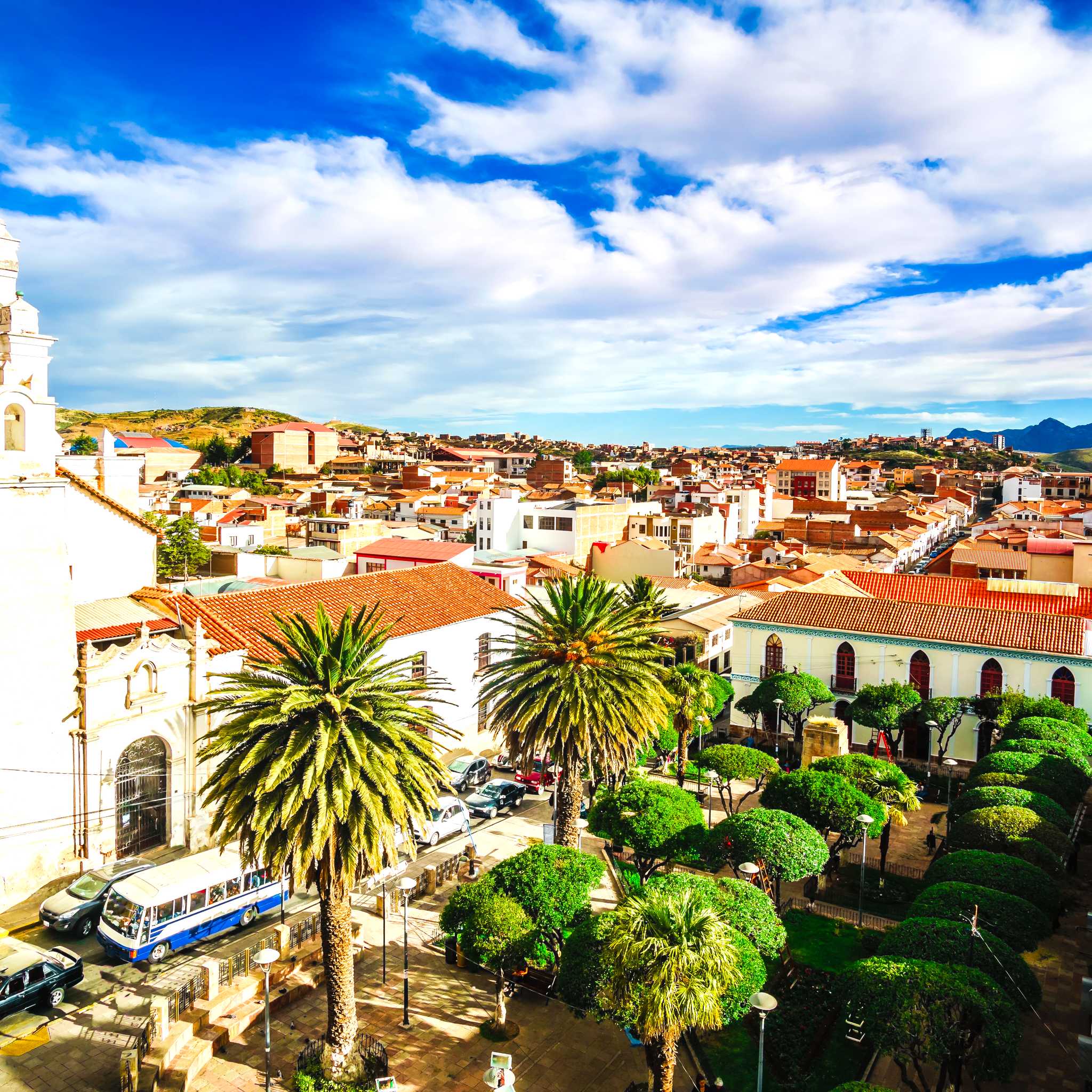
La Paz presents significant challenges for wheelchairs and strollers. The city is built on steep hills and many sidewalks are uneven, narrow, or cobblestoned. The city center and some main avenues have improved accessibility, but most historic and market areas are difficult to navigate.
La Paz is generally safe in popular areas during the day, but it's wise to take common precautions. Stick to well-traveled streets, avoid displaying expensive jewelry or electronics, and use only reputable radio taxis rather than hailing cabs off the street. Petty theft such as pickpocketing can occur in markets and busy public areas, so keep your belongings close.
Top highlights include the Witches' Market (Mercado de las Brujas), the colonial Calle Jaen street, and the lunar-like Valle de la Luna rock formations just outside the city. A ride on the Mi Teleferico cable car system offers remarkable aerial views of the city and surrounding mountains. Day trips to the ancient ruins of Tiwanaku or the shores of Lake Titicaca are also popular choices.
Bolivia's official currency is the boliviano (BOB). US dollars are accepted in many hotels and larger establishments, but it's best to carry bolivianos for everyday purchases, markets, and transport. You can exchange currency at banks or licensed exchange bureaus (casas de cambio) in La Paz. Credit cards are accepted at many restaurants and hotels, but cash is king in smaller shops and local markets.
La Paz sits at roughly 3,650 meters (about 12,000 feet) above sea level, making altitude sickness (known locally as soroche) a real concern for many visitors. Symptoms include headaches, fatigue, and shortness of breath. To acclimatize, take it easy on your first day or two, stay well-hydrated, avoid alcohol initially, and consider consulting your doctor about altitude medication before traveling.
Spanish is Bolivia's primary official language, along with several recognized indigenous languages including Aymara and Quechua. English is not widely spoken outside of major hotels and tourist areas, so learning a few basic Spanish phrases will go a long way in La Paz. Having a translation app downloaded for offline use is also a handy backup.
Bolivia's cuisine is hearty and flavorful. In La Paz, look out for salteñas (baked pastries filled with spiced meat and vegetables, best eaten at breakfast), pique a lo macho (a meat and pepper dish), and api (a warm purple corn drink). Quinoa-based dishes and hearty stews are also local staples. The Mercado Lanza and Mercado Rodriguez are great spots to eat like a local.
La Paz has a dry season from May through October, which is generally considered the best time to visit. Expect cool, sunny days and cold nights. The wet season runs from November through March, bringing frequent afternoon rains. If you want to catch the spectacular Alasitas festival, plan your visit for late January, when locals purchase miniature items to wish for prosperity.