You don't need to dive. Large sections of the wreck sit in shallow water close to the beach, so snorkelers can see much of the hull and the fish life around it with just a mask and fins. Divers can go deeper to explore more of the structure, but the main highlights are within reach of anyone comfortable in the water.
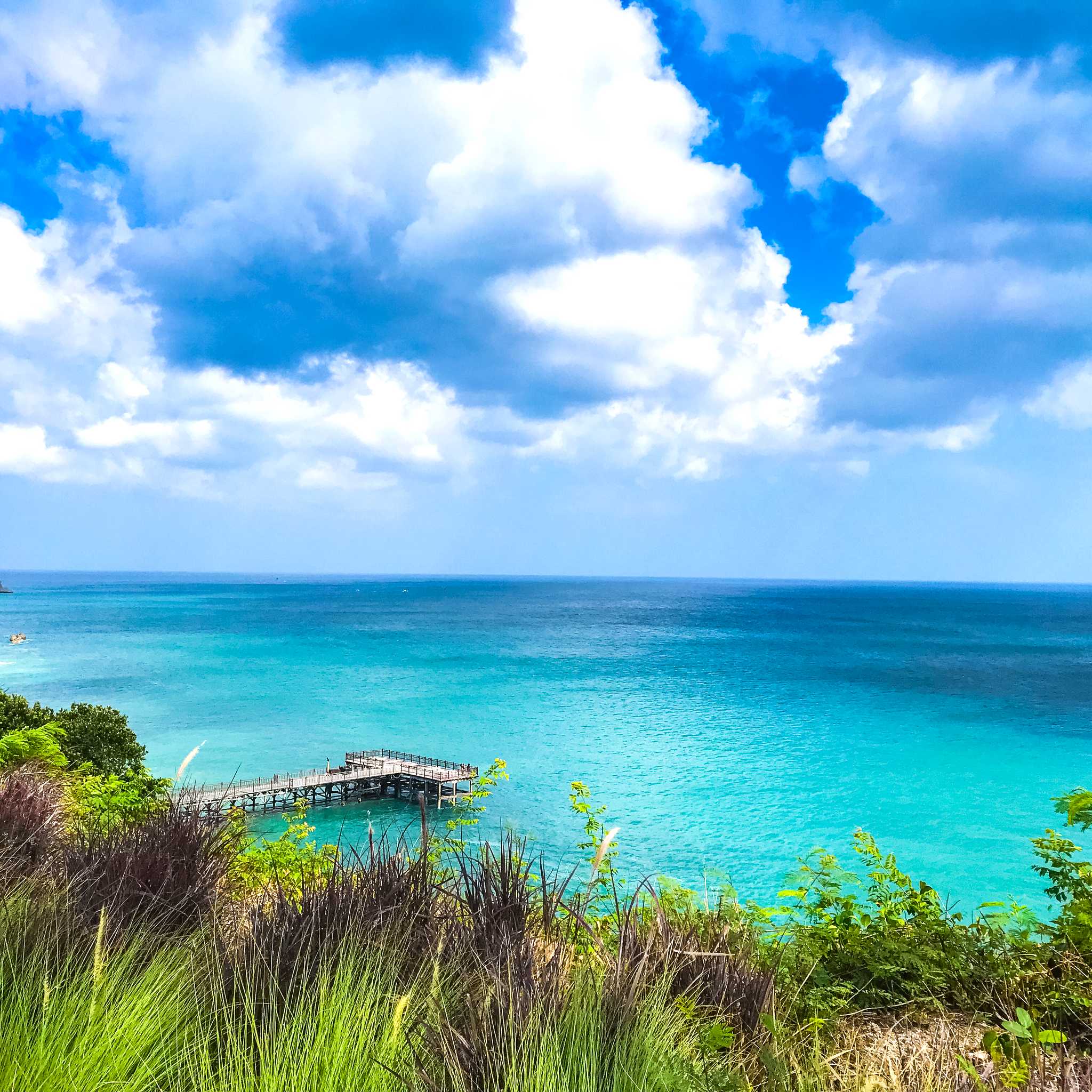
Kubu is quieter and more rugged than the beach clubs and crowds of south Bali. Its black volcanic sand, working fishing villages, and volcano backdrop make it a destination for travelers drawn to scenery and marine life rather than nightlife, offering a more authentic side of the island in a single day.
Kubu sits roughly 95 km (59 miles) from south Bali's main hubs like Kuta and Seminyak, along a winding northeast coastal road that typically takes around 2.5 to 3 hours depending on traffic. A private transfer covers this stretch door-to-door and lets you build in stops at coastal viewpoints, Amed's fishing villages, or the salt pans along the way, rather than sticking to a fixed tour schedule.
A few hours is enough to snorkel or dive the wreck, dry off, and enjoy a meal looking out over the coast. Because the area is quiet and uncrowded compared to south Bali, you won't lose time waiting in lines or fighting for beach space, so the hours you spend here go entirely toward the experience.
Beyond the wreck, the coastline is lined with dramatic black sand beaches shaped by Mount Agung's volcanic activity, with clear views of Bali's highest and most sacred volcano rising behind them. Nearby, the village of Amed is known for its rows of colorful jukung outrigger boats and traditional sea salt farming, offering a glimpse of coastal life rarely seen in the island's busier resort areas.
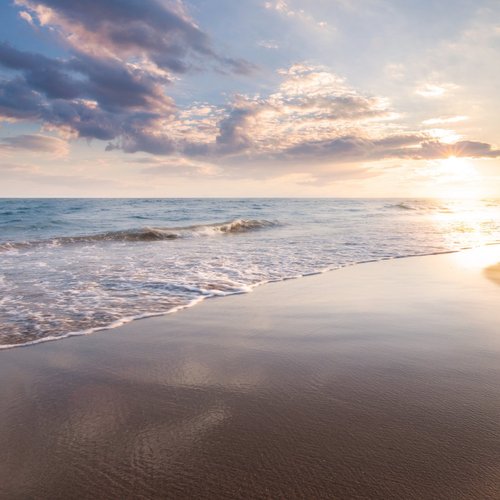
Tulamben, part of the Kubu area in Bali's Karangasem regency, is home to the USS Liberty, a WWII-era US Army cargo ship torpedoed in 1942 and now resting just off a black volcanic sand beach. The wreck sits close enough to shore that it's become one of the most accessible shipwreck sites in the world, drawing snorkelers and divers alike to see its coral-covered hull in a single stop.