Yes, and Molise's compact geography makes this practical. The ancient Samnite sanctuary of Pietrabbondante, about 30 km (19 miles) from Isernia, is one of the most evocative and undervisited archaeological sites in all of Italy — an open-air hilltop theater with views across the mountains. The town of Venafro, roughly 15 km (9 miles) away, adds a well-preserved Roman amphitheater and a Renaissance castle to the day. Daytrip drivers are local experts who know these routes well and can incorporate stops at points of interest along the way, turning your transfer into a curated journey rather than just a ride.
Isernia sits in the mountainous interior of Molise, roughly 170 km (106 miles) southeast of Rome and about 90 km (56 miles) north of Naples. The drive through the Apennine foothills is scenic but winding, which makes a private transfer with a professional driver significantly more comfortable than navigating unfamiliar mountain roads yourself. Trains reach Isernia but involve connections and slower journey times given the region's terrain. A door-to-door transfer means you arrive without the stress of driving, parking in a medieval town center, or working out regional rail schedules.
A half-day gives you time to cover the main sights: the Museo Nazionale del Paleolitico, the cathedral, and a walk through the old center. A full day lets you linger over lunch in a local trattoria, explore the surrounding Molise countryside, and take in Isernia at a more relaxed pace — which is how the town itself moves. If you are combining it with a stop at the nearby archaeological site of Pietrabbondante, an ancient Samnite theater and temple complex roughly 30 km (19 miles) away, plan for the full day.
Isernia sits in Molise, sometimes called Italy's forgotten region, and that near-absence of mass tourism is its defining quality. You will not find souvenir shops or selfie crowds here. What you will find is a living Italian town with genuine local character, world-class prehistoric heritage that most travelers have never heard of, and a culinary tradition built on black truffles, lamb, and handmade pasta that has had no reason to cater to outside tastes. For travelers who feel that the most iconic Italian destinations have become difficult to experience authentically, Isernia and the wider Molise region offer something increasingly rare.
The Museo Nazionale del Paleolitico di Isernia is the anchor attraction, housing the remarkable finds from La Pineta excavation site including a famous reconstruction of a prehistoric "table" made from animal bones. The Fontana Fraterna in Piazza Celestino V is a striking medieval fountain assembled from Roman-era architectural fragments. The Romanesque Cattedrale di San Pietro Apostolo and the adjoining medieval streets of the centro storico round out the core sightseeing. Isernia also sits in a region celebrated for its truffle production and traditional cuisine, so a meal here is part of the experience.
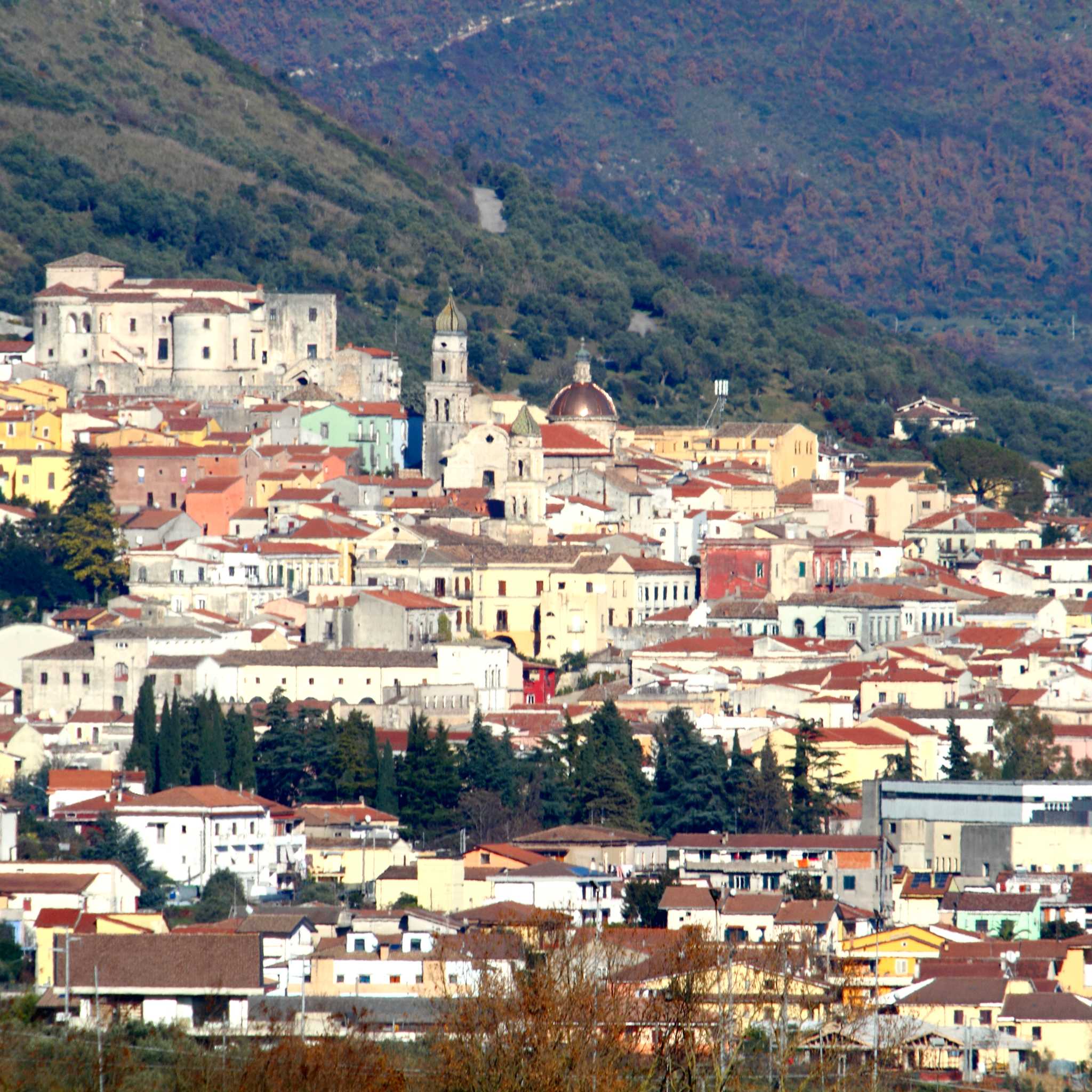
Isernia is one of Italy's least-visited provincial capitals, which is precisely what makes it special. At its heart is the Paleolithic site of La Pineta, one of Europe's most significant prehistoric settlements, where excavations have uncovered human remains and tools dating back roughly 700,000 years. The city's historic center rewards slow exploration with its Romanesque cathedral, the monumental Fontana Fraterna built from Roman ruins, and a quiet piazza culture that feels genuinely unchanged by tourism. If you want to experience southern Italy as it actually lives rather than as it performs for visitors, Isernia delivers that authentically.