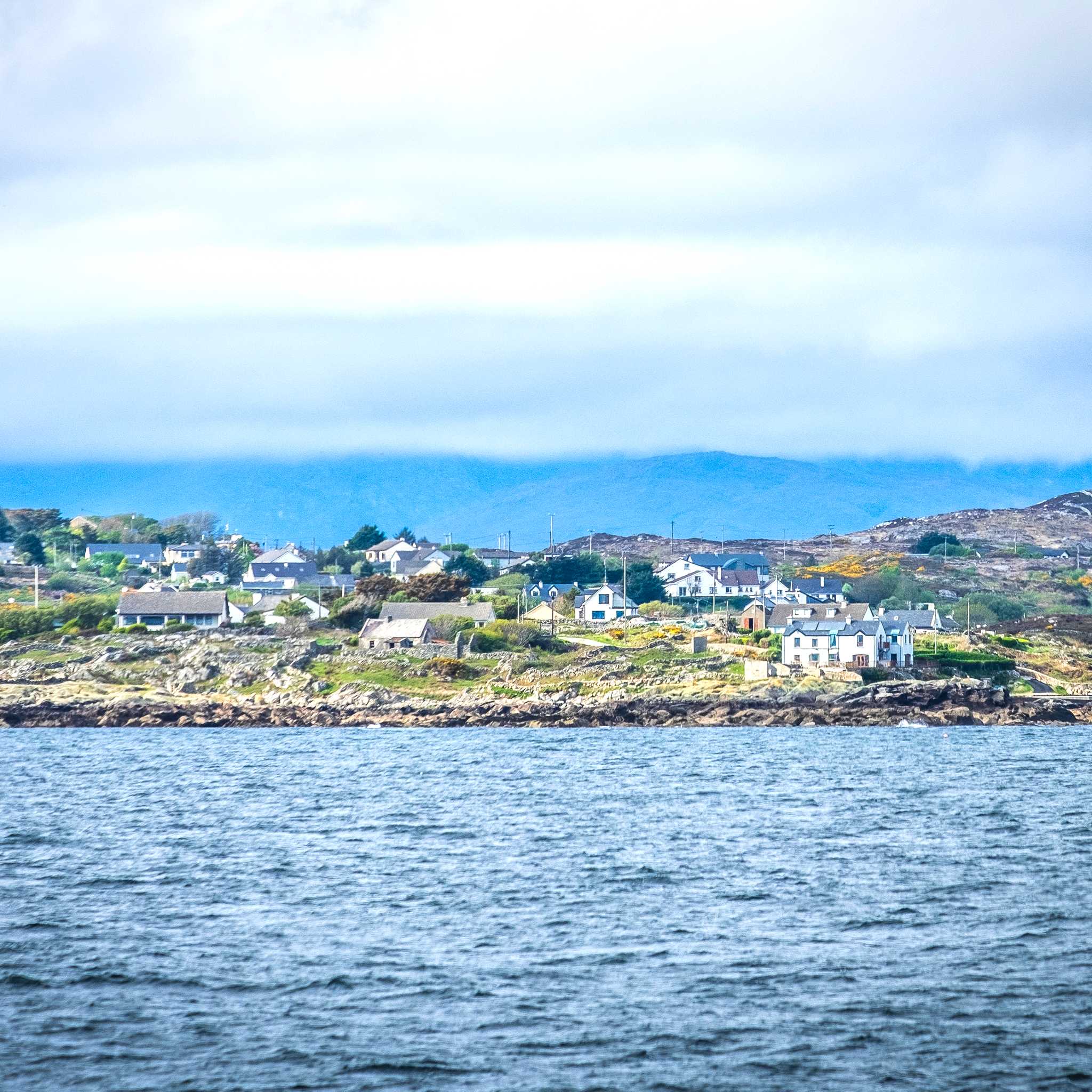
Rossaveel (Ros an Mhíl) is a small ferry port on the Connemara coast, roughly 37 km (23 miles) west of Galway City. It is not served by public transport, which makes getting there independently surprisingly complicated — there are no direct train or bus connections to the port itself. A private transfer is the most practical option: your driver takes you directly to the terminal, handles your luggage, and gets you there on time so you can board without rushing.
The ferry from Rossaveel to Inishmore takes approximately 40 to 45 minutes, making it one of the shorter island crossings on Ireland's west coast. Ferries are operated by Aran Island Ferries, with seasonal timetables — check the operator's website for current departure times before booking. Booking your crossing in advance is strongly recommended during summer months, when demand is high.
A full day is ideal. From Kilronan, the main village where the ferry docks, you can hire a bicycle or take a pony-and-trap tour to reach Dún Aonghasa, which is about 8 km (5 miles) from the pier. Factor in time to walk to the cliff edge, explore the smaller sites along the way (including the Seven Churches ruins and Dún Eochla), and have a meal in Kilronan before your return sailing. Half a day is possible but leaves little room to breathe — and this island rewards slowing down.
Inishmore is a natural fit for families — the open landscape, the novelty of cycling or taking a horse-drawn trap, and the sheer drama of Dún Aonghasa make it genuinely exciting for all ages. That said, the path up to Dún Aonghasa involves an uneven, rocky climb and is not wheelchair accessible. Kilronan village and the main road are relatively flat and manageable. A private transfer to Rossaveel also removes a significant logistical pressure for families traveling with young children or bulky gear — you arrive at the port relaxed, not scrambling.
Inishmore is one of Ireland's strongest Irish-speaking (Gaeltacht) communities — you will see road signs in Irish only, and many islanders speak Irish as their first language. The pace of life is slow and the atmosphere is genuinely unhurried. The island has a small permanent population of around 800 people, a handful of traditional pubs, local craft shops, and restaurants serving fresh seafood. Visiting feels less like a tourist attraction and more like a step into a living, working community that has maintained its identity against the Atlantic for centuries.
Inishmore is one of the most remarkable places in Ireland. The island sits at the edge of the Atlantic and is home to Dún Aonghasa, a prehistoric stone fort perched dramatically on a 100-metre cliff — one of the most awe-inspiring archaeological sites in Europe. Beyond the fort, the island's limestone landscape (part of the Burren's geological family) is threaded with ancient stone walls, early Christian churches, and quiet roads where ponies and bicycles outnumber cars. It feels genuinely removed from modern life in a way that few places do.