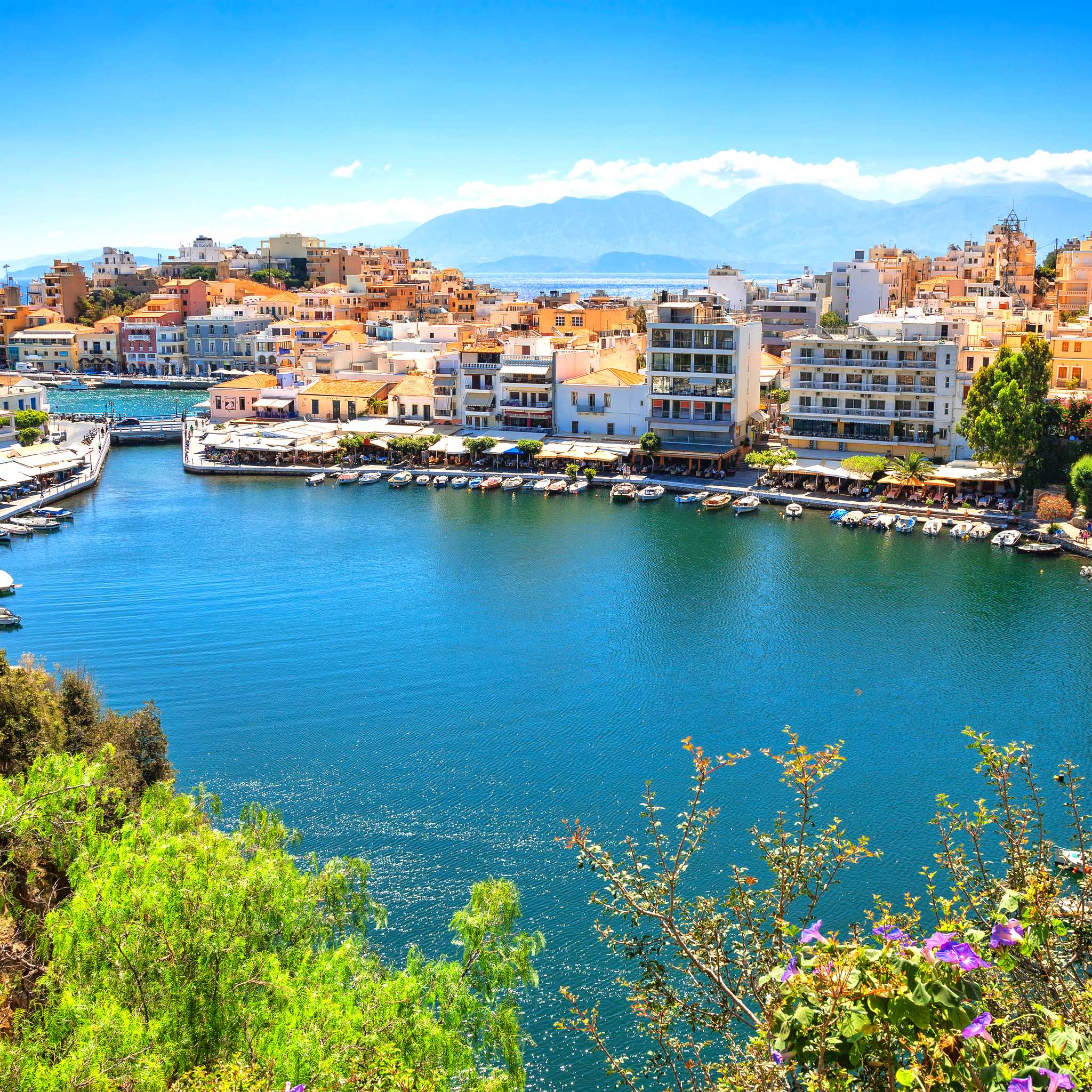
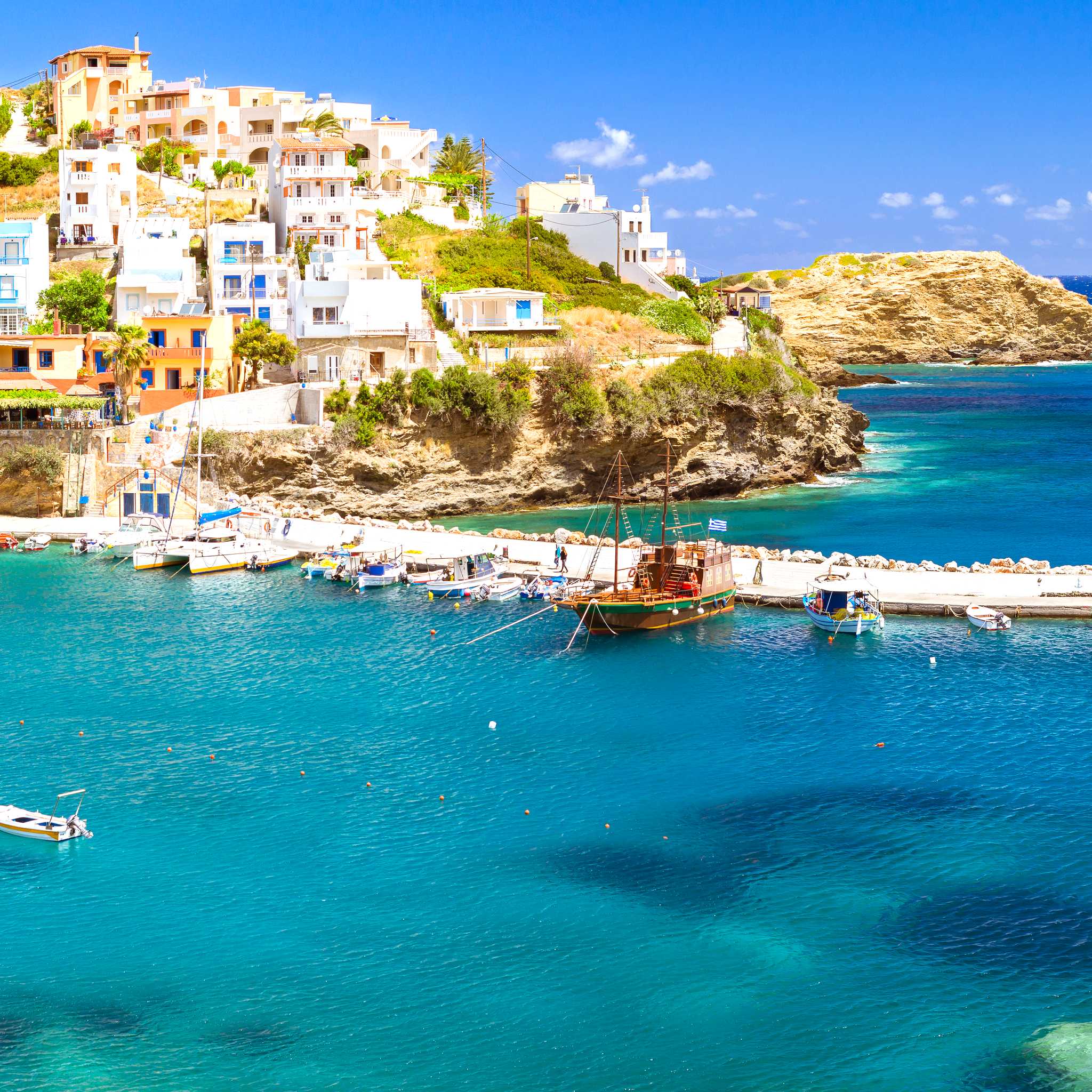
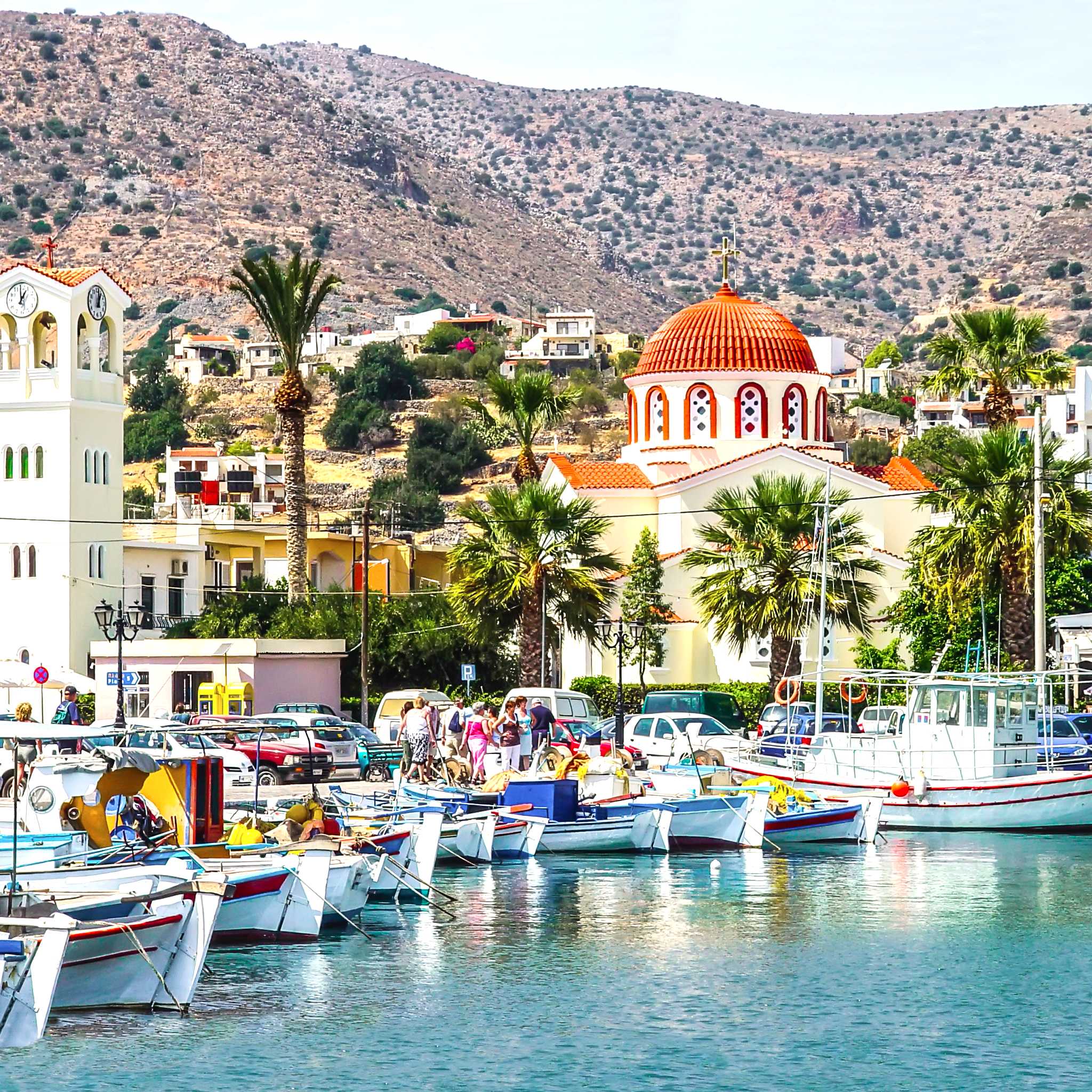
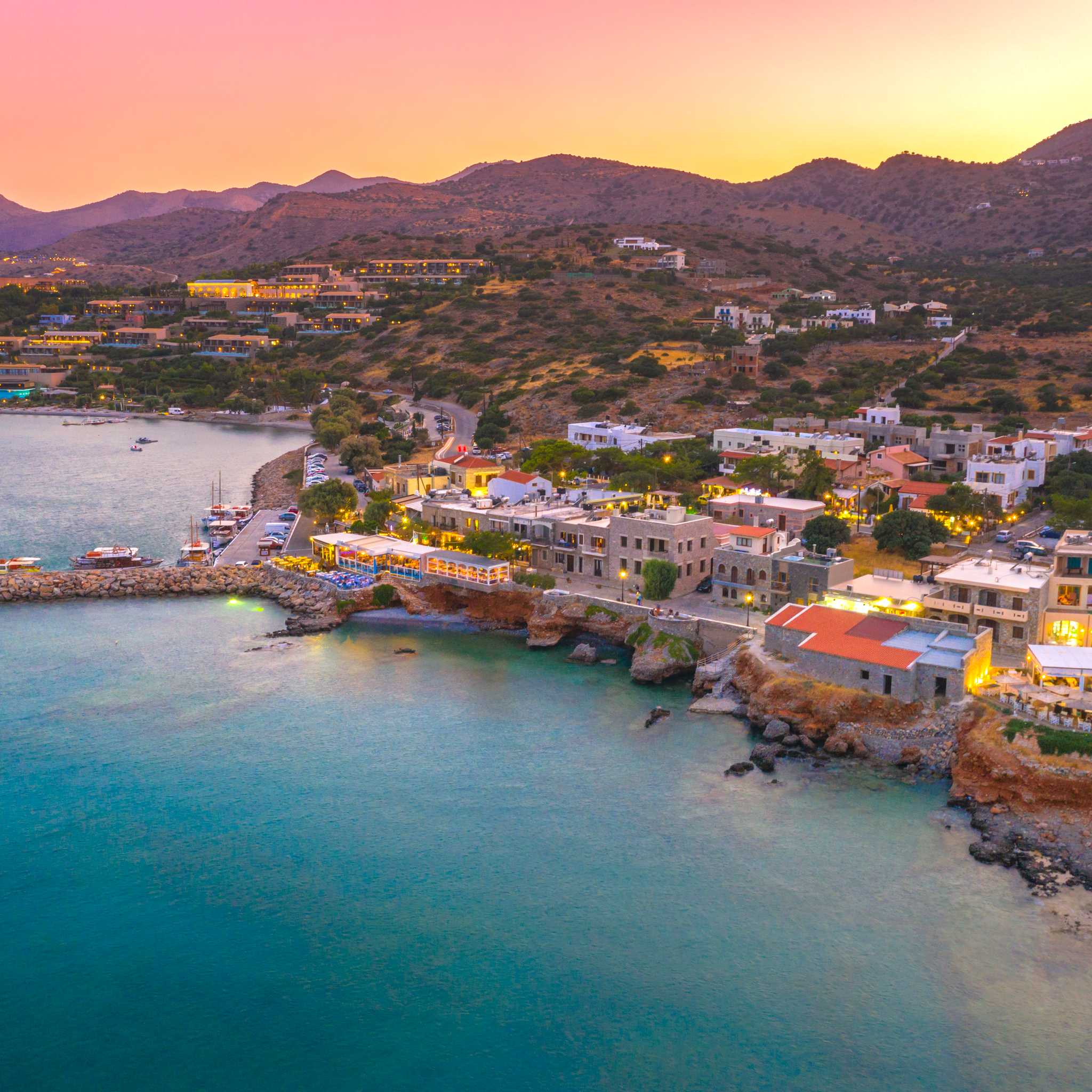
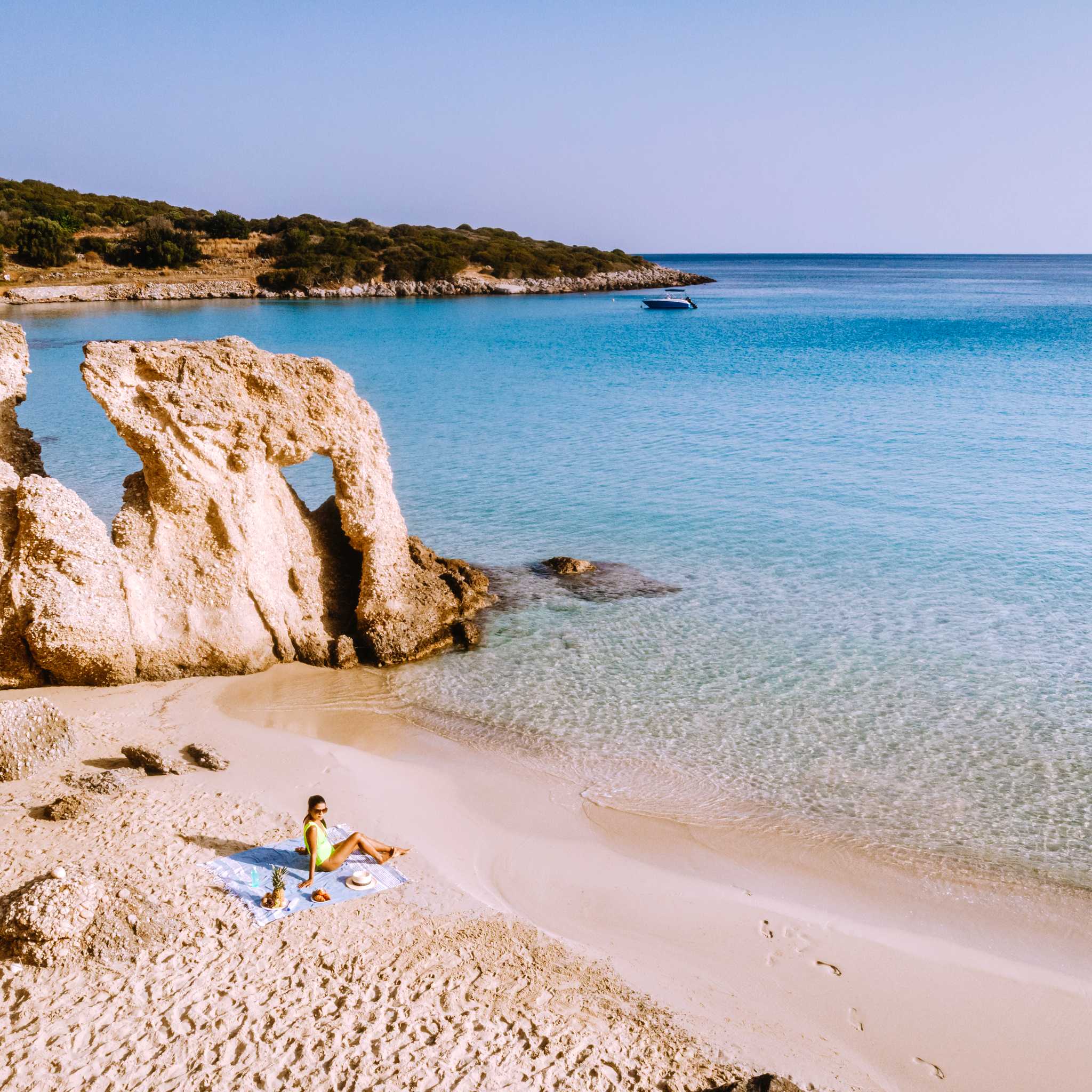
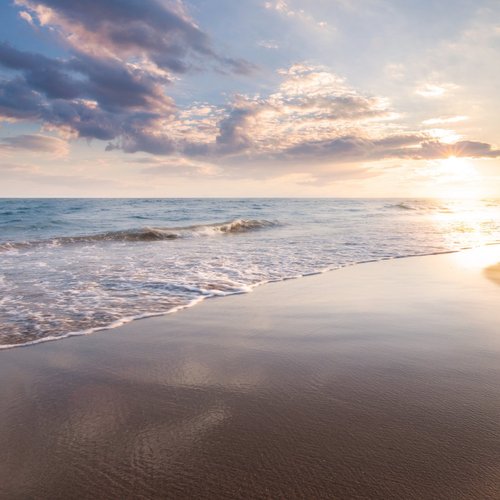
Yes, several beaches lie near Heraklion including Ammoudara (5 kilometers west offering long sandy beach with facilities), Agia Pelagia (20 kilometers northwest with sheltered bay), and Matala (70 kilometers south featuring caves and hippie history). The city itself has a small central beach. Better beaches exist along Crete's coast within day-trip distance. Many visitors base in Heraklion for archaeological sites while taking beach excursions. The island's diverse coastline offers everything from organized resort beaches to secluded coves accessible from the capital.
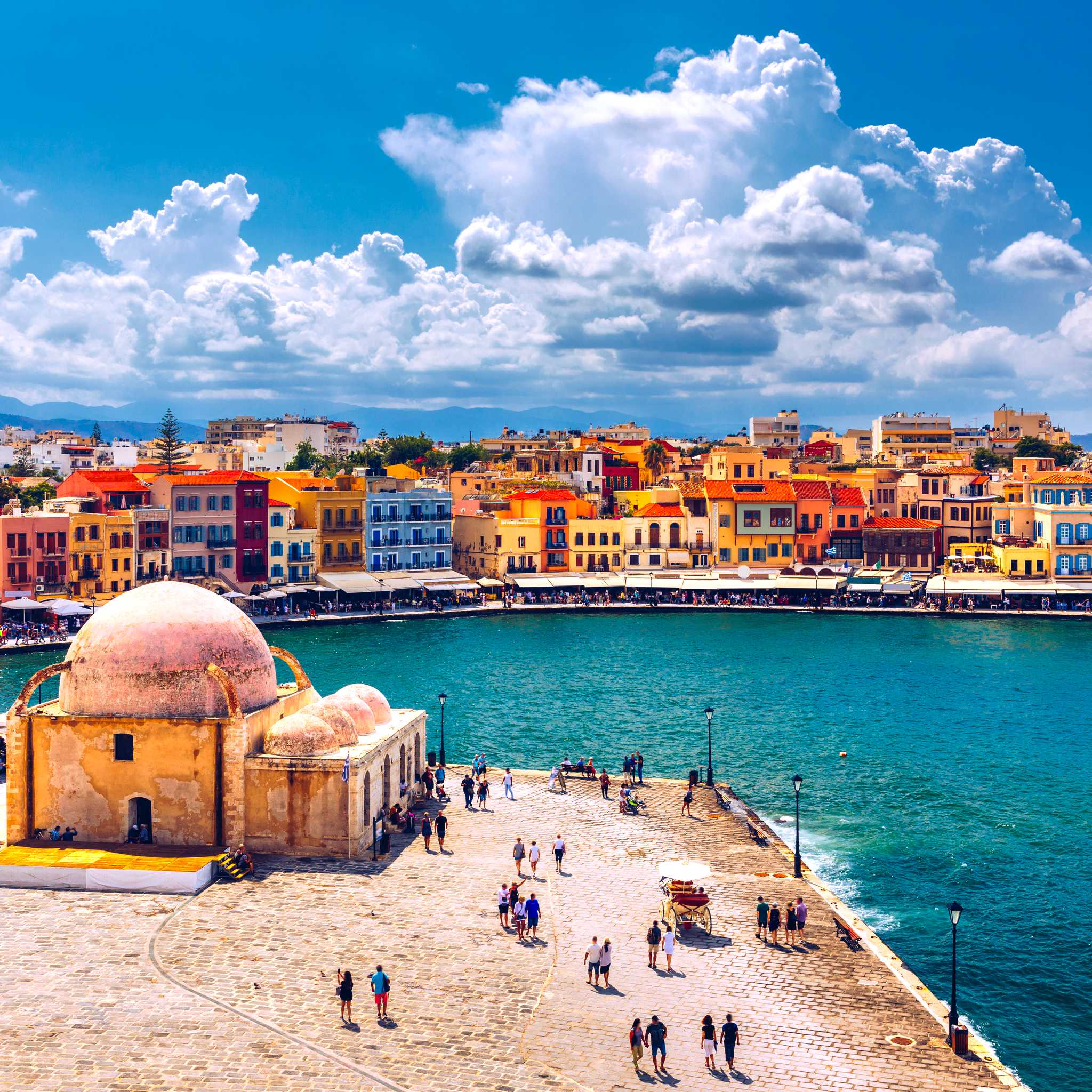
Heraklion sits approximately 145 kilometers (90 miles) east of Chania along Crete's northern coast. The journey takes about 2-2.5 hours by car via the National Road crossing the island. Both cities have airports, with Heraklion handling more international flights. Many travelers visit both experiencing Heraklion's archaeological treasures alongside Chania's Venetian harbor charm. The distance spans much of Crete's length, showcasing the island's diverse landscapes from coastal areas to mountain views along the route.
Cretan cuisine in Heraklion emphasizes healthy Mediterranean diet ingredients including exceptional olive oil, fresh vegetables, herbs, and cheeses. Specialties include dakos (barley rusk salad), kalitsounia (cheese pies), Cretan sausages, snails, and lamb dishes. The central market offers local products, fresh produce, and traditional tavernas. Raki (local spirit) accompanies meals. Cretan salad differs from Greek salad using local mizithra cheese. The diet's simplicity and quality ingredients reflect the island's agricultural traditions and contribute to Cretans' legendary longevity.
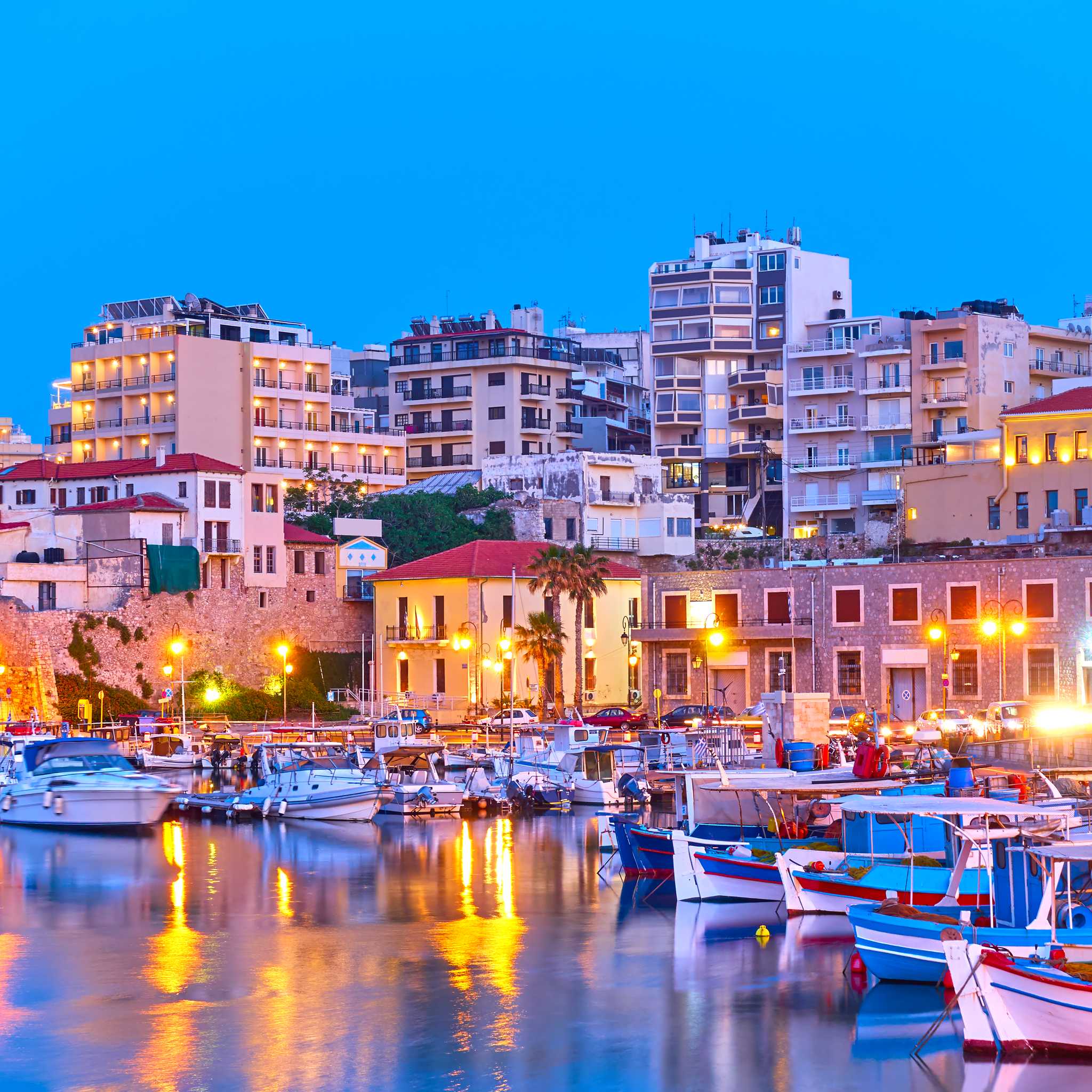
Heraklion's massive Venetian fortifications, built during 1462-1560, encircle the old town with walls up to 40 meters thick. The Koules Fortress guards the harbor entrance, accessible to visitors for rampart walks and sea views. These defensive structures represent Renaissance military architecture's finest examples, withstanding Ottoman siege for 21 years. Walking the walls provides historical perspective and city panoramas. The fortifications demonstrate Venetian power during Crete's occupation. The old port area combines maritime history with waterfront dining and nightlife.
Heraklion is Crete's capital and largest city, famous for the nearby Palace of Knossos (Europe's oldest civilization site), excellent Archaeological Museum, Venetian fortifications, and vibrant markets. The port city combines ancient Minoan heritage, Venetian and Ottoman architecture, lively nightlife, and authentic Cretan culture. Heraklion serves as Crete's main gateway through its international airport while offering urban energy distinct from island beach resorts. The city provides access to Cretan history, cuisine, and serves as base for exploring the island.
The Heraklion Archaeological Museum houses the world's finest collection of Minoan artifacts spanning 5,500 years of Cretan history. Treasures include Phaistos Disc, snake goddess figurines, stunning frescoes from Knossos, jewelry, pottery, and everyday objects from ancient Crete. The modern museum displays chronologically arranged exhibits explaining Minoan civilization's sophistication. Air conditioning and clear labeling enhance the experience. This essential complement to Knossos visits contextualizes the palace ruins. The collection represents one of Greece's most important museums.
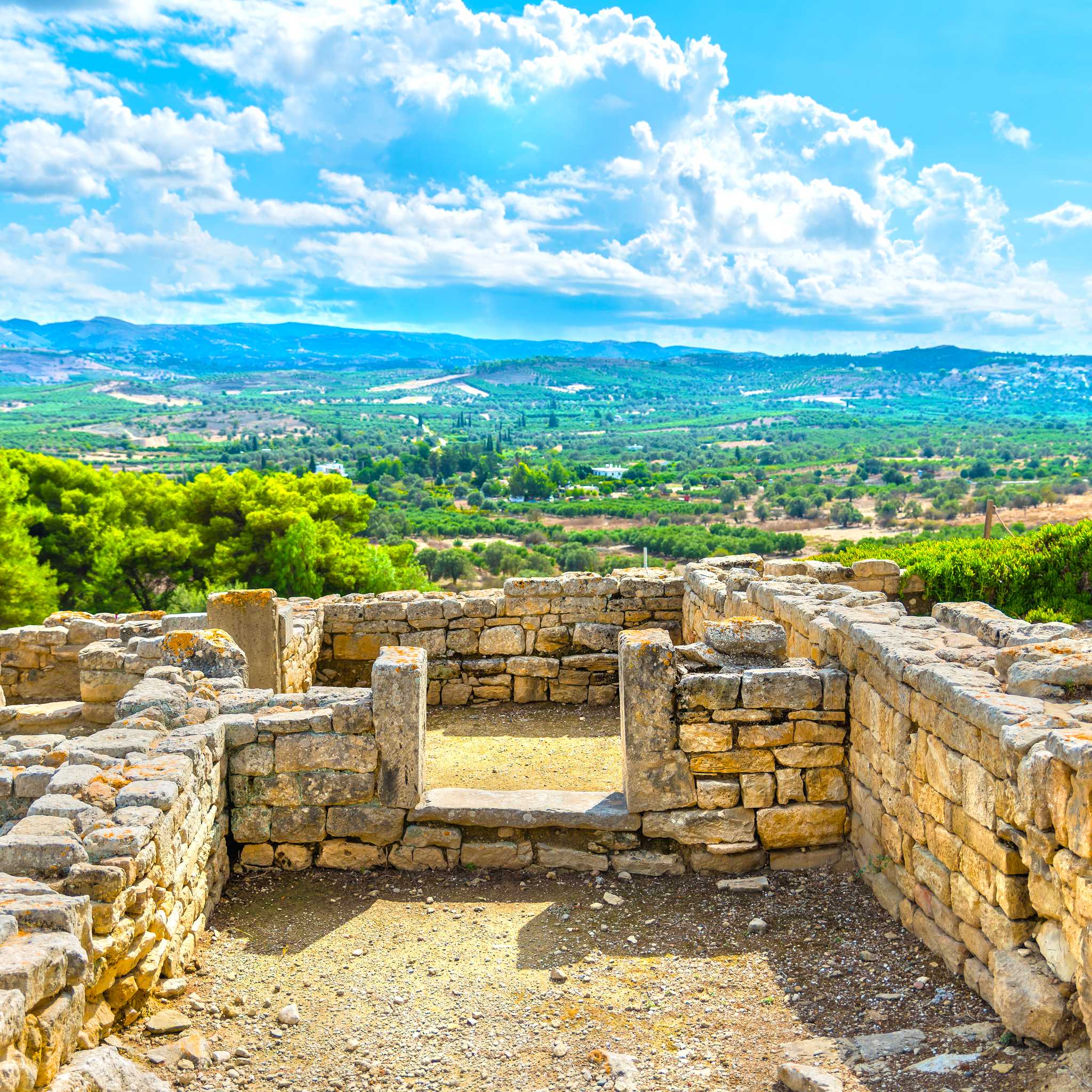
The Palace of Knossos is Europe's oldest palace and ancient Minoan civilization's ceremonial center, dating from approximately 1900 BC. Located 5 kilometers south of Heraklion, the extensive ruins feature the famous Throne Room, vibrant frescoes (some controversial reconstructions), and complex architecture with advanced plumbing systems. The legendary labyrinth of King Minos and the Minotaur myth originated here. The UNESCO candidate site provides essential understanding of Bronze Age Mediterranean culture. Combined tickets with the Archaeological Museum offer comprehensive Minoan history exploration.
Spring (April-June) and fall (September-October) offer pleasant temperatures for archaeological site exploration without extreme summer heat. July-August bring scorching temperatures (35+ degrees Celsius) but lively summer atmosphere and beach season. The city functions year-round unlike some seasonal resorts. Winter remains mild with occasional rain and fewer tourists. Shoulder seasons balance comfortable weather with manageable crowds and reasonable hotel prices. Knossos visits are most pleasant during cooler months. Each season provides different experiences of Cretan culture and climate.