Japan is one of the world's safest countries, and Hakone maintains this standard with extremely low crime rates. Natural disasters like earthquakes can occur, but buildings meet strict safety standards. Follow onsen etiquette and hiking safety guidelines.
Hakone welcomes families with many child-friendly attractions including scenic cable cars, boat rides on Lake Ashi, and outdoor activities. However, some traditional ryokan and onsen may have age restrictions or specific policies regarding young children.
Japan uses the Japanese yen (JPY). While credit cards are increasingly accepted in Hakone, Japan remains largely cash-based, especially for smaller establishments, local transportation, and traditional ryokan. Many ATMs are available, with 7-Eleven offering international card access.
Japanese is the official language. In Hakone's tourist areas, basic English is spoken at hotels and major attractions, though it may be limited. Learning simple phrases is appreciated by locals.
Don't stick chopsticks upright in rice and avoid pointing with them. Slurping noodles is acceptable. Many restaurants don't accept tips as good service is standard. Try kaiseki (multi-course) dining at traditional ryokan.
The Hakone Free Pass provides unlimited travel on most local transportation, including trains, buses, cable cars, and boats. This comprehensive system connects all major attractions and makes exploring the area convenient. Be sure to reserve your tickets in advance for the best experience.
Hakone's onsen (hot springs) are fed by natural volcanic activity and offer therapeutic benefits. Each has different mineral properties. Follow proper etiquette: wash thoroughly before entering, no tattoos in some traditional onsen, and maintain quiet, respectful behavior.
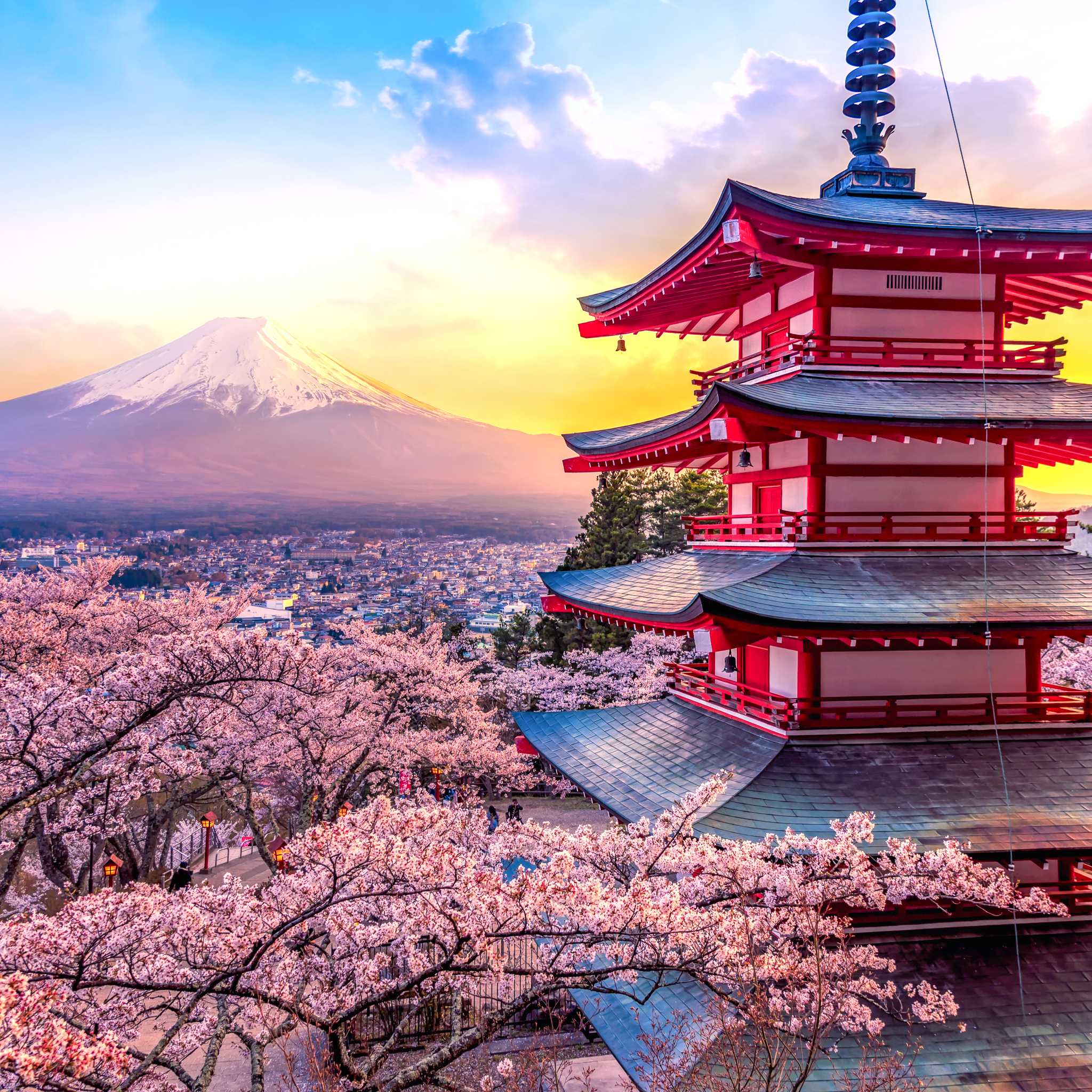
Spring (March-May) and autumn (September-November) offer the clearest Mount Fuji views and pleasant weather. Summer can be humid with possible rain, while winter provides crisp air and excellent hot spring experiences, though Mount Fuji may be obscured.