Cluj-Napoca is considered one of Romania's safest cities. Violent crime against visitors is rare. The main concern is petty theft, particularly on crowded buses and trams, so keep bags secure in busy areas. Solo travelers, including women, generally feel comfortable exploring the city, though standard nighttime precautions apply.
The city center is very walkable, with most major sights within comfortable reach of each other on foot. Public buses, trams, and trolleybuses cover the wider city affordably. Taxis and ride-hailing apps are also available and reasonably priced. The airport sits about 7 kilometers (4 miles) from the center and is easily reached by bus or taxi.
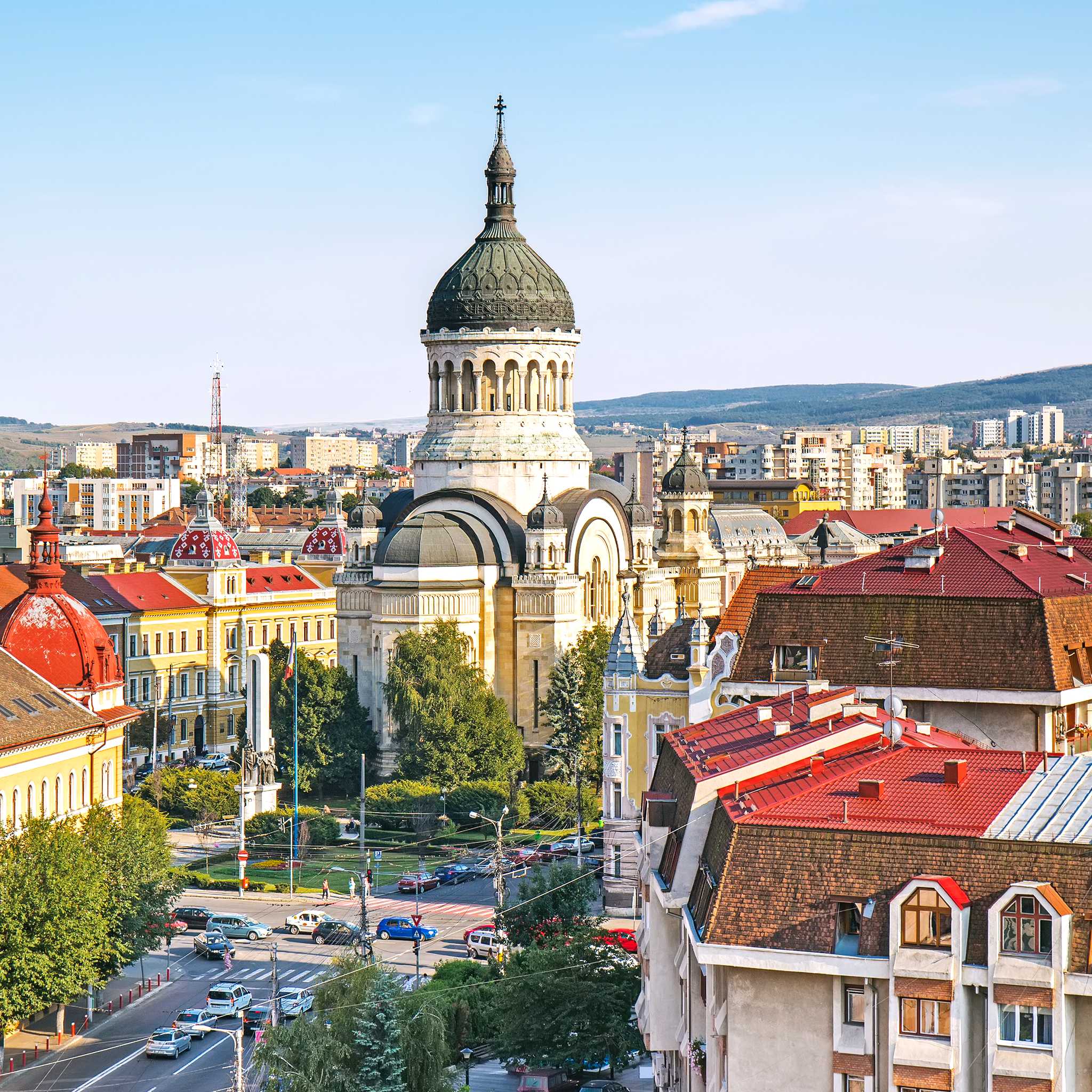
Don't miss the Gothic St. Michael's Church and Union Square (Piata Unirii) at the city's heart, the Alexandru Borza Botanical Garden, and the Hoia Baciu Forest on the edge of town. A day trip to the Turda Salt Mine, one of Europe's most remarkable underground sites, is an unmissable excursion from Cluj.
Romania uses the Romanian leu (RON). Credit and debit cards are widely accepted in Cluj-Napoca's hotels, restaurants, and shops, but having some cash on hand is useful for smaller purchases, markets, and tips. ATMs are plentiful throughout the city center. Avoid exchanging money at airport kiosks for the best rates.
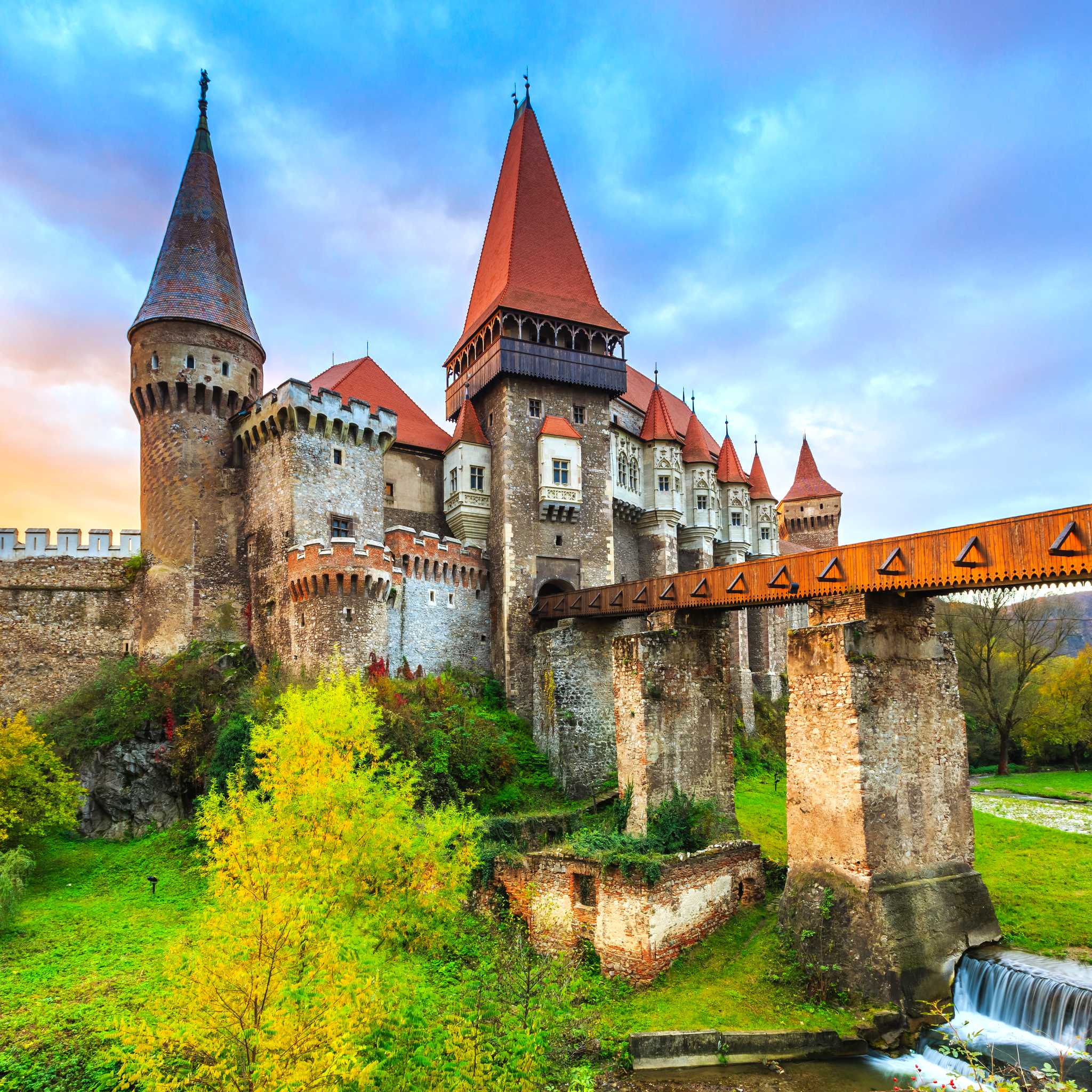
Cluj-Napoca is an excellent base for exploring Transylvania. The Turda Salt Mine is just 30 km (about 18 miles) away and draws visitors from across Europe. Corvin Castle (Hunedoara), Bran Castle, and the painted villages of Maramures are all reachable on a longer day out. The scenic Apuseni Mountains are also nearby for nature lovers.
Romanian is the official language. In Cluj-Napoca, English is widely spoken, particularly among younger residents, students, and those working in hospitality and tourism. Hungarian is also commonly heard, as the city has a significant ethnic Hungarian community. A few words of Romanian are always appreciated by locals.
Cluj-Napoca is a great place to explore Romanian cuisine. Try sarmale (stuffed cabbage rolls), mici (grilled minced meat rolls), papanasi (fried doughnuts with sour cream and jam), and mamaliga (polenta). The city's restaurant scene ranges from traditional Romanian taverns to creative modern dining, with something to suit every taste.
May through September offers the most pleasant weather, with warm days ideal for exploring the old town and surrounding countryside. Summer also brings major festivals, including the Untold electronic music festival in August and Electric Castle in July. Spring and early autumn are quieter, with comfortable temperatures and fewer crowds.