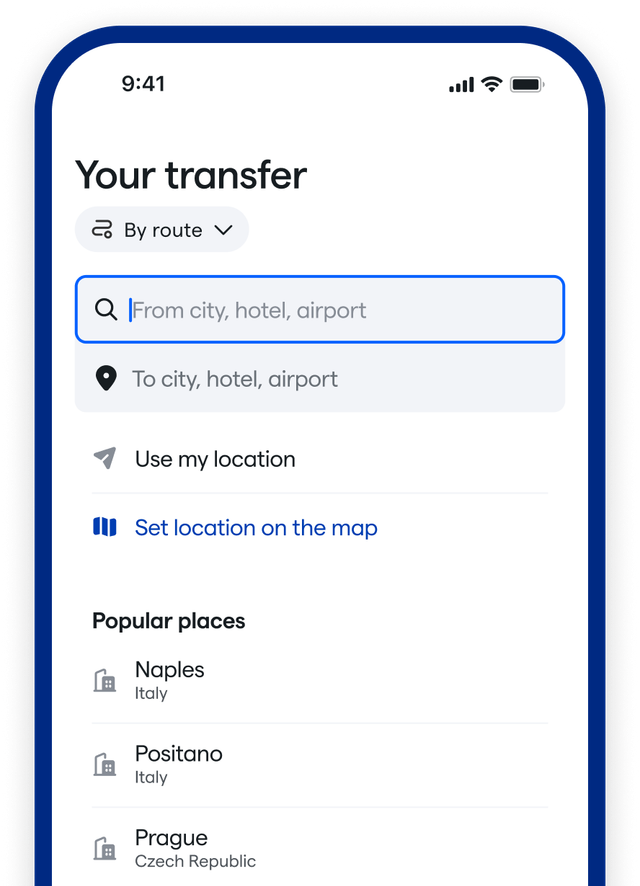
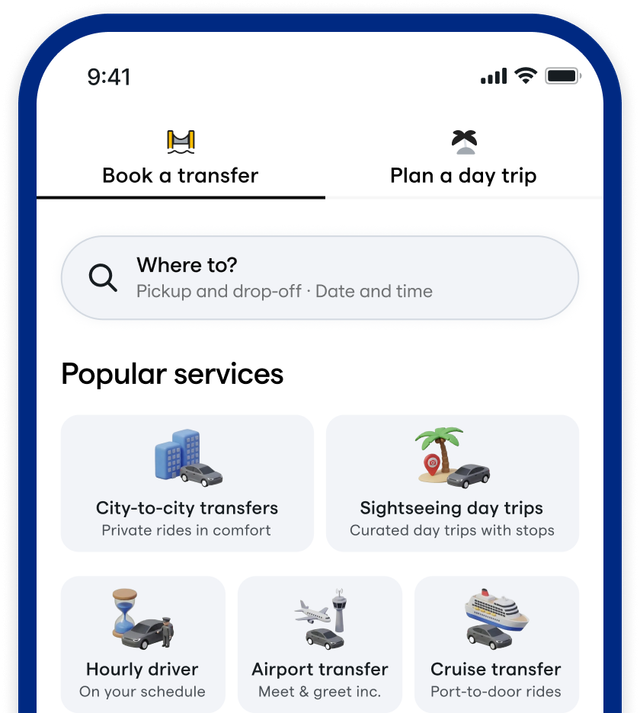
The SS163, known as the Amalfi Drive, is one of Europe's most scenic but demanding coastal roads. It is very narrow and winding, with steep drops to the sea, heavy traffic in summer, and large buses that leave little room for passing. Visitors who are prone to carsickness may find the journey uncomfortable by public bus. Private transfers are a popular option for those who want a more relaxed experience on this stretch of coastline.
Tipping in Italy is appreciated but not obligatory. In restaurants, a small gesture of a euro or two, or rounding up the bill, is considered polite for good service. Many establishments include a coperto (cover charge) in the bill. In casual, family-run spots in villages like Cetara, there is no pressure to tip. A warm grazie and genuine appreciation go a long way in Italian dining culture.
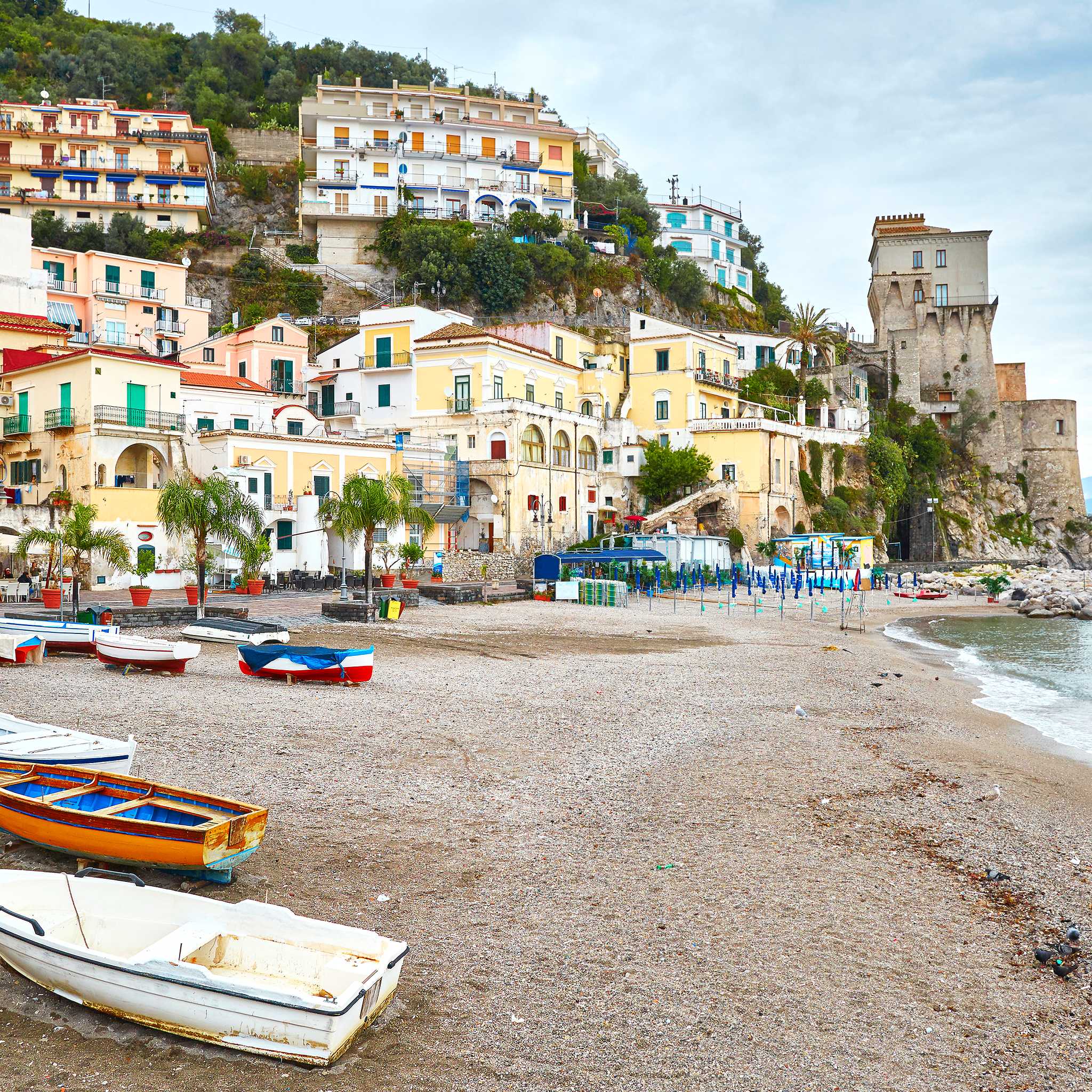
Wander the harbor and watch the fishing boats come and go for a genuine slice of Amalfi Coast life without the crowds. Visit the 16th-century Viceregal Tower overlooking the beach, which now houses a small civic museum. The beaches of La Baia and the more secluded Lannio are ideal for swimming. Food lovers should eat at least one meal showcasing the local anchovy products, which range from fresh preparations to bottled colatura di alici.
Italy uses the euro (EUR). Cards are widely accepted at hotels and most restaurants in the region, but carrying some cash is useful for smaller purchases, local markets, and family-run trattorias that may prefer it. ATMs are available in Cetara and nearby towns. Smaller denominations are practical for everyday spending. Cash is generally king for tips, entry fees at smaller sites, and purchasing local products directly from producers.
Cetara is internationally known for colatura di alici, an intensely flavored anchovy sauce produced by local fishermen using a method descended from the ancient Roman condiment garum. A few drops add depth to pasta, grilled vegetables, and seafood dishes. The sauce can be purchased at local shops along the waterfront. The village is also known for its tuna fishing heritage and the lively La Notte delle Lampare festival held at the end of July.
Spring (April to June) and early autumn (September to October) offer the most enjoyable conditions: pleasant warmth, fewer crowds, and the best light for the dramatic coastal scenery. July and August bring peak summer heat and heavier traffic on the narrow Amalfi Drive. The village itself remains relatively tranquil even in peak season compared to Positano or Ravello, but booking accommodation well in advance for summer is strongly advisable.
Italian is the official language, and in a small village like Cetara, it is the primary language you will encounter. English is spoken in the tourism industry and by some younger residents, but do not assume it will be available everywhere. A few basic Italian phrases, such as buongiorno (good morning), grazie (thank you), and per favore (please), are appreciated and can meaningfully improve interactions with locals.
Seafood is the heart of the local table. Pasta with colatura di alici is the signature dish, often simple but intensely flavored. Fresh anchovies prepared various ways, including marinated or fried, are menu staples. Scialatielli ai frutti di mare, a thick local pasta with mixed seafood, is a regional specialty worth seeking out. End a meal with a limoncello made from Amalfi Coast lemons, which are among the largest and most aromatic in Italy.