Bizerte is approximately 65 km (40 miles) north of Tunis. By road, the journey typically takes around one hour, depending on traffic. Your Daytrip driver picks you up directly from your accommodation in Tunis — or wherever else you are starting from — and drops you at the door of your destination in Bizerte. No shared coaches, no fixed departure times, no navigating an unfamiliar train system on the way home after a full day of walking.
A full day — roughly six to eight hours — gives you enough time to cover the main ground without feeling rushed. The old port and waterfront are the natural starting point: the atmosphere is best in the morning before the day heats up, and the cafes around the port make an easy, unhurried entry to the city. From there, the medina and Kasbah are within walking distance. If you are interested in the Andalusian quarter, build in time to walk its streets rather than simply pass through. Lac de Bizerte offers a calmer, more open landscape on the edge of the city if you want contrast with the tight medina streets. A half-day is workable if your priority is the port and Kasbah alone, but most travelers find the full day earns back its time.
Cap Blanc is the northernmost point of the African continent — a headland that juts into the Mediterranean roughly 17 km (11 miles) from Bizerte. It is not a developed tourist attraction, which is precisely its appeal: a rugged coastal promontory with sea views in three directions and a quiet lighthouse, marking a genuinely significant geographical point that most visitors to Tunisia never reach. If you are traveling by private transfer, adding Cap Blanc to your day is straightforward — your driver can take you there as a sightseeing stop and continue into Bizerte without any of the logistical complications that would come with public transport.
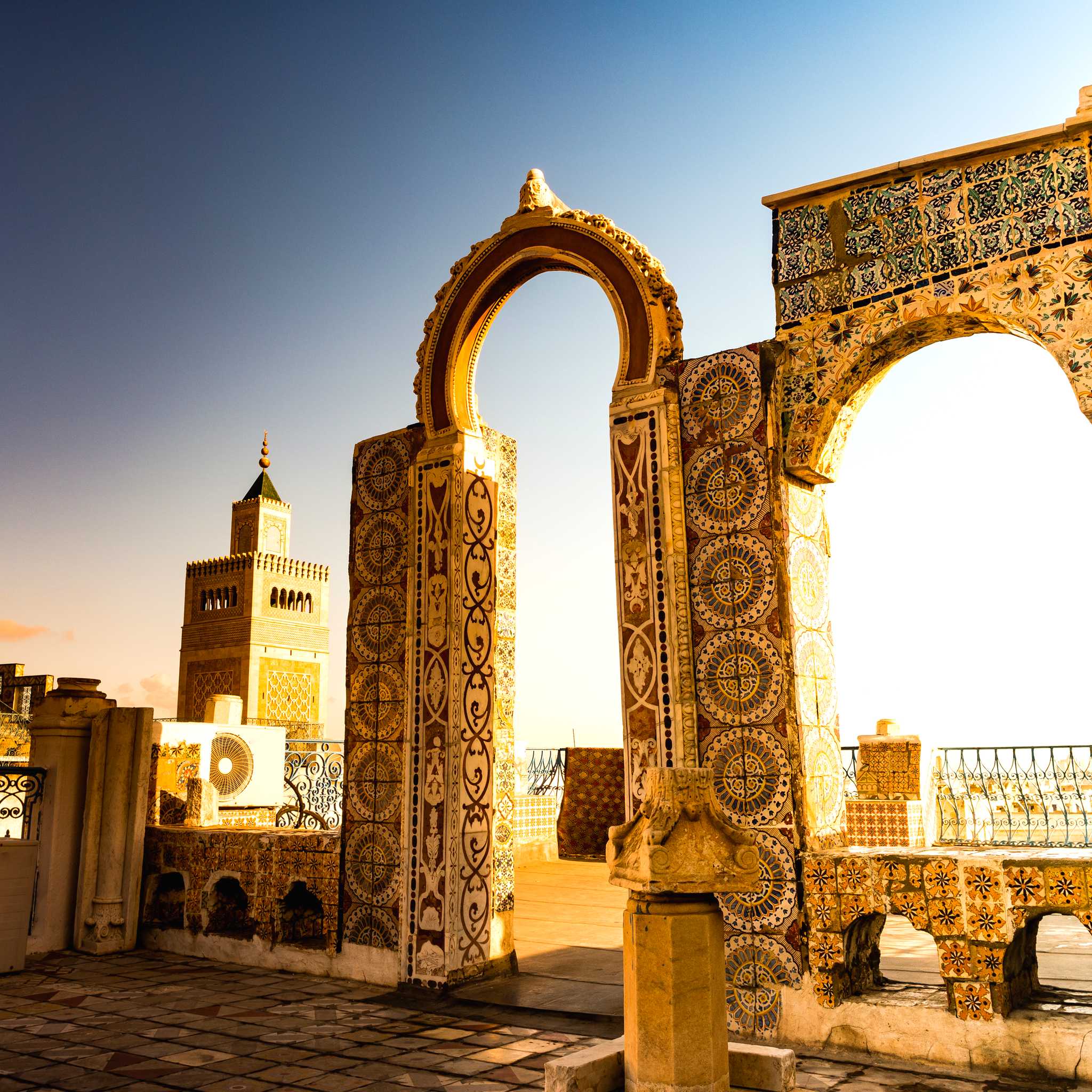
After the fall of Granada in 1492, thousands of Muslims and Jews expelled from Andalusia — southern Spain — resettled across North Africa. Bizerte received a significant wave of these refugees, and their influence shaped the architecture, craftsmanship, and cultural character of parts of the medina. The Andalusian quarter still carries traces of this heritage in its courtyard houses and decorative tilework. For travelers interested in the deeper currents of Mediterranean history, Bizerte offers a tangible connection to a migration story that reshaped the entire southern coast of the sea — and it is largely overlooked in mainstream Tunisian tourism.
The Kasbah is Bizerte's most prominent fortification, a structure that has been shaped and rebuilt across centuries of successive rulers. It overlooks the old port and the channel connecting Lac de Bizerte to the sea, giving you one of the best elevated perspectives in the city. The walk up takes you through narrow streets on the edge of the medina, past the Spanish Fort, and into a part of Bizerte that feels genuinely unhurried. The combination of defensive stonework, rooftop views, and proximity to the old port makes the Kasbah the natural anchor for a day in the city.
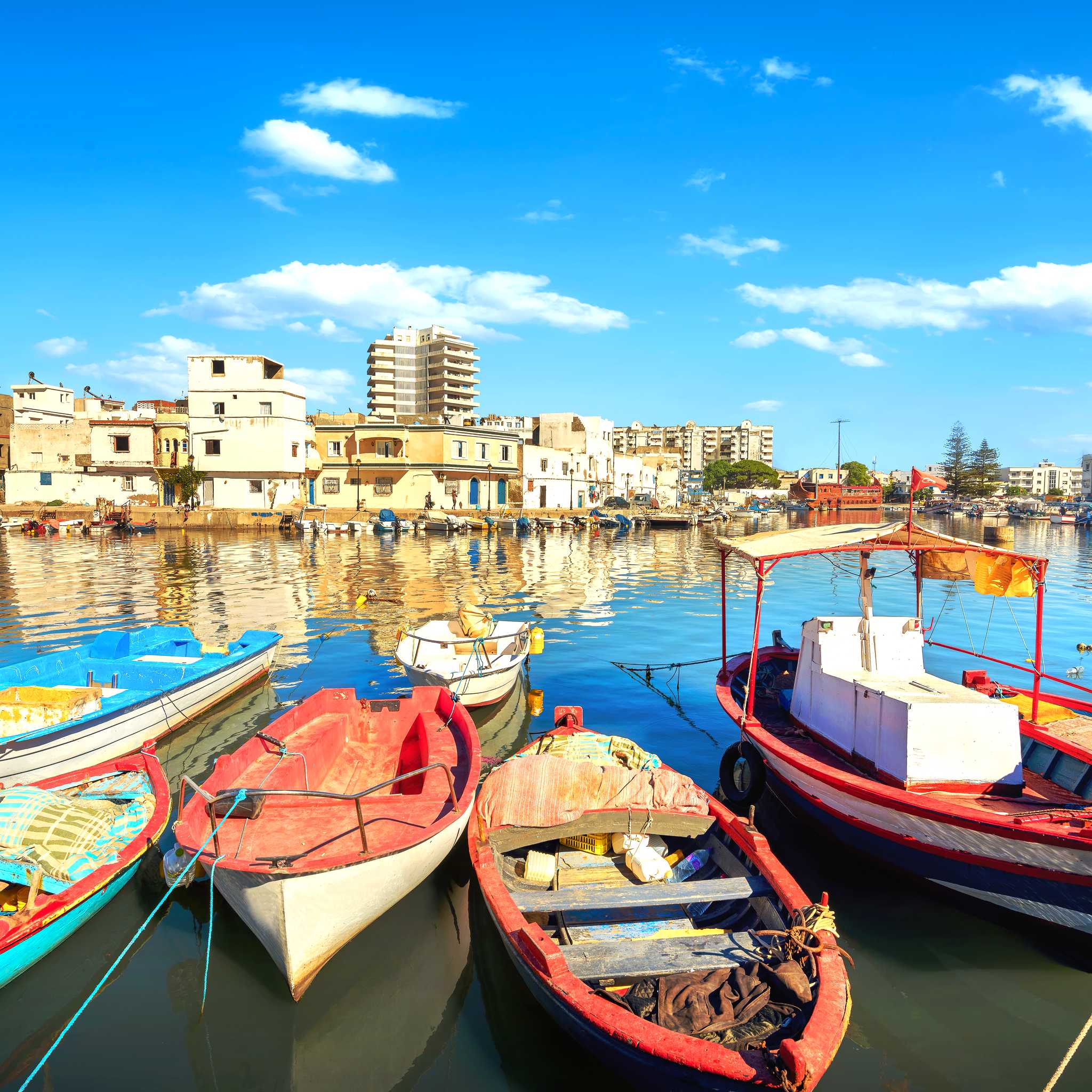
Bizerte holds a genuinely rare distinction: it is the northernmost city in Africa, perched on the Mediterranean at the continent's closest point to Europe. But the geography is only part of the draw. The old port — a horseshoe of fishing boats, waterfront cafes, and low-rise buildings in faded ochre and blue — is among the most photogenic in Tunisia, and the surrounding medina and Kasbah fortifications give the town a layered history that stretches from Phoenician settlement through Arab conquest, Ottoman rule, Andalusian exile, and French colonialism. It is a destination that feels lived-in rather than preserved for tourism, which makes the time you spend there noticeably different from a polished resort.