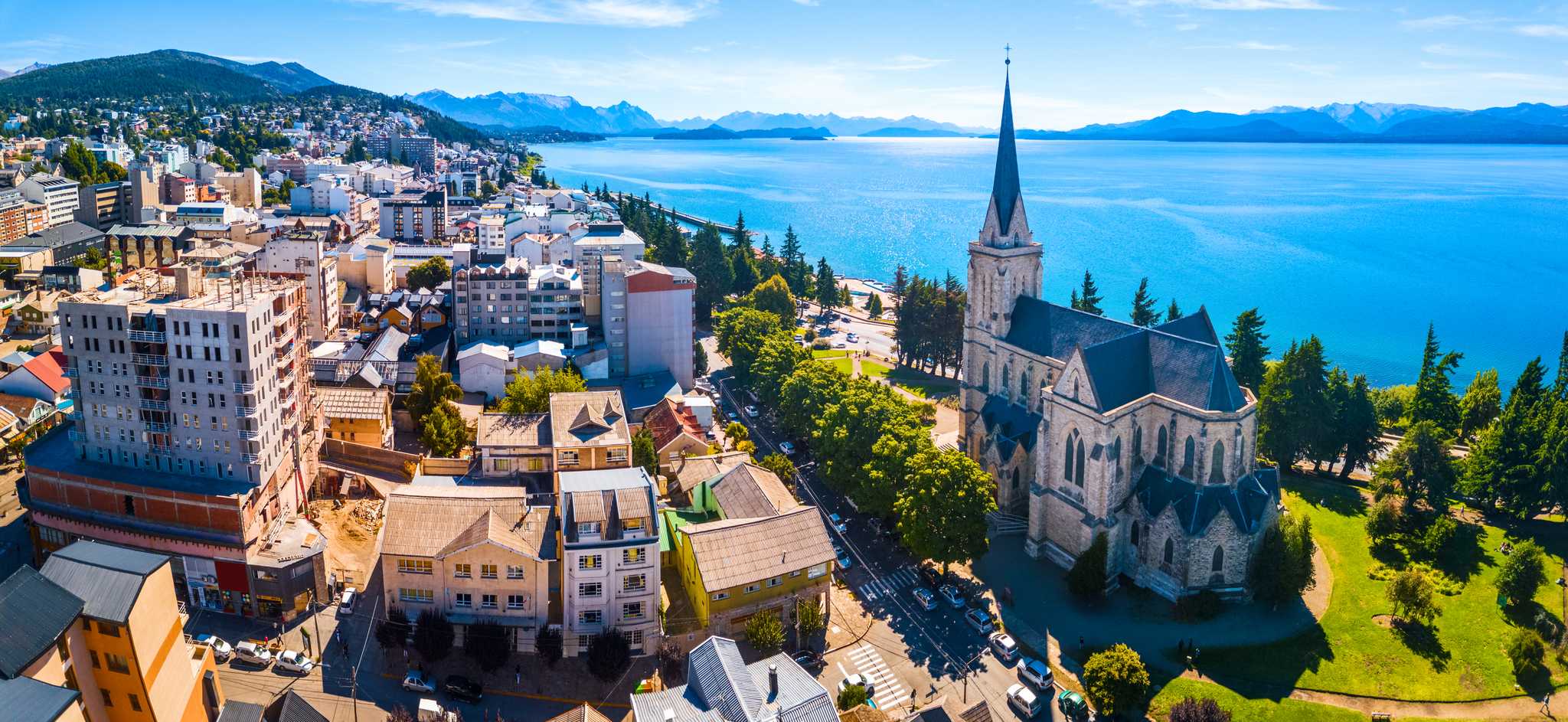
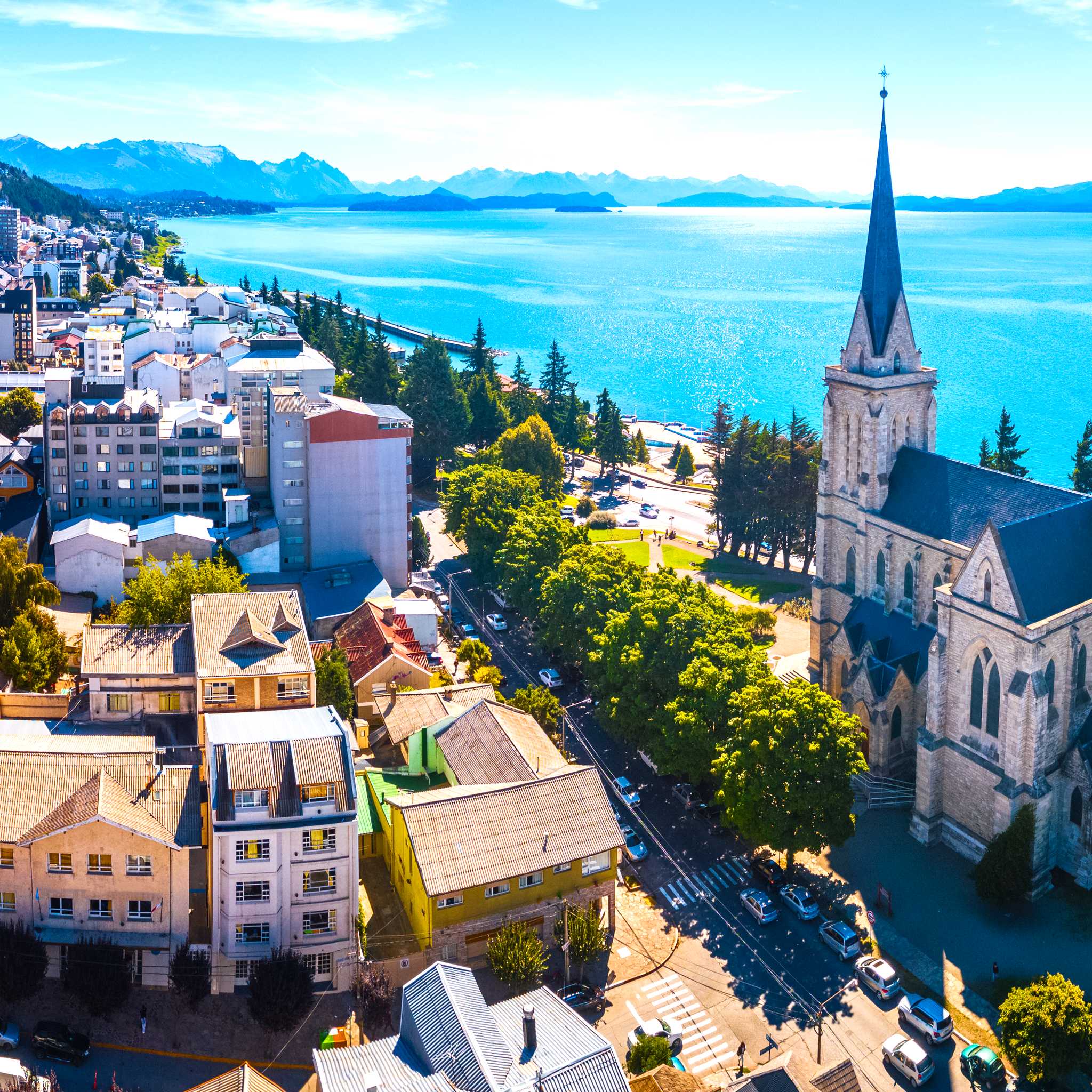
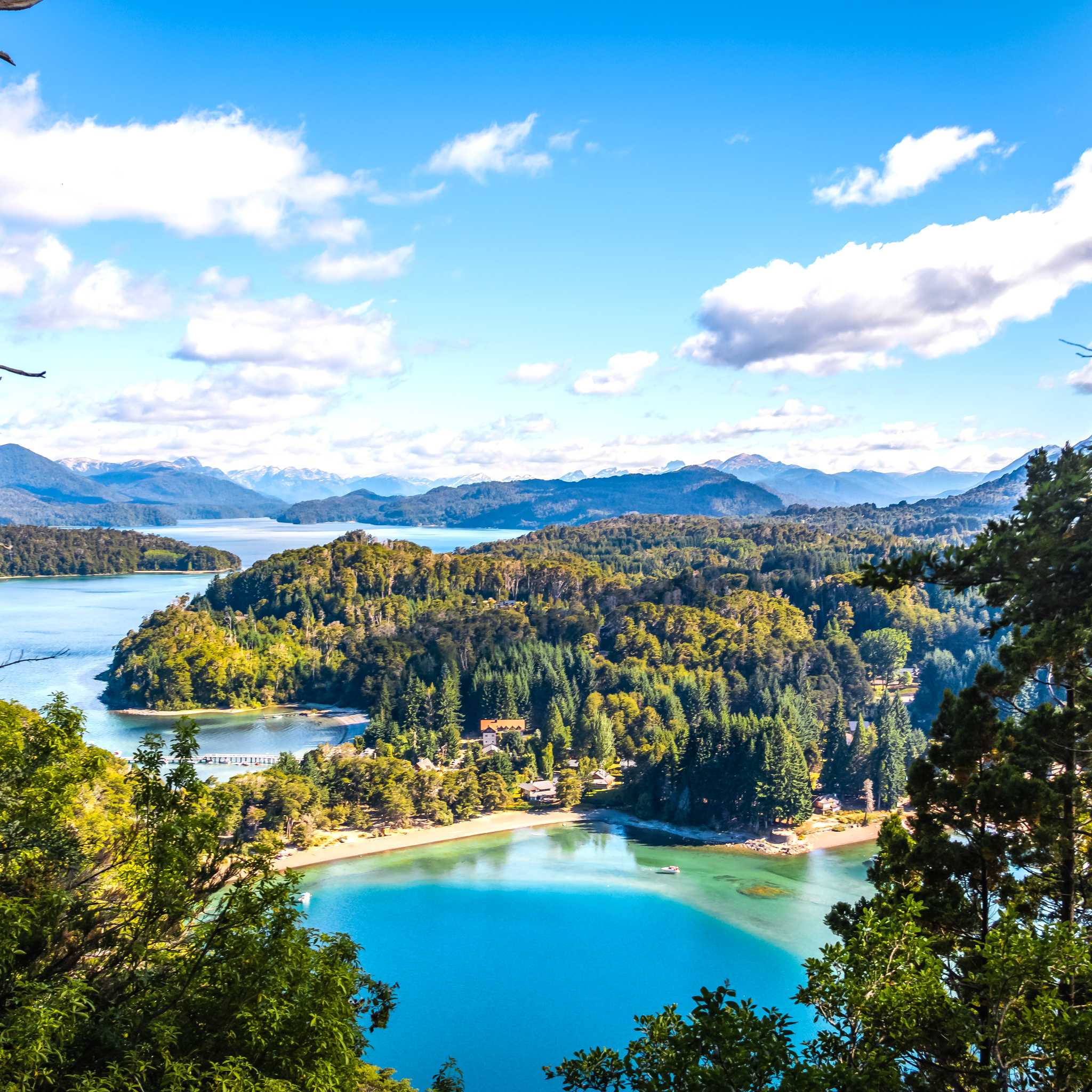
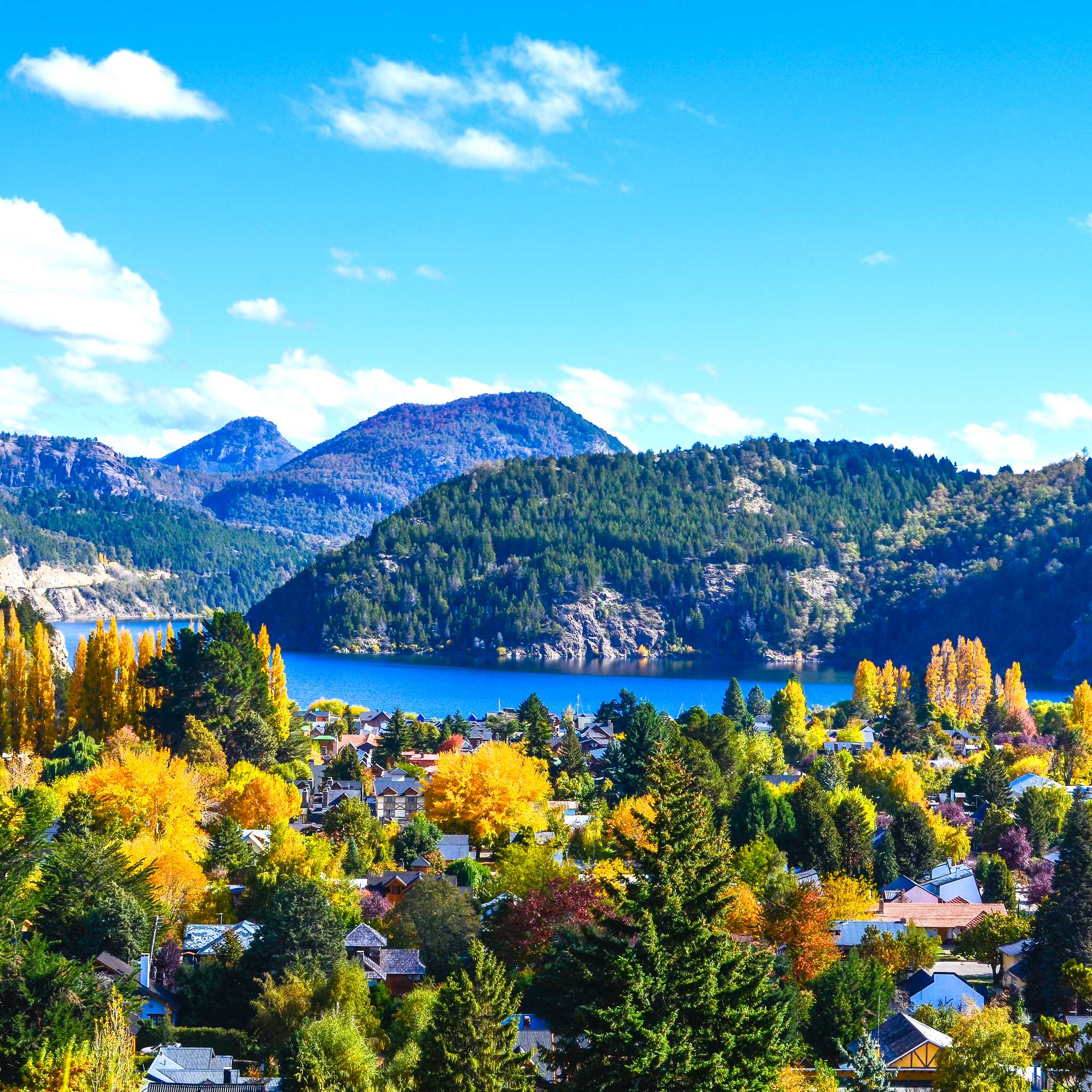
Bariloche's city center has paved sidewalks and is reasonably navigable for strollers and wheelchairs, though some streets are uneven. Most resort areas and lakeside promenades are accessible. However, the national park trails, ski areas, and many outdoor excursions involve rough or steep terrain and are generally not suitable for wheelchair users or young children in strollers.
Bariloche is generally considered safe for visitors. Crime against travelers is uncommon, and the city has a relaxed, outdoor-focused atmosphere. As in any destination, take standard precautions with valuables, especially in crowded areas. The main safety consideration for outdoor activities is weather: mountain conditions can change rapidly, so always check forecasts before heading into the backcountry.
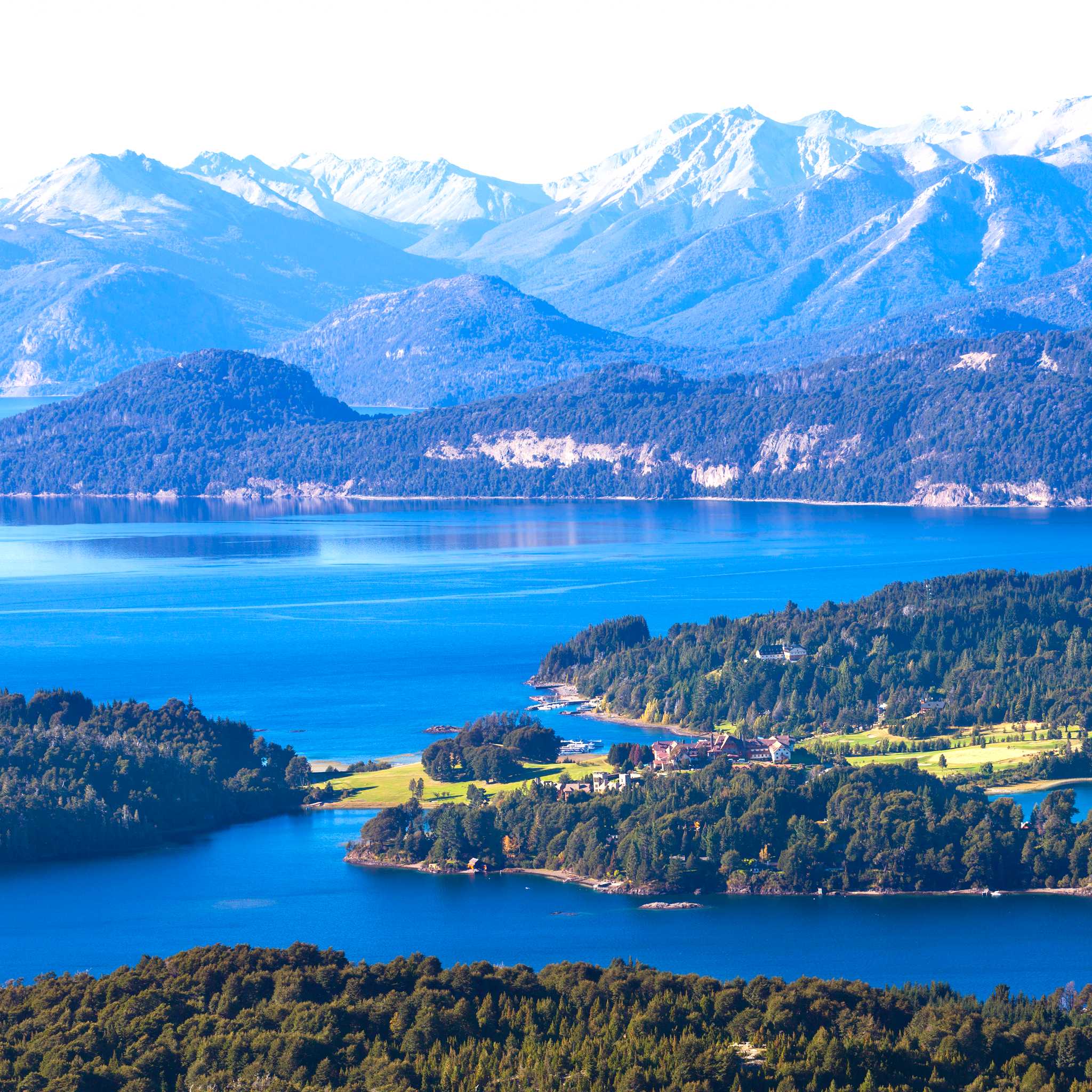
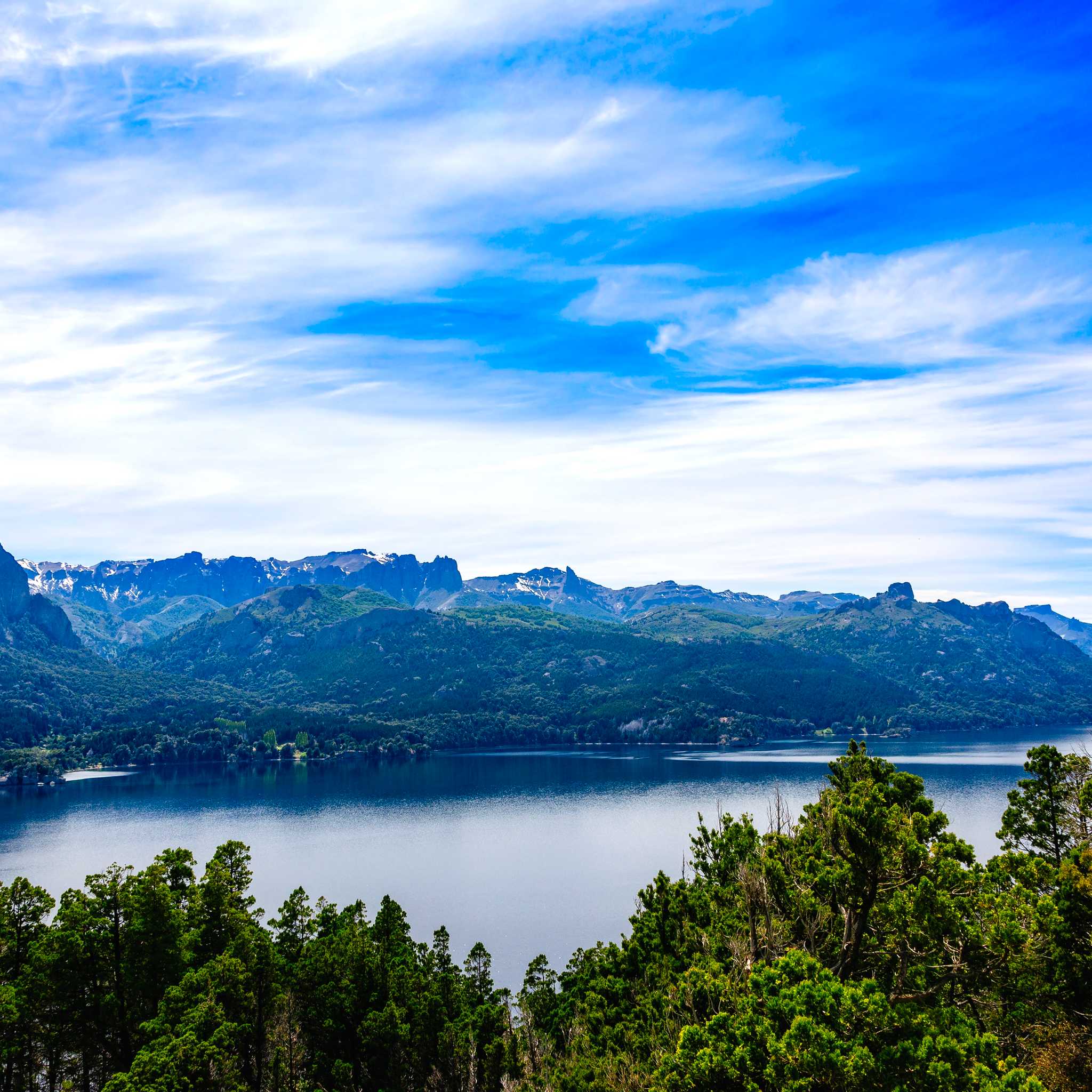
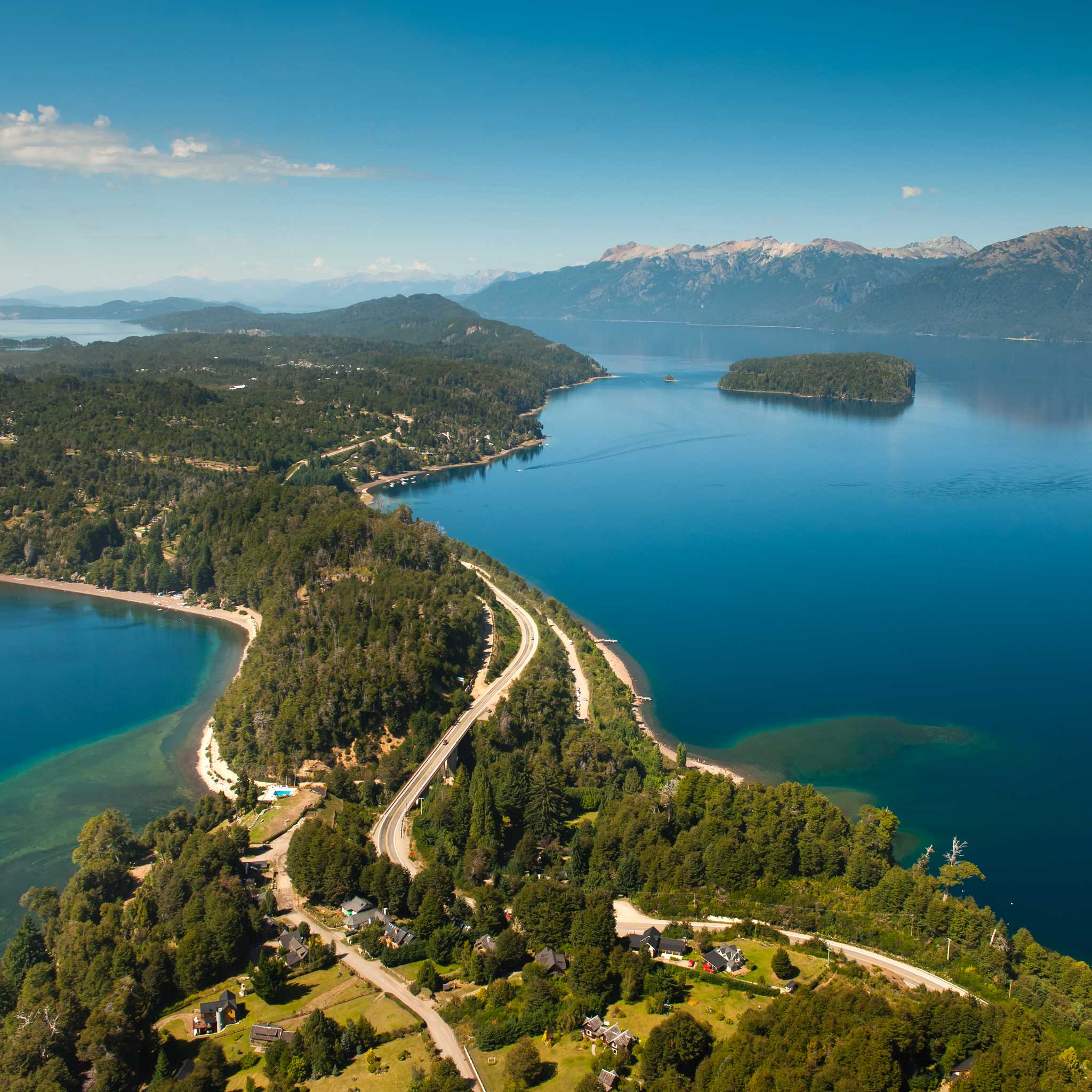
Top experiences include hiking and boat trips in Nahuel Huapi National Park, skiing at Cerro Catedral, taking the cable car up Cerro Otto, and driving the scenic Seven Lakes Road. Don't miss Bariloche's famous chocolate shops and local craft breweries. A day trip to the trekking village of El Bolson or to Pampa Linda is also highly recommended.
Tipping is customary in Argentina, though not legally required. In restaurants, leaving around 10% of the bill in cash is standard practice, as card terminals rarely include a tip function. Tips are best left in Argentine pesos. Hotel porters, housekeeping staff, and drivers also appreciate small cash tips. Tipping your server directly ensures the gratuity reaches them.
Argentina's official currency is the Argentine peso (ARS). The currency has experienced significant inflation in recent years, so exchange rates fluctuate. U.S. dollars are useful to bring as a backup and are accepted in some tourist areas. Always carry cash for tips, park entrance fees, and smaller purchases, as cards are not accepted everywhere in Patagonia.
Spanish is the official language of Argentina. In Bariloche, which welcomes many international visitors, English is fairly common in hotels, adventure tour offices, and larger restaurants. That said, learning a few Spanish phrases will greatly enhance your experience, especially when exploring beyond the main tourist areas or shopping at local markets.
Bariloche is known for its lamb dishes, Patagonian trout, wild boar, and venison, often served with regional herbs and local produce. The city is Argentina's craft beer capital, with numerous breweries worth visiting. Artisanal chocolate is a local specialty. Finish any meal with dulce de leche, a caramel spread that is practically a national institution in Argentina.
Bariloche is a year-round destination with two distinct peak seasons. Summer (December through February) is ideal for hiking, kayaking, and exploring the lakes, with mild and pleasant weather. Winter (June through August) brings heavy snowfall and is peak ski season at Cerro Catedral, one of South America's largest ski resorts. Spring and autumn offer quieter, more affordable visits.