Most visitors require a visa to enter Azerbaijan. The most convenient option is the e-visa, available through the official government portal at evisa.gov.az. Processing is relatively quick, but it is recommended to apply several days before travel. Passport validity requirements and entry conditions vary by nationality, so always check with your local Azerbaijani embassy before booking.
Tipping is not mandatory but is appreciated. Many restaurants automatically include a 10% service charge, so check your bill before tipping. For good service in a restaurant or bar, leaving around 10% is customary. Tipping drivers and hotel staff is a kind gesture and is welcomed.
Baku is generally considered safe for visitors, with a visible police presence and low rates of violent crime. Petty theft can occur in crowded areas, so standard precautions apply. Avoid unlicensed taxis and use reputable ride-hailing apps instead. Drink only bottled water, as tap water is not recommended throughout Azerbaijan.
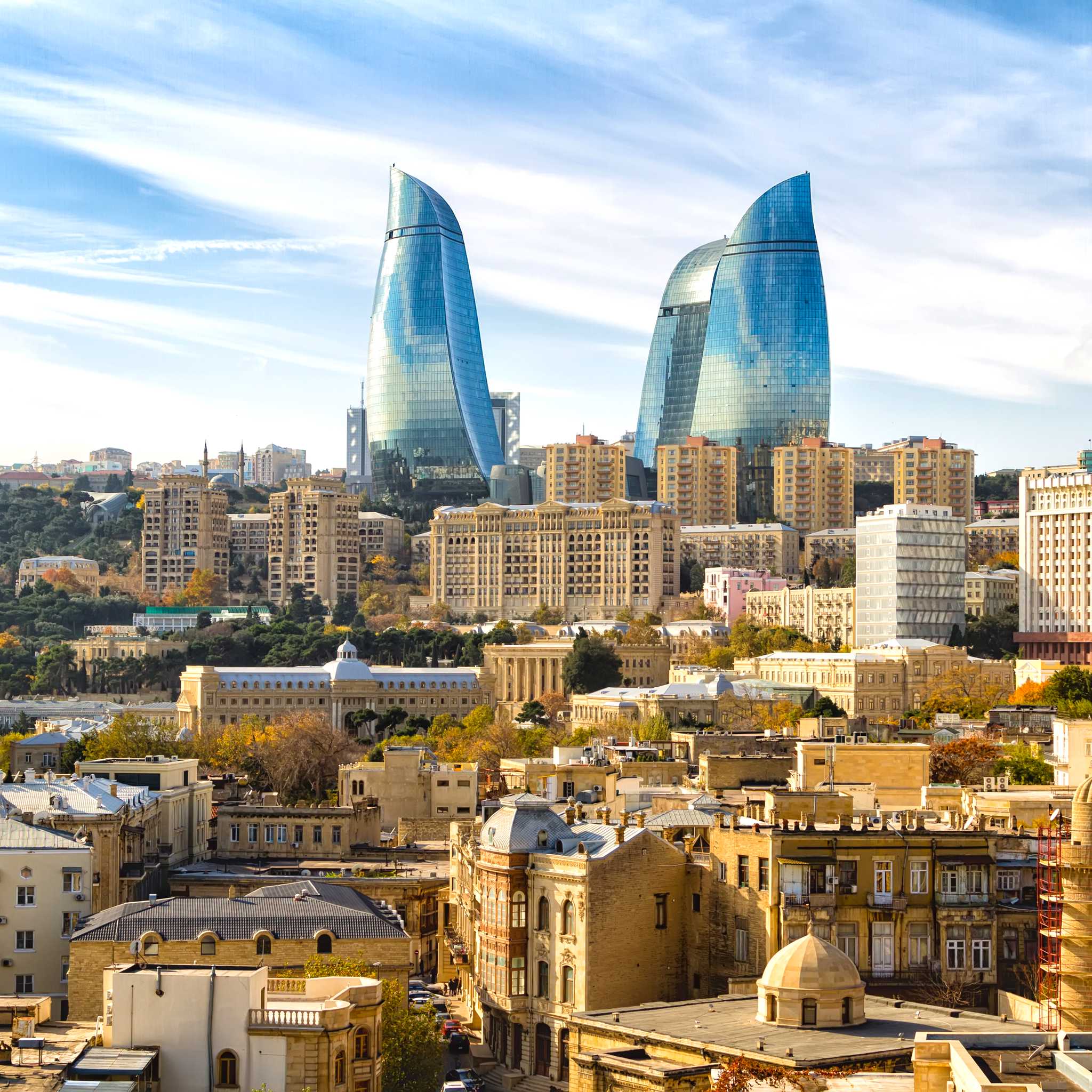
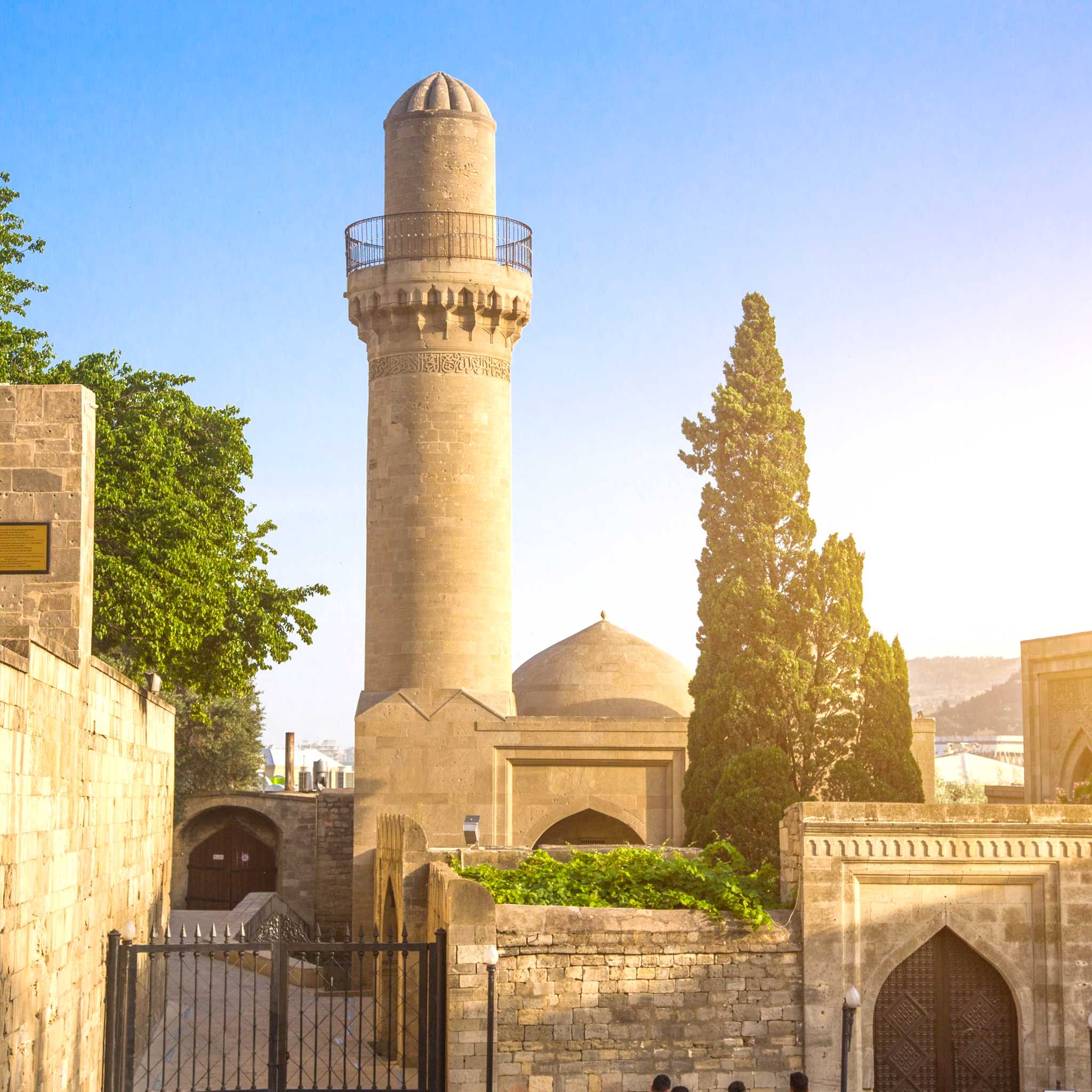
The Old City (Icherisheher), a UNESCO World Heritage Site, is home to the iconic Maiden Tower and Palace of the Shirvanshahs. Gobustan National Park, a short drive from Baku, features ancient rock carvings and active mud volcanoes. The Flame Towers illuminate the skyline at night, and the Caspian Sea promenade is perfect for an evening stroll.
The official currency is the Azerbaijani manat (AZN). Azerbaijan is largely a cash-based economy, so it is important to carry local currency, especially outside Baku. In the capital, credit cards are accepted at most hotels, larger restaurants and shops. ATMs are widely available in Baku; banks and authorised exchange offices offer the best rates.
Azerbaijani is the official language, and Russian is also widely spoken. In Baku, English is increasingly common, especially in hotels, restaurants and among younger locals. Outside the capital, English proficiency is more limited, so having a translation app or a few basic Azerbaijani phrases can be very helpful.
Azerbaijani cuisine is rich and flavorful. Plov (saffron rice pilaf) is a national staple, often served with lamb or dried fruits. Dolma (stuffed grape leaves or vegetables), kebabs and Azerbaijani bread are equally popular. Pomegranate features heavily in sauces and salads. Tea culture is central to daily life; black tea served in pear-shaped glasses is a social tradition.
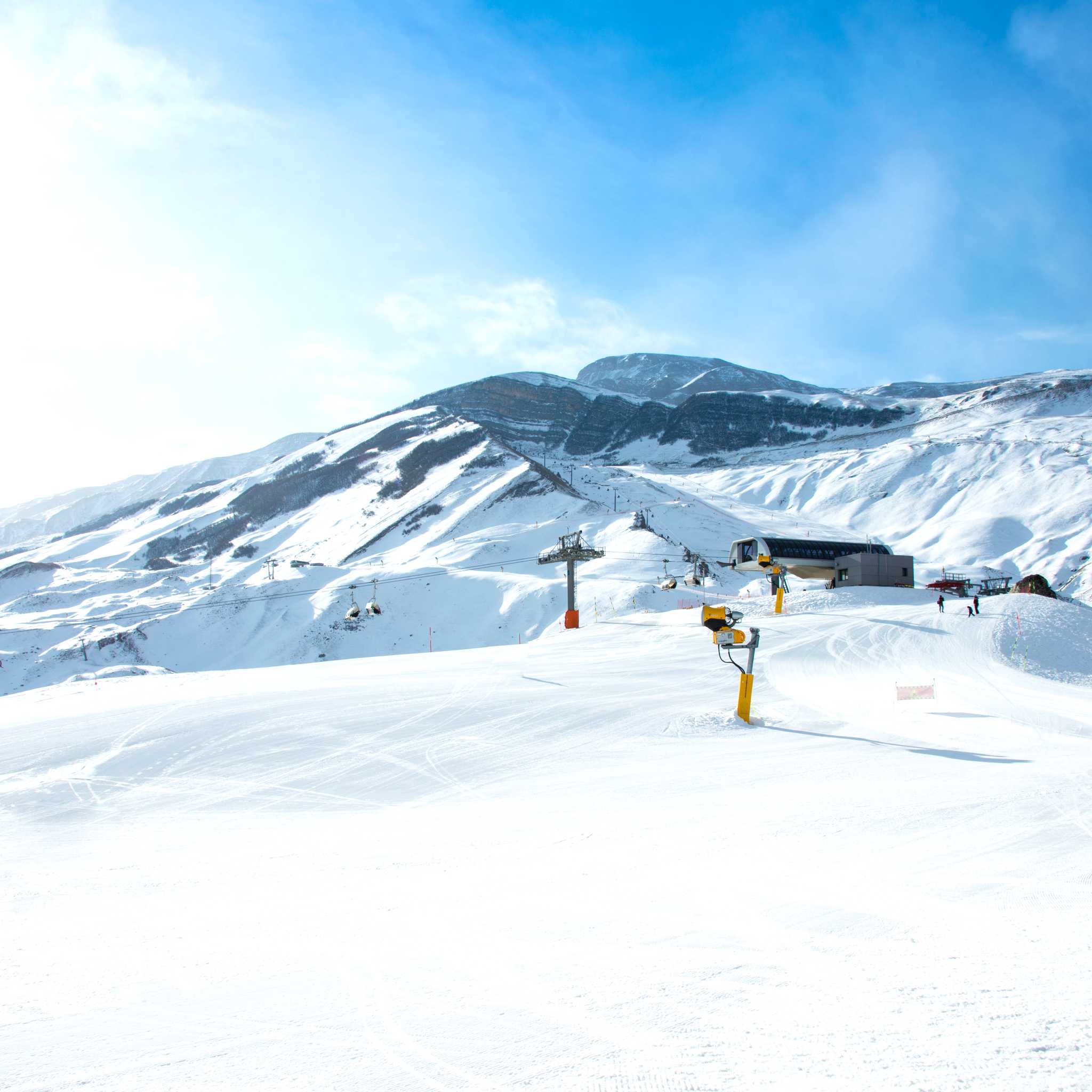
Spring (April to June) and autumn (September to October) are the most pleasant times to visit, with mild temperatures, beautiful landscapes and fewer crowds. Summer can be very hot, particularly in July and August, while winters are cold and windy. If outdoor excursions beyond Baku are planned, spring and autumn offer the best conditions.