Yes, the famous Pont Saint-Benezet (Pont d'Avignon) is accessible with admission tickets. The 12th-century bridge originally spanned the Rhone River but now extends only partially, with just four of the original 22 arches remaining. The UNESCO site includes a small chapel and interpretive center explaining the bridge's history. The structure inspired the famous French children's song "Sur le Pont d'Avignon," making it one of France's most recognized landmarks.
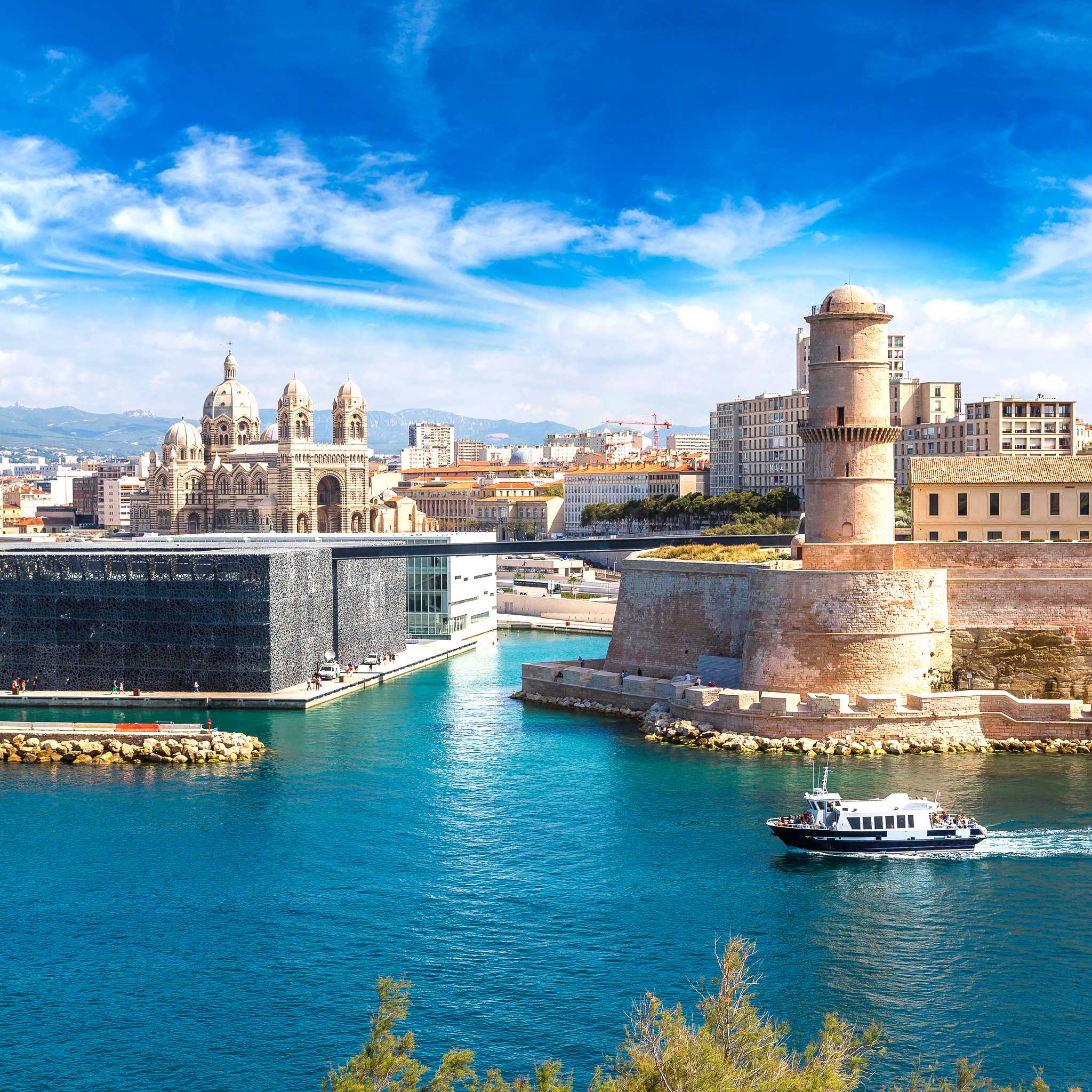
Avignon sits approximately 100 kilometers (62 miles) north of Marseille in Provence. The journey takes about 1-1.5 hours by car via the A7 autoroute through Provencal countryside. High-speed TGV trains also connect both cities in just 35 minutes. Many travelers combine visits experiencing Marseille's Mediterranean port culture alongside Avignon's papal history and position as a base for exploring Provence's villages, vineyards, and markets.
Exceptional villages surround Avignon including Gordes (perched hilltop village, 45 minutes), Isle-sur-la-Sorgue (antique markets and canals, 30 minutes), Roussillon (red ochre cliffs, 50 minutes), Les Baux-de-Provence (medieval fortress, 45 minutes), and Lourmarin (charming streets, 1 hour). The Luberon region offers quintessential Provence with lavender fields, stone villages, vineyards, and weekly markets creating perfect day trip opportunities from Avignon's central location.
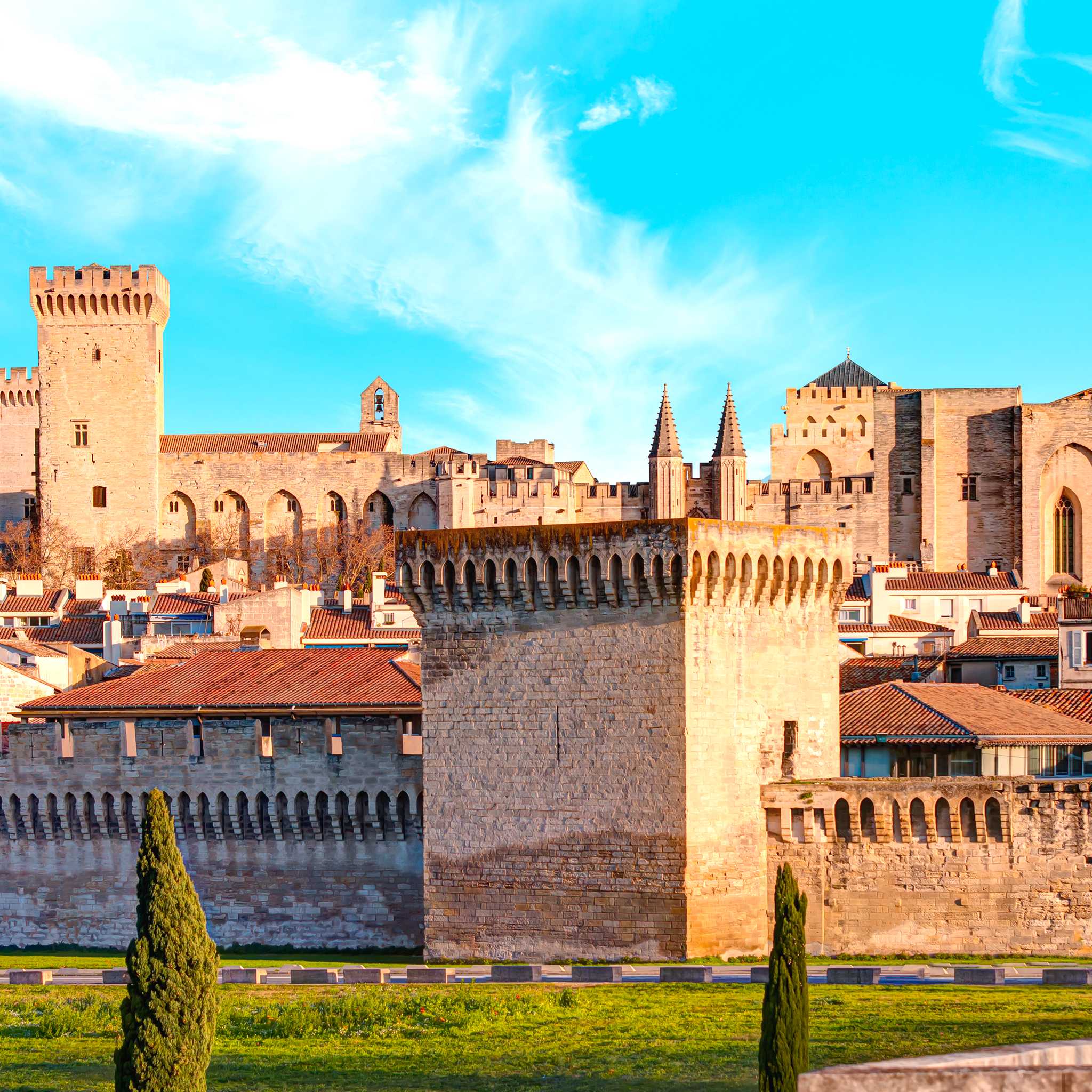
Avignon is renowned as the City of Popes, where seven popes resided during the 14th century. The massive Palais des Papes (Papal Palace) dominates the skyline as one of Europe's largest Gothic structures. The famous Pont d'Avignon bridge extends partially across the Rhone River. UNESCO recognizes Avignon's historic center, medieval ramparts, and position as gateway to Provence's lavender fields, vineyards, and Roman ruins.
Provencal cuisine emphasizes fresh vegetables, olive oil, herbs (especially lavender and thyme), and Mediterranean flavors. Avignon specialties include ratatouille, bouillabaisse (fish stew), tapenade (olive spread), aioli (garlic mayonnaise), and papalines d'Avignon (liqueur chocolates). Local markets overflow with produce, cheeses, and regional products. Cotes du Rhone wines from surrounding vineyards complement meals. The cuisine reflects southern French sun-drenched agriculture and culinary traditions celebrating simple, quality ingredients.
The Festival d'Avignon, founded in 1947, is one of the world's most important theater festivals, running throughout July. The official festival presents avant-garde performances in historic venues including the Papal Palace courtyard. The concurrent Fringe Festival (Festival Off) offers hundreds of shows in smaller venues. The entire city transforms into a stage with street performers, exhibitions, and artistic energy attracting theater enthusiasts globally.
The Palais des Papes is a massive 14th-century Gothic palace complex that served as papal residence when the Catholic Church relocated from Rome to Avignon (1309-1377). This UNESCO World Heritage site features grand halls, chapels with frescoes, defense towers, and stunning architecture reflecting papal power. Audio guides explain the palace's history through 25 rooms. The rooftop terrace offers panoramic views across Avignon and the Rhone Valley.
Spring (April-June) and fall (September-October) provide pleasant weather for sightseeing without extreme summer heat or festival crowds. July brings the famous theater festival creating vibrant atmosphere but maximum visitors and prices. Summer offers long daylight for exploring Provence but temperatures can exceed 35 degrees Celsius. Winter remains mild with fewer tourists, though some attractions have reduced hours and lavender fields are bare.