From roughly September to March, it's possible to arrange an excursion from Ancud to the Pingüineras de Puñihuil penguin colony nearby. Conditions depend on weather, tides, and season, so sightings aren't guaranteed and the excursion isn't available year-round. If it's on your list, build in extra time beyond a standard Ancud stop.
Ancud sits on Isla Grande de Chiloé, reached via a ferry crossing at Chacao roughly 30 km (19 miles) from town on the Pargua side. From Puerto Montt, the trip covers roughly 110-115 km (68-71 miles) including the crossing, though ferry wait times vary and can add to the total journey. A private transfer means one vehicle and driver take you door to door, including the ferry crossing, rather than juggling separate buses on each side of the water.
Two to three hours covers Fort San Antonio, the Churches of Chiloé Museum, and a walk through the Feria Rural y Artesanal market. If you're adding the Puñihuil penguin excursion, plan to extend your stop to at least 4 hours total, since the colony sits a bit outside town.
Yes. Castro sits roughly 90 km (56 miles) south of Ancud, making it a natural next stop for travelers continuing deeper into Chiloé's church trail. Since Ancud previews the island's wooden-church architecture at its museum, seeing it first adds useful context before visiting the churches in person further south. A private transfer lets you build Ancud into a longer Chiloé itinerary without fixed bus schedules dictating your pace.
Fort San Antonio's well-preserved battery gives wide views over the bay and a look at Ancud's colonial defenses. The Churches of Chiloé Museum uses cutaway models to explain how the island's UNESCO-listed wooden churches were built with nailless construction. For handicrafts or a seafood lunch, the Feria Rural y Artesanal market is worth a wander.
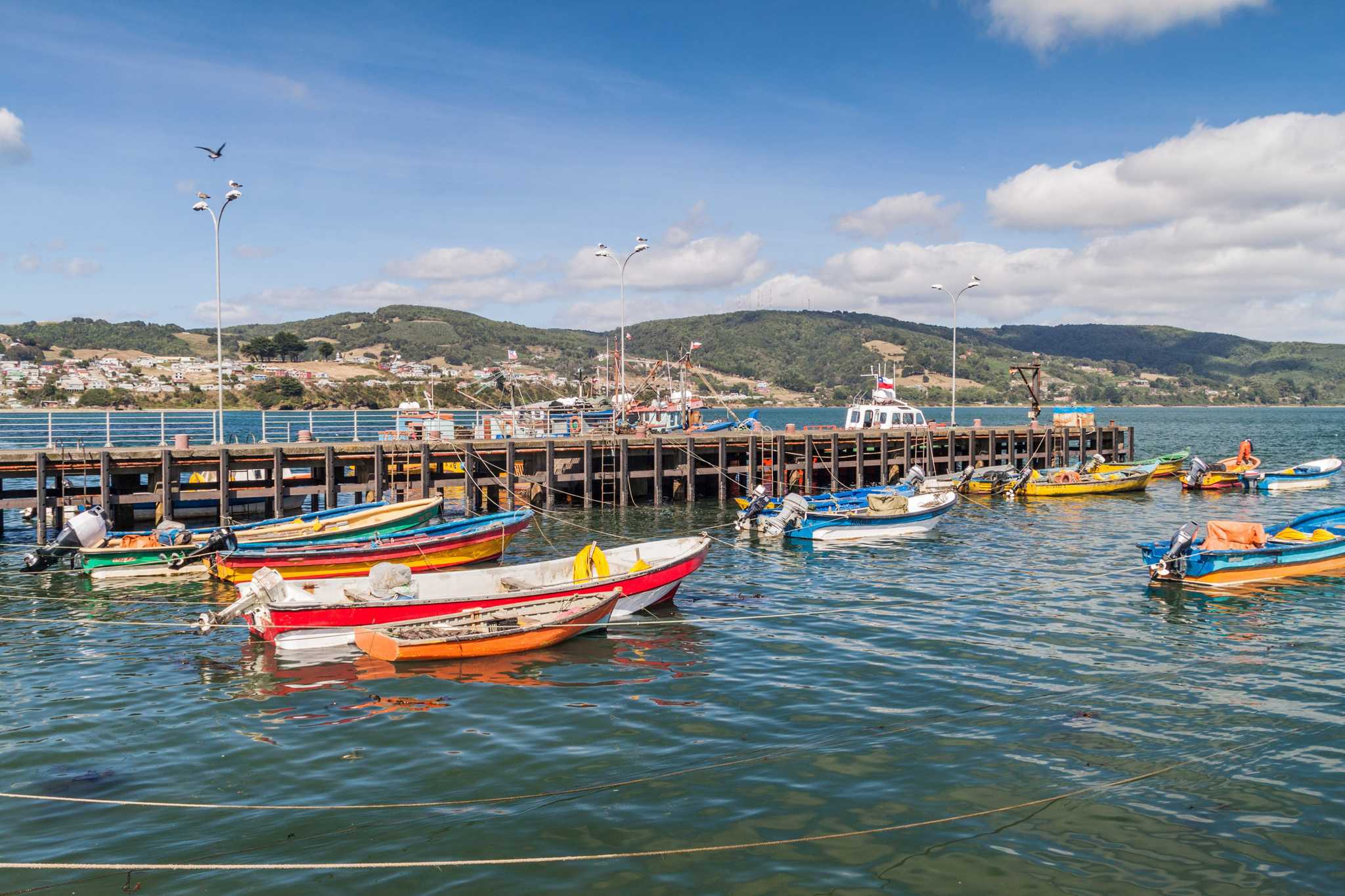
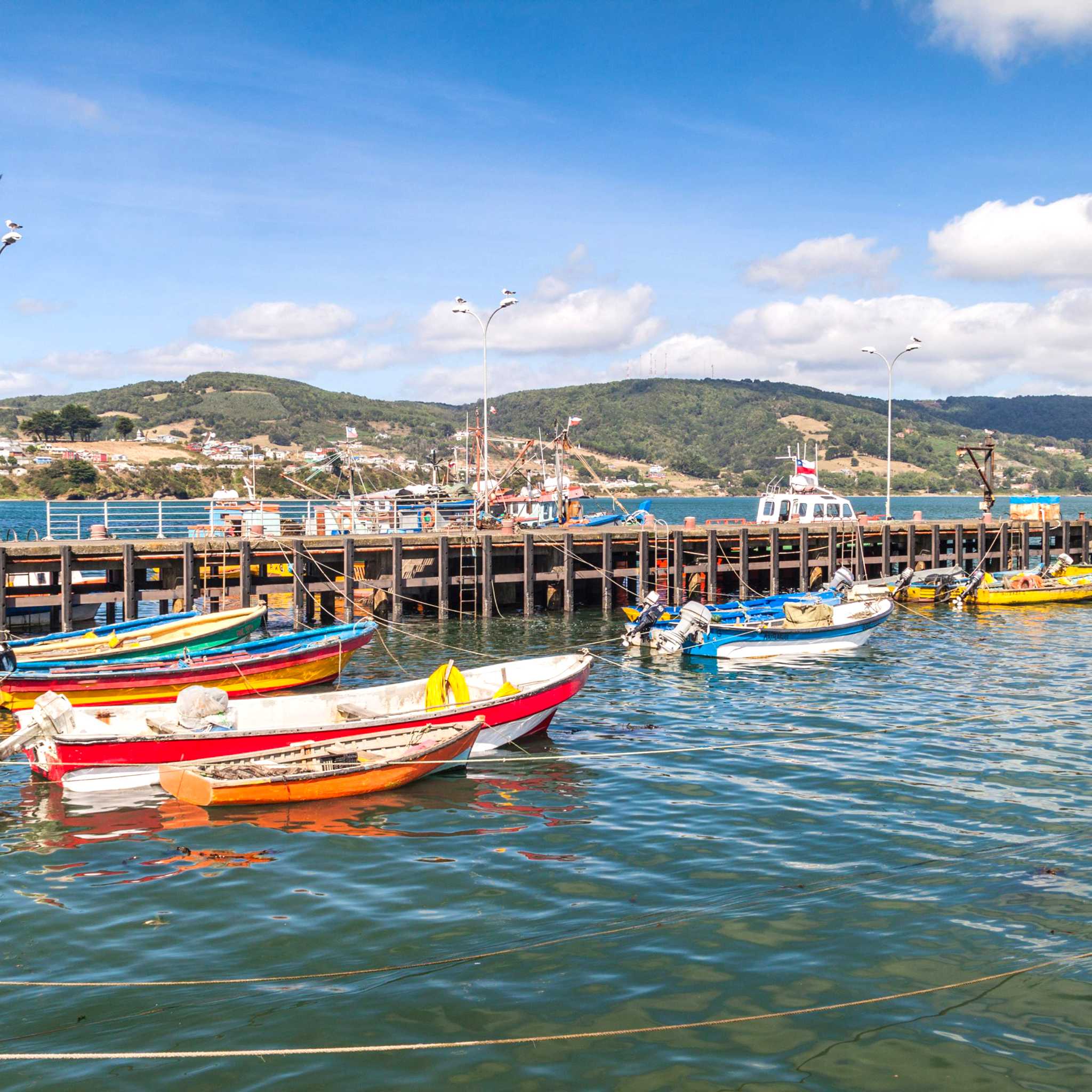
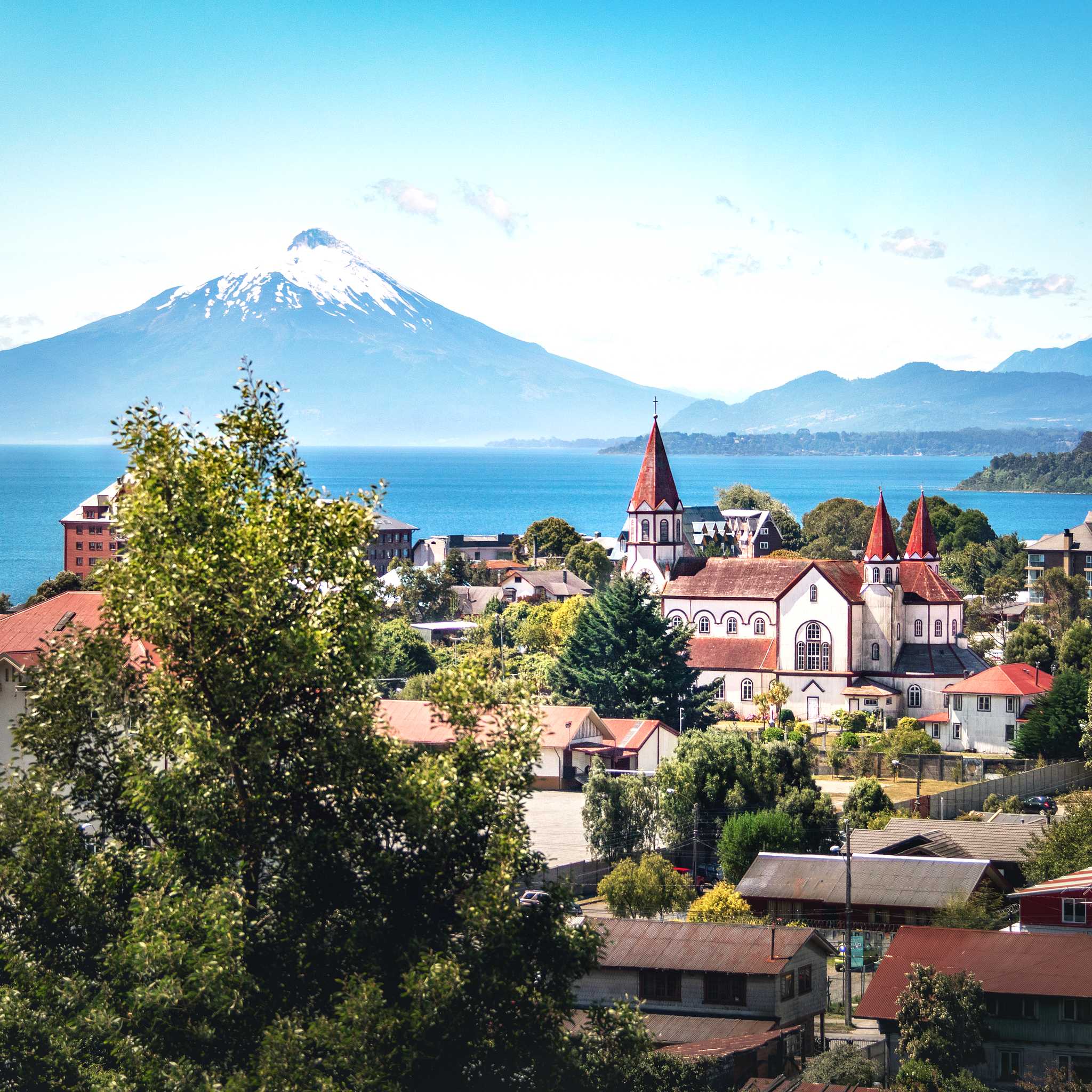
Ancud pairs colonial military history with an authentic fishing-port atmosphere, all within easy reach of Chiloé's UNESCO-listed church trail. Founded in 1778 as a Spanish city-fort, it went on to become the last Spanish stronghold in the Americas, holding out until 1826. That layered past shows up at Fort San Antonio's coastal battery and in the compact Churches of Chiloé Museum, giving you useful context before you see the wooden churches scattered across the island.