Jebel Hafeet is Al Ain's natural landmark — a 1,240-metre peak that rises sharply from the desert floor just outside the city, with a switchback road running to the summit. On a clear day the views across the UAE and into Oman are exceptional. The drive up is itself an attraction. Pairing it with the oasis and the fort makes for a full and varied day that moves between ancient cultural history and dramatic natural scenery. A private transfer is particularly well-suited to this combination, since it lets you pace the day on your own terms and reach the summit viewpoint without arranging separate transport.
Al Ain is approximately 160 km (99 miles) from Abu Dhabi and around 155 km (96 miles) from Dubai. From Abu Dhabi the drive typically takes around 1.5 to 2 hours; from Dubai, expect roughly 1.5 to 2 hours depending on traffic conditions. The road from Abu Dhabi runs through open desert with views that shift dramatically as you approach the Hajar foothills — the journey itself is part of the experience.
A full day is the right allocation. Al Ain Oasis alone rewards an unhurried hour or two of wandering — it is the kind of place where you lose track of time in the best way. Add Al Jahili Fort (allow an hour for the photography exhibition), the camel souk (best in the morning when trading is active), and either Al Ain Zoo or Jebel Hafeet for the afternoon, and you have a complete day without needing to rush any single stop. Attempting a half-day visit means skipping the elements that make Al Ain genuinely memorable.
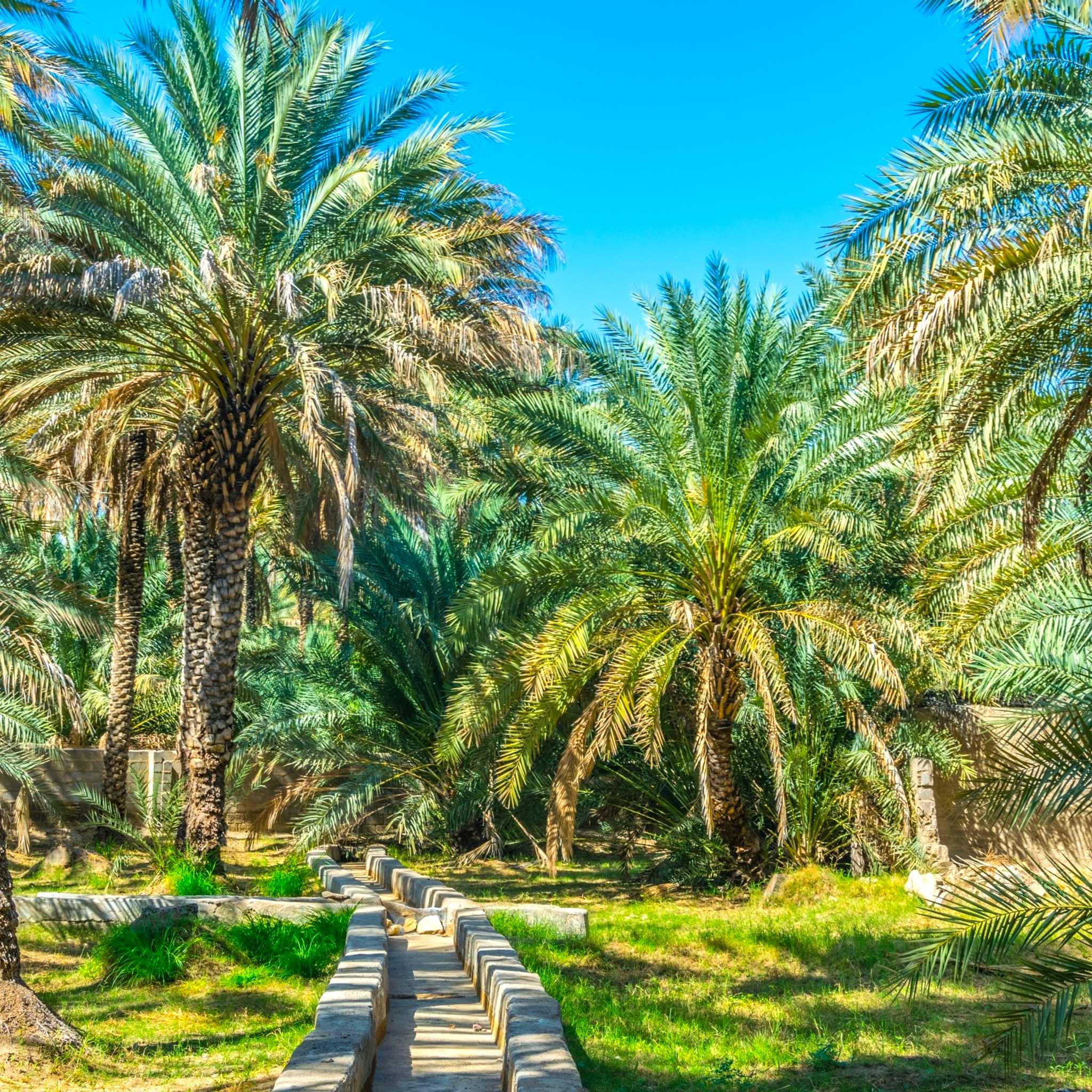
Start at Al Ain Oasis, the UNESCO World Heritage site at the heart of the city. The 1,200-hectare date-palm forest is criss-crossed by walking paths and fed by an ancient underground irrigation network — it is genuinely one of the most peaceful places in the UAE. Al Jahili Fort, built in the 19th century, is now a well-preserved museum whose standout exhibit is a remarkable photographic archive from the 1940s that documents the region before modernization. For something entirely unlike anywhere else in the country, the camel souk near the city's outskirts is the last of its kind in the UAE — you can watch livestock trading happen exactly as it has for generations. Al Ain Zoo is worth adding for families; it was founded by Sheikh Zayed specifically to protect endemic wildlife, giving it cultural weight beyond the animals themselves.
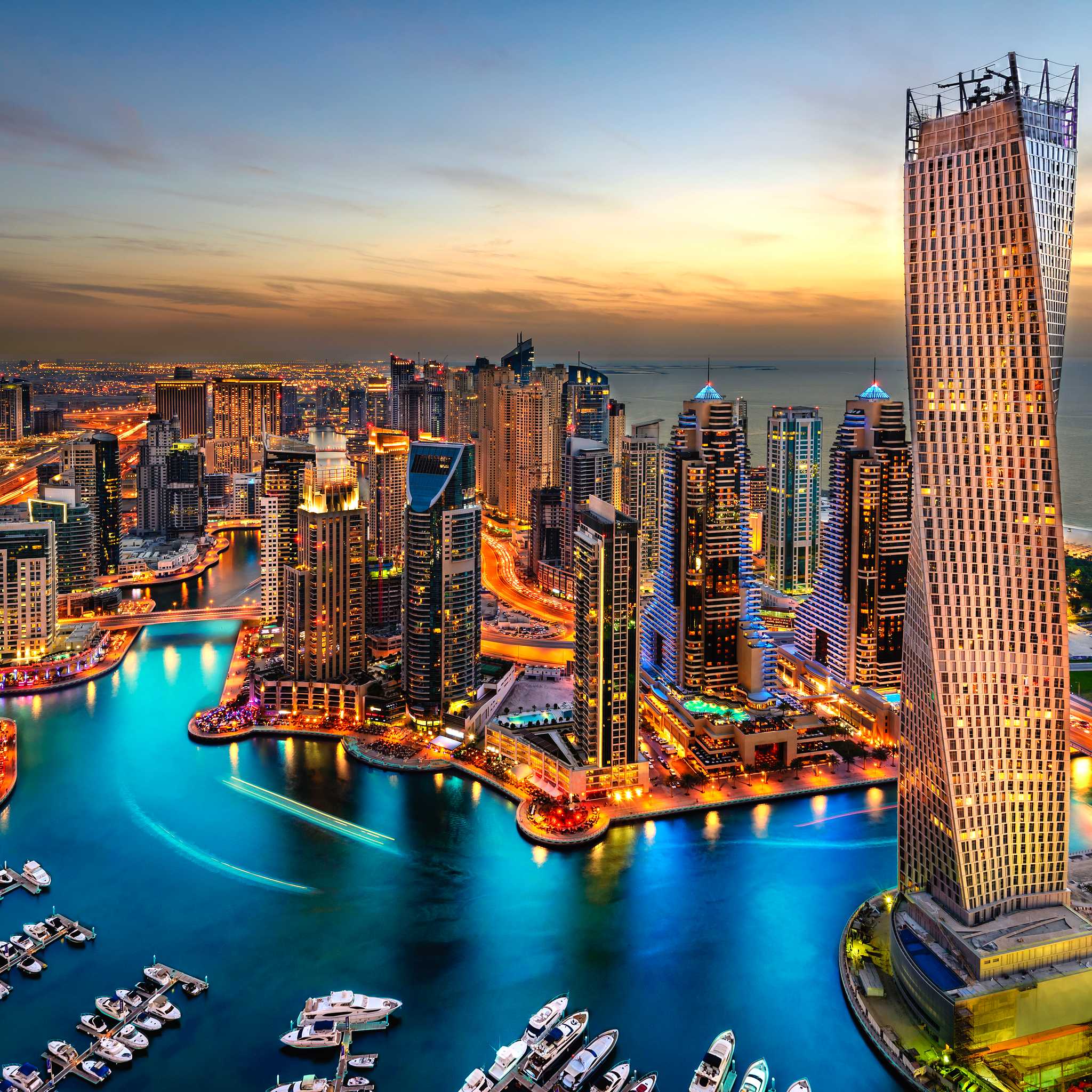
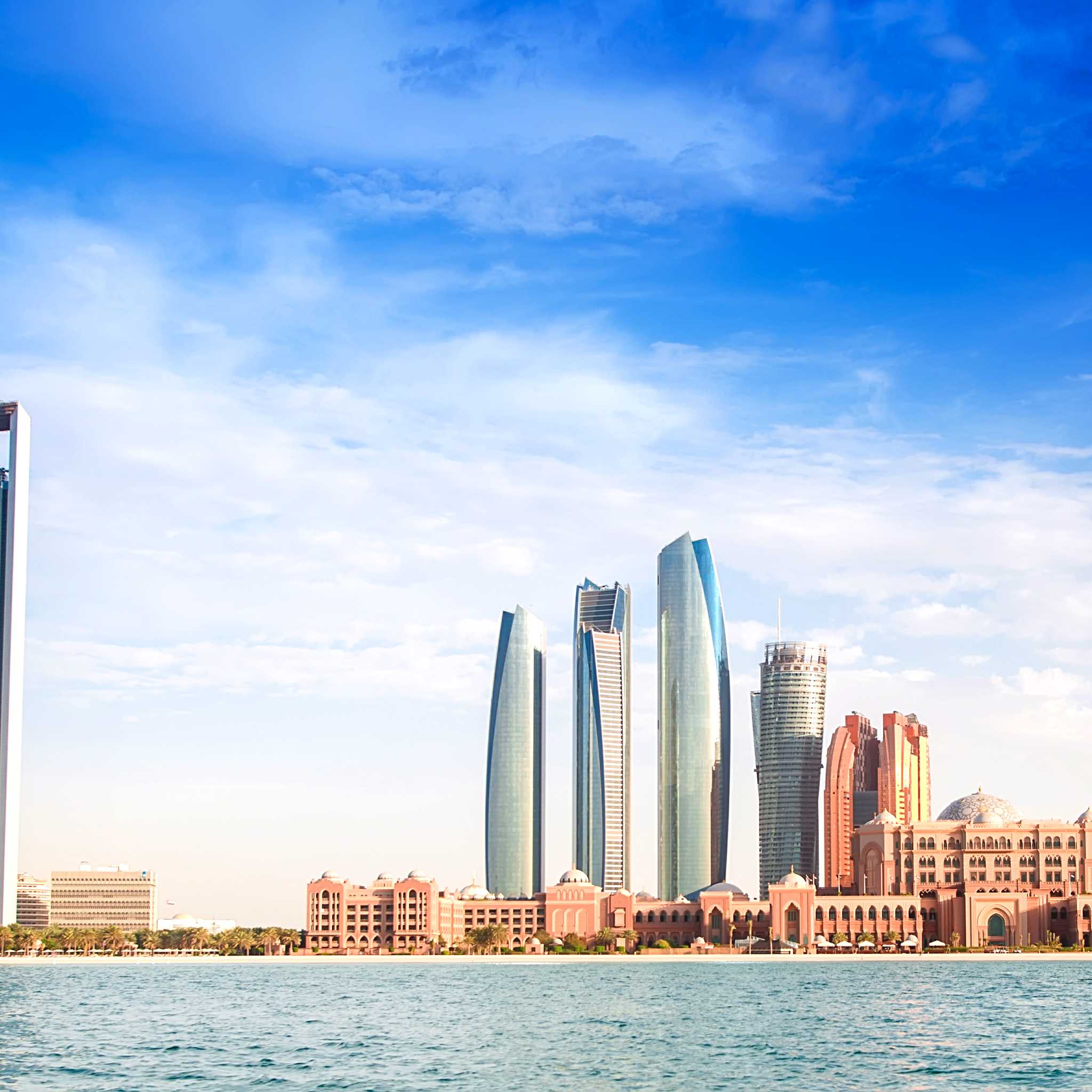
Al Ain is the UAE's only inland city, and it wears a completely different identity from Dubai or Abu Dhabi. There are no skyscraper canyons or beach clubs here — instead, you find one of the oldest continuously inhabited settlements on earth, a UNESCO World Heritage oasis still fed by 3,000-year-old falaj irrigation channels, and a landscape that sits on the edge of the Rub' al Khali, the world's largest continuous sand desert. It is the birthplace of Sheikh Zayed, the founding father of the UAE, and that heritage is visible everywhere. For travelers who want to understand what the Emirates were before the oil era, Al Ain is the place.