환승국가들Italy피렌체피렌체에서 베니스까지

피렌체에서 베니스까지 Private car transfer

270km
편도
€95부터 / 1 인당
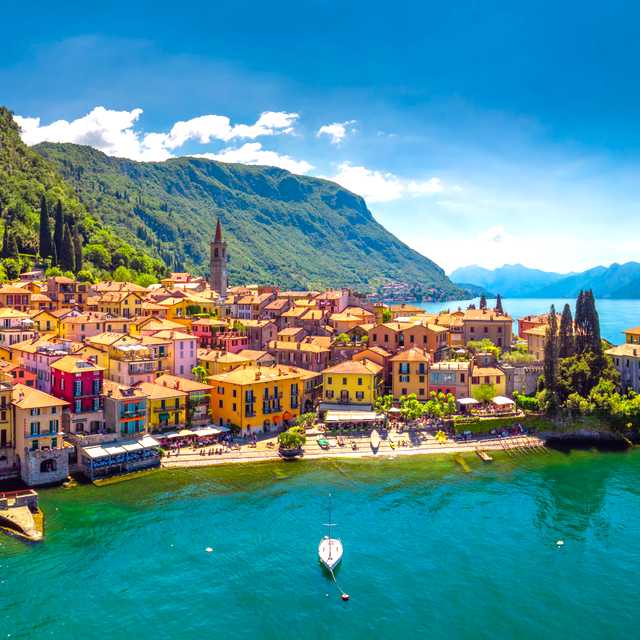
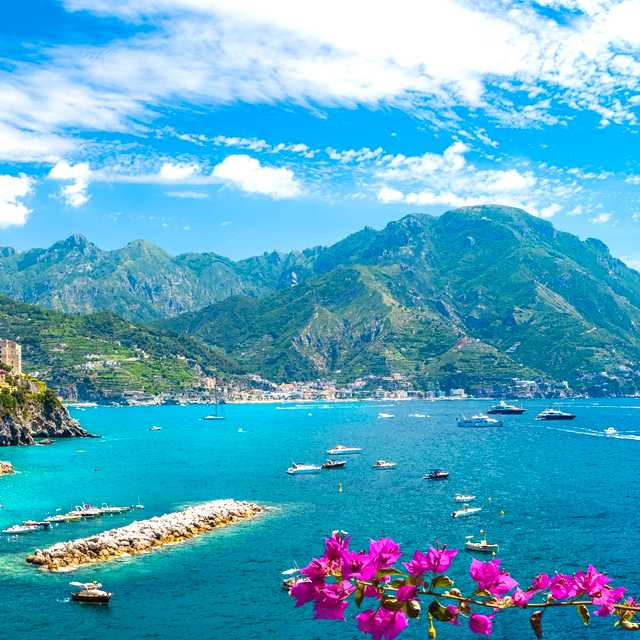
베니스 의 경치 - 피렌체 에서 출발하는 개인 day trip - 사진 1
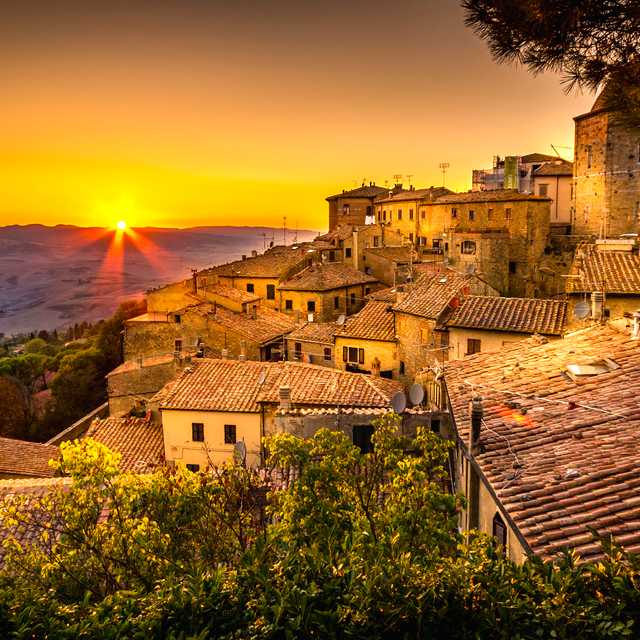
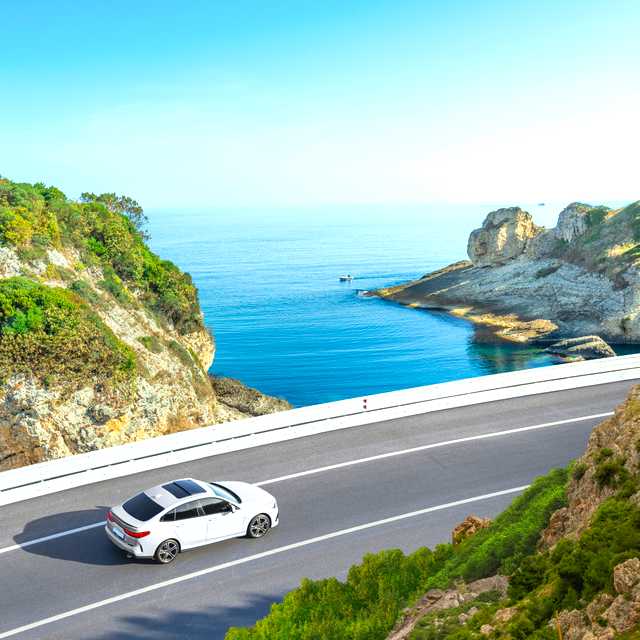
베니스 의 경치 - 피렌체 에서 출발하는 개인 day trip - 사진 2
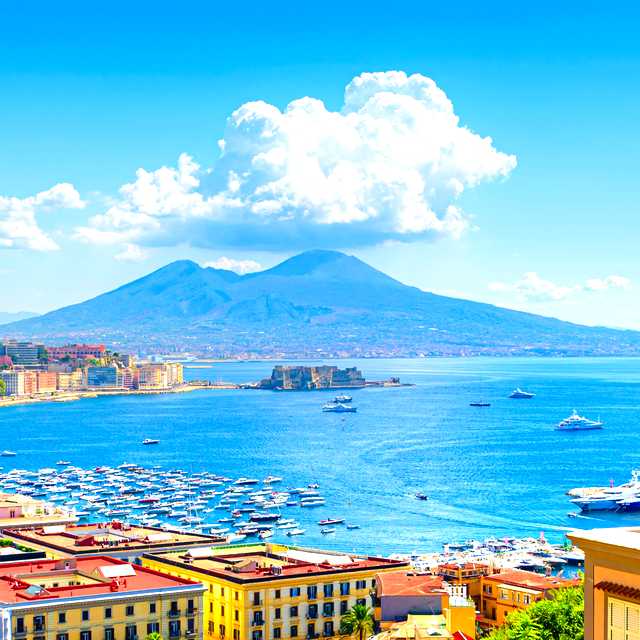
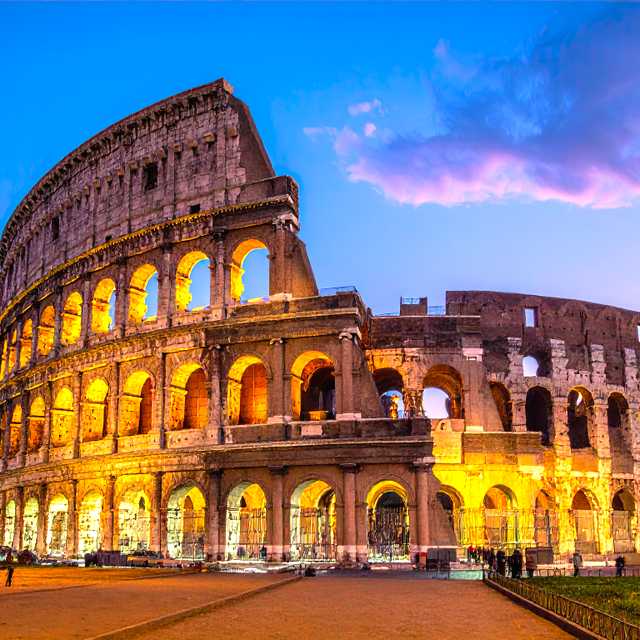
베니스 의 경치 - 피렌체 에서 출발하는 개인 day trip - 사진 3
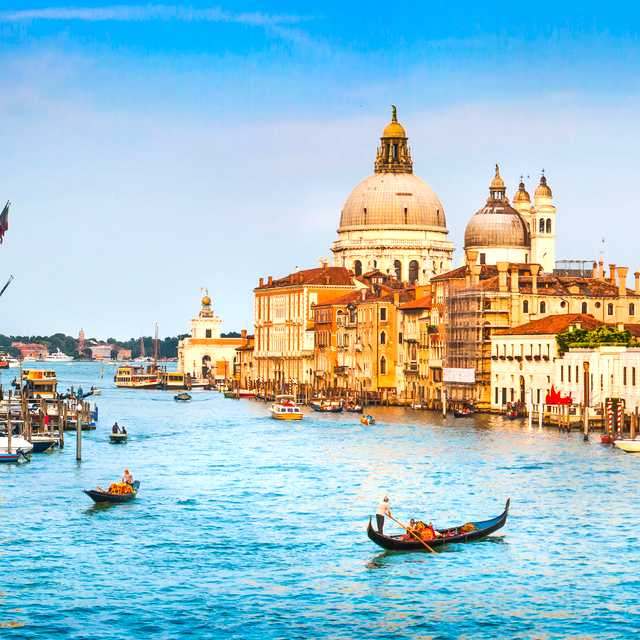
베니스 의 경치 - 피렌체 에서 출발하는 개인 day trip - 사진 4
베니스 의 경치 - 피렌체 에서 출발하는 개인 day trip - 사진 5
베니스 의 경치 - 피렌체 에서 출발하는 개인 day trip - 사진 6
베니스 의 경치 - 피렌체 에서 출발하는 개인 day trip - 사진 7
베니스 의 경치 - 피렌체 에서 출발하는 개인 day trip - 사진 8
베니스 의 경치 - 피렌체 에서 출발하는 개인 day trip - 사진 9
베니스 의 경치 - 피렌체 에서 출발하는 개인 day trip - 사진 10
베니스 의 경치 - 피렌체 에서 출발하는 개인 day trip - 사진 11
베니스 의 경치 - 피렌체 에서 출발하는 개인 day trip - 사진 12
1 / 12

3 시간 동안 개인 전송

270km
편도
€95부터 / 1 인당
130 개국에서 200 만 명 이상의 행복한 여행자들에 의해 신뢰받고 있습니다.
5.0
트립어드바이저 트래블러스 초이스 2026
5.0
5176
리뷰

포함 항목

문 앞까지 서비스

모든 주소에서 픽업 및 드롭오프

운항 추적 포함

운전기사님이 비행기가 지연되면 기다리실 것입니다

전문 영어 구사 운전기사

현지 전문가, 완전한 라이센스 및 보험

깨끗한 에어컨이 설치된 차량

쾌적한 탑승 과 온도 조절

무료 취소

출발 24시간 전까지 취소 가능

짐 포함

승객 당 1개의 여행 가방과 1개의 휴대용 가방

귀하의 여행 한눈에 보기

3 시간
270km
개인 운전사
픽업

귀하의 기사가 피렌체에서 귀하의 주소로 만나러 갈 것입니다.

짐 운반 도움
여행

3 시간 동안 편안한 여행이 될 것입니다.

금연
유아용 좌석
반려동물 동반 가능
에어컨
깨끗하고 편안함 차
사용 가능
무료 취소
관광 정류장을 놓치지 마세요!

원하는 속도로 탐험하고 길을 따라 숨겨진 보석들을 발견하세요

베로나

페트라르카의 집

베니스

귀하의 기사가 베니스의 귀하의 주소에 하차시켜 드립니다.

문 앞까지 서비스
총 거리↔ 270 km
예상 시간3 시간

웹 전체에서 평가

독립 여행자 피드백

알아두면 좋은 정보

  • 요청 시 어린이 좌석 이용 가능
  • 반려동물 동반 가능 여행
  • 승객당 위탁 수하물 1개 + 기내 반입 수하물 1개
  • 여분 의 짐 또는 규격 을 초과 한 짐 을 추가할 수 있습니다
  • 유연한 결제: 카드 온라인 또는 기사에게 현금
  • 출발 24시간 전까지 무료 취소
  • 팁은 포함되지 않았습니다 (선택 사항 ~10%)
130 개국에서 200 만 명 이상의 행복한 여행자들에 의해 신뢰받고 있습니다.
5.0
트립어드바이저 트래블러스 초이스 2026
5.0
5176
리뷰

픽업 시간 24시간 전까지 무료 취소 가능합니다.

Car trip from Florence to Venice

Driving from Florence to Venice offers a scenic journey through the heart of Italy, traversing picturesque landscapes and historic towns. The approximately 160-mile (260-kilometer) car trip provides the flexibility to explore charming villages and take in the beauty of the Italian countryside.

Italy’s modern highway system, the Autostrada, is the fastest way to get around. But for a more traditional Italian experience, take the smaller roads with their infamous hairpin turns, blind intersections, and tight squeezes through ancient streets and tunnels. A local driver makes the journey more enjoyable, expertly navigating the roads while you soak in the sights and plan your Venice itinerary. While a high-speed train ride might be a more time-efficient option (2 hours), the car trip provides a unique opportunity to appreciate the beauty of the Italian landscape. You can’t stop for sightseeing or pull over to capture the perfect picture from a train! Speaking of cars- you might not be driving from Florence to Venice in a Ferrari, but don’t you wish you could? For racing fans and car lovers, the cities of Modena and Maranello are a must. They are the dual homes of Ferrari. The sleek, modern design of the museum complex of Maranello sticks out among the ancient town surrounding it. It offers an immersive experience for automotive enthusiasts, providing a closer look at the brand's heritage and technological advancements. You can also visit the birthplace of Enzo Ferrari after a quick, 12 mile (20 km) drive over to Modena. If you’ve been brushing up on your Italian language skills for this trip, stop by the Casa del Petrarca to pay homage to Petrarch. His poetry is a cornerstone of modern Italian, and he is known as “The Father of Humanism” for his work in philosophy, poetry, and scholarly pursuits. Once you arrive in Venice, you'll find the heart of the city isn't accessible by car. But don't worry! If you're staying on the island, your driver will bring you right to the ferry dock where you can start your journey into the canals and to your accommodation.

About Venice

Venice is truly a city unlike any other. This UNESCO World Heritage Site continues to baffle engineers and architects alike. It stands as a testament to human ingenuity and will to survive in the strangest places. Going from Florence to Venice will enrich your knowledge and appreciation of the Renaissance and Italian culture.

### Early founding How did a marshy lagoon full of refugees become the center of commerce and society for a powerful 1000-year-old maritime republic? In the year 452, the Huns forced mainland Italians onto the lagoons, so they dug in their heels and found ways to survive in their new home. The Republic of Venice was born. Built on an archipelago of over 100 small islands, Venice is a marvel of ancient engineering and construction. Strong timber poles driven into the soft ground hold up a limestone base for the buildings and bridges connecting them. The wooden poles petrified in the marshland, giving them the stone-like strength to still stand today. Despite being surrounded by water, early Venetians had to construct cisterns to collect rainwater from rooftops and streets. Underground pipes and cisterns kept fresh water available for survival. Keep your eye out for ancient wellheads in the plazas! ### Venice’s rise to power The Republic of Venice conquered coastal areas of modern-day Croatia, Slovenia, and Italy. Venetians built their wealth on salt production, trade, banking, and military shipbuilding. Its strategic location meant control of valuable trade routes and a strong economy. Venice was ruled by a Doge, an elected leader, and a complex system of councils, including the Great Council and the Council of Ten. Visit the Doge’s Palace for just a glimpse of the great wealth and power held by this floating city. ### The Renaissance in Venice The prosperity of Venice during the 13th to 15th centuries brought about a cultural and artistic renaissance. The construction of iconic landmarks, such as St. Mark's Basilica and the Doge's Palace, showcased that the city's architectural prowess extended above the water just as much as it did underground. Venice became a center for the arts, fostering the development of the Venetian School of painting. Renowned artists like Titian, Tintoretto, and Giovanni Bellini flourished, contributing to the city's cultural legacy. The Gallerie dell'Accademia is the epicenter of Venetian Renaissance art and a must-see. ### The fall of Venice After years of war, the Venetian Republic fell to Napoleon Bonaparte in 1797. It underwent tumultuous political changes and the secularization of church properties. Venice lost its status as a maritime powerhouse as it was passed between the French and Austrian Empires. When it became absorbed into the Kingdom of Italy in 1866, efforts were made to restore its economy, artisan crafts, and historical sites. ### Modern Venice The 20th century saw even more revitalization of traditional crafts and building preservation as tourism boomed. 55,000 people call Venice home year-round, but during peak season up to 110,000 visitors may flood the city on any given day. Venice became a UNESCO World Heritage Site in 1987 for its inspired engineering and role as a center of arts and culture. Venice continues to balance the important role tourism plays in its economy with the environmental challenges of keeping it from becoming Atlantis.

From Florence to Venice: travel tips

Follow the travel tips below for an amazing trip from Florence to Venice and to ensure you have a great time in the Floating City!

Stop for sightseeing

Whether you love poetry, ancient castles, or racing cars, the road from Florence to Venice is filled with exciting and enriching attractions. When you ride with Daytrip, you’ll be able to easily visit the Ferrari Museum, Petrarch’s House, or anywhere else that grabs your interest.

### Talk with your driver Along with sightseeing stops, one of the benefits of taking a private car with Daytrip is you’ll be riding with an English-speaking driver. The 3-hour drive gives you ample time to chat to get local insights and learn more about Italian history and culture. Your driver will also have some invaluable tips for when you get to Venice, whether it’s things to do, or food to try! ### Don’t rent a car Navigating Italy’s roads can be difficult, but that’s part of the adventure. There’s a different reason not to rent a car when traveling to Venice though: you can’t use it when you get there! Venice’s islands aren’t car accessible, which means if you rent a car and drive there, you’ll be paying to just leave it in a parking lot. Instead, use Daytrip’s private car service for all the perks of driving yourself with none of the drawbacks. ### There’s a tourism tax in Venice As of spring 2024, guests who are not staying overnight in Venice may have to pay a €5 fee. The fee will only be applicable on predicted peak days during the tourism season, and only for guests aged 14 and older. If you are spending the night in Venice, be sure to have proof of your accommodation ready to avoid the fee. ### Prepare for the final steps Venice’s island isn’t accessible by car, so if your accommodation is on the island, know that you won’t be able to pull up to the front door. If you’ve packed light, you can walk along the canals, but this can be difficult with large luggage, especially in the high season. Alternatively, you can hop on a water taxi and cruise the canals. The “water bus” is 7.50 EUR per person, while private water taxis usually start at 100 EUR. ### Avoid eating in tourist areas Venice is an expensive city, but you can save some money and have a more authentic experience with this simple tip! Many tourists will stop for lunch right next to the main attractions, so these businesses usually have higher prices. While it might be worth splurging for the view, step off the main thoroughfares and look for the places locals eat. When in doubt, ask a local where their favorite place to eat is. You’ll get amazing authentic food, see parts of Venice not on the normal travel itinerary, and save some money doing it!

How to get from Florence to Venice

Millions travel each year from Florence to Venice, and there are many options depending on your budget, amount of luggage, and time constraints.

Florence to Venice by private car

Daytrip's private car service is the most comfortable and convenient way to travel from Florence to Venice. Your English-speaking driver will meet you at your accommodation in Florence, load up your luggage, and hit the road to Venice. You won't have to worry about getting to a bus or train station with luggage or being left to your own devices when you get to Venice. The car trip takes about 3 hours to cover the 159 miles (256 km), making it about the same as the high-speed train since you don't need to travel to the train station. Another bonus is the chance to talk with your driver for some insider travel tips and enriching sightseeing stops!

### Florence to Venice by train Trains frequently depart Florence’s Santa Maria Novella station for Venice's Santa Lucia station. A high-speed train can make the journey to Venice in as little as 2 hours and 5 minutes, not counting the time getting to and from the train stations. This infrastructure improvement makes flights obsolete for this route. Expect to pay around €30-60. The train has bathrooms and cafe cars. Book your ticket in advance for the best prices. ### Florence to Venice by bus Multiple bus companies service the route from Florence to Venice. Some are direct, and some require changing buses in Bologna. A bus ticket will cost between €10-50 depending on the season, speed, and availability. Expect a direct connection to take 3-4 hours. Purchase your ticket ahead of time, as this route fills up fast, and make sure you account for all of your luggage to avoid surprise fees later. ### Florence to Venice by rental car Head north on the A1 highway, also known as the Autostrada del Sole, towards Bologna. This route will have tolls. The drive along the A1 from Florence to Venice takes you through the scenic Tuscan countryside, characterized by rolling hills, vineyards, and cypress trees. If you aren’t in a rush, have a coffee break in Bologna, renowned for its medieval architecture and delicious cuisine. The city center is rich in history, featuring the famous Two Towers, Piazza Maggiore, and numerous arcaded streets. Once back on the road, the A13 will take you from Bologna to Padua. Consider visiting Ferrara, a UNESCO World Heritage Site, on your way. In Padua, follow the signs for the E70. After about 6 miles (10 km) on the E70, follow signs to the A57. The A57 will take you straight to Maghera, right on the coast. ### Parking in Venice As you approach Venice, follow the signs to reach the outskirts of the city. Venice does not allow cars within the historic center (where would they drive?). You'll need to park your car at one of the designated parking areas or garages and take a vaporetto (water bus) or water taxi to reach the heart of the city. Venice offers several parking options. On the island, the Piazzale Roma and Tronchetto are large parking garages and may be a good destination to put into your GPS. From these parking areas, you can easily access water transportation to reach the historical center of Venice. Parking costs about €25-35 for 24 hours, and usually you have to pay for the whole 24 hours even if you do not stay all day. A slightly cheaper option is to leave the car in Mestre on the mainland, for €5-15 per 24 hours. From Mestre, trams depart incredibly frequently and take about 20 minutes to travel over the water to Venice.

Things to Do When You Get to Venice

If you thought the sites from Florence to Venice would be comparable, you’ll be gladly mistaken. Venice is a truly unique place, and these destinations are the crown jewels of this long-gone empire.

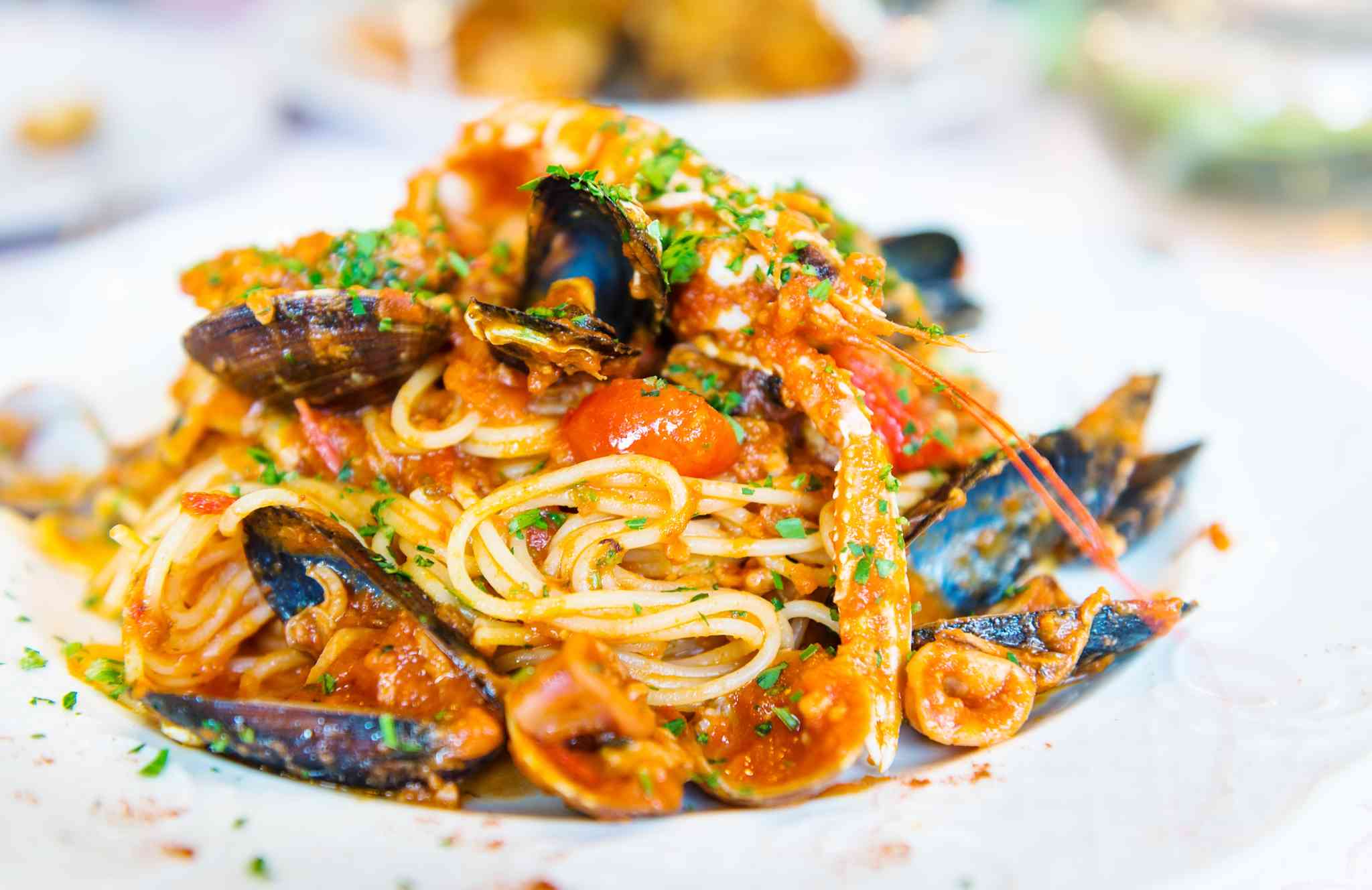
### St. Mark's Square Piazza San Marco (St. Mark’s Square) was the center of Venetian life and will be the center of your sightseeing. Marvel at the grandeur of St. Mark's Basilica, an architectural masterpiece that reflects the Republic of Venice’s religious history. The intricate mosaics and ornate design make it a sought-after destination for history and art enthusiasts alike. Admire the Clocktower and then head to Doge's Palace, where you’ll find the Bridge of Sighs. From this bridge, prisoners saw their last view of Venice before going to prison. ### The Arsenal of Venice For military history buffs, the Arsenal of Venice is a must-see. This vast complex of shipyards and armories is at least 900 years old, with some evidence of it being even older. Mass production technology and labor practices were used here far before the Industrial Revolution to supply ships and artillery for the Venetian Republic. It even gets a mention in Dante’s Inferno, who you may remember from your time in Florence. ### Gondolas rides in Venice No visit to Venice is complete without a romantic sunset gondola ride through its winding canals. While it may be a bit of a tourist cliché, the slow, graceful glide through the water provides a perspective of the city that is both magical and unforgettable. When in Rome, do as the Romans do- and when in Venice, take a gondola ride. ### Visit Murano and Burano If you enjoyed your gondola ride and want more time on the water, consider taking a boat trip to the nearby islands of Murano and Burano. Murano is renowned for its production of Venetian Glass. In 1291, glass-blowers in Venice were forced to relocate to Murano to protect Venice from the possible fires from the furnaces. Artisans had to ask for permission to leave the island, and trade was closely monitored. This move to isolate the glass industry ensured the techniques did not spread to competitors. The results are unique glass-blowing styles and technology we can still appreciate today. Burano is a small fishing island famous among photographers for its small, brightly colored houses. No house is allowed to have the same colors as its neighbors, and it is widely believed the homes were painted brightly to see the island in the fog from one’s fishing boat. It is also known for its artisan lace-making. ### The Flooded Crypt of San Zaccaria Church The flooded crypt is a mesmerizing and eerie submerged space beneath the San Zaccaria Church. It is the resting place of many nobles and serves as a captivating reminder of the city's delicate balance with the surrounding waters. ### Venetian Ghetto Said to be the first Jewish Ghetto, this neighborhood in Venice was founded in 1516. Jews from all over came to Venice as wealthy trade merchants, mainland European peasants, and fleeing the Spanish Inquisition. Jews were forced by law to stay in this segregated part of the city, with armed guards patrolling the boundaries to ensure no one entered or exited. The only exception was for doctors, who were in great demand across all of Venice. When Napoleon Bonaparte conquered Venice, he abolished anti-Semitic law and the Jewish population spread out across Europe. ### Venetian Cuisine Venetian cuisine is, of course, predominantly seafood. Be sure to have a meal or two on an outdoor patio and enjoy dishes like risotto al nero di seppia (squid ink risotto) and baccalà mantecato (creamed salted cod). ### Venetian Masks The essential souvenir from Venice! Venetian masks emerged as a way to hide one’s identity and social class, during the Carnival season. Peasants and nobles could interact to some extent in disguise during Carnival when societal laws regarding dress and behavior were relaxed. Visit a mask shop, where artisans craft intricate and unique masks. The masks are not only beautiful souvenirs but also representative of Venice's vibrant cultural heritage distinct from other Italian cities like Rome and Milan.

Daytrip은 전 세계 14,800+ 개 도시를 경험할 수 있는 가장 편리한 방법입니다.

모든 여행자는 자신이 방문하는 국가의 문화에 대한 진정한 통찰을 받을 자격이 있습니다. 그리고 지구상의 모든 놀라운 장소는 방문하고 감상할 가치가 있습니다. 우리는 독특한 현지 지식과 진정한 인간적 연결이 다른 문화를 진정으로 이해하는 데 있어 대체할 수 없다고 믿습니다.

저희는 이곳에 소개되었습니다

usa-travel logo
forbes logo
huffpost logo
monocle logo
wanderlust logo
aileen logo
World dotted map
Daytrip과 함께 운전하기
저는 여행사 직원입니다