Private car transfer from Split to Plitvice Lakes National Park




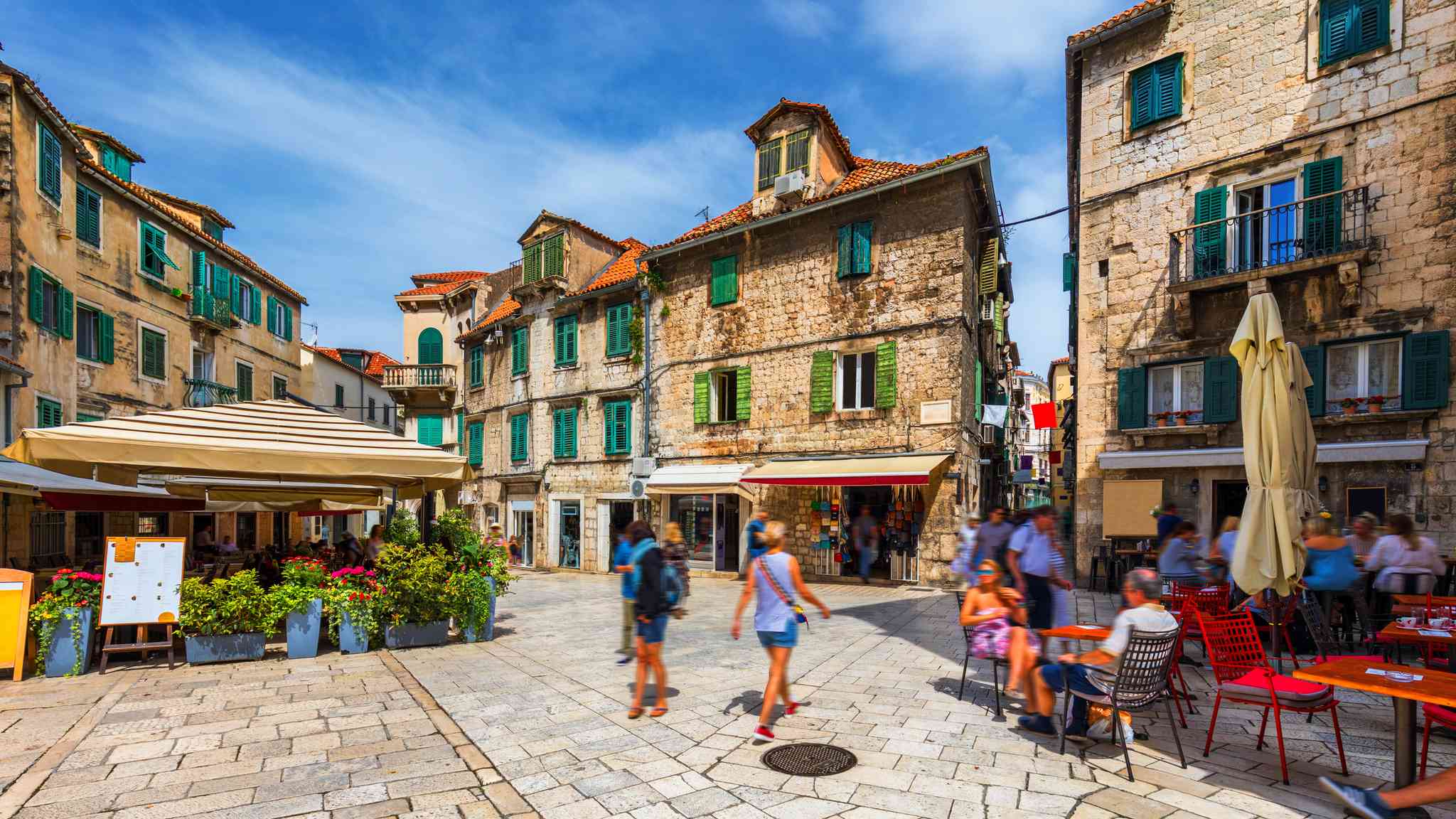


Private transfer in 2 h 50 min
Reviews
What's included
Door-to-door service
Pick-up and drop-off at any address
Flight tracking included
Your driver will wait if your flight is delayed
Professional English-speaking driver
Local expert, fully licensed and insured
Clean, air-conditioned vehicle
Comfortable ride with climate control
Free cancellation
Cancel up to 24 hours before departure
Luggage included
1 suitcase and 1 carry-on per passenger
Your trip at a glance
Rated across the web
Independent traveler feedback
Good to know
- Child seats available on request
- Pet-friendly travel
- 1 checked bag + 1 carry-on per passenger
- Extra or oversized luggage can be added
- Flexible payment: card online or cash to driver
- Free cancellation 24 hours before departure
- Tips are not included (optional ~10%)
Reviews
Explore tailored trips designed for you

Lazio Travel Guide | Rome, Ostia & Castelli Romani
Plan your Rome and Lazio trip with local food picks, ideal times to visit, and hilltop towns worth the detour — reached easily with a private Daytrip transfer.
Read more
Sicily Travel Guide | Palermo, Etna & the Greek Temples
From Palermo's street markets to Mount Etna and the Greek temples of Agrigento — our Sicily guide covers what to eat, when to visit, and where to go.
Read more
Lombardy Travel Guide | Milan, Lake Como & the Italian Lakes
From Milan's design districts to the shores of Lake Como and Lake Garda, our Lombardy guide covers the cities, the lakes, and the drives between them.
Read more
Travel Guide to Florence & Tuscany | Local, Expert Tips
Discover Florence & Tuscany like a local. Skip the crowds and plan the perfect trip with our expert guide. Start exploring now!
Read more
Campania Travel Guide | Beyond the Amalfi Coast
Our guide to Campania beyond the obvious. From Naples and Herculaneum to Caserta and the Irpinia wine region: when to visit, where to eat, and what to see.
Read more
Guide to Italy | Private Transfers, Routes & Local Tips
Skip the tourist traps. This insider Italy guide reveals must-see destinations, perfect timing, and money-saving tips to plan your stress-free dream vacation.
Read more
Amalfi Coast Italian Travel Guide | Curated Tips From Locals
Explore the Amalfi Coast like a pro! Start here for the best towns, hidden spots, and insider tips from locals to confidently plan an unforgettable trip.
Read more
Veneto Italy Travel Guide | Proven Tips From Local Experts
Explore from Venice to the Dolomites in Veneto – Italy’s most diverse region! Start your research here for the best time to visit, what to eat, and where to go.
Read more
Accessible Private Transfers For Limited Mobility
Reliable and accessible door-to-door transport, designed for all abilities. Professional assistance with walkers, foldable wheelchairs, and luggage.
Read more
Train Strike Alternatives: Reliable Intercity Transfers
Don't let a rail strike ruin your trip. Book a reliable intercity car service as a stress-free alternative to cancelled trains and crowded buses.
Read more
Pre-booked Private Airport Pickup Meet & Greet Service
Skip the airport taxi line. Pre-book a private airport pickup with flight tracking and wait time. Your driver meets you at arrivals. Fixed prices, no surprises.
Read more
Private Family Transfers | Stress-Free Travel for All Ages
Simplify your family vacation with reliable private transfers. Spacious vans for the group, child seats included, and flexible stops to keep everyone happy.
Read more
Family-Friendly Private Transfers | Car Seats for Toddlers
Traveling with toddlers? Skip the stroller-dragging and transport chaos. Pre-book a private transfer with integrated child seats & flexible "wiggle-room" stops.
Read more
Private Transfers for Non-Drivers | Explore Without a Car
Experience a road trip without the license. Book a private car with a driver to access remote destinations and rural villages public transport can't reach.
Read more
Private History Tours & Transfers | Sights on Your Schedule
Turn your travel day into a journey through time. Book a private transfer with customizable stops at castles, UNESCO sites, and historic landmarks.
Read more
Private Cruise Transfers | Shore Excursions & Pier Pickups
Connect seamlessly between airports and cruise terminals. Enjoy private transfers with luggage assistance and optional sightseeing stops oen route to the ship.
Read more
Private Pre-booked Airport Drop-off Service
Eliminate the "will they show up?" anxiety. Pre-book a guaranteed airport drop-off with professional drivers. Door-to-terminal, luggage help, fixed rates.
Read more
Pet-Friendly Private Car Service: Travel with Dog or Cat
Don't leave your pet behind. Pre-book a pet-friendly private transfer where your dog or cat rides in the cabin with you. Flexible stops and professional drivers
Read more
Private Wine Tours & Transfers | A Perfect Designated Driver
Explore the world's best wine regions without the worry of driving. Book a private transfer with a driver, winery stops, and plenty of trunk space for bottles.
Read more
Heritage Trip Private Transfers | Ancestry & Genealogy Trips
Visit your ancestral hometown with ease. Book a private driver to access remote villages, navigate local languages, and explore your family history stress-free.
Read more
Private Transfers for Pregnant Travelers | Comfort & Ease
Enjoy a smooth, safe journey during your pregnancy. Book a private car with adjustable seats, professional drivers, and unlimited stops for your comfort.
Read more
Private Transfers for Solo Female Travelers | Secure, Vetted
Travel the world with confidence. Book a safe, private transfer with background-checked drivers, vehicle details sent in advance, and 24/7 customer support.
Read more
Private Transfers for Single Parents | Supportive Travel
Traveling solo with kids? Get the extra help you need. Our drivers assist with luggage and strollers, ensuring a safe journey for you and your kids.
Read more
Private Medical Tourism Transfers | Post-Surgery Transport
Recover in comfort on your journey. Book a safe private transfer for medical travel. Smooth driving, privacy, and door-to-door service from clinic to hotel.
Read more
Private Car Services for Seniors & Elderly Travelers
Safe, comfortable door-to-door transfers designed for seniors. Our helpful drivers assist with luggage and ensure a stress-free journey at your own pace.
Read more
Executive Private Car Service | Reliable Business Transfers
Maximize your productivity with professional intercity transfers. Guaranteed pickups, quiet vehicles for working on the go, and seamless business expensing.
Read more
Private Ski Transfers | Spacious Cars for Skis & Snowboards
Head to the slopes stress-free. Pre-book a private winter transfer with ample room for skis, snowboards, and luggage. Safe drivers for winter road conditions.
Read more
Safe Late Night Private Transfers | Midnight Pickups
Avoid being stranded after hours. Pre-book a guaranteed late-night pickup with 24/7 flight tracking and a professional driver waiting at any hour.
Read moreDaytrip is the most convenient way to experience 14,900+ cities around the world.
Every traveler deserves real insight into the cultures of the countries they’re visiting. And every amazing place on Earth deserves to be visited and appreciated. We believe unique local knowledge and real human connection are irreplaceable when it comes to truly comprehending another culture.
We have been featured in


