Privater Autotransfer von Split nach Zagreb
in 4 h 10 Min
pro Sitz
Auto
Reiseinformationen
Abholung
Ihr Fahrer wird Sie an Ihrer Adresse in Split treffen.
- Haus-zu-Haus-Service
- Hilfe mit Ihrem GepÀck
Reise
Sie reisen bequem fĂŒr 4 h 10 Min.
- Optionale Besichtigung
- Sauberes, komfortables Auto
- Berufsfahrer
- Flaschenwasser
- Kindersitze
- FĂŒr Behinderte vorbereitet
- Rauchfrei
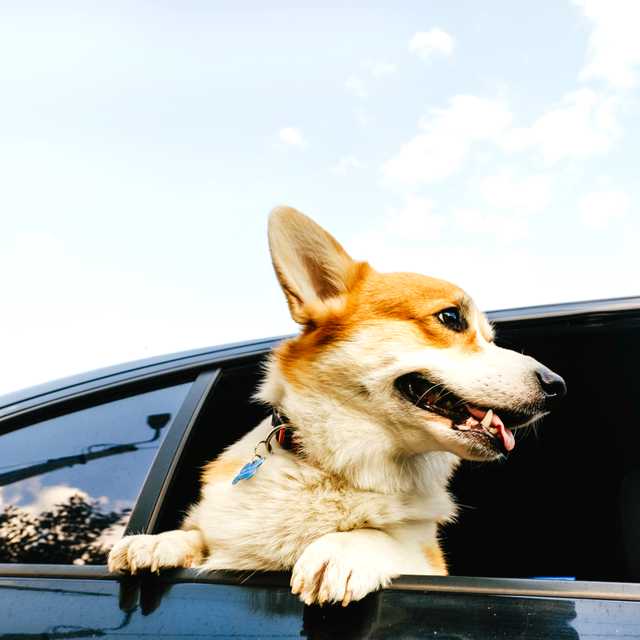
- Haustierfreundlich
Abgabe
Ihr Fahrer wird Sie an Ihrer Adresse in Zagreb absetzen.
- Haus-zu-Haus-Service
- Hilfe mit Ihrem GepÀck
Overview: car trip from Split to Zagreb
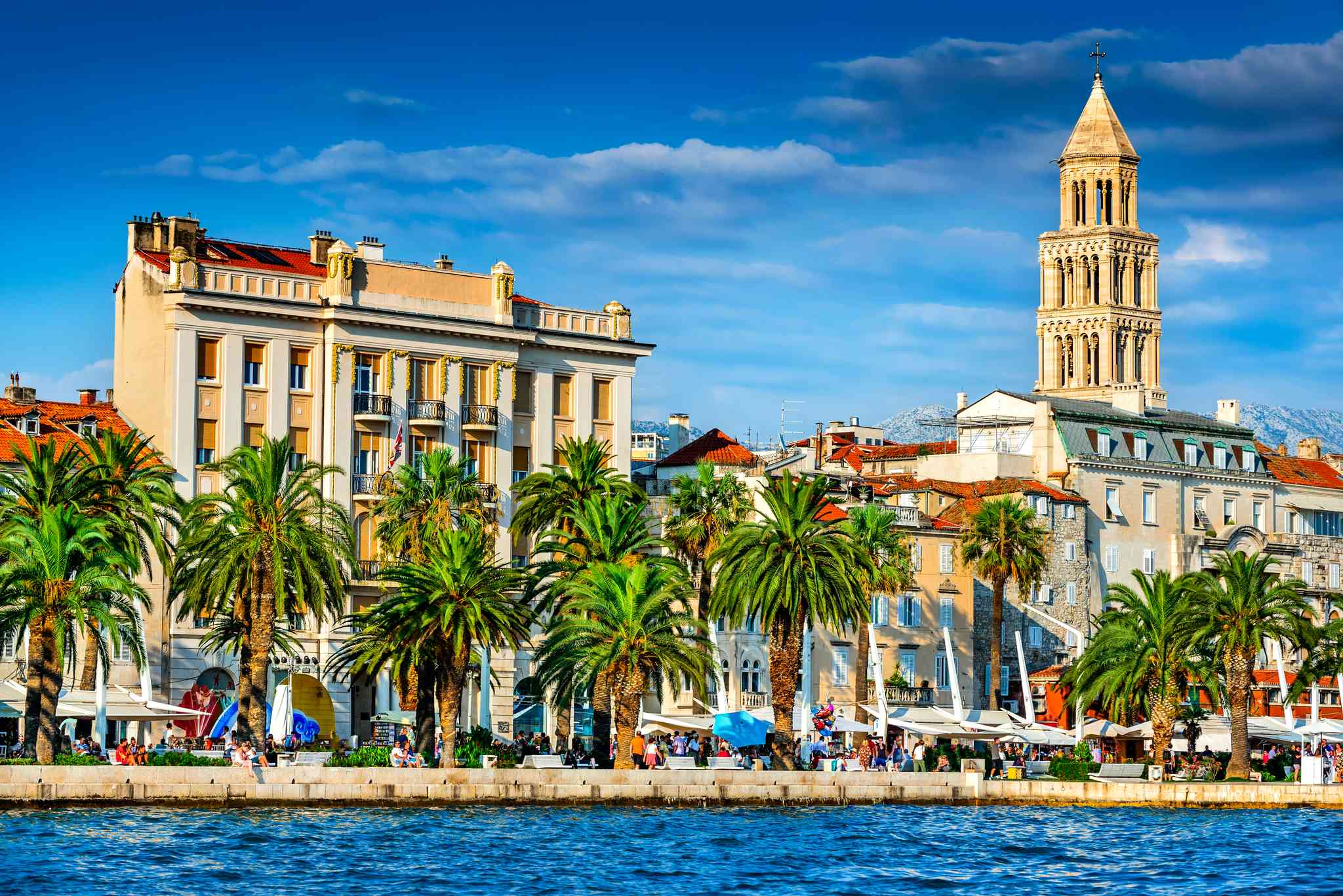
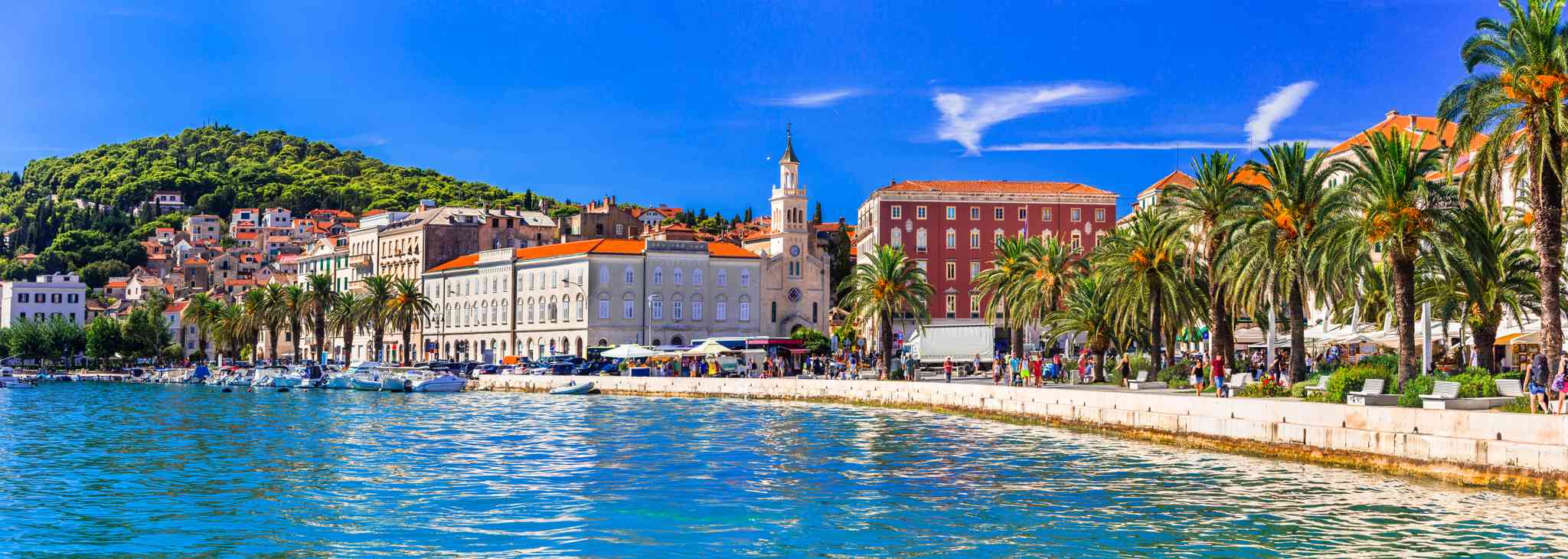
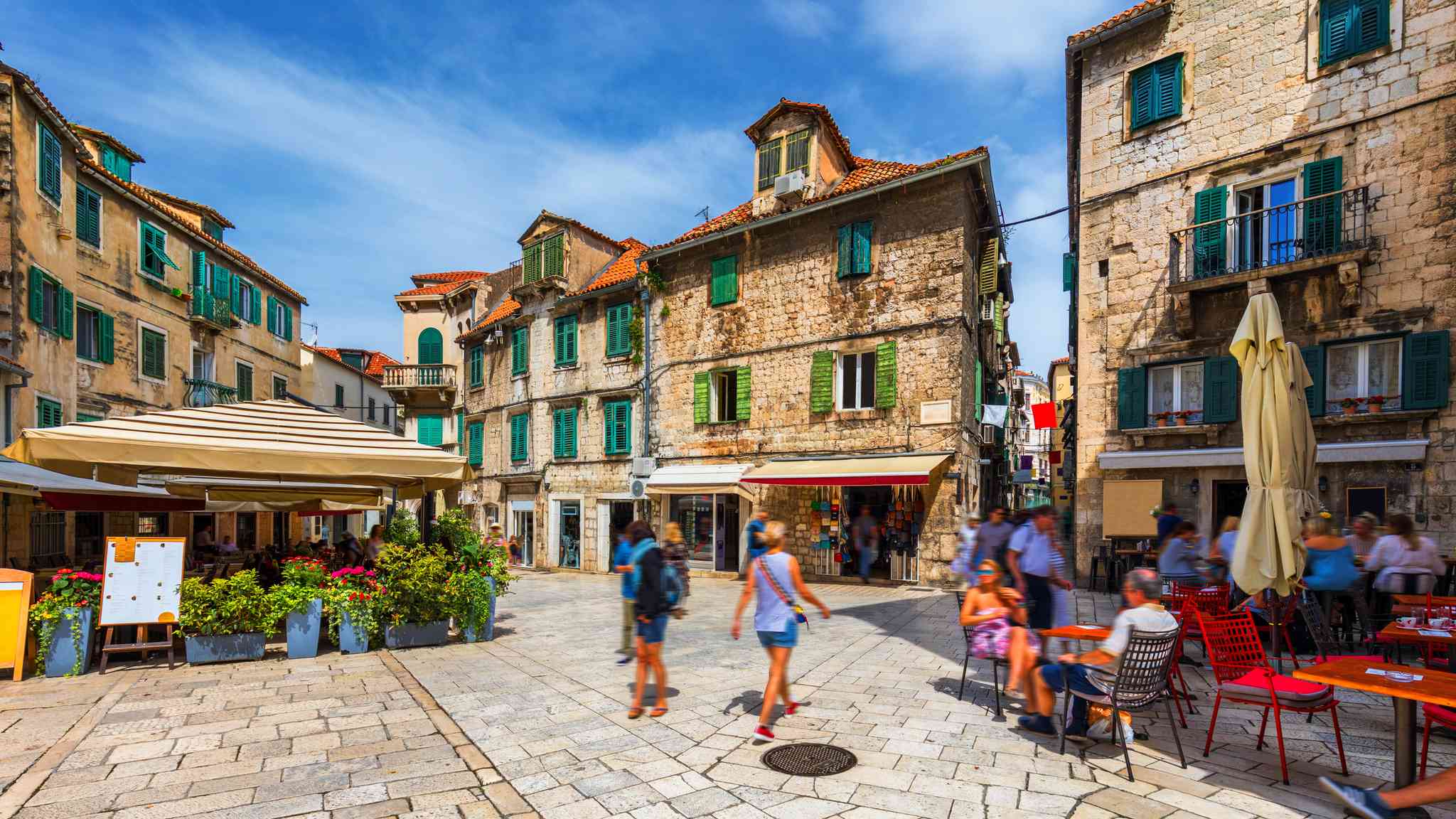
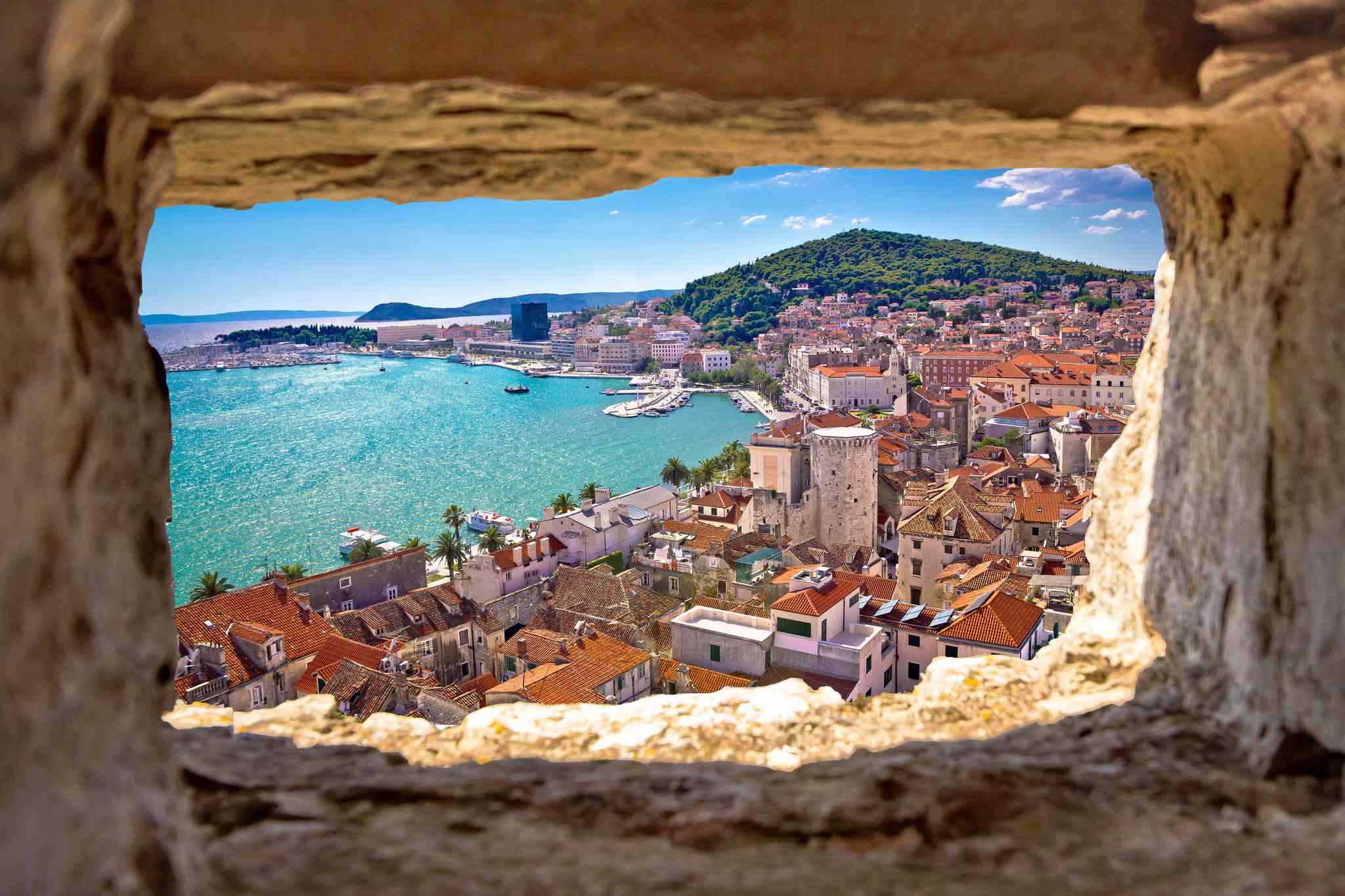
Although they are in the same country, a car trip from Split to Zagreb showcases the two parts of the Croatian spectrum: coastal and inland. Coastal Croatia has light-colored paver stones and buildings with a simple Mediterranean style. Life is centered along the seaside promenades and in the shadow of rugged limestone cliffs.
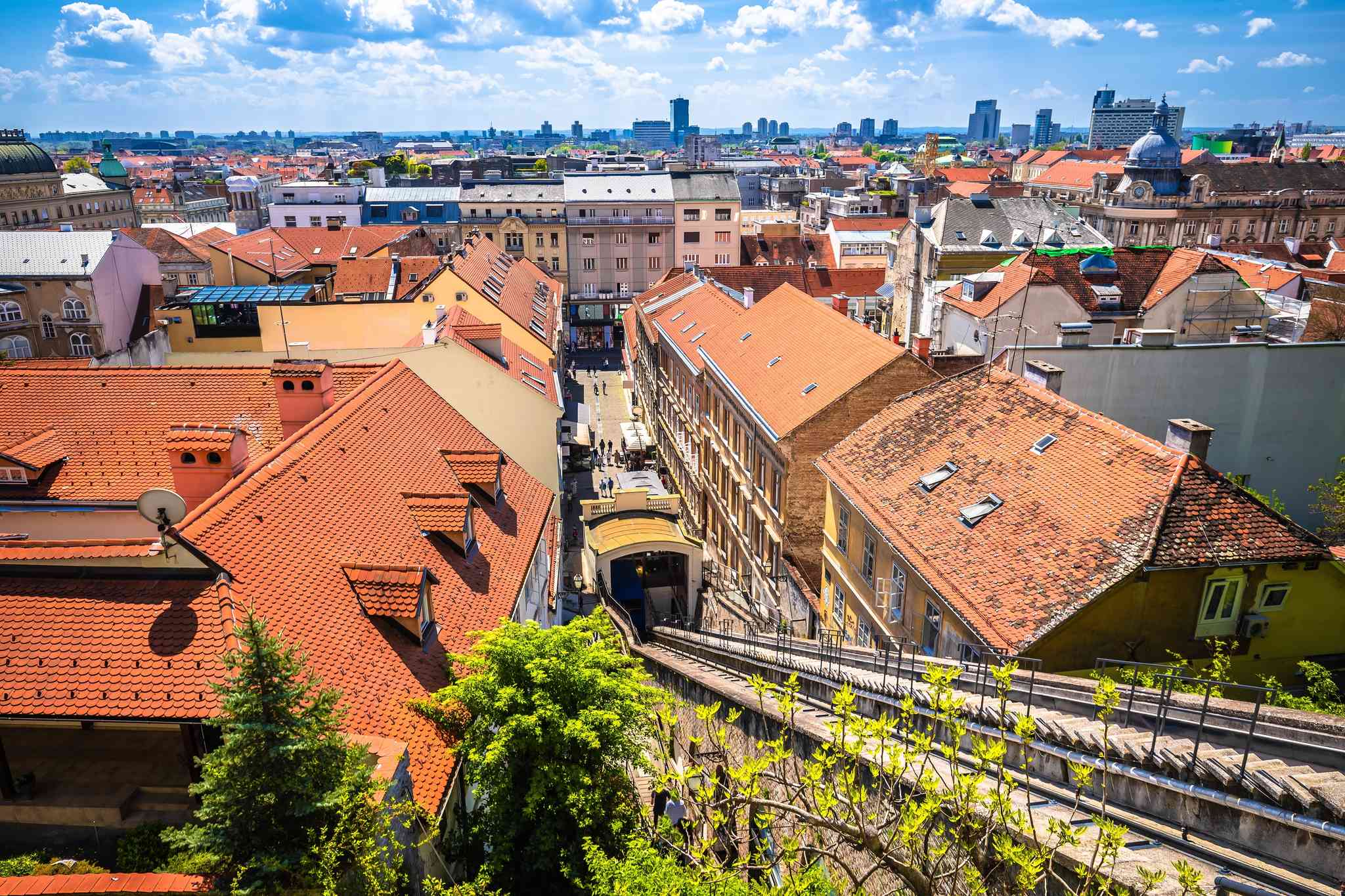
Zagreb, on the other hand, is located in central Croatia and has more of the Baroque-style architecture found in Central Europe. Town squares are surrounded by medium-sized buildings with detailed designs, stained glass windows, and grand entrances.
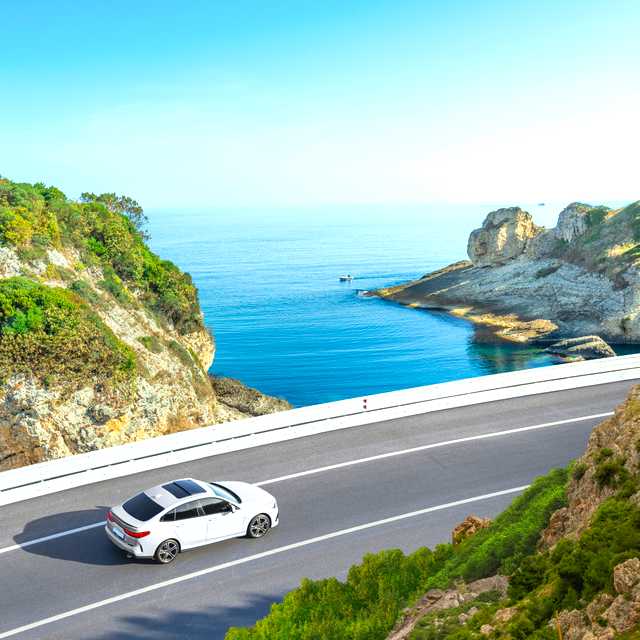
A trip by car with a private driver is the best way to see both parts of Croatia and the whole rainbow of sights in between. For example, Plitvice Lakes is at the exact halfway mark between Split and Zagreb. The stunning array of waterfalls and lakes make this UNESCO-listed national park one of the most beautiful places on the planet. Krka National Park is another protected landscape with hundreds of animal species and the perfect backdrop for vacation photos, plus the historic towns of Trogir, Sibenik, and Rastoke.
About Zagreb
Zagreb is nestled between the southern slopes of the Medvednica mountain and the banks of the Sava River. It has a rich history dating back nearly a millennium, and today is the quaint capital of Croatia that about 800,000 people call home. Where Split felt more Mediterranean and Roman-inspired, while Zagreb follows the Austro-Hungarian city style found in other capitals like Budapest and Vienna.
The history of Zagreb traces back to the Middle Ages when two settlements, Gradec and Kaptol, emerged on neighboring hills. After hundreds of years of a tense relationship, these settlements eventually merged to form one city, Zagreb.
Zagreb grew in significance during the Austro-Hungarian Empire and experienced rapid development in the 19th and 20th centuries, with the building of impressive buildings, parks, and cultural institutions. Despite the challenges of many wars and political changes, Zagreb has retained its historical charm while evolving into a cosmopolitan city.
Today, Zagreb has lively streets, bustling squares, and charming outdoor cafes. Fresh food is available year-round at the outdoor markets, and a tram system will take you all over the city. Throughout the year, Zagreb hosts a variety of cultural events and festivals, including the Zagreb Film Festival and the INmusic Festival. Advent in Zagreb has been voted the best Christmas market in Europe multiple times. The city's culinary scene is equally vibrant, with traditional Croatian dishes served in its restaurants.
From Split to Zagreb: travel tips
Your trip from Split to Zagreb will go off without a hitch if you follow these two important travel tips.
Cash is king in Croatia
You will be more likely to encounter cash-only restaurants, stores, and attractions in all parts of Croatia, including the capital of Zagreb. Croatia recently adopted the Euro as its currency, so Croatian Kunas are no longer accepted. Interestingly, you might see prices listed in both Euros and Kunas as people are still getting used to using Euros.
If you still have cash in Kunas from your last trip to Croatia, you will need to exchange it through FINA, the state-owned financial services institution, as most banks stopped exchanging Kunas in 2023.
Donât expect English everywhere
The most touristy areas of Split and Zagreb will both have services in English, but this falls off sharply the further away you get. Learn a few important phrases in Croatian and get a translator app with the Croatian language downloaded for offline use. German is a very common foreign language in Croatian schools, and many Croatians speak better German than English, so this is another communication option.
Fortunately, Daytrip drivers speak both English and Croatian, so they will be happy to help you at any sightseeing stops or give you a crash course in Croatian.
How to get from Split to Zagreb
Since Split and Zagreb are two of the most popular destinations in Croatia, you have no shortage of options when choosing how to travel between the two cities.
Split to Zagreb by private driver with Daytrip
Hiring a private driver to get your family from Split to Zagreb is the best option if you want a convenient, comfortable, and enriching experience. You'll get help with your luggage before traveling door-to-door with a local driver who speaks English.
The distance between the two cities is around 250 miles (400 km), and the journey takes approximately 4 to 5 hours by car. Unlike any other option, a Daytrip lets you add sightseeing stops so that you can get a full Croatian experience. Say goodbye to the coast by stopping at Trogir or Sibenik, take in the unparalleled natural beauty of Plitvice Lakes, or wander among the charming houses in Rastoke. No matter where you choose to stop, you'll make plenty of memories before reaching Zagreb.
Split to Zagreb by bus
Traveling from Split to Zagreb by bus is a popular and convenient option. Several buses depart each day during the height of summer, but they're less frequent at other times of year. The journey typically takes around 5 to 6 hours. You should definitely purchase tickets online in advance rather than trying your luck by buying them directly at the bus station.
Split to Zagreb by train
There is a train service available from Split to Zagreb operated by Croatian Railways. The train journey offers scenic views of the Croatian countryside and takes approximately 6 to 7 hours to reach Zagreb. Trains depart from Split's main train station, and tickets can be purchased at the station or online in advance. Make sure it is a direct train to avoid having to transfer to another city like Rijeka.
Split to Zagreb by flight
A direct flight is the fastest way to get from Split to Zagreb. There are several daily flights operated by Croatian Airlines, and the flight time is approximately 1 hour. After factoring in getting to and from the airport and waiting for check-in and security, the total travel time is about 4 hours.
Things to do when you get to Zagreb
With its rich history and culture, you'll find no shortage of things to do when you get to Zagreb. Here's just a glimpse of the many things to see and do for an enjoyable and memorable visit to Croatia's capital.
Travel back in time to the Upper Town (Gornji Grad)
The Upper Town is home to charming cobblestone streets, medieval architecture, and iconic landmarks such as St. Mark's Church and LotrĆĄÄak Tower. St. Mark's Church has been around since the 13th century and has a unique tiled roof that displays the coat of arms of Zagreb and the coat of arms of the historic Triune Kingdom of Croatia, Slavonia, and Dalmatia. LotrĆĄÄak Tower is also from the 13th century and has the GriÄ cannon, which fires at exactly noon every day. Listen out for it!
If you are staying in the lower town (Donji Grad) and do not care for the stairs heading up to the Upper Town, head to TomiÄ Street and take the funicular! It is one of the shortest funiculars in the world, with 217 feet (66 meters) of track. It was built in 1890 and, while it has been updated over the centuries, it still does the same job of connecting the two levels of Zagreb.
Ban JelaÄiÄ Square
Experience the vibrant heart of Zagreb at Ban JelaÄiÄ Square, a bustling hub surrounded by shops, cafes, and important landmarks. It's a great starting point for exploring the city. There are often farmers markets, street artists, and concerts on this square. It is also a major transfer point for the trams that connect you to other parts of Zagreb.
If you're visiting during December, don't miss Zagreb's famous Advent festivities on Ban JelaÄiÄ Square. Enjoy Christmas markets, live music, ice skating, and festive decorations throughout the city as well. Make sure to pick up some licitars or decorated heart-shaped cookies. They are mostly used for decoration and are a symbol of Zagreb and broader Croatian culture
Have dinner on Ivana TkalÄiÄa Street
Stroll along Ivana TkalÄiÄa Street, a lively pedestrian thoroughfare lined with cafes, restaurants, and boutiques. It's the perfect place to soak up Zagreb's atmosphere and enjoy some people-watching with local dishes like ZagrebaÄki odrezak, veal wrapped around cheese and ham, which is then breaded and fried.
When is the best time to visit Zagreb
Spring (April to June) and autumn (September to October) are the best times to visit Zagreb and the Mediterranean and Balkan areas in general. During these seasons, the weather in Zagreb is typically pleasant with mild temperatures, making it ideal for exploring the city's outdoor attractions and cultural sites without the intense heat of summer or the foggy, cold winters.
Springtime brings blooming flowers, while autumn offers picturesque foliage, creating beautiful backdrops for sightseeing and outdoor activities. Additionally, these shoulder seasons tend to have fewer tourists compared to the peak summer months, allowing you to enjoy Zagreb's attractions with fewer crowds and potentially better prices on accommodations and activities.
Fragen & Antworten zum Reisen von Split nach Zagreb
Is there a train from Split to Zagreb?
What is the best way to get from Split to Zagreb?
Is the train from Split to Zagreb scenic?
Besuchen Sie diese SehenswĂŒrdigkeiten unterwegs
Gut zu wissen
Kinder
Wenn Sie mit Kindern reisen, teilen Sie uns dies bitte bei der Buchung mit, damit wir die passenden Kindersitze bereitstellen können!
Haustiere
Haustiere sind erlaubt (und geliebt)! Wir mĂŒssen es nur vorher wissen. Sie können uns in der nĂ€chsten Buchungsphase darĂŒber informieren.
Trinkgeld
Trinkgeld ist nicht inbegriffen oder erforderlich, aber wenn Ihnen Ihre Fahrt wirklich gefallen hat, können Sie Ihren Fahrer mit einem optionalen Trinkgeld belohnen (10% sind ausreichend).
GepÀck
- GroĂes GepĂ€ck
- 29x21x11 Zoll
- 74x53x28 cm
- Kleines GepÀck
- 22x14x9 Zoll
- 56x36x23 cm
Jeder Passagier darf ein aufgegebenes GepĂ€ckstĂŒck und ein HandgepĂ€ckstĂŒck mitnehmen. Wenn Sie mit mehr GepĂ€ck oder ĂŒbergroĂem GepĂ€ck reisen, können Sie dies bei der Buchung anpassen.
Zahlungsmethoden
Zahlen Sie online mit Kreditkarte oder bar direkt an Ihren Fahrer!
HĂ€ufig gestellte Fragen
Wenn Sie Fragen haben, hier sind die Antworten.Daytrip ist die bequemste Art, 14.500+ StÀdte auf der ganzen Welt zu erleben.
Jeder Reisende verdient echte Einblicke in die Kulturen der LÀnder, die er besucht. Und jeder erstaunliche Ort auf der Erde verdient es, besucht und geschÀtzt zu werden. Wir glauben, dass einzigartiges lokales Wissen und echte menschliche Verbindungen unersetzlich sind, wenn es darum geht, eine andere Kultur wirklich zu verstehen.
Wir wurden vorgestellt in
Mehr Routen
Croatia
Croatia
Croatia
Croatia - Montenegro
Croatia - Bosnia and Herzegovina
Croatia - Montenegro
Croatia
Croatia
Croatia - Montenegro
Croatia - Bosnia and Herzegovina
Croatia
Croatia
Croatia - Bosnia and Herzegovina
Croatia - Montenegro
Croatia - Hungary
Croatia - Serbia
Slovenia - Croatia
Czech Republic - Croatia
Austria - Croatia
Italy - Croatia
Croatia
Hungary - Croatia
Croatia
Serbia - Croatia
Croatia
Germany - Croatia
Italy - Croatia
Austria - Croatia
Italy - Croatia
Bosnia and Herzegovina - Croatia
Italy - Croatia
Italy - Croatia
Croatia
Slovenia - Croatia
Slovenia - Croatia
Croatia
Beliebte TagesausflĂŒge
Unternehmen