Privater Autotransfer von Dubrovnik nach Zagreb









Privater Transfer in 6 h 10 Min
Bewertungen
Was ist inbegriffen
Haus-zu-Haus-Service
Abholung und Rückgabe an jeder Adresse
Flugverfolgung eingeschlossen
Ihr Fahrer wird warten, wenn Ihr Flug verspätet ist
Professioneller Englisch sprechender Fahrer
Lokaler Experte, voll lizenziert und versichert
Sauberes, klimatisiertes Fahrzeug
Komfortable Fahrt mit Klimaanlage
Kostenlose Stornierung
Bis zu 24 Stunden vor Abflug stornieren
Gepäck inbegriffen
1 Koffer und 1 Handgepäck pro Passagier
Ihre Reise auf einen Blick
Bewertet im gesamten Web
Feedback von unabhängigen Reisenden
Gut zu wissen
- Kindersitze auf Anfrage verfügbar
- Haustierfreundliches Reisen
- 1 aufgegebenes Gepäckstück + 1 Handgepäckstück pro Passagier
- Zusätzliches oder übergroßes Gepäck kann hinzugefügt werden
- Flexible Zahlung: Karte online oder Bargeld an den Fahrer
- Kostenlose Stornierung 24 Stunden vor Abflug
- Trinkgelder sind nicht enthalten (optional ~10%)
Bewertungen
Erkunden Sie maßgeschneiderte Reisen, die für Sie entworfen wurden

Accessible Private Transfers For Limited Mobility
Reliable and accessible door-to-door transport, designed for all abilities. Professional assistance with walkers, foldable wheelchairs, and luggage.
Mehr lesen
Train Strike Alternatives: Reliable Intercity Transfers
Don't let a rail strike ruin your trip. Book a reliable intercity car service as a stress-free alternative to cancelled trains and crowded buses.
Mehr lesen
Pre-booked Private Airport Pickup Meet & Greet Service
Skip the airport taxi line. Pre-book a private airport pickup with flight tracking and wait time. Your driver meets you at arrivals. Fixed prices, no surprises.
Mehr lesen
Private Family Transfers | Stress-Free Travel for All Ages
Simplify your family vacation with reliable private transfers. Spacious vans for the group, child seats included, and flexible stops to keep everyone happy.
Mehr lesen
Family-Friendly Private Transfers | Car Seats for Toddlers
Traveling with toddlers? Skip the stroller-dragging and transport chaos. Pre-book a private transfer with integrated child seats & flexible "wiggle-room" stops.
Mehr lesen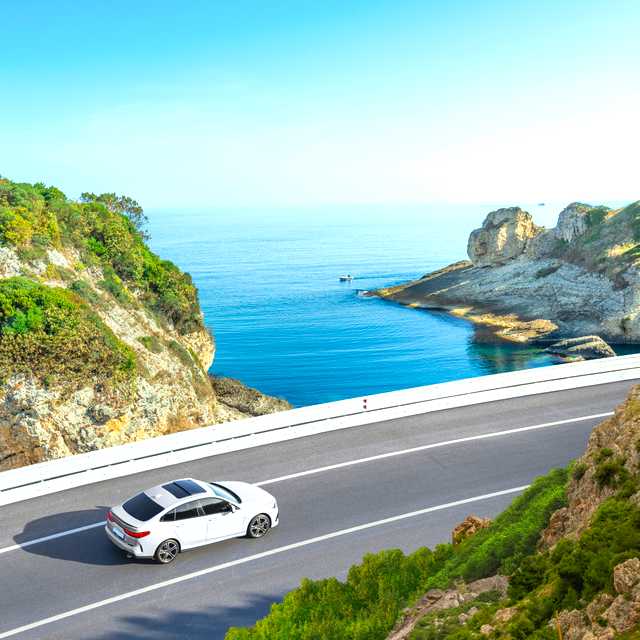
Private Transfers for Non-Drivers | Explore Without a Car
Experience a road trip without the license. Book a private car with a driver to access remote destinations and rural villages public transport can't reach.
Mehr lesen
Private History Tours & Transfers | Sights on Your Schedule
Turn your travel day into a journey through time. Book a private transfer with customizable stops at castles, UNESCO sites, and historic landmarks.
Mehr lesen
Private Cruise Transfers | Shore Excursions & Pier Pickups
Connect seamlessly between airports and cruise terminals. Enjoy private transfers with luggage assistance and optional sightseeing stops oen route to the ship.
Mehr lesen
Private Pre-booked Airport Drop-off Service
Eliminate the "will they show up?" anxiety. Pre-book a guaranteed airport drop-off with professional drivers. Door-to-terminal, luggage help, fixed rates.
Mehr lesen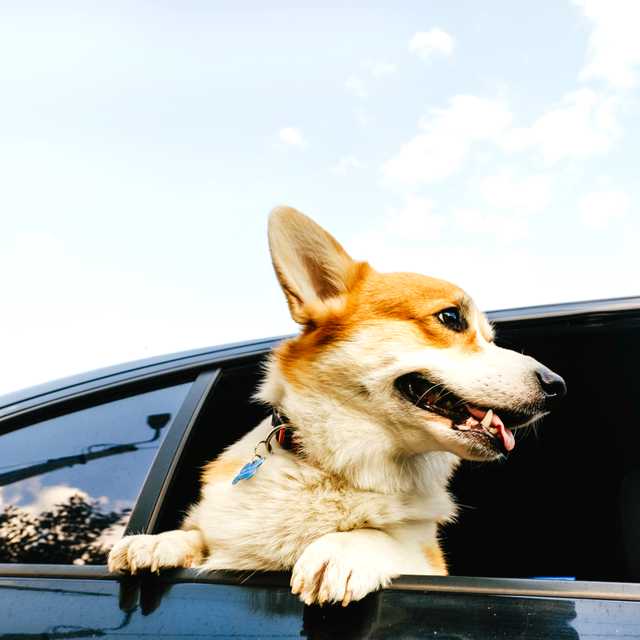
Pet-Friendly Private Car Service: Travel with Dog or Cat
Don't leave your pet behind. Pre-book a pet-friendly private transfer where your dog or cat rides in the cabin with you. Flexible stops and professional drivers
Mehr lesen
Private Wine Tours & Transfers | A Perfect Designated Driver
Explore the world's best wine regions without the worry of driving. Book a private transfer with a driver, winery stops, and plenty of trunk space for bottles.
Mehr lesen
Heritage Trip Private Transfers | Ancestry & Genealogy Trips
Visit your ancestral hometown with ease. Book a private driver to access remote villages, navigate local languages, and explore your family history stress-free.
Mehr lesen
Private Transfers for Pregnant Travelers | Comfort & Ease
Enjoy a smooth, safe journey during your pregnancy. Book a private car with adjustable seats, professional drivers, and unlimited stops for your comfort.
Mehr lesen
Private Transfers for Solo Female Travelers | Secure, Vetted
Travel the world with confidence. Book a safe, private transfer with background-checked drivers, vehicle details sent in advance, and 24/7 customer support.
Mehr lesen
Private Transfers for Single Parents | Supportive Travel
Traveling solo with kids? Get the extra help you need. Our drivers assist with luggage and strollers, ensuring a safe journey for you and your kids.
Mehr lesen
Private Medical Tourism Transfers | Post-Surgery Transport
Recover in comfort on your journey. Book a safe private transfer for medical travel. Smooth driving, privacy, and door-to-door service from clinic to hotel.
Mehr lesen
Private Car Services for Seniors & Elderly Travelers
Safe, comfortable door-to-door transfers designed for seniors. Our helpful drivers assist with luggage and ensure a stress-free journey at your own pace.
Mehr lesen
Executive Private Car Service | Reliable Business Transfers
Maximize your productivity with professional intercity transfers. Guaranteed pickups, quiet vehicles for working on the go, and seamless business expensing.
Mehr lesen
Private Ski Transfers | Spacious Cars for Skis & Snowboards
Head to the slopes stress-free. Pre-book a private winter transfer with ample room for skis, snowboards, and luggage. Safe drivers for winter road conditions.
Mehr lesen
Safe Late Night Private Transfers | Midnight Pickups
Avoid being stranded after hours. Pre-book a guaranteed late-night pickup with 24/7 flight tracking and a professional driver waiting at any hour.
Mehr lesenDaytrip ist die bequemste Art, 14.900+ Städte auf der ganzen Welt zu erleben.
Jeder Reisende verdient echte Einblicke in die Kulturen der Länder, die er besucht. Und jeder erstaunliche Ort auf der Erde verdient es, besucht und geschätzt zu werden. Wir glauben, dass einzigartiges lokales Wissen und echte menschliche Verbindungen unersetzlich sind, wenn es darum geht, eine andere Kultur wirklich zu verstehen.
Wir wurden vorgestellt in


